

Stainless steel and cast iron pans are considered the safest for cooking due to their stability at high temperatures and non-reactive nature. These materials also avoid the risks associated with chemical leaching.
What Cooking Pans are Safest to Use:Cookware is essential in any kitchen, and choosing the right type can affect both the quality of your food and your health. Stainless steel pans are highly durable, easy to clean, and resistant to rust and corrosion, making them a top choice for everyday cooking.
Cast iron options, on the other hand, offer excellent heat retention and can even add a dose of iron to your diet. While non-stick pans provide convenience, concerns about their coatings have led many to opt for safer alternatives. It’s important to consider the heat conductivity, reactivity, and maintenance of the pans you use. Safety-conscious cooks often prefer cookware made from materials that do not release harmful substances when heated and that can withstand the wear and tear of daily use.
Introduction To Safe Cookware
Introduction to Safe Cookware starts with understanding what makes cookware safe. Not all pans are the same. Some can harm our health. Choosing the right ones is crucial.
Why Safe Cookware Matters
Using safe cookware is important for several reasons:
- Health: Certain materials can release harmful chemicals.
- Taste: Safe cookware preserves the taste of food.
- Environment: Eco-friendly options reduce pollution.
Criteria For Safety
Look for these signs to pick safe cookware:
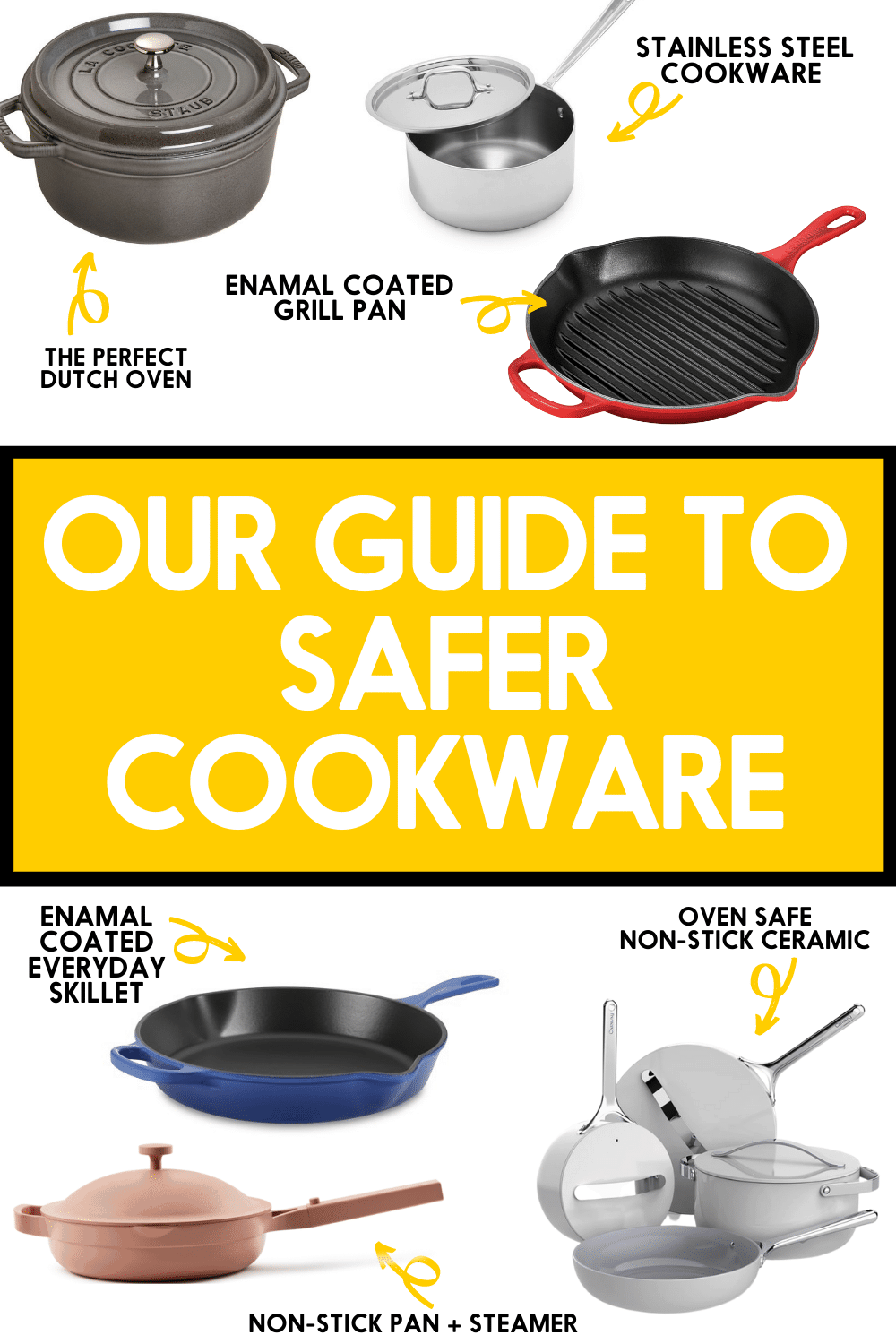
- Material: Choose stainless steel, cast iron, or glass.
- Coating: Avoid non-stick coatings that peel off.
- Heat Resistance: Ensure they withstand high temperatures.
Credit: lexiscleankitchen.com
Materials To Avoid
Cooking pans are essential in every kitchen. Yet, not all materials are safe for use. Certain types can release harmful substances into food. Let’s focus on materials best left out of your kitchen.
Teflon And Pfoa Concerns
Non-stick pans often have a coating known as Teflon. It makes cooking and cleaning easier. But when Teflon pans get too hot, they release toxic fumes. These fumes come from a substance called PFOA.
PFOA stands for perfluorooctanoic acid. It’s linked to several health issues. Some of these include thyroid disorders, chronic kidney disease, and liver problems. To stay safe, avoid pans with Teflon.
Aluminum And Health Risks
Aluminum pans are lightweight and heat up quickly. But, there’s a downside. If they are not coated, aluminum can leach into food. This is especially true with acidic foods like tomatoes.
High amounts of aluminum can affect the brain. It’s also linked to bone diseases. Choose pans that are anodized. This process seals the aluminum, preventing it from entering food.
| Material | Concerns |
|---|---|
| Teflon (PFOA) | Toxic fumes, health issues |
| Aluminum | Leaching into food, brain and bone risk |
- Opt for safer alternatives.
- Look for pans without Teflon.
- Choose anodized aluminum.
Cast Iron Classics
When exploring safe cookware, cast iron classics stand out. These durable pans have cooked meals for centuries. Their comeback in modern kitchens is no surprise.
Benefits Of Cast Iron
Cast iron pans offer remarkable advantages:
- Even heating: They distribute heat uniformly across the surface.
- High heat retention: Foods stay hot long after cooking.
- Versatility: Perfect for stovetop, oven, and outdoor grilling.
- Non-toxic: Free from harmful chemicals found in non-stick coatings.
- Natural non-stick: Develop a patina over time for easy release of food.
- Boosts iron intake: Small amounts of iron leach into food, benefiting health.
Maintenance Tips For Longevity
Keep cast iron pans in peak condition with these simple steps:
- Clean while warm: Wash with water; use a brush for stuck-on bits.
- Avoid soap: It can strip the seasoning; use only if necessary.
- Dry immediately: Prevent rust by thoroughly drying after washing.
- Oil after use: Apply a light coat of cooking oil to maintain seasoning.
- No soaking: Prolonged water exposure can lead to rusting.
- Regular use: Frequent cooking helps maintain the non-stick surface.
With these tips, cast iron pans can last for generations.
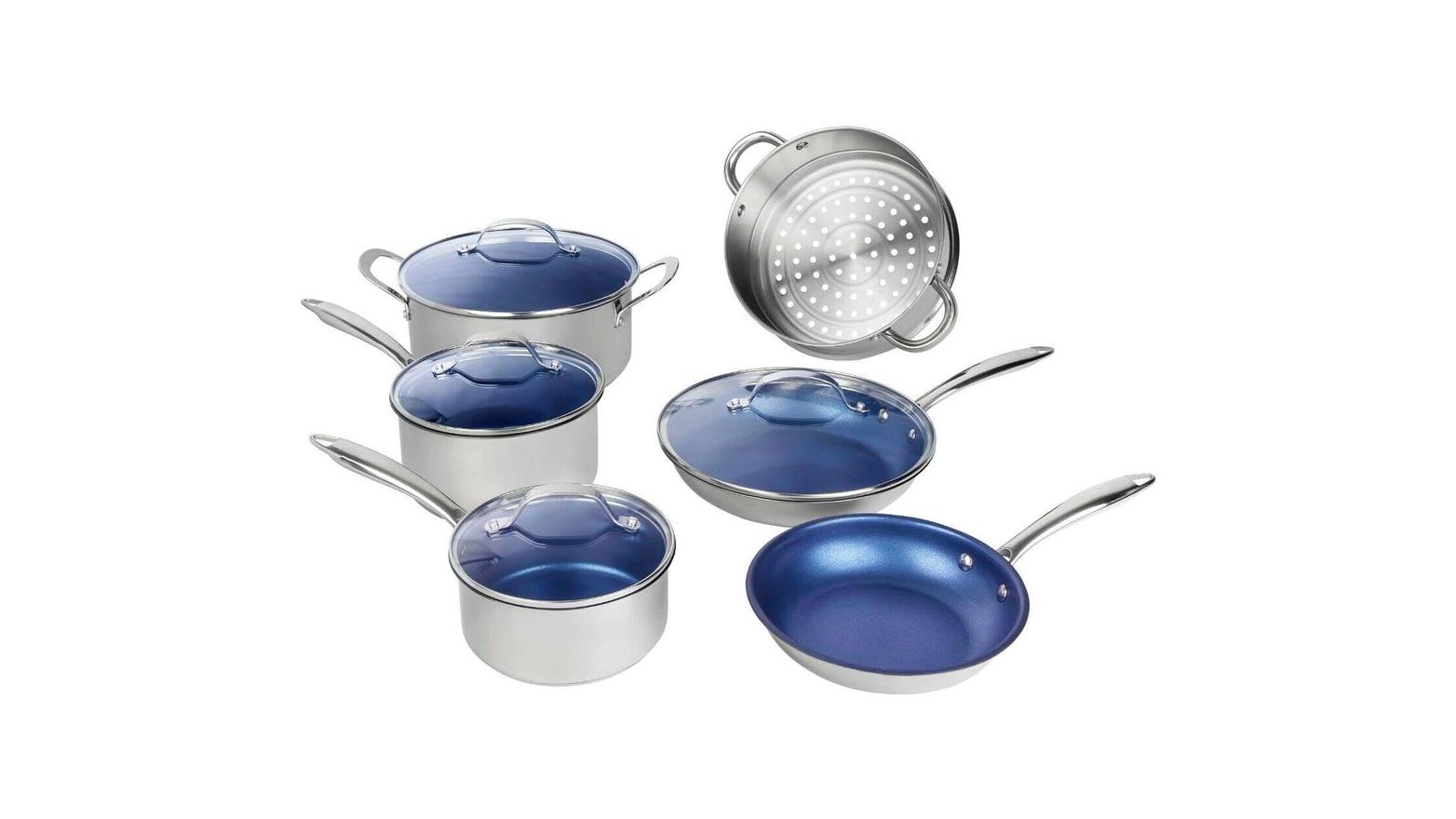
Stainless Steel Essentials
When choosing cookware, safety matters. Stainless steel pans stand out. They are durable and sleek. Let’s explore why they are a top choice for chefs.
Advantages Of Stainless Steel
Stainless steel cookware offers many benefits:
- Non-reactive surface: Keeps flavors pure.
- Long-lasting: Resists scratches and dents.
- Easy to clean: Dishwasher-safe and stain-resistant.
- Heat distribution: Cooks food evenly.
- Non-toxic: Free from harmful chemicals.
Choosing Quality Stainless Steel Cookware
Look for these features in high-quality stainless steel cookware:
| Feature | Description |
|---|---|
| Grade | 18/10 or 18/8 indicates high nickel content for corrosion resistance. |
| Gauge | Thicker gauge means more durability. |
| Core | Aluminum or copper core for better heat control. |
| Finish | Brushed or polished for easy maintenance. |
| Handles | Riveted handles ensure a secure grip. |
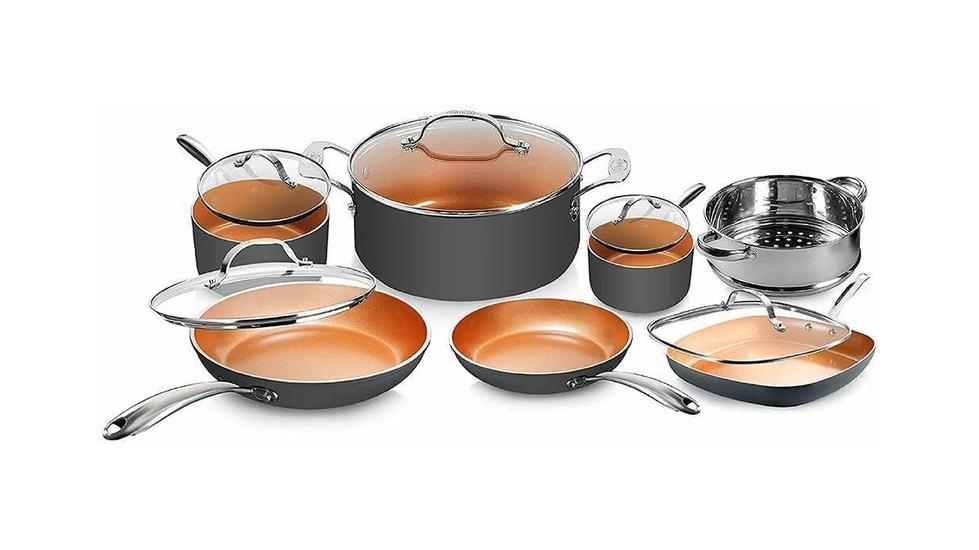
Ceramic Coatings
When exploring safe cookware, ceramic coatings stand out. These pans offer a non-toxic, non-stick surface. They are popular among health-conscious cooks. Let’s delve into the pros and cons of ceramic cookware.
Pros And Cons Of Ceramic
- Non-toxic: Ceramic is free from PTFE and PFOA.
- Non-stick: Food slides off easily, requiring less oil.
- Easy to clean: Just a quick wipe needed.
- Heat resistant: Can withstand high temperatures.
- Less durable: Can chip or wear over time.
- Not for high heat: High temperatures can damage the coating.
- Price: Can be more expensive than other options.
Identifying Reliable Ceramic Pans
Choosing a quality ceramic pan is key. Look for these signs:
| Feature | Detail |
|---|---|
| Brand reputation | Choose well-known, trusted brands. |
| Warranty | Longer warranties suggest better quality. |
| Coating quality | Look for thick, even layers of ceramic. |
| Customer reviews | Positive reviews indicate satisfaction. |
| Certifications | Check for safety and quality certifications. |
Glass Cookware
When thinking about safe cooking, glass cookware stands out. It’s not just for baking. Many chefs and home cooks prefer it for its purity and consistent heating. Unlike some metals, glass doesn’t react with food. This means your meals stay true to their flavors.
When To Use Glass
- Baking: Glass pans are perfect for cakes and casseroles.
- Roasting: Vegetables and meats roast well in glass.
- Refrigeration: Store leftovers in glass to keep them fresh.
Safety Tips For Glass Pans
While glass is safe, it needs careful handling. Follow these tips:
- Avoid extreme temperature changes. Don’t move glass from the freezer to the oven.
- Check for oven compatibility. Not all glass is oven-safe.
- Use oven mitts. Glass stays hot long after cooking.
- Inspect for cracks. Small cracks can lead to shattering.
Titanium Toughness
Choosing the right cooking pans can be tricky. Everyone wants cookware that’s safe and lasts a long time. This brings us to titanium toughness. Titanium pans are gaining popularity for good reasons. Let’s dive into why titanium might be the perfect choice for your kitchen.
Titanium In Cookware
Titanium is a strong metal. It’s also very light. These features make it ideal for cookware. Pans made of titanium heat up quickly and evenly. This means your food cooks better. Titanium is also safe. It doesn’t react with your food. So, the taste stays pure.
- Lightweight for easy handling
- Durable to withstand high temperatures
- Non-reactive with foods
Balancing Performance And Safety
With titanium cookware, you get the best of both worlds. These pans are not only strong but also safe. They don’t release harmful chemicals. This is important for keeping your food safe. Titanium pans also last a long time. You won’t need to replace them often. This makes them a cost-effective option in the long run.
| Feature | Benefit |
|---|---|
| Non-toxic | Safe for cooking |
| Corrosion-resistant | Lasts longer |
| Lightweight | Easy to handle |
In summary, titanium cookware balances performance and safety beautifully. It offers a non-toxic, durable, and efficient cooking experience. For anyone looking to upgrade their kitchen, titanium pans are worth considering.
Credit: www.cnet.com
Copper Cookware Considerations
Exploring the kitchen, cooks often wonder about the safety of copper cookware. Here are key considerations for those shiny copper pans.
Copper’s Conductivity
Copper excels in heat distribution. This makes for even cooking. Chefs prize copper for this precise temperature control. Yet, it’s important to note that copper reacts to certain foods. This could affect dishes’ flavors and colors.
Health Implications Of Copper
Copper is essential for our bodies, but too much is harmful. Most copper pans come lined with other metals to prevent excess copper from leaching into food. Stainless steel or tin linings are common. They ensure safety while benefiting from copper’s superior heat control.
- Choose lined copper cookware for safety
- Regularly check linings for scratches or wear
- Avoid cooking acidic foods in copper to prevent metal leaching
Remember, proper maintenance keeps copper pans safe. Always follow the manufacturer’s care instructions. This ensures longevity and safe use of your cookware.
Proper Cookware Maintenance
Keeping your cookware in top shape is crucial. Proper maintenance extends its life. It ensures safety while cooking. Let’s dive into how to preserve your pots and pans.
Preserving Your Cookware
Regular cleaning keeps cookware safe and functional. Here’s how to maintain different materials:
- Stainless steel: Use warm soapy water. Dry thoroughly.
- Cast iron: Clean with water. Season regularly.
- Non-stick: Wash with a soft sponge. Avoid high heat.
Store cookware properly. Stack with care. Use protectors between pans.
Avoiding Common Mistakes
Avoid these mistakes to protect your cookware:
| Material | Mistakes to Avoid |
|---|---|
| Stainless Steel | Using steel wool or bleach |
| Cast Iron | Soaking in water |
| Non-Stick | Using metal utensils |
Never cool hot pans with cold water. This causes warping. Always let them cool.
Conclusion: Making An Informed Choice
As we wrap up our discussion on safe cookware, it’s clear that an informed choice is crucial. Knowledge empowers us to select pans that ensure health and taste go hand-in-hand.
Balancing Safety And Functionality
The perfect pan must tick two boxes: safety and functionality. Non-toxic materials are a must for safety. Think ceramic, stainless steel, and cast iron. They resist wear and handle high heat well.
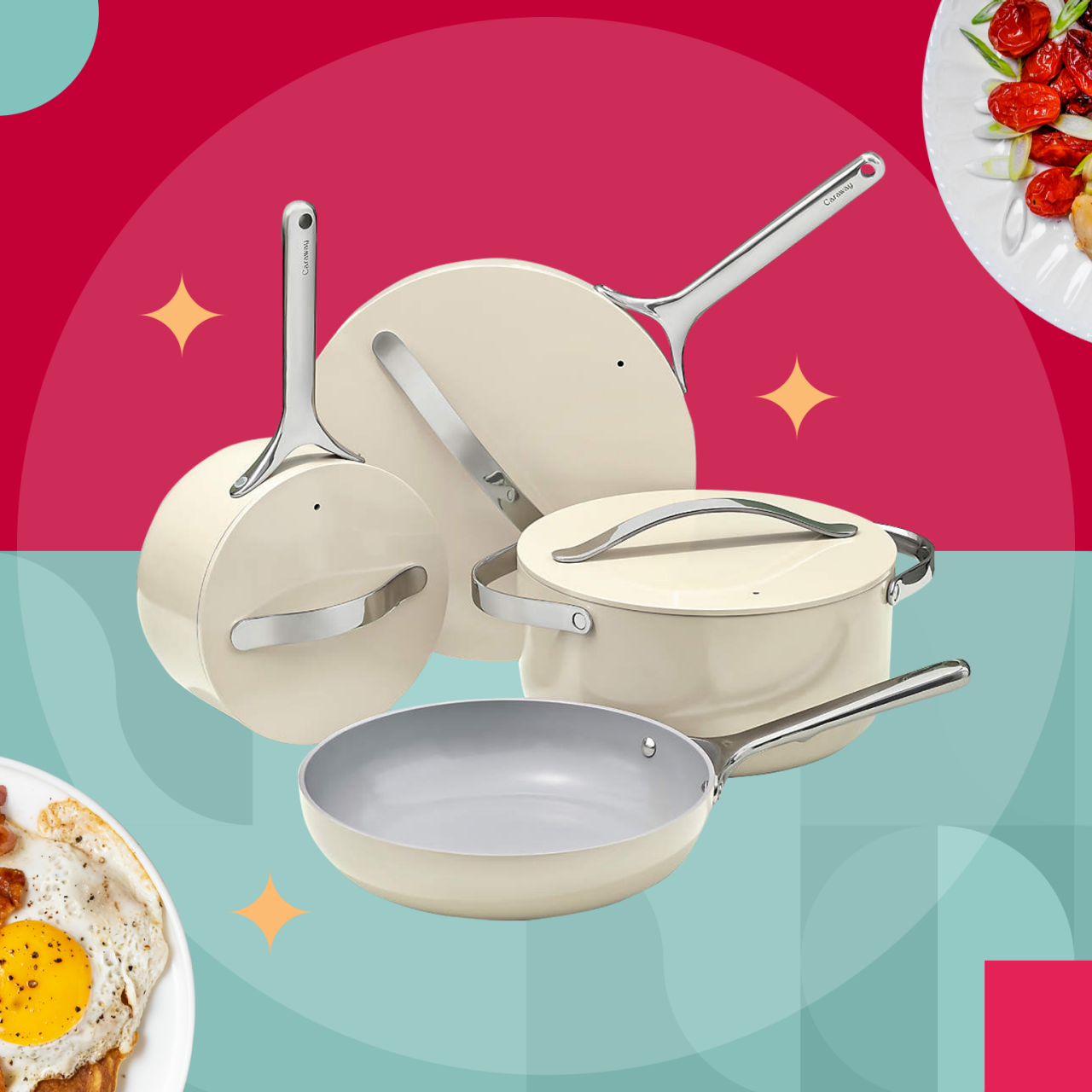
- Ceramic – chemical-free, non-stick
- Stainless steel – durable, versatile
- Cast iron – lasts for decades, improves with age
Each material has unique benefits. Your cooking style might sway your choice. Remember, even heating and ease of cleaning are key for any pan.
The Future Of Cookware Safety
What’s next for cookware safety? Tech advances and rigorous testing. Companies are innovating to create pans that are safer and perform better.
| Material | Pros | Cons |
|---|---|---|
| Non-Stick | Cleaning ease | Scratch risk |
| Aluminum | Heat conductivity | Reactivity with food |
| Copper | Precise cooking | High maintenance |
Future materials may include improved composites. They could offer the best of all worlds. Non-stick without chemicals and high heat tolerance.
Credit: www.foodnetwork.com
Frequently Asked Questions
What Is The Least Toxic Type Of Cookware?
The least toxic cookware options are ceramic, stainless steel, and cast iron, known for their non-toxic and durable qualities.
What Are The Healthiest Pans To Cook Out Of?
The healthiest pans for cooking are those made from cast iron, stainless steel, and ceramic-coated materials. These options offer durability and minimize chemical exposure during cooking.
Which Pan Coating Is The Safest?
The safest pan coatings are ceramic and high-quality, PTFE-free non-stick surfaces. These options avoid potential toxins and are environmentally friendly.
What Pans To Avoid When Cooking?
Avoid pans with scratched non-stick coatings, uncoated aluminum, and untreated cast iron that can rust. Also, steer clear of pans with plastic handles that may melt at high temperatures.
Conclusion
Choosing the right cookware is crucial for your health and culinary success. Opt for materials that balance safety and performance, like stainless steel or cast iron. Remember, the safest pans are those that match your cooking needs while minimizing chemical exposure.
Equip your kitchen wisely for a safer, tastier cooking journey.

Leave a Reply