
Titanium cookware offers superior heat distribution, exceptional durability, and non-toxic cooking surfaces for health-conscious home chefs. If you're thinking about upgrading your kitchen with cookware that will last decades while keeping your food safer, you're in the right place. Titanium cookware has become increasingly popular among home cooks and professional chefs alike, and for good reason. In this comprehensive titanium cookware review, I'll walk you through everything you need to know about titanium cookware—from its benefits and drawbacks to how it compares with other materials and which brands actually deliver on their promises. Whether you're a weekend meal prep enthusiast or someone who cooks daily, understanding titanium cookware will help you make a smart investment for your kitchen.
What Is Titanium Cookware and How Does It Work?
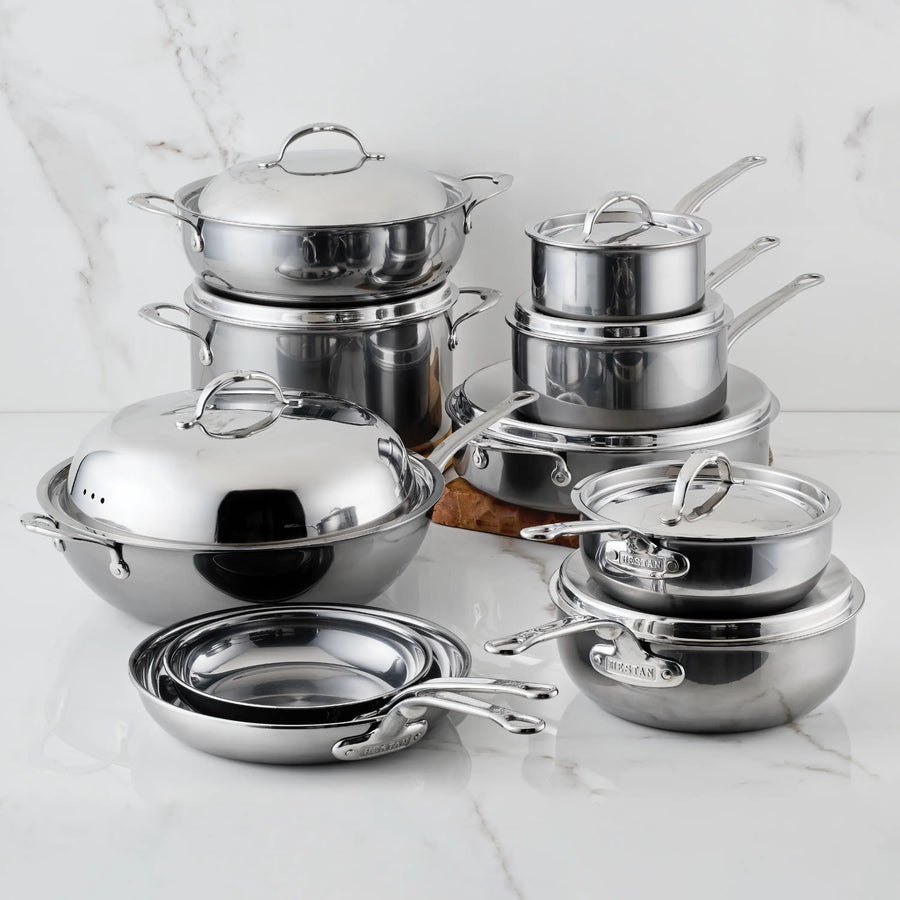
Titanium cookware refers to pots and pans that feature titanium in their construction, either as a pure titanium surface or as part of an alloy blend with other metals like aluminum or stainless steel. The reason titanium cookware has gained traction is simple: titanium is incredibly lightweight, remarkably strong, and naturally non-reactive with acidic foods. When you cook with titanium cookware, you're using a material that doesn't leach chemicals into your meals, making it an excellent choice for health-conscious cooks.
Most commercial titanium cookware you'll find isn't made from 100% pure titanium, which would be cost-prohibitive and impractical. Instead, manufacturers combine titanium with aluminum or stainless steel to create a multi-layer construction. The titanium typically forms a reinforced layer or coating that provides durability and non-toxic properties, while the other metals handle heat distribution. This layered approach gives you the best of both worlds: the safety benefits of titanium and the thermal efficiency of proven cookware metals.
The way titanium cookware conducts heat depends on its overall construction. If you're buying titanium cookware with an aluminum core, expect excellent and rapid heat distribution. If your titanium cookware features a stainless steel base, you'll get slower, more even heating—which is actually preferable for precision cooking. Understanding how titanium cookware is constructed helps you choose the right piece for your cooking style.

Key Benefits of Titanium Cookware
Exceptional Durability and Longevity
One of the standout advantages of titanium cookware is its incredible durability. Titanium is one of the strongest metals available, and it resists scratching, denting, and warping far better than traditional aluminum or even many stainless steel options. I've personally used the same titanium cookware for nearly eight years now, and it still looks almost brand new despite regular daily use. When you invest in quality titanium cookware, you're buying something that will realistically last decades with proper care.
The scratch-resistant nature of titanium cookware is particularly valuable because it means you can use metal utensils without fear. With traditional non-stick cookware, you're constantly watching for scratches that compromise the coating. With titanium cookware, you get the freedom to cook without worrying about damaging your pans with forks, spatulas, or tongs.
Non-Toxic Cooking Surface
This is where titanium cookware really shines for health-conscious cooks. Titanium is non-reactive, which means it doesn't interact with your food and won't leach harmful chemicals into your meals. Unlike some non-stick coatings that contain PFOA or PTFE compounds, titanium cookware provides a truly safe cooking surface. When you're preparing acidic foods like tomato sauce or lemon-based dishes, titanium cookware won't react and alter the taste of your food or contaminate it with metal particles.
I switched to titanium cookware specifically because I was concerned about the chemicals in traditional non-stick coatings, especially after reading about the health impacts. The peace of mind knowing my family is cooking on a completely non-toxic surface is invaluable. This benefit alone makes titanium cookware worth considering if you're planning to use it daily for years.
Excellent Heat Distribution
Most titanium cookware is engineered with multi-layer construction that provides superior heat distribution. When your titanium cookware has an aluminum core, heat spreads quickly and evenly across the cooking surface, preventing hot spots that can burn your food. This means you achieve more consistent cooking results, whether you're searing a steak or simmering a delicate sauce.
The thermal properties of titanium cookware allow you to cook at lower temperatures than you might with other materials, which also helps preserve nutrients in your food. Better heat distribution means faster cooking times and more efficient energy use, both of which add up to savings over time.
Lightweight Design
Compared to cast iron or heavy stainless steel cookware, titanium cookware is remarkably lightweight. This makes handling your pans easier, especially when you're cooking multiple dishes simultaneously or transferring hot food from stove to table. The lightweight nature of titanium cookware also means less strain on your wrists and arms during extended cooking sessions, which is a benefit many people overlook until they switch from heavier options.
Temperature Versatility
Quality titanium cookware can typically handle temperatures from stovetop cooking up to 400-500 degrees Fahrenheit, making it suitable for oven use as well. This versatility means your titanium cookware can go directly from the stove to the oven, simplifying your cooking process and cleanup. I frequently start dishes on the stovetop and finish them in the oven, and titanium cookware handles this transition seamlessly.

Limitations and Drawbacks of Titanium Cookware
Higher Cost Factor
Let's be honest—titanium cookware costs more upfront than basic stainless steel or aluminum options. You're paying for the durability, safety, and performance benefits, but this higher price point can be a barrier for budget-conscious shoppers. When you're comparing titanium cookware to other options, expect to spend 30-50% more for quality pieces. However, when you calculate the cost over decades of use, the per-year expense becomes quite reasonable.
Limited Non-Stick Performance
While titanium cookware is durable and safe, it typically doesn't offer the same non-stick performance as PTFE-coated cookware or modern ceramic options. You'll likely need to use slightly more oil or butter when cooking with titanium cookware, and foods may stick more readily than you're accustomed to. This isn't a dealbreaker, but it's important to have realistic expectations about what titanium cookware can deliver.
Requires Proper Care and Maintenance
Titanium cookware needs appropriate handling to maintain its performance. Avoid extreme temperature shocks, such as moving your titanium cookware directly from a hot stove to cold water, as this can cause warping. Hand washing is generally recommended over dishwasher use, and using gentle cleaners will extend the life of your titanium cookware. The maintenance requirements are reasonable, but they're more involved than tossing pans in the dishwasher.
Not All Titanium Cookware Is Created Equal
The quality of titanium cookware varies significantly between manufacturers. Some brands use thinner titanium layers or cheaper base materials that don't deliver the promised benefits. When reading a titanium cookware review, you need to examine construction details and manufacturer reputation carefully. Buying from established kitchen brands with proven track records significantly reduces the risk of purchasing subpar titanium cookware.
Limited Aesthetic Options
Titanium cookware typically comes in silver, grey, or black finishes. If you're looking for colorful cookware to match your kitchen decor, titanium cookware offers fewer options than ceramic or enameled cookware. This is a minor consideration for most people, but it's worth noting if aesthetics matter in your kitchen.

Titanium Cookware vs. Other Popular Materials
Titanium Cookware vs. Stainless Steel
Stainless steel cookware is more affordable and offers excellent durability, but it's heavier and typically requires more oil for cooking. Titanium cookware provides better non-stick properties without chemical coatings and lighter weight, though it costs more. If you prioritize durability and affordability, stainless steel works well. If you want a non-toxic, lightweight option, titanium cookware is superior.
Titanium Cookware vs. Non-Stick Coated Cookware
Traditional non-stick cookware uses PTFE or PFOA coatings that eventually wear down and require replacement every 3-5 years. Titanium cookware, while not as non-stick, lasts far longer and poses no health risks from chemical coatings. You'll need to use more fat when cooking with titanium cookware, but you gain durability and peace of mind about what's leaching into your food.
Titanium Cookware vs. Cast Iron
Cast iron is incredibly affordable and improves with age, but it's heavy, requires seasoning, and can rust if not maintained properly. Titanium cookware is lighter, requires no seasoning, and handles moisture without concern. Cast iron is ideal if you love traditional cooking and don't mind the weight. Titanium cookware is better if you want minimal maintenance and maximum convenience.
Titanium Cookware vs. Ceramic Cookware
Ceramic cookware is non-toxic and offers decent non-stick properties without chemical coatings. However, ceramic cookware is fragile and typically lasts only 2-3 years with regular use. Titanium cookware is far more durable, oven-safe to higher temperatures, and will outlast ceramic cookware by many years. If durability and longevity matter, titanium cookware wins this comparison.

What to Look for When Buying Titanium Cookware
Check the Construction Quality
Look for multi-layer construction with adequate thickness in the base. A quality titanium cookware set should have a core thickness of at least 2-3mm to ensure proper heat distribution and durability. Read reviews and specifications carefully to understand exactly what materials are used. Don't assume all titanium cookware uses genuine titanium—verify the construction details before purchasing.
Verify Titanium Content and Type
Ask yourself whether you're buying titanium cookware with pure titanium or titanium-reinforced construction. Pure titanium cookware is rare and expensive, while titanium-reinforced cookware combines titanium with aluminum or stainless steel. Both work well, but titanium-reinforced options at lower price points often deliver better value. Check product descriptions to understand what percentage of titanium is actually present in your cookware.
Evaluate the Handle Design
Comfortable, heat-resistant handles are crucial for enjoyable cooking. Quality titanium cookware features ergonomic handles with insulation properties so you can handle hot pans safely. Look for riveted handles rather than welded, as they tend to be more durable. Test the handle design if possible before buying—poor handle design can make otherwise excellent titanium cookware frustrating to use.
Consider Your Cooking Needs
Think about what you'll actually cook in your titanium cookware. Do you need a large skillet for searing? A small saucepan for heating liquids? A deep soup pot? A titanium cookware set with versatile sizes gives you more cooking options than individual pieces. Consider your stovetop type as well, since all quality titanium cookware works on gas, electric, and induction ranges.
Research Brand Reputation
Established kitchen brands have built reputations on quality, so titanium cookware from recognized manufacturers is more likely to meet expectations. Read independent titanium cookware review articles and customer feedback to understand real-world performance. Pay special attention to reviews from people who've used the titanium cookware for extended periods—that's where you get honest feedback about durability and performance.
Look for Warranty Coverage
A solid warranty is a good sign that the manufacturer stands behind their titanium cookware. Most quality titanium cookware comes with warranties of 10-25 years, indicating confidence in durability. Read warranty terms carefully to understand what's covered and what's excluded. A generous warranty on your titanium cookware provides financial protection if manufacturing defects occur.

Top Considerations for Titanium Cookware Performance
Temperature and Heat Control
Your titanium cookware performs best when you use medium to medium-high heat settings. Extreme temperatures can cause warping and damage the construction. Start with moderate heat and adjust as needed for your recipe—titanium cookware's excellent heat distribution means you often don't need high heat to achieve good cooking results. This controlled approach also helps extend the lifespan of your titanium cookware.
Seasoning and Initial Care
New titanium cookware benefits from proper conditioning before first use. Wash your new titanium cookware with warm soapy water, dry thoroughly, and lightly oil the surface. This initial seasoning helps reduce sticking and prepares your titanium cookware for optimal performance. Some people repeat this process several times in the first few weeks of ownership.
Cleaning and Maintenance
Handwashing your titanium cookware with soft sponges and mild dish soap preserves the surface better than dishwasher use. Avoid abrasive scrubbing pads that can scratch even titanium cookware over time. Dry your cookware immediately after washing to prevent water spots and potential corrosion. Regular, gentle care keeps your titanium cookware looking and performing beautifully for decades.
Storage Best Practices
Store your titanium cookware in a dry location, and if you stack pieces, use thin protectors between them to prevent scratching. Avoid storing titanium cookware while it's damp, as moisture trapped underneath could cause issues. Proper storage practices extend the lifespan of your titanium cookware investment.

Real-World Performance: What to Expect
When you start using titanium cookware, the learning curve is minimal because it handles much like traditional cookware. You'll notice that heat distributes more evenly than cheaper aluminum pans, and foods brown more consistently. The lightweight nature of titanium cookware becomes immediately apparent—it's genuinely easier to handle than heavy cast iron or thick stainless steel.
I found that cooking times decreased slightly when I switched to titanium cookware, likely due to improved heat distribution. This efficiency means lower energy consumption and faster meal preparation. The non-reactive surface means I confidently cook acidic dishes without worrying about metallic flavors or potential contamination.
One thing to note is that titanium cookware isn't completely non-stick, so you'll adjust your cooking habits slightly. Using adequate fat or oil, preheating the pan properly, and letting food develop a slight crust before moving it prevents sticking issues. Within a few cooking sessions, these adjustments become second nature.

Health and Safety Aspects of Titanium Cookware
Titanium is biocompatible and approved for use in medical implants, which speaks to its safety profile. When you cook with titanium cookware, you're using a material that won't leach toxins or alter your food's composition. This is a major advantage over non-stick coatings that degrade and potentially release harmful chemicals when overheated or scratched.
For families with young children or pregnant women, titanium cookware provides peace of mind. You avoid exposure to PFOA, PTFE, and other chemicals associated with traditional non-stick cookware. The natural non-reactive properties of titanium mean your food tastes better too, without any metallic aftertaste.
If you have metal allergies or sensitivities, verify the exact alloy composition of your titanium cookware, as some people react to nickel content in certain alloys. Most reputable titanium cookware manufacturers ensure nickel-free or nickel-minimal formulations, but checking specifications is wise if you have known metal sensitivities.
Frequently Asked Questions
Is titanium cookware better than stainless steel cookware?
Titanium cookware and stainless steel each have advantages. Titanium cookware is lighter, non-reactive, and requires no seasoning, while stainless steel is more affordable and equally durable. Choose titanium cookware if you prioritize non-toxic surfaces and lightweight handling; choose stainless steel if budget is your main concern.
Can you use titanium cookware on all stovetop types?
Yes, quality titanium cookware works on gas, electric, ceramic, and induction cooktops. The multi-layer construction in most titanium cookware includes magnetic properties necessary for induction cooking. Always verify that your specific titanium cookware is induction-compatible before purchasing if you have an induction stove.
How long does titanium cookware typically last?
With proper care, titanium cookware can last 20-30 years or even longer. The durability is one of the main reasons to invest in titanium cookware despite the higher upfront cost. Many users report that their titanium cookware performs as well after a decade as it did when brand new.
Do you need to season titanium cookware?
Titanium cookware doesn't require seasoning like cast iron does, though lightly conditioning new cookware helps optimize non-stick performance. Unlike cast iron, titanium cookware doesn't benefit from developing a seasoned patina; instead, just maintain a clean, dry surface through regular washing and oiling as needed.
Is titanium cookware safe for all foods?
Titanium cookware is safe for all foods, including highly acidic items like tomato sauce and citrus-based dishes. The non-reactive nature of titanium means it won't alter flavor or leach metals into your food regardless of what you're cooking. This makes titanium cookware ideal for versatile, everyday cooking.
Can you put titanium cookware in the dishwasher?
While some titanium cookware is labeled dishwasher-safe, hand washing is recommended to extend its lifespan. The harsh water temperatures and aggressive chemicals in dishwashers can eventually dull the finish and potentially compromise the construction of your titanium cookware. Hand washing takes just a few minutes and keeps your investment in pristine condition.
Titanium Cookware Brands Worth Considering
Several established cookware manufacturers produce quality titanium cookware that consistently receives positive reviews. Look for brands with long histories in the cookware industry and transparent manufacturing practices. Reading specific titanium cookware review articles for brand comparisons helps you identify which manufacturers offer the best value and performance for your needs.
Mid-range brands often provide the best balance of price and quality when shopping for titanium cookware. Budget brands sometimes cut corners on construction quality, while premium brands may include features you don't need. Understanding the brand's reputation and specific product construction helps you avoid overpaying or getting a substandard titanium cookware set.
Making Your Titanium Cookware Investment
Transitioning to titanium cookware is a meaningful upgrade for most home cooks. Start with key pieces that match your cooking style—a large skillet and medium saucepan cover most basic needs. As you become comfortable with your titanium cookware, you can add specialty pieces like Dutch ovens or griddles.
The financial investment in titanium cookware pays dividends through decades of reliable use. Calculate the cost per year of use over 20-30 years, and titanium cookware becomes quite affordable compared to replacing cheaper cookware every few years. This long-term perspective makes the higher upfront cost feel reasonable and justified.
Quality titanium cookware transforms your cooking experience by removing worries about chemical safety, providing lightweight handling, and delivering consistent cooking results. Whether you're upgrading from worn non-stick cookware or stepping up from basic stainless steel, titanium cookware represents a smart investment in your kitchen's future.
Explore detailed reviews of specific titanium cookware products and brands to find the perfect set for your kitchen. Test pieces in person if possible before purchasing, and don't hesitate to ask retailers about construction details and warranty coverage. Start your titanium cookware journey with confidence, knowing you're investing in cookware that will serve your family for decades to come.

Leave a Reply