
You just spent hours cooking a delicious meal, and now it’s time to clean up. But where do you put all those pots and pans? Piling them up can lead to scratches and damage.
Learning how to store cookware safely protects your investment and keeps your kitchen organized. This guide will show you simple, effective methods to keep your kitchenware in great shape for years to come.
Choosing Safe Cookware Storage Solutions
Choosing the right storage for your pots and pans makes a big difference. It stops them from getting scratched and keeps your kitchen looking tidy. You want solutions that protect the surfaces and make things easy to reach when you need them. This section explores different ways to store your cookware so it lasts longer.
Drawer Organizers for Pots and Pans
Drawers can be a great place to store cookware if you use the right organizers. Without them, pots and pans can get jumbled. This leads to chipped coatings and bent handles. Drawer organizers help keep each piece separate.
Vertical Dividers
These dividers stand upright inside your drawer. You can slide lids and baking sheets between them. This keeps them from falling over and scratching each other. It’s a neat way to use drawer space efficiently.
Vertical dividers are excellent for items like baking sheets, cutting boards, and pot lids. They stand tall and create individual slots for each item. This prevents them from sliding around or damaging other cookware.
Stackable Shelves
These shelves fit inside a deep drawer. They create an extra layer, allowing you to stack pots. You can place smaller pots on top of larger ones without them touching. This is especially useful for non-stick pots.
Stackable shelves are perfect for larger drawers where you store multiple pots and pans. They create tiered levels, allowing you to maximize vertical space. This means you can store more cookware without them nesting too tightly.
Adjustable Drawer Inserts
These inserts have movable sections. You can adjust them to fit the size of your cookware. This provides a custom fit for all your pots and pans. It’s a flexible option that works for various kitchen setups.
Adjustable inserts offer a flexible solution for drawers of different sizes. Their customizable nature means you can create compartments that perfectly fit your specific pots and pans. This ensures everything stays snug and protected.
Using Pot Racks for Efficient Storage
Pot racks are a popular way to store cookware. They can be mounted on walls, ceilings, or even stand alone. They keep your pots and pans visible and accessible. This also frees up valuable cabinet space.
Wall-Mounted Racks
These racks attach to your kitchen wall. They have hooks or bars where you can hang pots and pans. This is a good option if you have limited cabinet space. It also adds a decorative touch to your kitchen.
Wall-mounted racks are ideal for smaller kitchens or for those who want easy access to their cookware. They can be installed above a stove or on an empty wall. Hanging pots and pans makes them readily available for cooking.
Ceiling-Mounted Racks
These racks hang from your ceiling. They often have a grid-like structure with hooks. They look stylish and can hold a lot of cookware. However, they might not be suitable for very low ceilings.
Ceiling-mounted racks are a classic choice, offering a stylish way to display your cookware. They are particularly useful in larger kitchens with high ceilings. These racks can hold a significant amount of weight and keep items organized overhead.
Tension Rod Racks
These racks use tension rods to create shelves in cabinets or pantries. You can stack pots and pans on these shelves. It’s a simple way to add extra storage without permanent installation.
Tension rod racks are an easy, renter-friendly option. They use adjustable rods to create shelves within existing cabinets or pantry spaces. This allows you to add extra storage layers for pots and pans without drilling holes.
Cabinet Solutions for Cookware Organization
Cabinets are common places for storing cookware. With the right tools, you can make them much more organized. This prevents damage and makes finding what you need simple.
Stacking with Protectors
When stacking pots and pans, use protectors between them. These can be felt pads, cloth pieces, or special pan protectors. They stop the metal surfaces from scratching each other. This is vital for non-stick cookware.
Pan protectors are essential if you stack your cookware. These soft materials go between each pan. They prevent the abrasive metal surfaces from scratching non-stick coatings or delicate finishes. This is one of the simplest ways to store cookware safely.
Vertical Lid Organizers
Lids can be tricky to store. A vertical organizer for lids fits inside a cabinet. It holds lids upright, making them easy to see and grab. This stops them from falling out when you open the cabinet door.
Vertical lid organizers are a must-have for any kitchen. They stand lids on their sides, allowing you to see every lid at a glance. This avoids digging through piles and prevents lids from getting lost or damaged.
Pull-Out Shelves and Drawers
These are especially helpful for deep cabinets. Pull-out shelves slide out, so you can reach items at the back. You can store pots and pans on these shelves without having to lift heavy items.
Pull-out shelves and drawers transform deep cabinets. They bring items forward, making everything accessible. This is a great way to store pots and pans, especially heavier ones, as you can easily slide them out.
Protecting Different Types of Cookware
Different cookware materials need different storage approaches. Knowing these specifics helps you store them safely. This preserves their quality and extends their lifespan.
Storing Non-Stick Cookware
Non-stick cookware is delicate. Its coating can scratch easily. Proper storage is key to keeping this coating intact.
Never stack directly
Avoid stacking non-stick pots and pans directly on top of each other. The rough bottoms of upper pans can scratch the non-stick surface of the ones below. Always use pan protectors or place a soft cloth between layers.
Direct stacking is the enemy of non-stick surfaces. Even light friction can cause tiny scratches that compromise the coating over time. Using protectors ensures a protective buffer, keeping your non-stick pans in pristine condition.
Use pan protectors religiously
Felt or silicone pan protectors are inexpensive and highly effective. They create a soft barrier between cookware items. This is the most important step for storing non-stick pans safely.
Pan protectors are a small investment with a big payoff. They are designed to be placed between stacked pans. These protectors absorb shock and prevent abrasive contact, safeguarding the non-stick coating from damage.
Store lids separately or with protectors
If you store lids on top of non-stick pans, ensure there’s a protector underneath. Better yet, store lids in a separate vertical organizer. This prevents any edge from scratching the pan’s surface.
Lid storage requires similar care. If a lid must rest on a pan, a protector is essential. However, keeping lids separate in a dedicated organizer is the safest bet for non-stick pans.
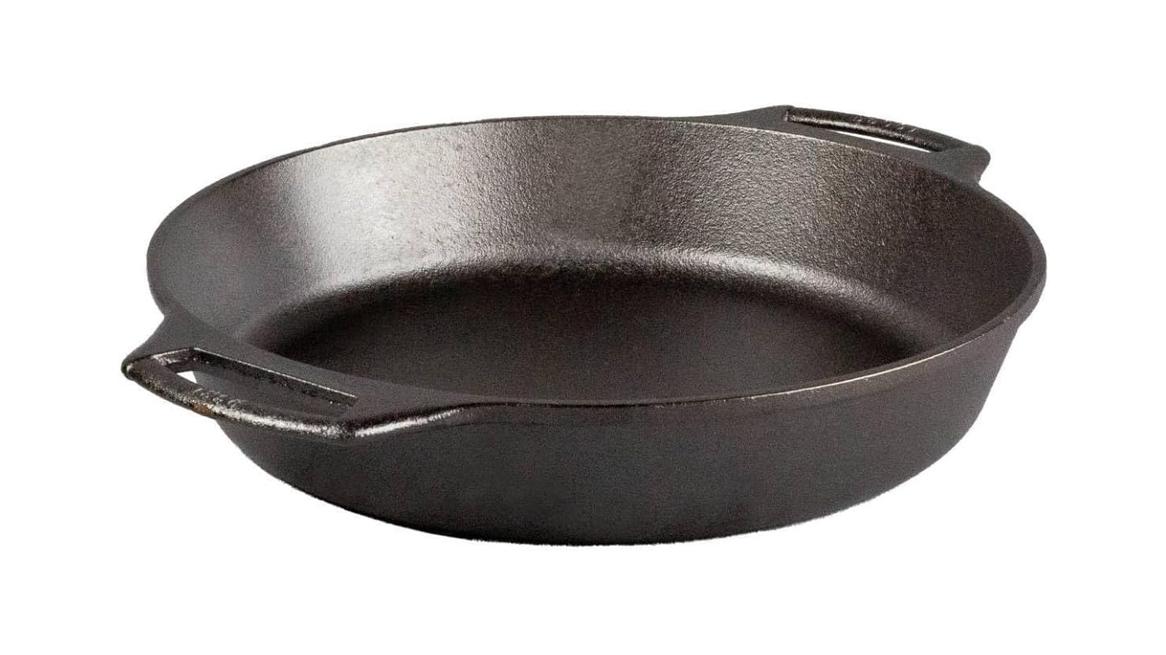
Storing Cast Iron Cookware
Cast iron is durable but needs care. It can rust if not stored properly. Seasoning helps protect it, but moisture is still its enemy.
Ensure they are completely dry
After washing, cast iron must be dried thoroughly. Any lingering moisture can lead to rust. You can even place it on a warm burner for a few minutes to ensure it’s bone dry.
Complete dryness is paramount for cast iron. Residual moisture is the primary cause of rust formation. Thorough drying, potentially with gentle heat, prevents this issue and preserves the pan’s integrity.
Season and oil lightly
A light coating of cooking oil after drying helps prevent rust. Rub a thin layer of oil all over the cast iron. This creates a protective barrier.
A thin layer of cooking oil acts as a protective shield. After ensuring the cast iron is dry, apply a small amount of oil and spread it evenly. This barrier combats moisture and prevents rust.
Store with a paper towel barrier
If stacking cast iron, place a paper towel or a thin cloth between pieces. This absorbs any faint moisture and prevents scratching. It also helps protect the seasoning.
A paper towel or cloth between stacked cast iron pieces serves multiple purposes. It absorbs ambient moisture and prevents metal-on-metal friction that can damage the seasoning. This simple step enhances longevity.
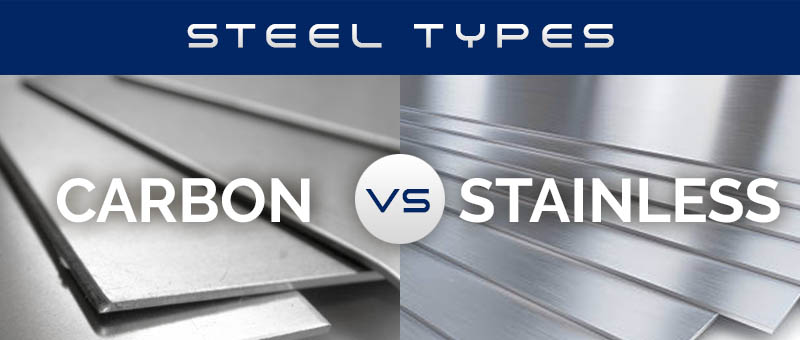
Storing Stainless Steel Cookware
Stainless steel is very durable. It’s less prone to scratches than non-stick. However, it can still get scuffed. Proper storage maintains its shine and prevents damage.
Stacking is generally safe
Stainless steel can be stacked without extreme caution. However, to maintain its polished appearance, it is still wise to use protectors, especially if stacking heavily or for long periods.
Stainless steel cookware is robust. It can withstand stacking reasonably well. To keep its aesthetic appeal, using protectors is a good practice, though less critical than for non-stick.
Avoid abrasive cleaners or pads
While storing, avoid placing anything abrasive on or near stainless steel. Also, when cleaning, use soft sponges and mild detergents. Harsh materials can scratch even stainless steel.
Using abrasive cleaners or pads can dull the finish of stainless steel. When storing, ensure that no rough items are placed inside or against the cookware. This preserves its lustrous appearance.
Clean thoroughly before storing
Make sure stainless steel cookware is clean and dry before putting it away. Food residue can become difficult to remove if left on for extended periods. This also prevents potential staining.
Always clean stainless steel cookware before storing. Leftover food particles can be stubborn and may etch the surface if left for a long time. Ensuring it is clean and dry is good practice.
Innovative and Space-Saving Storage Ideas
Maximizing kitchen space is a common goal. These ideas offer clever ways to store cookware without taking up too much room. They combine functionality with efficiency.
Magnetic Strips for Utensils and Small Pans
Magnetic strips are excellent for metal utensils. They can also hold very small, lightweight pans if the magnet is strong enough. Mount them on the wall or the side of a cabinet for easy access.
Utensil organization
Magnetic strips are perfect for keeping frequently used utensils like spatulas, whisks, and ladles within easy reach. They declutter drawers and keep your countertops clear. This is a very practical application.
Magnetic strips are a fantastic solution for utensil storage. They allow you to hang metal cooking tools neatly on a wall or cabinet side. This keeps them accessible and prevents drawer clutter.
Small pan storage
For very light pans, like small saucepans made of magnetic material, a strong magnetic strip can work. Ensure the strip is rated for the weight. This saves shelf or drawer space.
Some small pans, especially those with magnetic bases, can be stored on strong magnetic strips. This is an efficient use of vertical space. Always check the weight capacity of the strip to ensure safety.
Pegboards for Customized Storage Layouts
Pegboards offer a highly customizable storage solution. You can arrange pegs and hooks in any configuration. This allows you to hang pots, pans, lids, and utensils exactly how you want them.
Flexible arrangement
Pegboards let you create a storage layout that fits your specific cookware. You can adjust the placement of hooks and shelves as your needs change. It’s a dynamic storage system.
The flexibility of pegboards is a major advantage. You can rearrange the hooks and pegs as needed to accommodate different sizes and shapes of cookware. This allows for a truly personalized storage setup.
Visual accessibility
Everything is visible on a pegboard. This makes it easy to find what you need quickly. It also helps you keep track of what you own.
With a pegboard, all your cookware is visible. This visual accessibility means you can quickly spot the item you need without rummaging through cabinets. It also makes inventory management easier.
Hanging Organizers Inside Cabinets
You can add hanging organizers to the inside of cabinet doors. These can hold lids, small pans, or even cutting boards. They utilize often-wasted vertical space within cabinets.
Door-mounted racks
These racks attach to the inside of cabinet doors. They have compartments for lids or small frying pans. This is a simple way to add storage without taking up shelf space.
Door-mounted racks are a space-saving marvel. They hang on the inside of cabinet doors, providing compartments for items like pot lids or small saucepans. This utilizes often-unused vertical space effectively.
Under-shelf baskets
These baskets slide onto existing shelves. They hang below the shelf, creating an extra layer of storage. They are great for smaller items like pot lids or cleaning supplies.
Under-shelf baskets are another clever addition. They clip onto existing shelves, creating an extra tier underneath. These are ideal for storing lighter items, freeing up the main shelf space for larger cookware.
Maintenance Tips for Cookware Longevity
Proper storage goes hand-in-hand with good maintenance. Keeping your cookware clean and well-cared for ensures it lasts longer and performs better.
Cleaning Procedures for Different Materials
The way you clean your cookware is as important as how you store it. Different materials require different cleaning methods.
Non-stick: Gentle washing
Always use a soft sponge and mild dish soap. Avoid abrasive scrubbers or harsh detergents. Rinse thoroughly and dry completely.
Gentle cleaning is essential for non-stick pans. Use only soft sponges and mild soap. Aggressive scrubbing can quickly damage the delicate non-stick coating, rendering it ineffective.
Cast iron: No soap usually, re-season
For general cleaning, hot water and a stiff brush are often enough. If needed, use a small amount of mild soap. Always dry thoroughly and apply a thin layer of oil. Re-season periodically.
Cast iron typically doesn’t need soap. Hot water and a brush suffice for most cleaning. After drying, always reapply a thin coat of oil to maintain its protective seasoning and prevent rust.
Stainless steel: Hot water and detergent, polish if needed
Stainless steel can handle most cleaning methods. Use hot water and detergent. For stubborn stains or to restore shine, use a specialized stainless steel cleaner.
Stainless steel is resilient to most cleaning agents. Hot water and dish soap are usually sufficient. For tougher jobs, a mild abrasive or a specialized cleaner can restore its shine.
The Role of Heat and Moisture in Storage
Storing cookware in areas with high heat or constant moisture can cause damage. Extreme heat can warp pans, while moisture can lead to rust and mold.
Avoid damp cupboards
Damp cupboards are a breeding ground for mold and mildew. This can transfer to your cookware. Ensure cabinets are dry and well-ventilated.
Damp cupboards pose a risk to cookware. Moisture can lead to rust on cast iron and affect other materials. Ensure storage areas are dry and well-ventilated.
Keep away from direct heat sources
Storing pots and pans directly above or near ovens or radiators can cause damage. Gradual exposure to heat can warp metal and degrade coatings over time.
Direct heat sources are detrimental to cookware storage. Intense heat can warp pans and degrade their surfaces. Store cookware away from ovens, stoves, or heating vents.
Ventilation is key
Good ventilation prevents moisture buildup. If storing in a tight space, consider leaving cabinet doors slightly ajar when not in use. This allows air circulation.
Ventilation plays a vital role in cookware preservation. It helps prevent moisture accumulation and potential damage. Ensuring air can circulate around your cookware is beneficial.
Frequently Asked Questions
Question: What is the best way to store pots and pans if I have limited cabinet space
Answer: If cabinet space is limited, consider wall-mounted or ceiling-mounted pot racks. These utilize vertical space and keep your cookware accessible. Drawer organizers for pots and pans can also maximize existing drawer space efficiently.
Question: How do I prevent scratches on my non-stick pans
Answer: To prevent scratches on non-stick pans, never stack them directly. Always use pan protectors, such as felt or silicone pads, between each pan when stacking. Store lids separately if possible or with protectors.
Question: Is it okay to store cast iron cookware with lids on
Answer: Yes, you can store cast iron cookware with lids on, but ensure both the pan and the lid are completely dry. It’s also a good idea to place a paper towel or a thin cloth between the lid and the pan to absorb any residual moisture and protect the seasoning.
Question: Can I use regular metal hangers for pots and pans
Answer: Regular metal hangers are generally not recommended for storing pots and pans. They can easily scratch the cookware surfaces. If you choose to hang items, use specialized hooks designed for cookware that have a protective coating or are made of softer materials.
Question: How often should I re-season my cast iron cookware
Answer: You should re-season your cast iron cookware periodically, typically after deep cleaning, if you notice rust forming, or if food starts sticking excessively. A light seasoning after each use when drying is also beneficial.
Summary
Storing your cookware safely involves understanding material needs and using smart organizational tools. Protect non-stick surfaces with protectors, keep cast iron dry and oiled, and use organizers like racks or dividers. These simple practices extend your cookware’s life and keep your kitchen functional and tidy.

Leave a Reply