
Stainless steel pans heat evenly and brown food beautifully, while nonstick pans require less oil and are easier to clean. When it comes to outfitting your kitchen, choosing between stainless steel and nonstick cookware can feel overwhelming. I've spent years testing, using, and recommending both types of pans to friends and family, and I've learned that neither is universally superior. The real answer depends on your cooking style, budget, and specific needs. Understanding the genuine strengths and weaknesses of each option will help you make a smart choice for your kitchen.
What Are Stainless Steel Pans?
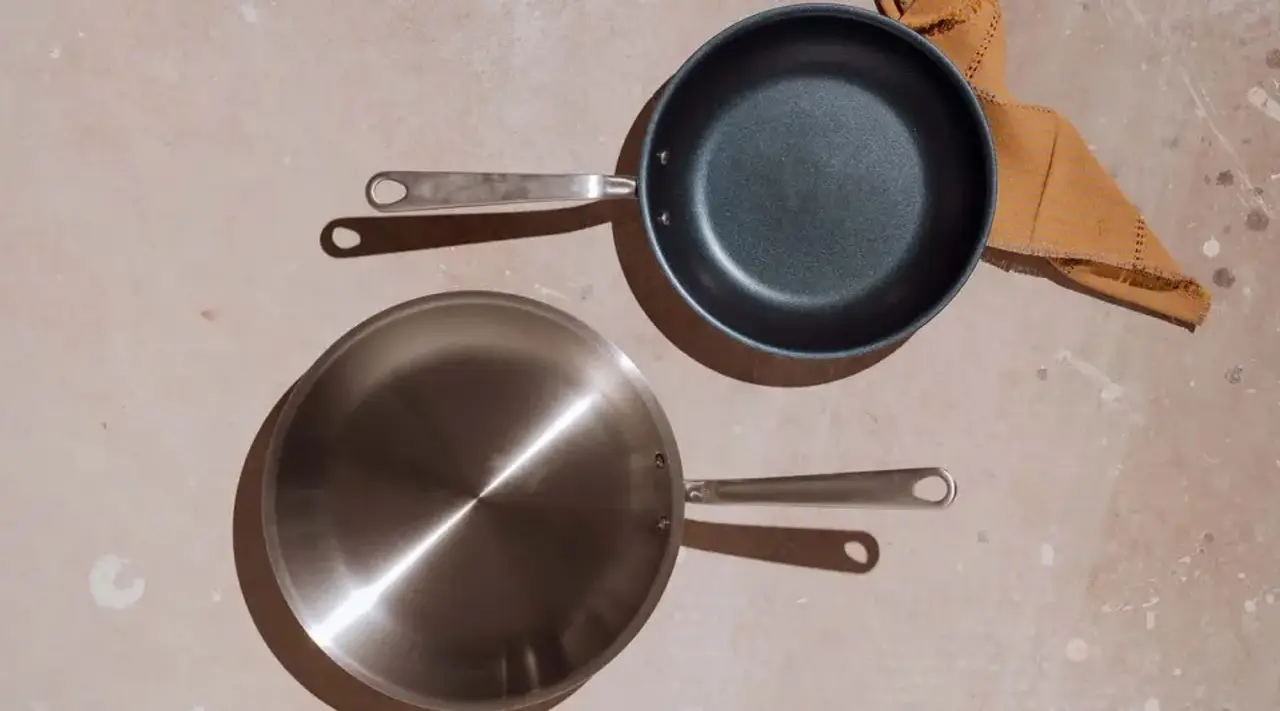
Stainless steel pans are made from a steel alloy that resists rust and corrosion, typically containing chromium and nickel. This material is incredibly durable and can withstand high heat without warping or degrading. Stainless steel cookware has been a kitchen staple for decades because it's reliable and long-lasting. Most professional kitchens rely on stainless steel pans because they can handle the demands of constant use and intense cooking temperatures.
The cooking surface of stainless steel is reactive, meaning it interacts with your food in ways that create flavor development through browning and caramelization. This reactivity is actually a feature, not a bug, for many serious cooks. When you sear a piece of meat or sauté vegetables in stainless steel cookware, the food makes direct contact with the hot metal, creating those delicious golden-brown edges that add depth to your dishes. I've noticed that stainless steel pans give you more control over the cooking process because you can feel and see exactly what's happening to your food.
:max_bytes(150000):strip_icc()/Nonstick-vs-Stainless-Steel-908922-V4-DD1-4b1f258a71f8407fb69d4e7506ab42b6.png)
What Are Nonstick Pans?
Nonstick pans feature a special coating, typically made from polytetrafluoroethylene (PTFE) or ceramic compounds, that prevents food from sticking to the surface. This coating allows you to cook with minimal oil or butter, making meals lighter and healthier. The nonstick surface also makes cleanup incredibly quick and easy—just a quick wash and you're done. These pans have become popular in home kitchens because they're forgiving and user-friendly.
Nonstick cookware is perfect for delicate foods like fish, eggs, and pancakes that normally require special handling and extra fat to prevent sticking. The coating reduces friction between the food and pan, so eggs literally slide around without any effort. Over the years, I've recommended nonstick pans to people who are intimidated by cooking because they remove one major source of stress and frustration. However, nonstick coatings have a limited lifespan and require gentle care to maintain their effectiveness.

Heat Distribution and Cooking Performance
Stainless steel pans excel at heat distribution when they have a heavy bottom or copper or aluminum core bonded to the steel. A quality stainless steel pan heats evenly across the entire surface, preventing hot spots that can burn your food unevenly. The thickness of the pan matters significantly—heavier stainless steel cookware distributes heat more consistently than thin, flimsy options. I always recommend investing in stainless steel pans with at least a three-ply construction, which means they have layers of different materials sandwiched together for superior heat distribution.
Nonstick pans also conduct heat well, but they have some limitations at high temperatures. Many nonstick coatings can break down if exposed to heat above 500 degrees Fahrenheit, so you can't use them for high-heat searing or broiling. However, for everyday cooking tasks like scrambling eggs, making pancakes, or sautéing vegetables at moderate temperatures, nonstick pans perform beautifully. The lower heat limit isn't a problem for most home cooks since everyday meals rarely require extreme temperatures. In my experience, understanding your typical cooking temperature range helps determine which pan type suits you best.

Durability and Longevity
Stainless steel pans are built to last a lifetime with proper care. These pans won't chip, scratch, or degrade from normal cooking and cleaning activities. I have stainless steel pans in my kitchen that my parents gave me fifteen years ago, and they still perform like new. The only way to truly ruin a stainless steel pan is to neglect it severely or expose it to extreme physical damage. This longevity makes stainless steel cookware an excellent investment, even though the upfront cost is higher.
Nonstick pans have a limited lifespan because the coating gradually deteriorates with use and heat exposure. Most nonstick coatings last between three and five years with careful handling, and some may even fail sooner if you're not gentle with them. Once the coating starts peeling or flaking, the pan becomes less effective and potentially unsafe for cooking. To extend the life of nonstick cookware, you need to use wood or silicone utensils, avoid high heat, and hand wash instead of using the dishwasher. While nonstick pans eventually need replacement, their affordability means this isn't necessarily a deal-breaker for many households.
Maintenance and Care Requirements
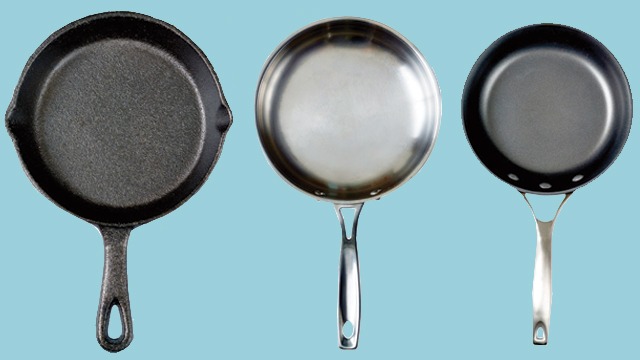
Stainless steel pans require a bit more effort to maintain than nonstick options, but the payoff is worthwhile. You can clean stainless steel cookware aggressively without worrying about damaging the surface—throw it in the dishwasher or scrub it with abrasive sponges without concern. Stainless steel can develop water spots and discoloration from mineral deposits, but these are purely cosmetic issues that don't affect performance. If you want your stainless steel pans to look pristine, you can use a specialized stainless steel cleaner or rubbing alcohol to restore their shine.
Nonstick pans demand gentler treatment to preserve their coating and maintain their nonstick properties. Always hand wash nonstick cookware with soft sponges and avoid abrasive scrubbing pads that can scratch the coating. Never use metal utensils on nonstick surfaces—stick to wood, silicone, or plastic tools instead. While this extra care might seem inconvenient, it takes just a minute or two after cooking. I find that many people don't mind the gentler care requirements because they appreciate how quickly nonstick pans clean up after meals.

Price and Value Consideration
Nonstick pans are generally more affordable than quality stainless steel cookware. You can find decent nonstick pans for twenty to fifty dollars, making them accessible to any budget. This lower price point makes it easy to try nonstick cooking without a major investment. However, remember that nonstick pans need replacing every few years, so the long-term cost adds up. After calculating the replacement cost over a decade, many people actually spend more on nonstick cookware than they would have spent on one good stainless steel pan.
Quality stainless steel cookware costs more upfront, often ranging from fifty to two hundred dollars or more per pan depending on brand and quality. The initial investment is substantial, but when you spread that cost across fifteen or twenty years of use, the annual cost becomes very reasonable. I've always viewed stainless steel pans as an investment in better cooking and less frustration. Many people find the upfront cost worth it because they end up with superior cooking control and durability. If you're just starting out or have a tight budget, nonstick pans offer better short-term value, but stainless steel delivers superior long-term value.
Cooking Versatility and Technique Control
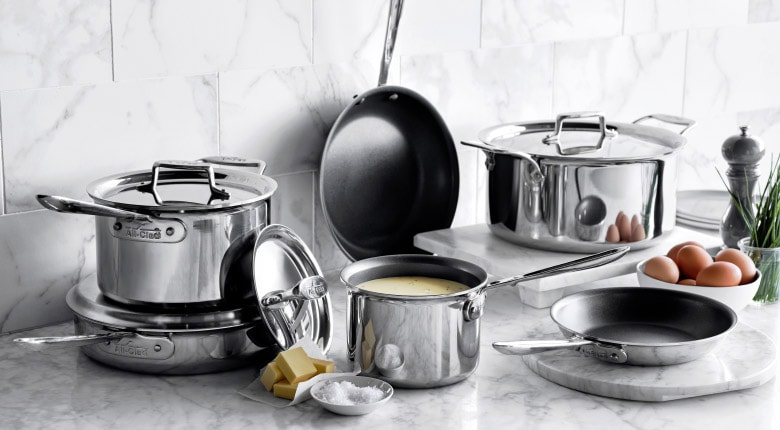
Stainless steel pans give you more cooking versatility and control over your techniques. These pans work for virtually any cooking method—searing, sautéing, deglazing, simmering, and even oven cooking at high temperatures. The reactive surface of stainless steel means you can develop fond (those browned bits at the bottom of the pan) to create delicious pan sauces that elevate your meals. Experienced cooks love stainless steel because it responds to their technique and rewards good cooking habits. You can adjust heat quickly and see immediate results in how your food browns and cooks.
Nonstick pans excel at specific tasks but fall short in versatility. They're perfect for eggs, pancakes, delicate fish, and other foods that easily stick to regular pans. However, the nonstick coating limits your ability to develop the Maillard reaction, which creates those flavorful browned surfaces on meat and vegetables. You also can't deglaze nonstick pans with wine or stock because the coating might be damaged by acidic liquids over time. In my experience, having both types of pans in your kitchen gives you the best of both worlds. You can use stainless steel for technique-driven cooking and nonstick for everyday convenience.
Health and Safety Considerations
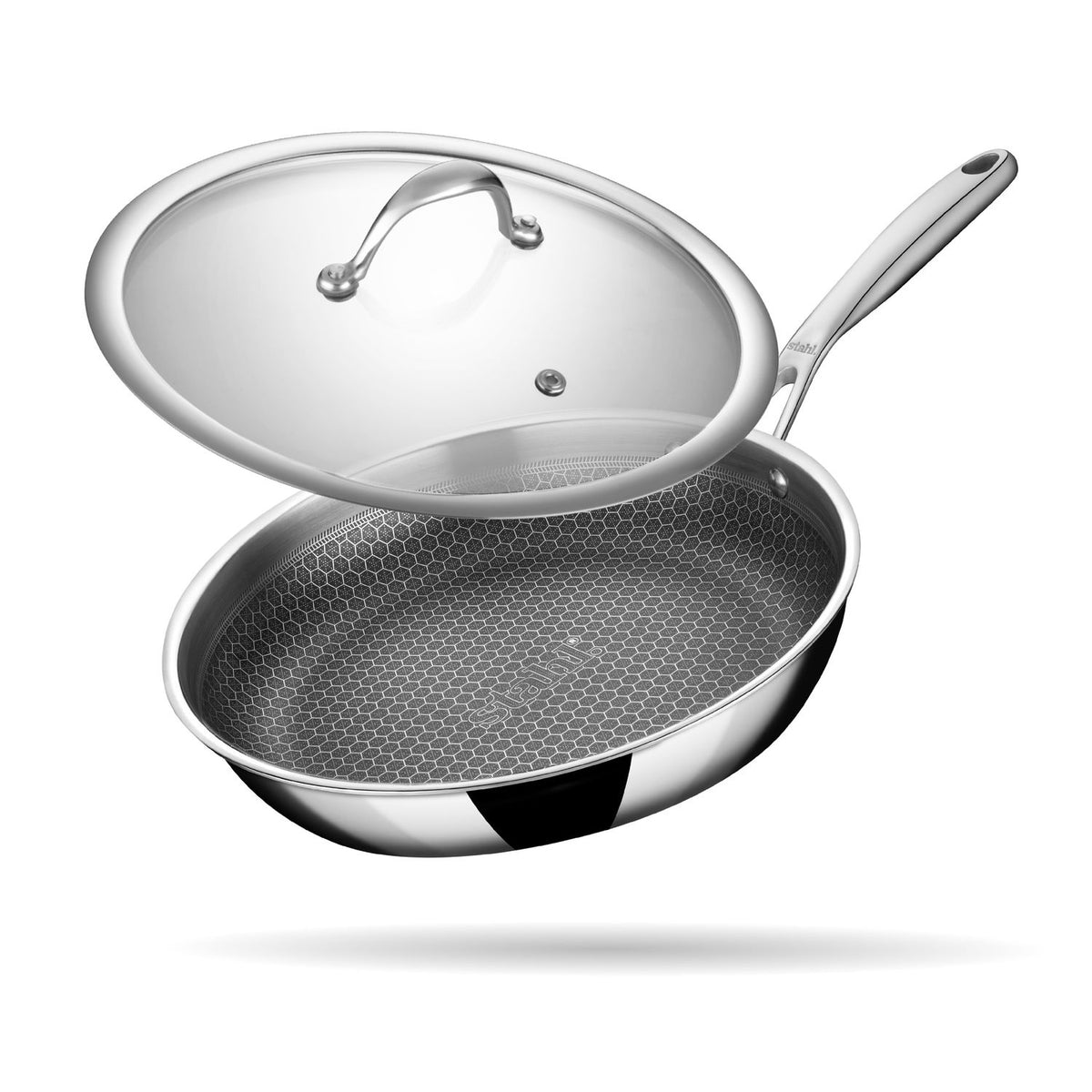
For decades, people worried about the safety of nonstick coatings, particularly older formulations that contained PFOA (perfluorooctanoic acid). Manufacturers phased out PFOA in most nonstick cookware sold in the United States around 2013, making modern nonstick pans significantly safer. Today's nonstick coatings are considered safe for normal cooking use when you follow proper temperature guidelines. The nonstick coating stays intact as long as you don't overheat the pan or damage it, so there's minimal risk of coating particles entering your food. Research consistently shows that properly maintained nonstick cookware poses no significant health risks for everyday cooking.
Stainless steel is completely inert and won't leach anything into your food regardless of cooking temperature or food type. This makes stainless steel the safest option from a material perspective, with no concerns about coatings degrading or particles entering your diet. Some stainless steel cookware contains nickel, which might concern people with nickel allergies, but the amount is usually minimal and doesn't migrate into food. Both pan types are safe for your family when used as intended, but stainless steel offers absolute peace of mind for health-conscious cooks. If you have specific health concerns, stainless steel eliminates any doubt or worry.

Environmental Impact
Stainless steel pans are better for the environment because they last for decades. A single stainless steel pan eliminates the need to purchase and dispose of multiple nonstick pans over the same period. Manufacturing one durable pan has less environmental impact than manufacturing five or six disposable pans, even though individual manufacturing processes might be similar. Stainless steel is also fully recyclable, so when your pan finally reaches the end of its life, it can be completely reclaimed and reused. The long lifespan makes stainless steel the more sustainable choice for environmentally conscious consumers.
Nonstick pans have a higher environmental cost because they need frequent replacement. Manufacturing each new pan requires resources and energy, and disposing of old nonstick pans properly is important because the nonstick coating shouldn't end up in landfills. While some manufacturers have improved the sustainability of nonstick cookware, the inherent need for replacement makes it less environmentally friendly than stainless steel. If you're concerned about your environmental footprint, investing in quality stainless steel cookware is a more responsible choice. Even if you occasionally use nonstick pans for specific purposes, making stainless steel your primary cookware reduces waste and environmental impact.
When to Choose Stainless Steel Pans
Choose stainless steel pans if you want to develop your cooking skills and take control over your cooking techniques. These pans reward good technique with beautiful browning and flavor development that nonstick simply can't match. If you enjoy cooking diverse meals and want versatility, stainless steel handles every situation from delicate fish to aggressive searing of beef. Stainless steel is ideal if you plan to keep your cookware for many years and want an investment that pays dividends over time. If you frequently cook at high temperatures, use your oven for finishing dishes, or deglaze pans to make sauces, stainless steel is essential.
I recommend stainless steel to anyone who finds cooking enjoyable and wants to expand their culinary abilities. Stainless steel pans feel substantial and professional in your hands, giving you confidence that encourages experimentation. If budget allows and you cook regularly, stainless steel cookware will transform your cooking experience. These pans also work beautifully for meal preparation, entertaining guests, and any cooking that requires precision and control. The learning curve is steeper than with nonstick, but the rewards are absolutely worth the effort.
When to Choose Nonstick Pans
Choose nonstick pans if you value convenience and easy cleanup over cooking control. These pans are perfect for busy weeknights when you want quick meals without fussing over technique. If you frequently cook eggs, pancakes, fish, or other delicate foods that stick easily, nonstick pans make these tasks foolproof. Nonstick cookware is ideal for beginning cooks who want to build confidence without worrying about food sticking or burning. If you have limited storage space or prefer minimal maintenance, nonstick pans require less care than stainless steel alternatives.
I suggest nonstick pans for families with young children who need reliable, forgiving cookware for everyday meals. These pans also work well if you're health-conscious and want to minimize oil usage while cooking. If you have limited time for cooking and prefer straightforward, no-stress meal preparation, nonstick pans deliver exactly that. They're particularly valuable if someone in your household finds traditional cooking intimidating or frustrating. Many well-rounded kitchens include both stainless steel and nonstick pans, using each type for its specific strengths.
My Personal Experience and Recommendations
I started my cooking journey exclusively with nonstick pans because they were affordable and stress-free. I made decent meals but always felt limited by what I could achieve. When I finally invested in a quality stainless steel pan, everything changed—I suddenly understood browning, fond, and flavor development in ways that transformed my cooking. I still use nonstick pans for quick weeknight breakfasts and specific tasks like making delicate crepes, but stainless steel became my go-to for serious cooking. This combination gives me the best of both worlds, and I've found that having both types available makes kitchen work easier and more enjoyable.
Through years of cooking and testing cookware, I've learned that the "best" pan depends entirely on your needs and preferences. If I had to choose just one type, I'd pick stainless steel because the learning curve pays off with superior results and lasting value. However, I understand that not everyone prioritizes cooking control the same way I do. Some people genuinely prefer the convenience and reliability of nonstick cookware for their busy lifestyles. The key is understanding your cooking habits, preferences, and budget, then making a choice that aligns with how you actually cook.
Frequently Asked Questions
Is it safe to use nonstick pans at high temperatures?
Nonstick pans are designed for low to medium-high heat, typically up to 400-500 degrees Fahrenheit. Exposing nonstick cookware to temperatures beyond this range can damage the coating and potentially release harmful fumes, so stick to moderate heat and always follow manufacturer guidelines.
Can you use metal utensils on stainless steel pans?
Yes, metal utensils are completely safe on stainless steel pans and won't damage the cooking surface. You can use metal spoons, spatulas, and whisks freely without concern, and many cooks prefer metal utensils because they're durable and conduct heat well.
How do I prevent food from sticking in a stainless steel pan?
Preheat your stainless steel pan thoroughly and allow a thin layer of oil to heat until it shimmers. Let food develop a golden crust before attempting to move it—the food will naturally release when it's ready, and attempting to move it too early causes sticking.
Do all nonstick coatings contain harmful chemicals?
Modern nonstick cookware manufactured in the United States no longer contains PFOA, which was phased out around 2013. Today's nonstick coatings are considered safe when used as directed and not overheated, though some people prefer stainless steel for absolute peace of mind.
Can nonstick pans go in the oven?
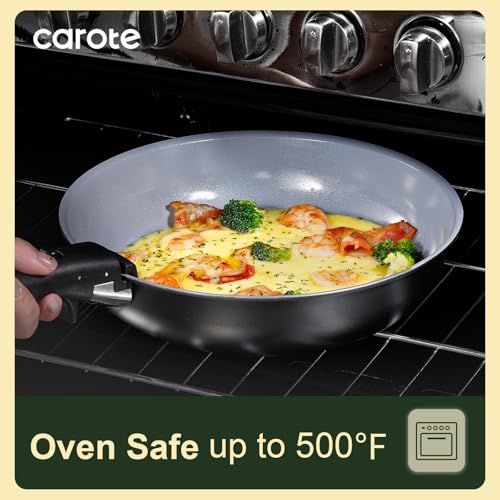
Many nonstick pans are oven-safe up to 350-400 degrees Fahrenheit, depending on the brand and handle construction. Always check your specific pan's manufacturer guidelines before using it in the oven, as some nonstick coatings break down at high temperatures.
What's the best way to clean stainless steel pans?
Stainless steel pans can be washed with soap and hot water or placed in the dishwasher without concern. For stubborn food, you can use abrasive sponges or Bar Keeper's Friend. To restore shine, use a microfiber cloth with stainless steel cleaner or a little rubbing alcohol.
Conclusion
Choosing between stainless steel and nonstick pans boils down to understanding your cooking style and priorities. Stainless steel pans deliver superior durability, versatility, and cooking control that rewards technique and experimentation. Nonstick pans offer convenience, ease of use, and low-stress cooking for busy schedules and everyday meals. Neither option is universally superior—each excels in different situations and appeals to different cooks.
The smartest approach is considering your actual cooking habits and deciding which benefits matter most to you. If you cook frequently and enjoy developing your skills, invest in quality stainless steel cookware despite the higher upfront cost. If you prioritize quick cleanups and straightforward meal preparation, nonstick pans deliver genuine value and satisfaction. Many experienced home cooks keep both types on hand, using each for its specific strengths and creating a kitchen that's both functional and inspiring.
Start by identifying your primary cooking needs and budget, then make a choice you can confidently stand behind. Whether you choose stainless steel, nonstick, or both, quality cookware will enhance your cooking experience and make time in the kitchen more enjoyable. Take action today by assessing your kitchen needs and selecting the pan type that aligns with your cooking vision and lifestyle.

Leave a Reply