
Stainless steel wins for searing and durability; nonstick shines for easy, delicate cooking.
On weeknights, I want zero fuss eggs. On weekends, I crave a deep sear and fond for pan sauces. That’s the stainless steel vs nonstick cookware dilemma in my kitchen. I’ve cooked on both for months, side by side. Each has a clear lane. I’ll share what worked, what didn’t, and help you pick the right set for how you actually cook.
Is stainless steel cookware Good?
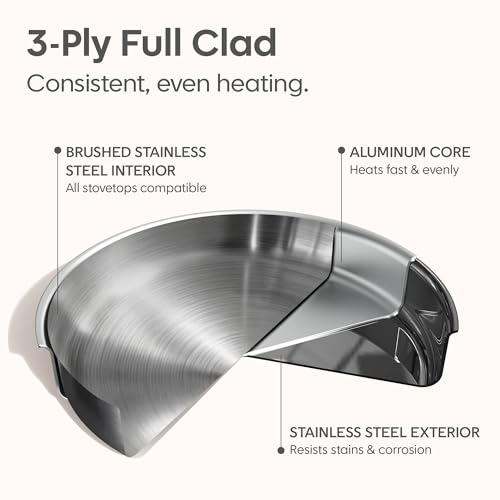
Yes—if you want durability, high heat, and great browning. Stainless steel cookware rewards good technique and gives you flavor-packed fond. It is ideal for steaks, chops, and sautéed veggies. It also handles the oven and broiler with ease. For new cooks, there is a learning curve. But once you get it, results are repeatable and bold.
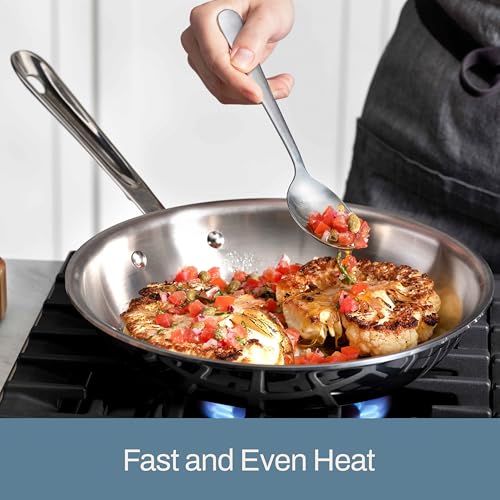
In my tests, stainless shone on searing nights. I pressed down a ribeye, and the crust sang. Deglazing with wine lifted a rich sauce in seconds. I also love it for batch cooking. I can go from stovetop to oven without worry. For stainless steel vs nonstick cookware, stainless is my pick for power and longevity.

What Makes It Stand Out / Key Features
- Excellent searing and fond formation for sauces
- Oven and often broiler safe at high temps
- Durable surface that tolerates metal tools
- Induction-friendly with proper base
- Even heating when multi-ply or clad
What I Like
- Reliable browning that boosts flavor fast
- Handles high heat without fear
- No coating to baby or replace
- Moves from stovetop to oven smoothly
- Works on gas, electric, and induction
- Great control once you master heat and preheat
What Could Be Better
- Food can stick if heat or oil is off
- Requires technique and patience to learn
- Can be heavier than nonstick pans
My Recommendation
If you sear often, love pan sauces, and want a set that lasts, go stainless. It’s a long-term buy with high value.
| Best For | Why |
|---|---|
| Serious searing | Builds crust and fond at high heat |
| Oven-to-stovetop cooking | High temperature tolerance and versatility |
| Long-term value | No fragile coating to replace |
Is nonstick cookware Good?
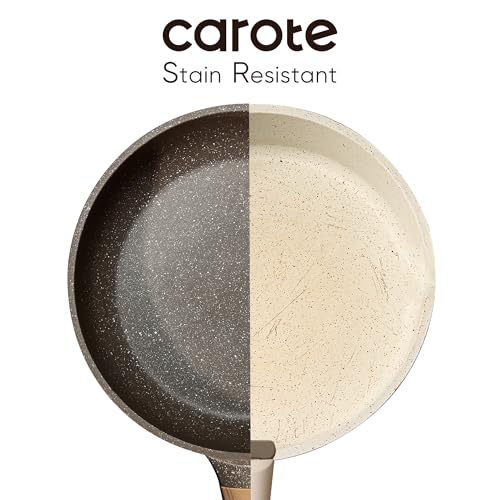
It depends—but for eggs, fish, and sticky foods, it’s a big yes. Nonstick cookware makes quick work of breakfasts and delicate proteins. You can use less oil and still get easy release. It is perfect for busy mornings and simple weeknight meals. If you value speed and stress-free cleanup, it delivers.
In my tests, the nonstick pan earned its keep on omelet duty. Zero tearing. Pancakes slid out like a magic trick. Salmon fillets kept their skin intact with low heat. For stainless steel vs nonstick cookware, I reach for nonstick when I want fast results and easy cleanup. Just keep heat moderate and skip metal tools.

What Makes It Stand Out / Key Features
- Ultra-easy food release for eggs and fish
- Low-oil cooking for lighter meals
- PFOA-free coatings common today
- Fast cleanup with soft sponge
- Lightweight, easy to handle
What I Like
- Breakfast is foolproof and fast
- Delicate foods stay intact
- Less oil, fewer messes
- Quick rinse and done
- Great for new cooks and busy homes
What Could Be Better
- Shorter lifespan if overheated or scratched
- Usually not broiler-safe
- Needs gentler tools and lower heat
My Recommendation
If you cook eggs, pancakes, or fish often and want fast cleanup, get nonstick. It saves time and stress.
| Best For | Why |
|---|---|
| Delicate foods | Easy release at moderate heat |
| Quick breakfasts | Zero-stick eggs and pancakes |
| Beginner cooks | Simple to use with less technique |
stainless steel vs nonstick cookware: Side-by-Side Test
I cooked the same recipes back to back to compare stainless steel vs nonstick cookware in real use. Here’s how they stack up across key areas that matter in a busy kitchen.
Heat Performance & Searing: Which One Nails the Crust?
Both can cook well, but they behave differently under heat.
| Aspect | Stainless Steel | Nonstick |
|---|---|---|
| Heat distribution | Even with multi-ply | Even but prefers medium heat |
| Searing power | Excellent crust and fond | Fair; coating limits browning |
| Max oven/broiler | High; often broiler-safe | Lower; rarely broiler-safe |
| Responsiveness | Quick with clad cores | Moderate |
Rating: Stainless steel – 9/10 | Nonstick – 6/10
Stainless steel wins for searing and sauce-making thanks to fond and high-heat tolerance.
Ease of Use & Food Release: Which Is More Forgiving?
Release and low-stress cooking favor one side.
| Aspect | Stainless Steel | Nonstick |
|---|---|---|
| Eggs and pancakes | Tricky without skill | Effortless release |
| Fish fillets | Can stick if rushed | Slides off cleanly |
| Oil needed | Moderate for release | Very little |
| Beginner-friendly | Medium | High |
Rating: Stainless steel – 6/10 | Nonstick – 9/10
Nonstick takes it for stress-free release and simple, low-oil cooking.
Durability & Lifespan: Which Lasts Longer?
How they handle time, tools, and heat matters.
| Aspect | Stainless Steel | Nonstick |
|---|---|---|
| Metal utensil tolerance | Yes | Usually no |
| Heat damage risk | Low | Higher if overheated |
| Lifespan | Very long | Coating wears over time |
| Refinishing need | None | Eventually replace pan |
Rating: Stainless steel – 9/10 | Nonstick – 6/10
Stainless steel is the clear winner for long-term durability and tool freedom.
Versatility & Compatibility: Which Does More Jobs?
Think stovetop types, oven use, and cooking styles.
| Aspect | Stainless Steel | Nonstick |
|---|---|---|
| Oven-to-stovetop | Excellent | Limited by coating |
| Broiler use | Often safe | Usually not safe |
| Induction | Commonly compatible | Often compatible |
| High-heat stir-fry | Strong | Not ideal |
Rating: Stainless steel – 8.5/10 | Nonstick – 7/10
Stainless steel edges out for oven, broiler, and high-heat tasks.
Cleaning & Care: Which Is Faster?
Cleanup speed and effort can change your nightly routine.
| Aspect | Stainless Steel | Nonstick |
|---|---|---|
| Everyday cleanup | Needs soak or scrub | Quick wipe-out |
| Dishwasher use | Often safe | Hand-wash recommended |
| Stain handling | Bar keepers friend helps | Coating can stain if overheated |
| Time to clean | Longer | Short |
Rating: Stainless steel – 7/10 | Nonstick – 9/10
Nonstick wins for fast, low-effort cleanup on busy days.
Health & Safety: Which Feels Safer to Use?
Both are safe when used as directed, with key differences.
| Aspect | Stainless Steel | Nonstick |
|---|---|---|
| Reactivity | Non-reactive | Non-reactive surface |
| Overheat tolerance | Very high | Keep to medium heat |
| Tool safety | Metal OK | Use wood/silicone |
| Off-gassing risk | None | Low if overheated; avoid empty preheat |
Rating: Stainless steel – 9/10 | Nonstick – 7.5/10
Stainless steel offers wider safety margins at high heat and with any tools.
Value for Money: Which Pays Off?
Cost now vs. cost later is the key value lens.
| Aspect | Stainless Steel | Nonstick |
|---|---|---|
| Initial price | Moderate to high | Low to moderate |
| Replacement cycle | Rare | Every few years |
| Total cost over time | Often lower long-term | Can add up with replacements |
| Everyday utility | Great if you sear/oven cook | Great if you cook delicate foods |
Rating: Stainless steel – 8.5/10 | Nonstick – 8/10
Value is close; stainless wins long-term, nonstick wins for short-term ease.
Final Verdict: Which Should You Buy?
For stainless steel vs nonstick cookware, match the tool to the job. Pick stainless steel if you love searing, pan sauces, and high-heat cooking. It lasts longer, takes a beating, and works in the oven and often under the broiler.
Choose nonstick if you cook eggs, pancakes, or fish often and want fast cleanup. It is easy, light, and friendly for new cooks. My own kitchen keeps both. One stainless skillet and one nonstick pan cover 90% of meals.
FAQs Of stainless steel vs nonstick cookware
What is the main difference in stainless steel vs nonstick cookware?
Stainless steel excels at high heat, searing, and sauces. Nonstick is best for easy release and quick cleanup with delicate foods.
Which is better for beginners in stainless steel vs nonstick cookware?
Nonstick. It is more forgiving, needs less oil, and makes eggs and fish simple.
Can I use metal utensils in stainless steel vs nonstick cookware?
Yes for stainless steel. Avoid metal on nonstick to protect the coating.
Which lasts longer in stainless steel vs nonstick cookware?
Stainless steel. It can last decades. Nonstick coatings wear and need replacement over time.
What should I buy first in stainless steel vs nonstick cookware?
Get one stainless steel skillet for searing and one nonstick skillet for eggs and fish. This combo covers most recipes and budgets.

Leave a Reply