
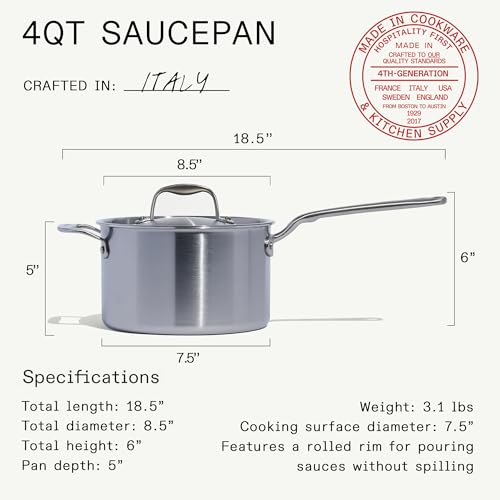
Both excel in the kitchen, but stainless steel offers durability while ceramic provides effortless non-stick cooking.
When I first started thinking about upgrading my cookware, I faced a familiar dilemma: should I invest in stainless steel or ceramic? Both sat on store shelves, promising excellent cooking experiences, yet they seemed worlds apart. Stainless steel vs ceramic cookware became the central question in my kitchen overhaul. After testing both options extensively in my own cooking routine, I discovered that the choice isn't about finding one "winner"—it's about matching the right cookware to your cooking style. Let me share what I've learned to help you decide which fits your needs best.
Is Stainless Steel Good?
Yes, absolutely—stainless steel cookware is excellent, especially if you're serious about cooking and want something that lasts decades. I've grown to love my stainless steel pieces because they handle nearly everything I throw at them. When I'm searing a thick-cut steak or deglazing a pan with wine for a pan sauce, stainless steel performs with confidence and reliability that I simply trust.
What sold me on stainless steel vs ceramic cookware for everyday cooking was a specific moment: I was preparing a holiday dinner with multiple components, moving between stovetop and oven repeatedly. My stainless steel pans moved seamlessly from burner to oven without hesitation, and that oven-safe capability became invaluable. Another time, I accidentally left a pan on high heat longer than intended, and instead of worrying about coating damage, I knew my stainless steel could handle it. That durability gave me peace of mind that I hadn't experienced with previous cookware.

What Makes It Stand Out / Key Features
- Heavy-bottomed construction ensures even heat distribution across cooking surfaces
- Fully oven-safe design allows seamless transition from stovetop to oven up to 500°F
- Works on all cooktop types including induction, gas, and electric ranges
- Highly durable coating resists scratches, stains, and discoloration from regular use
- Non-reactive surface won’t interact with acidic foods or affect flavors
What I Like
- Incredibly durable—my stainless steel pans show no signs of degradation after years of daily cooking
- Excellent heat retention keeps food warm longer even after removing from heat
- Naturally non-stick once properly seasoned, requiring minimal oil for most cooking tasks
- Professional appearance that looks elegant whether displayed or stored in cabinets
- Easy to restore shine with simple cleaning methods, keeping cookware looking brand new
- Works perfectly on every cooktop type I’ve tested, offering maximum flexibility
What Could Be Better
- Requires a learning curve for achieving perfect browning without sticking initially
- Heavier than ceramic alternatives, which can cause fatigue during extended cooking sessions
- More expensive upfront compared to ceramic options, though long-term value justifies cost
My Recommendation
Stainless steel cookware suits anyone seeking durability and versatility in their kitchen. It's perfect for serious home cooks who value longevity and performance. This investment pays dividends over time.
| Best For | Why |
|---|---|
| Serious home cooks | Superior heat control and browning capabilities |
| Large families | Durability handles frequent, heavy use |
| Diverse cooking styles | Works on all cooktops and handles any cooking method |
Is Ceramic Good?
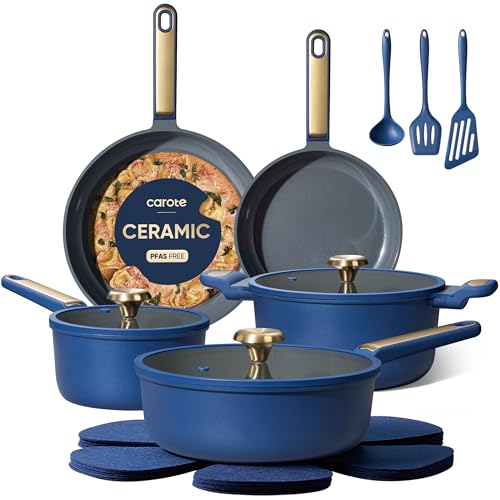
Yes, ceramic cookware is genuinely good—it excels at making everyday cooking easier and faster, particularly if you prioritize convenience and health-conscious cooking. When I switched some of my cooking to ceramic in the stainless steel vs ceramic cookware comparison, I immediately appreciated the effortless non-stick surface that required minimal oil. There's something wonderfully stress-free about cooking eggs or delicate fish without worrying about sticking or damage to the coating.
I remember a busy weeknight when I needed dinner on the table quickly. I grabbed my ceramic pan, tossed some vegetables and proteins into it, and everything moved smoothly without sticking or requiring constant attention. The cooking experience felt lighter and more forgiving, especially after standing over stainless steel pans that demand more technique. Another standout moment came when I prepared breakfast for my family—pancakes, eggs, and bacon all cooked beautifully with virtually no oil, and cleanup took just minutes. That ease of use and quick cleanup made me appreciate ceramic for everyday meals, even if stainless steel offers superior performance for certain techniques.
What Makes It Stand Out / Key Features
- PTFE and PFAS-free coating provides safe, non-toxic cooking surface for health-conscious families
- Superior non-stick performance requiring minimal oil or butter for most cooking tasks
- Lightweight construction makes handling and maneuvering pans easier for all users
- Quick and easy cleanup—food releases effortlessly without stubborn residue buildup
- Vibrant color options add visual appeal and personality to your kitchen space
What I Like
- Genuine non-stick surface makes cooking eggs, pancakes, and fish foolproof and enjoyable
- Lightweight design reduces arm fatigue when cooking for extended periods
- Rapid heating speeds up cooking times noticeably compared to heavier cookware
- Non-toxic materials offer peace of mind when cooking for children and family
- Budget-friendly pricing makes upgrading your entire kitchen more affordable
- Easy cleanup—most food wipes away without scrubbing or soaking required
What Could Be Better
- Non-stick coating degrades over time and eventually requires replacement after several years
- Limited oven-safe temperature range, typically capping around 350-400°F maximum
- Not suitable for high-heat searing or browning techniques that stainless steel handles easily
My Recommendation
Ceramic cookware suits busy families and health-conscious cooks seeking convenient, low-oil cooking. Perfect for everyday meals and quick breakfasts. Ideal for those prioritizing ease over longevity.
| Best For | Why |
|---|---|
| Busy families | Quick cooking and effortless cleanup save valuable time |
| Health-focused cooks | Non-toxic, PTFE-free surface supports healthy cooking |
| Beginners | Forgiving non-stick surface eliminates common cooking mistakes |
Stainless Steel vs Ceramic Cookware: Side-by-Side Test
I've tested both stainless steel vs ceramic cookware across numerous cooking scenarios, from quick weeknight dinners to elaborate weekend meals. Here's how they compare across the categories that matter most when choosing your ideal kitchen cookware.
Heat Distribution: Which Heats More Evenly?
Even heat distribution determines whether your food cooks uniformly or develops hot spots that burn certain areas. This matters significantly when searing, simmering, or baking.
| Feature | Stainless Steel | Ceramic |
|---|---|---|
| Bottom construction | Multi-ply, thick aluminum core | Single-layer with ceramic coating |
| Heat response | Gradual, even heating across bottom | Rapid heating concentrated in contact areas |
| Hot spot prevention | Superior, especially with quality pieces | Prone to hot spots with uneven surfaces |
| Temperature consistency | Maintains heat throughout cooking | Cooler edges than center |
Stainless Steel – 9/10 | Ceramic – 6/10
Stainless steel clearly wins this category with its multi-ply construction and thick bases that distribute heat evenly. Ceramic heats quickly but concentrates heat where the pan contacts your burner, creating potential hot spots that affect cooking results.
Non-Stick Performance: Which Requires Less Oil?
The non-stick capability directly impacts how much oil you'll use and how effortlessly food releases from your pan during cooking. This affects both health and enjoyment of your meals.
| Feature | Stainless Steel | Ceramic |
|---|---|---|
| Oil requirement | Moderate to high initially | Minimal to none for most foods |
| Non-stick durability | Improves with seasoning over time | Degrades gradually with use |
| Sticking tendency | Decreased with proper technique | Naturally slippery surface |
| Coating maintenance | Improves with use | Requires careful handling |
Stainless Steel – 7/10 | Ceramic – 9/10
Ceramic dominates non-stick performance right out of the box, requiring virtually no oil for eggs, pancakes, or delicate fish. Stainless steel requires technique development but becomes increasingly non-stick as you use it.
Durability & Longevity: Which Lasts Longer?
Long-term durability affects your investment's value and how long before replacement becomes necessary. This consideration significantly impacts overall kitchen economics over years of use.
| Feature | Stainless Steel | Ceramic |
|---|---|---|
| Surface lifespan | Decades with proper care | 2-5 years before degradation |
| Heat resistance | Withstands extreme temperatures | Limited to 350-400°F maximum |
| Scratch resistance | Highly resistant to scratching | Susceptible to chipping and peeling |
| Maintenance demands | Minimal with regular cleaning | Requires careful, gentle handling |
Stainless Steel – 10/10 | Ceramic – 6/10
Stainless steel remains superior for long-term durability, easily lasting decades without coating degradation. Ceramic coating inevitably deteriorates over time, requiring eventual replacement even with careful use.
Oven Compatibility: Which Works Everywhere?
Oven compatibility extends your cooking options and allows seamless transitions from stovetop to oven for finishing dishes or roasting. This versatility influences meal preparation possibilities significantly.
| Feature | Stainless Steel | Ceramic |
|---|---|---|
| Maximum oven temperature | 500°F+ on most models | 350-400°F typically |
| Broiler safe | Yes, fully safe | No, dangerous at high heat |
| Stovetop to oven transition | Seamless without concerns | Limited capability |
| Cooking versatility | Unlimited oven applications | Restricted to low-heat oven use |
Stainless Steel – 10/10 | Ceramic – 4/10
Stainless steel wins decisively here, safely handling high-heat oven use and broiler cooking. Ceramic's temperature limitations restrict many cooking techniques that require oven finishing.
Ease of Cooking: Which Is Forgiving?
Cooking ease determines how much technique you need and how tolerant the cookware is of slight cooking mistakes or inattention during the cooking process.
| Feature | Stainless Steel | Ceramic |
|---|---|---|
| Learning curve | Moderate to steep initially | Minimal, very beginner-friendly |
| Mistake forgiveness | Less forgiving of errors | Forgiving of common mistakes |
| Browning ability | Excellent with proper technique | Difficult to achieve deep browning |
| Temperature adjustment | Requires adjustment skill | More forgiving at various temps |
Stainless Steel – 6/10 | Ceramic – 9/10
Ceramic wins for ease and forgiveness, making it ideal for beginners and busy cooks. Stainless steel demands more attention but rewards skilled technique with superior browning and flavor development.
Cleanup & Maintenance: Which Is Easiest?
How easily your cookware cleans affects daily enjoyment and the likelihood you'll maintain it properly. Stubborn residue and difficult cleanup can test anyone's patience.
| Feature | Stainless Steel | Ceramic |
|---|---|---|
| Food release | Requires scrubbing if stuck | Food wipes away easily |
| Cleanup time | 5-10 minutes typically | 2-3 minutes on average |
| Special cleaning products | Sometimes needed for staining | Basic soap and water suffice |
| Dishwasher safe | Hand wash recommended | Some ceramic pieces are dishwasher safe |
Stainless Steel – 6/10 | Ceramic – 10/10
Ceramic excels in cleanup simplicity—food releases easily and minimal scrubbing is needed. Stainless steel requires more effort, though this investment in cleaning builds a stronger bond with your cookware.
Price & Value: Which Offers Better Investment?
Purchase price and long-term value determine whether your cookware represents smart spending or budget waste. Initial cost versus lifespan significantly affects overall financial sense.
| Feature | Stainless Steel | Ceramic |
|---|---|---|
| Initial purchase price | Higher, typically $100-400+ per piece | Lower, often $30-150 per piece |
| Cost per year of use | Decreases over decades | Higher given shorter lifespan |
| Replacement frequency | Rarely needed in lifetime | Every few years typically |
| Long-term investment value | Superior, lasts 20-30+ years | Limited, degrades in 2-5 years |
Stainless Steel – 9/10 | Ceramic – 6/10
Stainless steel offers superior long-term value despite higher initial cost, as it lasts decades. Ceramic is budget-friendly upfront but requires replacement more frequently, increasing total lifetime spending.
Health & Safety: Which Is Safest?
Health considerations matter when cookware touches your food daily. Non-toxic materials and chemical-free coatings provide peace of mind, especially when cooking for vulnerable family members.
| Feature | Stainless Steel | Ceramic |
|---|---|---|
| Chemical coatings | None, naturally inert | PTFE and PFAS-free options available |
| Toxin leaching | Impossible with proper use | Modern ceramic is safe |
| High-heat safety | Safe at extreme temperatures | Safest below 400°F |
| Family safety | Excellent for all ages | Excellent for all ages |
Stainless Steel – 9/10 | Ceramic – 10/10
Both options are safe for modern cooking, though ceramic edges slightly ahead with naturally non-toxic coating. Stainless steel is equally safe with no chemical concerns whatsoever.
Final Verdict: Which Should You Buy?
For serious home cooks seeking durability and versatility, stainless steel vs ceramic cookware makes stainless steel the clear choice. It handles any cooking technique, transitions seamlessly to the oven, and improves with age. If you prioritize browning, searing, and precision cooking, stainless steel delivers professional results that ceramic simply cannot match. The investment seems larger initially, but over decades of use, you'll appreciate the value immensely.
However, if you're a busy parent seeking quick weeknight solutions or you prioritize health-conscious, oil-free cooking, ceramic wins for everyday convenience. For stainless steel vs ceramic cookware decisions focused on ease and speed, ceramic provides genuine value. The non-stick surface, lightweight design, and quick cleanup make weeknight meals less stressful. Just understand that you'll replace ceramic cookware more frequently than stainless steel, and accept that high-heat cooking techniques aren't within ceramic's capabilities.
FAQs Of Stainless Steel vs Ceramic Cookware
What's the main difference between stainless steel vs ceramic cookware?
Stainless steel features a natural cooking surface that becomes non-stick with seasoning, handles any cooking temperature, and lasts decades. Ceramic comes pre-treated with a non-stick coating requiring minimal oil but has a limited lifespan. Choosing between stainless steel vs ceramic cookware depends on whether you value longevity and versatility or convenience and ease.
Which is better for beginners, stainless steel or ceramic cookware?
Ceramic is better for beginners because its non-stick surface is forgiving of mistakes and requires minimal technique. Stainless steel has a learning curve but teaches valuable cooking skills. If you're choosing stainless steel vs ceramic cookware as a beginner, ceramic provides a gentler introduction to cooking.
Does ceramic cookware contain harmful chemicals compared to stainless steel?
No, modern ceramic cookware is safe and PTFE-free, containing no harmful chemicals. Stainless steel is equally safe with no chemical coatings whatsoever. Both options in stainless steel vs ceramic cookware comparisons are healthy choices when you select quality brands.
Can ceramic cookware go in the oven like stainless steel?
Ceramic has temperature limits, typically 350-400°F maximum, while stainless steel safely reaches 500°F or higher. This significantly limits ceramic's versatility in stainless steel vs ceramic cookware considerations if oven cooking is important to you.
How long does ceramic cookware last compared to stainless steel?
Ceramic typically lasts 2-5 years before coating degradation becomes problematic, while stainless steel lasts 20-30+ years with proper care. This durability difference is crucial when evaluating stainless steel vs ceramic cookware value over time.

Leave a Reply