
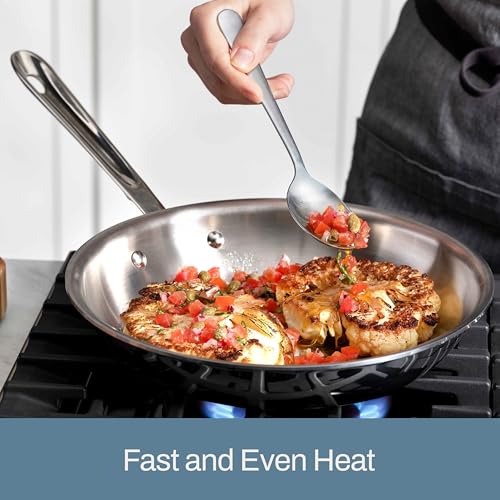
Stainless steel excels at low-maintenance cooking; carbon steel offers superior heat retention and seasoning benefits.
When I first started experimenting with different cookware in my kitchen, I faced a common dilemma: should I invest in shiny stainless steel pans or try the rustic charm of carbon steel? Both promise excellent cooking results, but they work quite differently. I've spent months testing stainless steel vs carbon steel cookware in real kitchen situations, and I've discovered that each has distinct advantages depending on your cooking style. Stainless steel cookware gives you convenience and durability, while carbon steel delivers exceptional heat distribution and develops a natural non-stick seasoning over time. Let me walk you through my hands-on experience with both to help you decide which fits your kitchen best.
Is Stainless Steel Cookware Good?
Yes, absolutely—stainless steel cookware is excellent, and I'd recommend it for most home cooks. It's the workhorse of my kitchen, handling everything from delicate fish to robust sauces without fuss. Stainless steel doesn't react with acidic foods, which means I can confidently simmer tomato-based dishes without worrying about metallic flavors or discoloration. The material maintains its appearance for years, staying bright and pristine without requiring special maintenance or seasoning routines.
I remember preparing a complex pan sauce for duck breast last winter—the kind that demands deglazing with wine and vinegar. My stainless steel cookware handled this acidic mixture beautifully without any concern. Another time, I roasted vegetables in the oven using my stainless steel pans set to 400°F, and they performed flawlessly without warping. This reliability gives me confidence when experimenting with new recipes or cooking techniques.

What Makes It Stand Out / Key Features
- Non-reactive surface that won’t interact with acidic or alkaline ingredients
- Durable construction that resists staining, scratching, and corrosion over decades
- Compatible with all cooktops, including induction ranges
- Oven-safe design allowing seamless transition from stovetop to oven cooking
- Polished exterior that maintains its professional appearance without seasoning
What I Like
- Zero maintenance required—just wash with soap and water after each use
- Perfect for acidic foods like vinegars, tomatoes, and citrus without affecting flavor
- Excellent heat distribution through layered construction in quality pieces
- Beautiful appearance stays intact without needing to preserve a patina
- Incredibly forgiving for beginners who are still learning temperature control
- Works beautifully for both everyday meals and special occasion cooking
What Could Be Better
- Requires proper technique to prevent food from sticking initially before seasoning develops
- Heavier than some alternatives, which can be tiring during extended cooking sessions
- Takes longer to heat up compared to thinner-bottomed cookware options
My Recommendation
Stainless steel cookware works wonderfully for cooks who value simplicity and versatility. It's ideal if you don't want to maintain a seasoning layer and prefer cookware that handles acidic ingredients without concern.
| Best For | Why |
|---|---|
| Everyday cooking | No special maintenance required |
| Acidic foods | Won't react with tomatoes or vinegar |
| Busy cooks | Forgiving and easy to clean |
Is Carbon Steel Cookware Good?
Yes, carbon steel is genuinely excellent—it's just different from stainless steel. Carbon steel cookware quickly became my favorite once I understood its unique characteristics and what it offers. Carbon steel heats faster than stainless steel and develops a natural non-stick seasoning with use, similar to cast iron but lighter and more responsive. The thinner construction means it warms up quickly and responds instantly to temperature adjustments, which I love when I'm making dishes that demand precision.
I discovered carbon steel's magic while preparing a batch of restaurant-quality stir-fry. The instant heat response let me work quickly without burning anything, and the pan's natural seasoning prevented sticking beautifully. Another memorable moment came when I needed to sear scallops perfectly—the carbon steel's rapid heating gave me that gorgeous golden crust I was after. Once you establish a proper seasoning, carbon steel becomes increasingly non-stick naturally, making it feel like a premium investment that improves over time.

What Makes It Stand Out / Key Features
- Lightweight construction that’s easier to handle than cast iron or thicker stainless steel
- Rapid heat conduction for quick, responsive cooking with immediate temperature control
- Develops a natural seasoning layer that becomes more non-stick over time
- Works on all cooktop types including induction with proper base construction
- Excellent heat retention despite being thinner than traditional cast iron
What I Like
- Heats up incredibly fast, saving me time in the kitchen
- Seasoning improves with every use, making it more non-stick naturally
- Lighter weight makes it comfortable to handle and maneuver during cooking
- Exceptional browning and searing capabilities for meats and vegetables
- Affordable compared to premium stainless steel cookware options
- Beautiful patina develops over time, creating a unique character
What Could Be Better
- Requires seasoning maintenance to prevent rust and preserve non-stick properties
- Not suitable for extended cooking with acidic ingredients like tomatoes or wine
- Needs careful hand-washing rather than dishwasher cleaning to maintain seasoning
My Recommendation
Carbon steel cookware suits adventurous cooks who enjoy hands-on maintenance and appreciate superior heat response. Choose it if you cook Asian cuisine frequently, love searing, and don't mind caring for seasoning over time.
| Best For | Why |
|---|---|
| Asian cooking | Rapid heating for stir-fries |
| Searing meats | Exceptional browning capabilities |
| Patient cooks | Enjoyable seasoning journey |
Stainless Steel vs Carbon Steel Cookware: Side-by-Side Test
After months of switching between stainless steel vs carbon steel cookware in my kitchen, I've discovered important differences that matter for real cooking. Let me share what I found across key categories that matter most when choosing cookware for your home.
Heat Response: Which Heats Faster?
Heat responsiveness dramatically affects your cooking experience. When you turn up the flame, you want immediate results without waiting around.
| Feature | Stainless Steel | Carbon Steel |
|---|---|---|
| Heat-up time | 3-4 minutes | 1-2 minutes |
| Temperature adjustment | Moderate response | Instant response |
| Heat distribution | Even and gradual | Quick and concentrated |
| Consistency | Reliable and predictable | Responsive and variable |
Stainless Steel – 7/10 | Carbon Steel – 9/10
Carbon steel wins decisively here. Its thinner construction means it heats faster, and temperature changes happen immediately. This is perfect for precision cooking and quick meals, whereas stainless steel requires patience but offers more forgiving, even heating.
Non-Stick Performance: Which Requires Less Oil?
The amount of oil or butter you need varies significantly between these two options. Better non-stick properties mean healthier, easier cooking.
| Feature | Stainless Steel | Carbon Steel |
|---|---|---|
| Initial non-stick | Poor without oil | Poor initially |
| Non-stick after seasoning | Improves slightly | Excellent and improving |
| Oil requirements | Always needs oil | Decreases over time |
| Consistency | Stays the same | Gets better with use |
Stainless Steel – 6/10 | Carbon Steel – 9/10
Carbon steel pulls ahead significantly once seasoned. Stainless steel never develops the kind of natural non-stick surface that carbon steel does. If you're trying to use less oil, carbon steel eventually becomes superior through regular use and proper seasoning maintenance.
Maintenance Demands: Which Is Easier to Care For?
Daily upkeep differs greatly between stainless steel vs carbon steel cookware. Some cooks love a quick wash; others enjoy the seasoning ritual.
| Feature | Stainless Steel | Carbon Steel |
|---|---|---|
| Cleaning method | Dishwasher or hand wash | Hand wash only |
| Time required | 2-3 minutes | 3-5 minutes |
| Seasoning needed | None | Regular maintenance |
| Durability of finish | Permanent | Improves over time |
Stainless Steel – 10/10 | Carbon Steel – 7/10
Stainless steel dominates this category completely. You simply wash it and store it—no special routines required. Carbon steel demands regular seasoning and careful hand-washing, which appeals to some cooks but frustrates others who prefer convenience.
Food Compatibility: Which Works With Everything?
What you cook matters tremendously. Some foods interact badly with certain cookware materials, affecting both safety and flavor.
| Feature | Stainless Steel | Carbon Steel |
|---|---|---|
| Acidic foods | Excellent | Poor |
| Alkaline foods | Excellent | Good |
| Tomato dishes | Perfect | Not recommended |
| Wine-based sauces | Excellent | Not suitable |
Stainless Steel – 10/10 | Carbon Steel – 7/10
Stainless steel crushes this comparison. It handles acidic ingredients without any concerns whatsoever. Carbon steel can develop metallic flavors when cooking with tomatoes, vinegar, or wine. If you cook diverse cuisines, stainless steel's versatility wins clearly.
Price and Value: Which Offers Better Worth?
Budget matters when outfitting your kitchen. Both options range in price, but the value equation differs based on your cooking style.
| Feature | Stainless Steel | Carbon Steel |
|---|---|---|
| Entry-level price | $40-80 | $30-60 |
| Premium price | $200-400 | $80-150 |
| Longevity | 10-20 years | 20+ years with care |
| Improvement over time | Stays consistent | Improves (seasoning) |
Stainless Steel – 8/10 | Carbon Steel – 9/10
Carbon steel offers better value if you're willing to maintain seasoning. Quality carbon steel outlasts most cookware when cared for properly, and it improves with use. Stainless steel costs more but requires no maintenance, making it better for those prioritizing convenience over long-term value.
Versatility Across Cooktops: Which Works Everywhere?
Not all cookware performs equally on every cooktop type. Compatibility affects whether you can use these pans in your specific kitchen setup.
| Feature | Stainless Steel | Carbon Steel |
|---|---|---|
| Gas range | Excellent | Excellent |
| Electric coil | Excellent | Excellent |
| Smooth electric | Good | Good |
| Induction cooktop | Yes (if magnetic) | Yes (if magnetic) |
Stainless Steel – 9/10 | Carbon Steel – 9/10
Both tie here when you purchase quality pieces designed for induction cooking. The main difference is that premium stainless steel cookware typically comes induction-ready from the start, while some carbon steel options require checking specifications before purchase.
Cooking Precision: Which Gives Better Control?
Different cooking techniques require different levels of control. Some methods demand predictable, even heating while others benefit from responsive temperature changes.
| Feature | Stainless Steel | Carbon Steel |
|---|---|---|
| Even heating | Superior | Uneven (hot spots) |
| Temperature control | Gradual and forgiving | Instant and precise |
| Searing capability | Good | Exceptional |
| Simmering | Excellent | Good |
Stainless Steel – 8/10 | Carbon Steel – 8/10
Stainless steel wins for even, forgiving cooking like simmering sauces. Carbon steel excels for precise, high-heat work like searing. Your choice depends on your most common cooking techniques—what matters most in your daily kitchen routine.
Final Verdict: Which Should You Buy?
Choosing between stainless steel vs carbon steel cookware depends entirely on your cooking habits and lifestyle preferences. Stainless steel cookware wins if you want zero maintenance, cook acidic foods regularly, or prefer convenient dishwasher cleaning. It's forgiving, reliable, and handles everything without fuss. Carbon steel cookware suits you better if you love precision cooking, don't mind hand-washing, and enjoy the journey of building seasoning over time. It heats faster, becomes naturally non-stick, and offers exceptional value for invested effort.
I use both in my kitchen because they serve different purposes beautifully. Stainless steel vs carbon steel cookware isn't really about one being universally better—it's about matching the tool to your cooking style. Most home cooks benefit from starting with quality stainless steel for reliability, then adding carbon steel pieces as they develop their skills and discover their preferences.
FAQs Of Stainless Steel vs Carbon Steel Cookware
What's the main difference between stainless steel vs carbon steel cookware?
Stainless steel is non-reactive and requires no seasoning, while carbon steel develops seasoning and needs maintenance. Stainless steel heats more slowly but evenly; carbon steel heats quickly but unevenly. Choose stainless for simplicity and carbon for heat response.
Can you use stainless steel vs carbon steel cookware in the oven?
Yes, both work in ovens when they have heat-safe handles. Most quality stainless steel cookware is oven-safe to 400-500°F. Carbon steel typically handles similar temperatures, but always check manufacturer specifications before using either in your oven.
Which is better for acidic foods—stainless steel or carbon steel?
Stainless steel is vastly superior for acidic cooking. Tomatoes, vinegar, and wine won't interact with stainless steel surfaces. Carbon steel can develop metallic flavors and may lose seasoning when exposed to acids regularly.
How do you season carbon steel cookware properly?
Apply a thin oil layer to clean, dry carbon steel, then wipe away excess. Heat on the stovetop until smoke appears, then cool completely. Repeat this process several times initially, then maintain by cooking fatty foods regularly. Stainless steel requires no seasoning whatsoever.
Is stainless steel vs carbon steel cookware better for beginners?
Stainless steel cookware is more forgiving for beginners because it doesn't require seasoning and handles mistakes better. Carbon steel demands learning proper techniques and seasoning maintenance, making it better suited for cooks ready for that responsibility.


Leave a Reply