
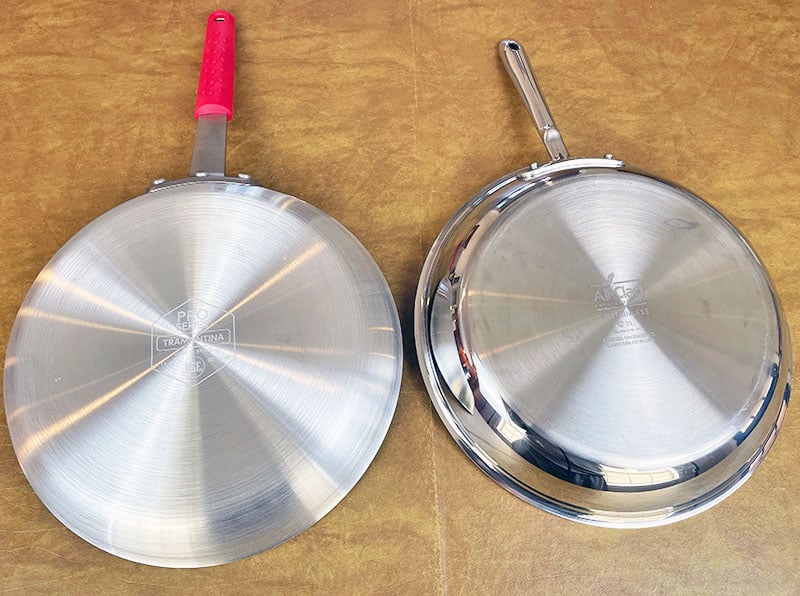
Stainless steel cookware offers superior durability and heat distribution, while aluminum heats faster and costs less. Choosing between stainless steel and aluminum cookware can feel overwhelming when you're standing in the kitchen section of your favorite store. Both materials have earned their place in modern kitchens, but they work quite differently. As someone who has tested countless pans over the years, I've learned that the best choice depends entirely on your cooking style, budget, and what matters most to you. This guide breaks down everything you need to know about stainless steel versus aluminum cookware, so you can make a decision you'll feel confident about for years to come.

Understanding Stainless Steel Cookware
Stainless steel cookware is made from a steel alloy that contains at least 10.5% chromium, which creates a protective oxide layer on the surface. This layer is what gives stainless steel its signature resistance to rust, corrosion, and staining. When I first started cooking seriously, I quickly realized that stainless steel cookware is like an investment piece for your kitchen—it lasts for decades with proper care.
The construction of stainless steel cookware typically involves multiple layers. Most quality stainless steel cookware features an aluminum or copper core sandwiched between stainless steel layers. This design solves one of stainless steel's biggest challenges: its poor heat conductivity on its own. Without that conductive core, stainless steel cookware would heat unevenly and create hot spots where food burns in some areas and cooks slowly in others.
Stainless steel cookware comes in various grades, with 304 and 316 being the most common. Grade 304 is excellent for everyday cooking, while 316 offers even more corrosion resistance and is often used in professional kitchens. The thickness of stainless steel cookware also matters significantly. Heavier pans distribute heat more evenly and are less prone to warping over time.
One thing I appreciate about stainless steel cookware is its aesthetic appeal. It looks sleek and professional on any stovetop, and it maintains that polished appearance even after years of use. The material also works with all stovetop types, including induction cooktops, making it incredibly versatile for different kitchen setups.

Understanding Aluminum Cookware
Aluminum cookware is crafted from aluminum alloy and is known for being lightweight and an excellent heat conductor. Aluminum heats up faster than stainless steel, which means your water boils quicker and your pan reaches the desired cooking temperature in less time. In my experience, this speed advantage is noticeable and genuinely helpful when you're cooking on a busy weeknight.
The challenge with pure aluminum is that it's reactive to acidic foods like tomatoes, vinegar, and citrus. When acidic ingredients come into contact with uncoated aluminum, they can cause discoloration and impart a metallic taste to your food. This is why most aluminum cookware you see today is anodized, which means it has been treated with an electrochemical process that hardens the surface and makes it non-reactive.
Anodized aluminum cookware offers the best of both worlds: the heat conductivity of aluminum with improved durability and reactivity protection. The anodized surface is harder than stainless steel and doesn't require seasoning like cast iron. When I switched to anodized aluminum cookware for certain cooking tasks, I noticed how quickly and evenly heat distributed, especially for dishes that need precise temperature control.
Aluminum cookware is generally lighter than stainless steel, which means less arm fatigue when you're stirring large pots or moving pans around the stovetop. This weight advantage appeals to many home cooks and professional chefs who spend hours handling cookware. However, not all aluminum cookware is created equal. Cheaper options may have thinner construction and won't perform as well as premium aluminum cookware.

Heat Conductivity and Distribution
Heat conductivity is where aluminum really shines compared to stainless steel cookware. Aluminum conducts heat about four times faster than stainless steel, which is why aluminum cookware reaches cooking temperatures so quickly. This property makes aluminum cookware ideal for tasks like making pancakes, where consistent, even heat is crucial for perfect results every time.
Stainless steel cookware, on the other hand, heats more slowly but retains heat longer once it reaches temperature. This characteristic makes stainless steel cookware excellent for searing meat or maintaining consistent temperatures during long cooking processes. The slower heating might seem like a disadvantage, but many experienced cooks prefer stainless steel cookware for dishes where temperature control is critical.
The key to understanding heat distribution in stainless steel cookware lies in those layered construction techniques I mentioned earlier. The aluminum or copper core in quality stainless steel cookware ensures that heat spreads evenly across the pan bottom and sides. Without these conductive layers, stainless steel cookware would have significant hot spots that make cooking unpredictable and frustrating.
When comparing aluminum cookware to stainless steel cookware for specific cooking tasks, consider what you're making. Quick-cooking tasks like vegetables or fish benefit from aluminum's rapid heat response. Longer cooking processes or recipes requiring precise temperature maintenance often work better with stainless steel cookware.
Durability and Longevity
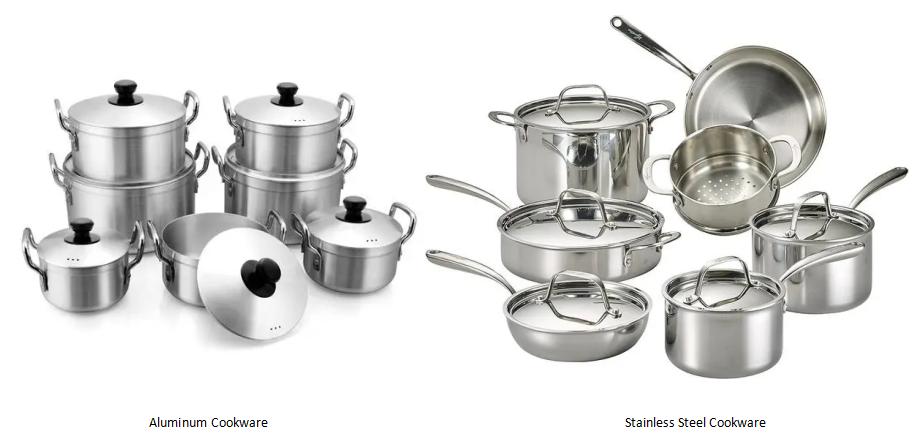
Durability is an area where stainless steel cookware truly excels. Because of the protective chromium oxide layer, stainless steel cookware resists rust, staining, and corrosion effectively. I have stainless steel cookware that has been used regularly for over fifteen years and still looks nearly as good as the day I bought it. That longevity speaks volumes about the material's staying power.
Aluminum cookware, particularly anodized versions, is also quite durable, but the anodized coating can wear away over time with heavy use or harsh washing methods. If the protective coating is damaged, you lose some of the non-reactivity benefits. However, quality anodized aluminum cookware can last many years if handled with reasonable care and not subjected to extreme conditions.
Stainless steel cookware can handle vigorous scrubbing, dishwasher cleaning, and temperature shocks without damage. You can soak it, scrub it with steel wool, and generally treat it roughly without worrying about degradation. This durability makes stainless steel cookware an excellent choice if you're not particularly gentle with your kitchen equipment or if multiple people with different habits use your cookware.
Aluminum cookware requires a bit more care to maintain its appearance and functionality. Hand washing is generally recommended, and you should avoid abrasive scrubbers that can scratch the anodized surface. That said, with mindful care, aluminum cookware can absolutely last for many years. The key difference is that stainless steel cookware forgives mistakes more readily, while aluminum cookware rewards careful treatment.

Cost Comparison
When I'm helping friends decide between stainless steel and aluminum cookware, price often enters the conversation early. Aluminum cookware is typically less expensive than comparable stainless steel cookware. You can find quality anodized aluminum cookware at a significantly lower price point than mid-range stainless steel cookware options.
However, the cost difference varies depending on brand, quality, and the specific pieces you're buying. Budget stainless steel cookware might cost only slightly more than premium aluminum cookware, while high-end stainless steel cookware can cost substantially more. It's not always the case that stainless steel cookware is the expensive option—it depends on the specific products you're comparing.
Consider the cost per use and expected lifespan when evaluating the actual value of stainless steel cookware versus aluminum cookware. If you plan to keep cookware for decades, the higher upfront investment in stainless steel cookware might make more financial sense than replacing aluminum cookware every few years. For casual cooks or those on tight budgets, aluminum cookware offers excellent performance at a lower price point.
The initial purchase price shouldn't be your only consideration when comparing stainless steel cookware to aluminum cookware. Think about whether you'll be happy using the cookware long-term and whether the material matches your cooking style and kitchen habits. Sometimes spending more on stainless steel cookware saves money overall because you won't need to replace it.

Maintenance and Care Requirements
Stainless steel cookware requires minimal maintenance, which is another reason I prefer it for everyday cooking. You can wash it in the dishwasher, scrub it with abrasive pads, and use harsh soaps without causing damage. For stubborn food residues, you can use baking soda paste or white vinegar to clean stainless steel cookware effectively. The material's toughness means you don't have to treat it with kid gloves.
To keep stainless steel cookware looking shiny and new, you can occasionally use specialized stainless steel cleaners, but honestly, regular washing works fine for most people. Fingerprints and water spots are easy to remove with a soft cloth. The most important maintenance tip for stainless steel cookware is avoiding extreme temperature changes, which can cause warping or discoloration over time.
Aluminum cookware maintenance is straightforward but requires slightly more attention. Hand washing is recommended to protect the anodized coating from degradation. Avoid using steel wool or harsh abrasive scrubbers on aluminum cookware, as these can scratch and damage the protective surface. A soft sponge and regular dish soap work perfectly for cleaning aluminum cookware.
For aluminum cookware, avoid leaving acidic foods sitting inside for extended periods, even though anodized versions are non-reactive. It's also wise to avoid extreme temperature fluctuations, just as with stainless steel cookware. Storing aluminum cookware carefully, without stacking heavy items on top, helps maintain its shape and cooking performance over time.

Cooking Performance for Different Dishes
Stainless steel cookware excels at specific cooking tasks where even heat and temperature stability matter most. Searing steaks, making pan sauces, and sautéing vegetables are all fantastic applications for stainless steel cookware. The material's heat retention means your pan stays hot even when you add cold ingredients, helping you achieve that perfect golden crust on meat.
I rely on stainless steel cookware when I'm making risotto or any dish that requires consistent temperature control and frequent stirring. The heat distribution prevents the bottom from burning while the top heats properly. Stainless steel cookware also works wonderfully for boiling pasta or making soups and stews, where you need sustained, even heating throughout the cooking process.
Aluminum cookware shines when you need quick heating and responsive temperature changes. Making pancakes, French toast, or delicate fish fillets works beautifully in aluminum cookware because you can adjust heat quickly and get immediate results. The rapid heat response makes aluminum cookware ideal for any recipe where timing is tight and you need precise control over the cooking temperature.
Baking applications often favor aluminum cookware because of its superior heat conductivity. Sheet pans and cake pans made from aluminum conduct heat evenly across the entire surface, leading to more uniform browning and baking results. However, stainless steel cookware baking pans work fine too, though items may bake slightly more slowly due to reduced heat conductivity.
Induction Cooktop Compatibility
If you use an induction cooktop, you need to understand how stainless steel cookware and aluminum cookware interact with this technology. Induction cooking requires magnetic cookware to function properly. Most stainless steel cookware is magnetic and works perfectly on induction cooktops, making stainless steel cookware the obvious choice for induction cooking.
Standard aluminum cookware is not magnetic and won't work on induction cooktops at all. However, some manufacturers now produce induction-compatible aluminum cookware by adding a magnetic base layer. If you have an induction cooktop and prefer aluminum cookware, you'll need to specifically purchase induction-compatible versions, which cost more than standard aluminum cookware.
When I recommend cookware to friends with induction cooktops, stainless steel cookware is always my first suggestion because it's widely available, affordable, and universally compatible. You don't have to search for special versions or pay premium prices for basic aluminum cookware compatibility. Stainless steel cookware gives you more flexibility and options when cooking on induction surfaces.
This compatibility factor is worth considering when choosing between stainless steel cookware and aluminum cookware, especially if you're planning to upgrade your kitchen or move to a new home with induction cooking. Stainless steel cookware is the safer bet for long-term kitchen evolution and flexibility.
Health and Safety Considerations
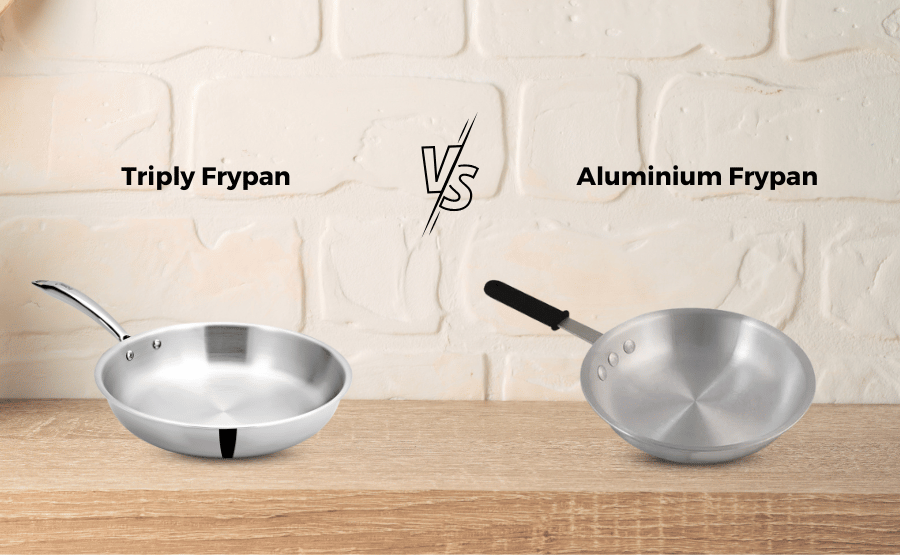
Many home cooks worry about aluminum's safety, wondering whether cooking with aluminum cookware poses health risks. Research indicates that anodized aluminum cookware is safe for everyday cooking, and the amount of aluminum that leaches into food is minimal, especially from anodized versions where the protective coating prevents direct contact between food and aluminum.
Stainless steel cookware is universally considered safe and is used in professional kitchens worldwide. The chromium and nickel in stainless steel don't leach into food under normal cooking conditions. If you have a severe nickel allergy, you might want to avoid stainless steel cookware or test it carefully, as some individuals are sensitive to trace amounts of nickel.
Neither stainless steel cookware nor aluminum cookware poses serious health risks when used as intended for normal cooking. The protective coating on anodized aluminum cookware prevents the reactive properties that could be problematic, and stainless steel cookware is chemically stable. Cooking directly on cast iron, by contrast, does introduce small amounts of iron into your food, which is actually considered beneficial for many people.
If you're concerned about chemical exposure, both stainless steel cookware and quality anodized aluminum cookware are excellent choices. Avoid cooking acidic foods in bare aluminum or uncoated cookware, and stick with stainless steel cookware or proper anodized aluminum cookware if you want to eliminate any potential concerns. Your choice between these materials shouldn't be driven by health worries—both are safe options for home cooking.
Environmental Impact
The environmental considerations of stainless steel cookware and aluminum cookware differ somewhat, though both are more sustainable than single-use cookware. Stainless steel is 100% recyclable and maintains its integrity through multiple recycling cycles. Because stainless steel cookware lasts for decades, you're reducing overall waste and consumption by avoiding frequent replacements.
Aluminum is also highly recyclable and uses significantly less energy to recycle compared to producing new aluminum. Recycled aluminum requires about 95% less energy than mining and processing new aluminum. If you eventually dispose of aluminum cookware responsibly through recycling programs, you're making a positive environmental choice. However, the shorter lifespan of some aluminum cookware means you might purchase replacements more frequently.
The manufacturing process for aluminum cookware is generally less energy-intensive than for stainless steel cookware, which requires higher temperatures and more processing. If environmental impact is a primary concern, anodized aluminum cookware might edge ahead in manufacturing phases, but stainless steel cookware's longevity balances this advantage over the product's lifetime.
When making an environmentally conscious decision between stainless steel cookware and aluminum cookware, consider the full lifecycle. A stainless steel cookware set that lasts thirty years has a lower environmental cost than replacing aluminum cookware every ten years. Quality matters more than the material when thinking about long-term environmental responsibility.
Weight and Handling
Weight is a practical consideration that many cooks overlook until they start using cookware daily. Aluminum cookware is noticeably lighter than stainless steel cookware, which makes a significant difference if you're handling large pots or tall pans for extended periods. When I'm making large batches of soup or sauce, I definitely appreciate the lighter weight of aluminum cookware.
Professional chefs often prefer lighter cookware because it reduces fatigue during long shifts. If you spend hours cooking or if you have wrist or shoulder issues, aluminum cookware's weight advantage is genuinely important. You can move aluminum cookware quickly and with less effort, which makes cooking more comfortable and enjoyable.
Stainless steel cookware's additional weight has advantages too. Heavier cookware tends to be more stable on the stovetop and less prone to tipping. The weight also contributes to better heat distribution and retention. For some cooks, the substantial feel of stainless steel cookware is actually a selling point that makes cooking feel more professional and controlled.
Consider your personal preferences and physical capabilities when weighing the light weight advantage of aluminum cookware against the stability and heat properties of stainless steel cookware. Neither material is wrong—it's about what works best for your specific needs and cooking habits. Trial and error might be necessary to determine which weight and handling characteristics suit you best.
Storage and Kitchen Space
Stainless steel cookware's durability means it can handle less-than-ideal storage conditions without significant degradation. You can stack it in crowded cabinets, store it under the sink, or arrange it however you want without worrying about damage. The material's toughness means minor dents or scratches don't compromise functionality or safety.
Aluminum cookware, especially anodized versions, benefits from more careful storage. Stacking heavy items on aluminum cookware can dent it and compromise both appearance and cooking performance. If kitchen space is limited and you'll be stacking cookware, stainless steel cookware is more forgiving and resistant to storage-related damage.
For display storage or open shelving, both stainless steel cookware and aluminum cookware look appealing. Stainless steel cookware maintains a polished appearance that photographs well, while some aluminum cookware has attractive finishes too. Neither material requires special storage solutions like cast iron or copper cookware, so both work well in various kitchen configurations.
Hanging cookware racks work fine for either stainless steel cookware or aluminum cookware. If you prefer that aesthetic approach to storage, both materials cooperate well with wall-mounted solutions. The main storage consideration is protecting aluminum cookware from scratches and dents more vigilantly than you would stainless steel cookware.
Best Cookware Sets for Different Cooking Styles
If you love making restaurant-quality seared meats and pan sauces, stainless steel cookware is your ideal match. The temperature control and heat retention properties make stainless steel cookware perfect for technique-driven cooking where precision matters. A quality stainless steel cookware set with multiple pan sizes gives you everything you need for this cooking style.
For quick-weeknight meals and everyday family cooking, aluminum cookware offers speed and responsiveness that makes cooking faster and easier. An anodized aluminum cookware set is perfect if you value efficiency and don't want to invest heavily in cookware. The rapid heating means your meals come together quicker, which appeals to busy home cooks.
Serious home cooks often benefit from having both types of cookware. Keep stainless steel cookware for searing, sauce-making, and dishes requiring precise temperature control. Use aluminum cookware for everyday tasks, quick meals, and baking applications. This balanced approach gives you the performance advantages of each material where they excel most.
Professional and aspiring culinary enthusiasts should seriously consider starting with stainless steel cookware. The learning curve is manageable, and stainless steel cookware supports the development of proper cooking techniques. As you advance, adding specialized aluminum cookware for specific tasks makes sense. Building a versatile cookware collection gradually leads to better long-term satisfaction than trying to buy everything at once.
Making Your Final Decision
Choosing between stainless steel cookware and aluminum cookware ultimately depends on your priorities and cooking style. I always recommend creating a personal hierarchy of what matters most: budget, durability, cooking performance, maintenance requirements, or specific cooking tasks you do regularly.
Start by honestly assessing your cooking habits. Do you make quick weeknight dinners where speed matters, or do you enjoy slower, technique-driven cooking? Are you planning to keep cookware for decades, or do you replace kitchen items more frequently? How much time do you want to spend on maintenance, and do you have an induction cooktop at home?
If you're unsure, consider starting with one quality piece of each type of cookware. Try a stainless steel cookware skillet and an anodized aluminum cookware pan, and see which feels right in your hands and matches your cooking style. Sometimes personal experience is the best teacher, and hands-on testing beats abstract comparisons.
Remember that neither stainless steel cookware nor aluminum cookware is universally superior. Each has genuine advantages and trade-offs. The best cookware for you is the material that makes you excited to cook, matches how you actually use your kitchen, and fits your budget and lifestyle. Trust your instincts and don't feel pressured to choose based on what experts or friends recommend. Your cooking style is unique, and your cookware should support that.
Frequently Asked Questions
Is aluminum cookware toxic?
Anodized aluminum cookware is completely safe for everyday cooking. The protective anodized coating prevents aluminum from contacting food, and research shows that trace amounts of aluminum from cooking are not harmful to human health. Stick with quality anodized aluminum cookware from reputable brands and avoid using bare aluminum for acidic foods.
Can you use stainless steel cookware on induction cooktops?
Yes, most stainless steel cookware works perfectly on induction cooktops because stainless steel is magnetic. Check the bottom of your stainless steel cookware or look for an induction-compatible symbol to confirm compatibility. Standard aluminum cookware does not work on induction unless it's specifically designed with a magnetic base layer.
Why do eggs stick to stainless steel cookware?
Eggs stick to stainless steel cookware because the surface doesn't have a natural non-stick coating like seasoned cast iron or ceramic. Properly preheating your stainless steel cookware, using adequate butter or oil, and waiting until eggs set slightly before flipping prevents sticking. This is actually a skill worth developing, as many professional chefs prefer stainless steel cookware for egg dishes.
How long does aluminum cookware last?
Quality anodized aluminum cookware can last 10-15 years with proper care, while stainless steel cookware typically lasts 20-30 years or longer. The lifespan depends on brand quality, thickness, and how carefully you maintain the cookware. Stainless steel cookware generally has a longer useful life before showing wear or degradation.
What cookware works best for making tomato-based dishes?
For tomato-based dishes, use stainless steel cookware or properly anodized aluminum cookware. Acidic ingredients like tomatoes can react with bare aluminum or low-quality anodized surfaces, potentially affecting taste and appearance. Stainless steel cookware is the safest choice if you're unsure whether your aluminum cookware is quality anodized.
Is stainless steel cookware worth the extra cost?
Stainless steel cookware is worth the investment if you plan to keep cookware for many years and want minimal maintenance. The durability and heat distribution benefits justify higher prices when calculated over decades of use. For budget-conscious cooks or those who replace cookware frequently, aluminum cookware offers excellent performance at lower costs.
Can you use metal utensils in aluminum cookware?
Metal utensils can scratch anodized aluminum cookware and damage the protective coating. Use wooden, silicone, or plastic utensils when cooking with aluminum cookware to preserve the anodized surface. Stainless steel cookware is far more resistant to utensil-related damage and works fine with metal spoons and spatulas.
Conclusion
The choice between stainless steel cookware and aluminum cookware isn't about picking a universally superior option—it's about understanding how each material performs and selecting based on your real kitchen needs. Stainless steel cookware excels at durability, heat retention, and technique-driven cooking, while aluminum cookware shines with rapid heat response and affordability. Both are safe, reliable choices that have earned their place in countless kitchens worldwide.
Your decision should reflect your cooking style, budget constraints, maintenance preferences, and long-term kitchen plans. If you value longevity and don't mind slightly slower heating, stainless steel cookware is an investment that pays dividends over decades. If you prioritize quick cooking, affordability, and don't mind replacing cookware more frequently, aluminum cookware serves you excellently. Many experienced cooks find that having both types of cookware at home actually solves most cooking challenges beautifully.
Take time to test cookware before committing to a full set. Visit kitchen stores, ask friends about their experiences, and consider your daily cooking reality. The perfect cookware set isn't determined by brand names or expert opinions—it's determined by what makes you feel confident and happy in your kitchen. Start with quality pieces that align with your cooking priorities, and you'll make a choice you'll feel genuinely satisfied about for years to come. Your next great meal might be just one good pan away.

Leave a Reply