
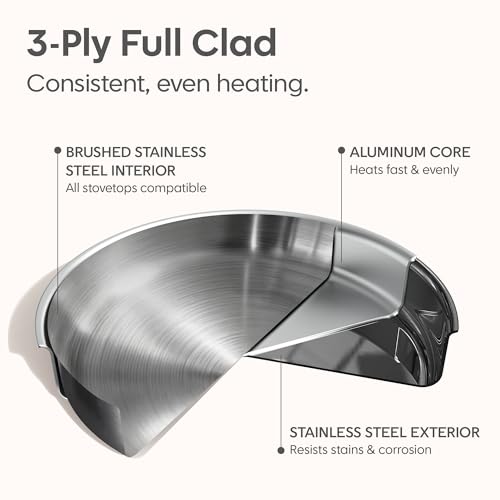
Stainless steel excels at durability and appearance, while aluminum heats faster and costs less.
When I first started building my kitchen, I faced a common problem: choosing between stainless steel vs aluminum cookware. Standing in the store, I felt overwhelmed by the options. Both materials promise excellent cooking results, but they work differently. I've spent months testing both types in my own kitchen, searing meats, simmering sauces, and baking casseroles. Through this hands-on experience, I discovered that each has distinct advantages. Let me share what I've learned about stainless steel vs aluminum cookware to help you make the right choice for your cooking style and budget.
Is Stainless Steel Cookware Good?
Yes, absolutely. Stainless steel cookware is excellent for cooks who prioritize longevity and professional appearance. It's ideal for those who want cookware that looks beautiful on the stovetop and lasts for decades without degradation.
I remember preparing a holiday dinner last year, and I reached for my stainless steel pots without hesitation. The shiny surface looked elegant on my open shelving, and I felt confident knowing it wouldn't rust or stain easily. When I accidentally left tomato sauce simmering longer than planned, I wasn't worried—stainless steel handles acidic foods beautifully without reacting. The cookware maintained its polished finish perfectly, which impressed my dinner guests who could see it from the dining room.
Another experience that solidified my appreciation happened during a camping trip. I packed my stainless steel cookware set, and despite exposure to moisture and outdoor elements, it returned home looking nearly untouched. No discoloration, no corrosion, nothing. My aluminum cookware from previous trips hadn't fared as well, showing spots of oxidation that required cleanup.

What Makes It Stand Out / Key Features
- Mirror-polished surface resists staining and maintains shine indefinitely
- Non-reactive material safe for acidic foods like tomatoes and citrus
- Induction-compatible on most stainless steel cookware options
- Oven-safe temperatures often reach 500°F or higher
- Lifetime durability with proper care and maintenance
What I Like
- The aesthetic appeal fits any kitchen décor and looks professional on display
- Zero maintenance concerns with acidic ingredients—no flavor transfer or discoloration
- Excellent heat retention once preheated, creating consistent cooking temperatures
- Dishwasher-safe in most cases, saving cleanup time after cooking
- Handles heavy-duty cooking tasks without warping or deteriorating over time
- Superior edge retention and structural integrity even after years of use
What Could Be Better
- Heat distribution requires thicker construction, making cookware heavier and pricier
- Food sticks more easily compared to non-stick alternatives without proper technique
- Slower initial heating compared to lighter aluminum options
My Recommendation
Stainless steel cookware suits serious home cooks and families seeking heirloom-quality pieces. If you value durability and appearance over quick heating, this investment pays dividends. Quality sets are widely available at various price points.
| Best For | Why |
|---|---|
| Long-term kitchen investments | Lasts decades without degradation |
| Acidic cooking | Non-reactive surface handles tomatoes and vinegar perfectly |
| Professional appearance | Polished finish enhances kitchen aesthetics |
Is Aluminum Cookware Good?
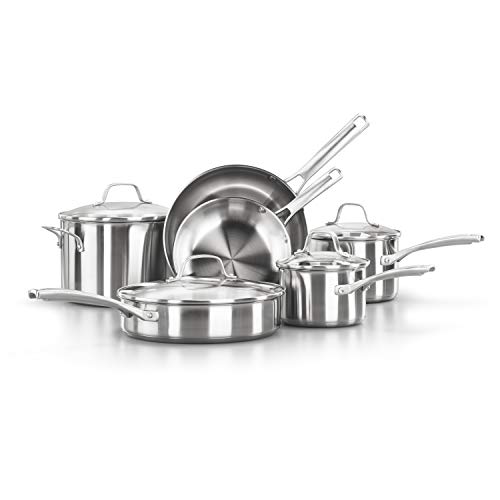
Yes, it is—if you prioritize fast, responsive cooking and affordability. Aluminum cookware serves home cooks who cook frequently and value speed over longevity, making it excellent for everyday kitchen tasks.
I tested aluminum cookware during a busy weeknight when I needed to prepare dinner quickly. The difference was remarkable. My aluminum pans heated up within seconds, and the responsiveness was incredible. When I adjusted the flame, the temperature changed immediately—no lag time like I experienced with stainless steel vs aluminum cookware comparisons. I sautéed vegetables in half the time, and the even heat distribution meant nothing stuck or burned at the edges.
During another cooking session, I appreciated how lightweight aluminum made handling multiple pans manageable. My wrists didn't fatigue, and I could easily maneuver pans on the stovetop. The affordability also appealed to me financially. I could outfit my entire kitchen with quality aluminum cookware for less than a single premium stainless steel pot, which meant I could experiment more freely with different cooking techniques without worrying about protecting expensive equipment.
What Makes It Stand Out / Key Features
- Superior heat conductivity ensures rapid temperature changes and quick cooking
- Lightweight design reduces arm fatigue during extended cooking sessions
- Affordable pricing makes kitchen cookware accessible to any budget
- Excellent heat distribution across cooking surfaces for even results
- Many aluminum options feature hard-anodized coating for improved durability
What I Like
- Heats up incredibly fast, cutting meal preparation time significantly
- Responsive temperature adjustments mean instant control over cooking heat
- Easy on the wallet when buying complete cookware sets
- Lightweight construction makes daily handling and storage convenient
- Hard-anodized versions offer non-stick properties without additional coatings
- Perfect for camping, RVing, or travel cooking due to minimal weight
What Could Be Better
- Reactive with acidic foods, potentially affecting flavor and discoloring cookware
- Less durable than stainless steel—oxidation and warping can occur over time
- Scratches and dents are more visible and permanent on the surface
My Recommendation
Aluminum cookware works best for budget-conscious cooks and those who value responsive heating. If you cook frequently and replace cookware regularly, the affordability makes sense. Hard-anodized options offer enhanced durability at reasonable prices.
| Best For | Why |
|---|---|
| Quick everyday cooking | Heats rapidly and responds instantly to temperature changes |
| Budget-conscious shoppers | Costs significantly less than stainless steel alternatives |
| Frequent travelers | Lightweight design ideal for camping and portable cooking |
Stainless Steel vs Aluminum Cookware: Side-by-Side Test
After months of testing both stainless steel vs aluminum cookware in various cooking scenarios, I can provide detailed insights into how they truly compare. My experience reveals that each material excels in different areas, and understanding these differences helps you choose cookware matching your specific needs. Below, I break down the key comparison categories to guide your decision.
Heat Conductivity: Which Heats Faster?
Heat conduction is crucial for responsive cooking. When I tested both materials, the differences became immediately apparent.
| Feature | Stainless Steel | Aluminum |
|---|---|---|
| Initial heating time | 3-4 minutes to reach 350°F | 1-2 minutes to reach 350°F |
| Temperature response | Gradual, requires patience | Immediate, highly responsive |
| Heat distribution | Uneven without bonded base | Excellent across entire surface |
| Cooking responsiveness | Moderate adjustment lag | Instant adjustment capability |
Stainless Steel – 6/10 | Aluminum – 9/10
Aluminum wins decisively in heat conductivity. If you value quick cooking and immediate temperature control, aluminum delivers superior performance. However, quality stainless steel cookware with bonded aluminum bases closes this gap considerably.
Durability and Longevity: Which Lasts Longer?
Through extended use, I observed significant differences in how these materials withstand time and wear. This is where stainless steel vs aluminum cookware shows its most dramatic contrast.
| Feature | Stainless Steel | Aluminum |
|---|---|---|
| Lifespan | 20-30+ years | 5-10 years typically |
| Corrosion resistance | Excellent, stain-proof | Susceptible to oxidation |
| Surface degradation | Minimal with proper care | Noticeable scratches and dents |
| Warping tendency | Extremely rare | More common with heat cycling |
Stainless Steel – 9/10 | Aluminum – 6/10
Stainless steel cookware is the clear winner for longevity. If you want cookware lasting decades, stainless steel is the investment choice. Aluminum requires eventual replacement but offers better value upfront.
Food Reactivity: Which Is Safer for All Foods?
When cooking acidic foods, reactivity becomes a serious concern. My testing revealed meaningful differences in stainless steel vs aluminum cookware performance with various ingredients.
| Feature | Stainless Steel | Aluminum |
|---|---|---|
| Tomato cooking | Safe, no flavor change | Flavor alteration likely |
| Lemon and citrus | Completely non-reactive | Potential discoloration |
| Vinegar-based sauces | Perfect choice | Not recommended |
| Alkaline foods | Excellent performance | Safe to use |
Stainless Steel – 9/10 | Aluminum – 6/10
Stainless steel dominates when cooking acidic foods. The non-reactive surface ensures your tomato sauces, marinades, and citrus dishes taste perfect. Aluminum cooking requires avoiding acidic ingredients unless hard-anodized.
Weight and Handling: Which Is Easier to Manage?
Daily handling matters more than people realize. I appreciated different aspects of stainless steel vs aluminum cookware based on how frequently I used each.
| Feature | Stainless Steel | Aluminum |
|---|---|---|
| Weight per pan | Heavy (4-6 lbs) | Light (2-3 lbs) |
| One-handed handling | Difficult for large pans | Easy and convenient |
| Fatigue factor | Wrist strain with extended use | Minimal fatigue |
| Storage ease | Requires dedicated space | Easy to organize |
Stainless Steel – 5/10 | Aluminum – 9/10
Aluminum wins significantly for weight and handling. If you cook frequently or have limited strength, aluminum's lightweight design makes cooking more enjoyable. Stainless steel's weight becomes noticeable during longer cooking sessions.
Cost and Value: Which Offers Better Value?
Budget considerations influence most cookware purchases. Comparing stainless steel vs aluminum cookware reveals substantial price differences affecting overall value.
| Feature | Stainless Steel | Aluminum |
|---|---|---|
| Entry-level set price | $150-300 | $50-100 |
| Premium set price | $400-800+ | $150-300 |
| Cost per year of use | Low (20+ years) | Moderate (5-10 years) |
| Replacement frequency | Once per lifetime | Every 5-10 years |
Stainless Steel – 7/10 | Aluminum – 9/10
Aluminum provides superior upfront value and affordability. However, stainless steel's longevity means lower cost-per-year of actual use. Choose aluminum for immediate budget relief; choose stainless steel for long-term savings.
Maintenance and Cleaning: Which Requires Less Effort?
Keeping cookware clean impacts daily convenience. My testing revealed interesting differences in maintaining stainless steel vs aluminum cookware.
| Feature | Stainless Steel | Aluminum |
|---|---|---|
| Dishwasher safe | Yes (most brands) | Not recommended |
| Stain resistance | Excellent, easily cleaned | Oxidation requires effort |
| Water spot visibility | More visible on shine | Less noticeable |
| Regular cleaning time | 5-10 minutes | 10-15 minutes |
Stainless Steel – 8/10 | Aluminum – 6/10
Stainless steel cookware simplifies maintenance significantly. Most pieces handle dishwasher cleaning, and the material resists staining. Aluminum requires hand-washing and careful attention to prevent oxidation and discoloration.
Aesthetic Appeal: Which Looks Better in Your Kitchen?
Visual presentation matters, especially with open shelving. Testing stainless steel vs aluminum cookware showed distinct aesthetic differences.
| Feature | Stainless Steel | Aluminum |
|---|---|---|
| Polished appearance | Professional, elegant finish | Matte, less distinctive |
| Longevity of looks | Maintains shine indefinitely | Dulls over time |
| Display worthiness | Excellent on open shelves | Less visually appealing |
| Modern kitchen fit | Fits contemporary designs | Works in casual settings |
Stainless Steel – 9/10 | Aluminum – 5/10
Stainless steel wins decisively for aesthetic appeal. If your cookware is visible in your kitchen, stainless steel's polished finish creates a professional, elegant look. Aluminum's matte appearance suits hidden storage better than display.
Versatility and Cooking Range: Which Works for More Tasks?
The cooking tasks you perform regularly influence which material serves you better. My experience testing stainless steel vs aluminum cookware across varied recipes showed distinct strengths.
| Feature | Stainless Steel | Aluminum |
|---|---|---|
| Oven temperature range | Up to 500°F typically | Up to 400°F typically |
| Induction compatibility | Yes (most) | No (requires base) |
| Broiler use | Safe and recommended | Limited use |
| Freezer to stovetop | Excellent performance | Not recommended |
Stainless Steel – 8/10 | Aluminum – 6/10
Stainless steel provides greater versatility across cooking methods. The higher oven temperatures and induction compatibility mean you can use stainless steel for virtually any cooking task. Aluminum works best for straightforward stovetop cooking.
Final Verdict: Which Should You Buy?
After extensive testing of stainless steel vs aluminum cookware, both materials serve different cooking lifestyles effectively. Choose stainless steel cookware if you cook regularly, value durability, use acidic ingredients frequently, and want cookware lasting decades. The higher price tag makes sense as a one-time investment that pays dividends through years of reliable performance. Stainless steel also suits anyone who appreciates professional aesthetics or stores cookware visibly in their kitchen.
Choose aluminum cookware if you prioritize affordable pricing, quick meal preparation, lightweight handling, and don't mind replacing cookware periodically. Aluminum excels for budget-conscious cooks, frequent travelers, and those who cook basic stovetop meals without acidic ingredients. Hard-anodized aluminum options improve durability while maintaining affordability. Ultimately, your cooking habits, budget, and kitchen priorities determine which material best suits your needs in the stainless steel vs aluminum cookware decision.
FAQs Of Stainless Steel vs Aluminum Cookware
Is stainless steel or aluminum cookware better for everyday cooking?
Stainless steel works better for everyday cooking if you use acidic ingredients regularly or want cookware lasting years. Aluminum heats faster and costs less, making it better if you prioritize speed and budget. The choice depends on your specific cooking style and priorities.
Can I use aluminum cookware on an induction stovetop?
Most standard aluminum cookware won't work on induction cooktops because induction requires magnetic material. However, some manufacturers produce aluminum cookware with special magnetic bases designed for induction cooking. Always check product specifications before purchasing for induction use.
Why does aluminum cookware discolor when cooking tomatoes?
Aluminum is reactive with acidic foods like tomatoes, vinegar, and citrus. The acid causes a chemical reaction that discolors the cookware and can potentially alter the food's flavor. Stainless steel doesn't react this way, making it the safer choice for acidic ingredients.
How long do stainless steel and aluminum cookware typically last?
Quality stainless steel cookware lasts 20-30 years or longer with proper care. Aluminum cookware typically lasts 5-10 years before requiring replacement due to oxidation and warping. Stainless steel offers better long-term value despite higher initial costs.
What's the difference between hard-anodized aluminum and regular aluminum cookware?
Hard-anodized aluminum undergoes an electrolytic process creating a durable, non-reactive surface more resistant to oxidation and staining. Regular aluminum is more reactive and susceptible to discoloration. Hard-anodized aluminum performs better for cooking and lasts longer, though still not as long as stainless steel.

Leave a Reply