
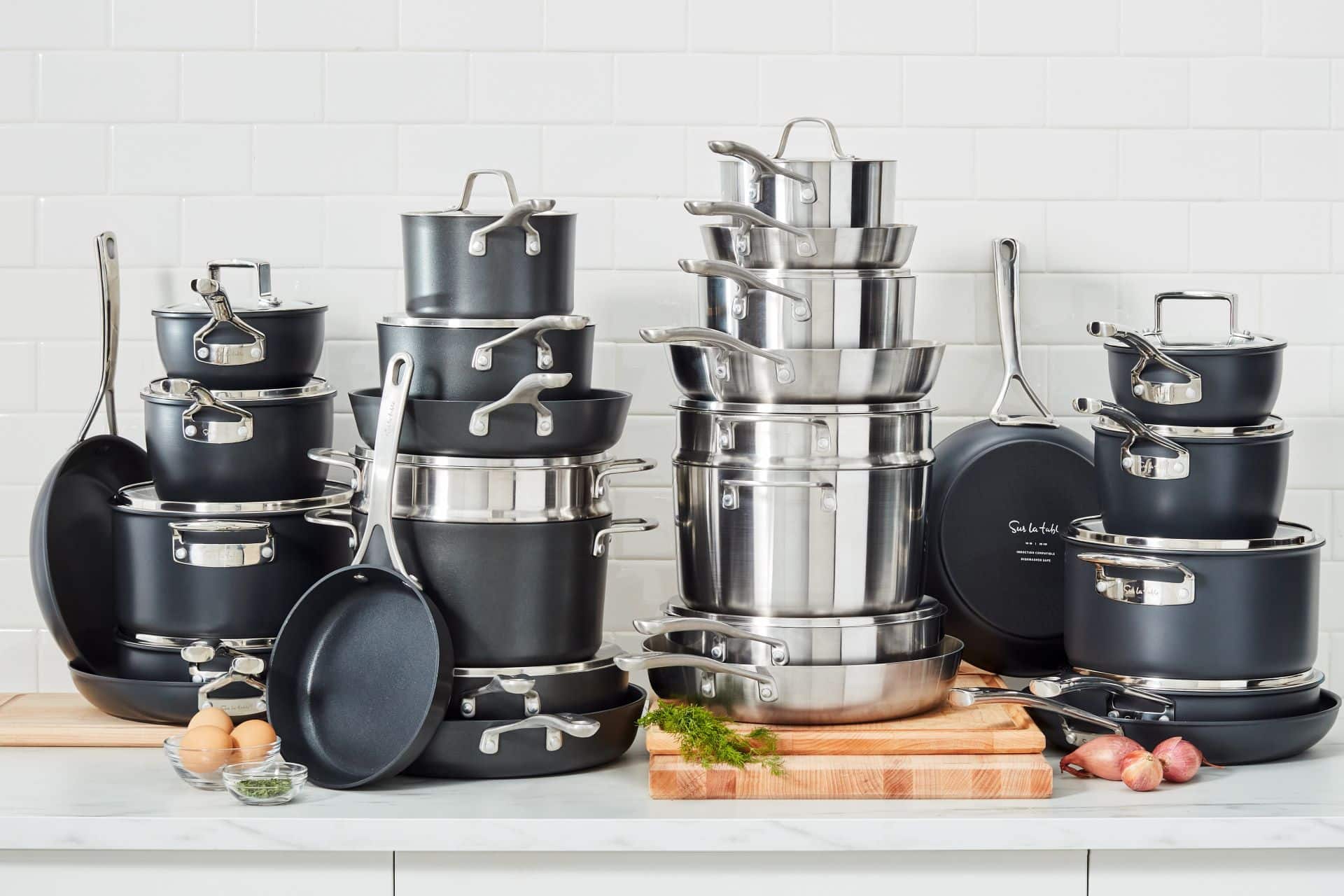
Stainless steel cookware offers excellent durability and heat distribution, but requires proper maintenance and can be expensive upfront. If you've ever stood in a kitchen store looking at cookware options, you know the choice can feel overwhelming. Stainless steel cookware sits right in the middle of the spectrum—it's not the cheapest option like non-stick aluminum, and it's not the most forgiving like cast iron. But here's what makes stainless steel cookware worth exploring: it's one of the most versatile, durable, and reliable cookware choices available today. Whether you're a home cook just starting out or someone upgrading your kitchen, understanding the real advantages and disadvantages of stainless steel cookware can help you make a decision that fits your cooking style, budget, and lifestyle. Let's dive into what actually matters when it comes to stainless steel cookware pros and cons.

Understanding Stainless Steel Cookware
Stainless steel cookware is made from a combination of steel and other metals, typically chromium and nickel. This blend creates a material that resists rust, stains, and corrosion better than regular steel. Most quality stainless steel cookware features a layered construction, with a stainless steel exterior and interior surrounding a conductive core made of aluminum or copper. This construction method helps distribute heat more evenly across the cookware surface.
The appeal of stainless steel cookware lies in its balance between performance and maintenance. Unlike non-stick cookware that can degrade over time, stainless steel cookware can literally last for decades if properly cared for. I've personally used the same set of stainless steel pans for over fifteen years, and they still perform remarkably well. The metal doesn't chip, peel, or flake like some non-stick surfaces can, making it a smart long-term investment for many households.
Major Advantages of Stainless Steel Cookware
Superior Durability and Longevity
One of the biggest advantages of stainless steel cookware is how long it lasts. This cookware won't scratch easily, won't peel, and won't develop that worn-out appearance that some non-stick pans develop after a few years. You can use metal utensils without worry, scrub it with steel wool if needed, and it will maintain its structural integrity. Many families pass down their stainless steel cookware from generation to generation, which speaks volumes about its durability.
The longevity of stainless steel cookware means you're making a smart financial decision in the long run. Yes, you might spend more upfront, but when you're not replacing cookware every three to five years, the cost per use becomes incredibly reasonable. I've watched countless friends replace their non-stick cookware repeatedly, while my stainless steel set keeps performing like it's brand new.
Excellent Heat Distribution
Modern stainless steel cookware, especially multi-ply constructions, distributes heat remarkably evenly. The aluminum or copper core sandwiched between the stainless steel layers conducts heat efficiently across the entire cooking surface. This means fewer hot spots, more consistent cooking results, and better food outcomes overall. Whether you're making a delicate sauce or searing a steak, the heat distribution of quality stainless steel cookware allows for precise control.
The heat distribution benefits of stainless steel cookware become especially apparent when cooking sensitive dishes. Eggs brown more evenly, sauces reduce uniformly, and proteins cook through without burning on the bottom. Professional chefs often prefer stainless steel cookware for this exact reason—it gives them the control they need for consistent results.
Versatility in Cooking Methods
Stainless steel cookware works on every heat source: gas, electric, induction, and ceramic cooktops. This universal compatibility means your cookware will work perfectly whether you're cooking on a basic electric stove or a high-tech induction range. Additionally, most stainless steel cookware is oven-safe, allowing you to finish dishes in the oven or transfer recipes seamlessly from stovetop to oven.
This versatility of stainless steel cookware extends to its ability to handle various cooking techniques. You can use it for deglazing, reducing sauces, boiling pasta, and even making stocks. The metal won't react with acidic ingredients like tomatoes or vinegar, which is a significant advantage over other cookware types that might leach metals into acidic foods.
Visual Appeal and Professional Look
Let's be honest—stainless steel cookware looks amazing. The clean, shiny exterior gives any kitchen a professional, sophisticated appearance. Whether hanging from a pot rack or stored in a cabinet, stainless steel cookware exudes quality and intentionality. The mirror-like finish photographs beautifully for those who love sharing their kitchen spaces on social media or in person.
Beyond aesthetics, the visual durability of stainless steel cookware matters too. Unlike non-stick cookware that shows wear and tear over time, stainless steel maintains its appearance through proper cleaning. A well-maintained stainless steel pan looks as good after five years as it did when new.
Non-Reactive Surface
Stainless steel cookware won't react with acidic or alkaline foods, making it ideal for cooking tomato-based dishes, citrus preparations, and vinegar-heavy recipes. This non-reactive quality ensures that your food's flavor remains pure and that no unwanted metallic tastes develop. The cookware won't discolor or degrade when exposed to these ingredients, which is a critical advantage for serious cooks.
Key Disadvantages of Stainless Steel Cookware
Higher Initial Cost
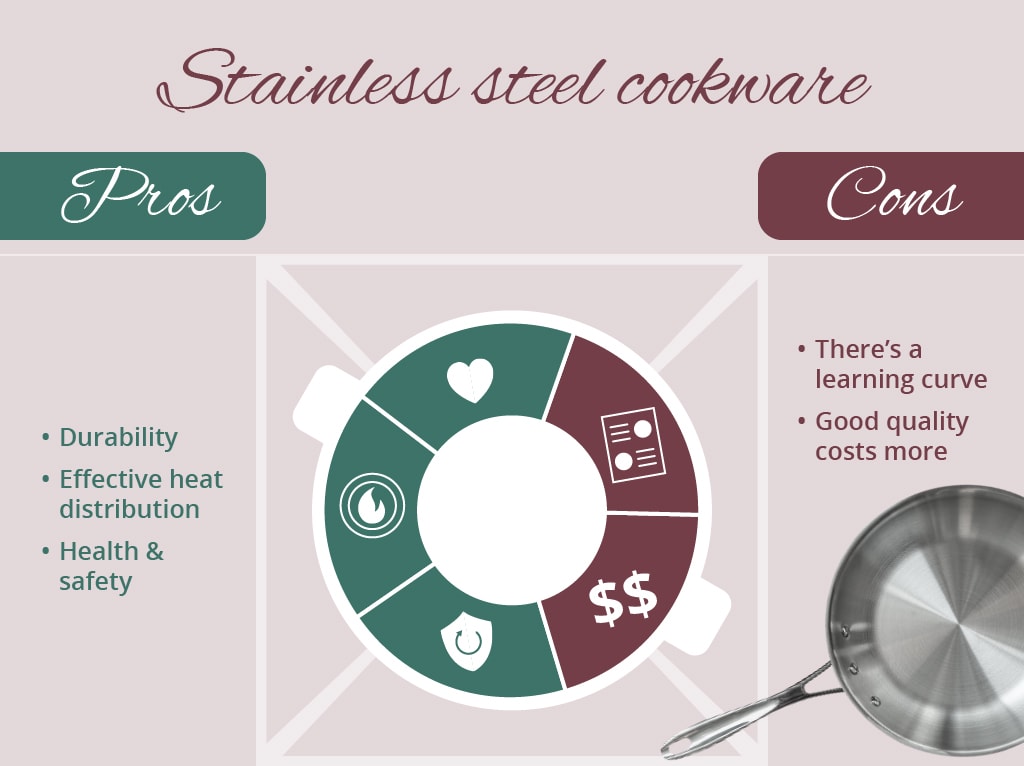
The biggest barrier to stainless steel cookware adoption is its price. Quality stainless steel cookware costs significantly more than budget non-stick options. A single high-quality stainless steel pan can cost thirty to sixty dollars, while an entire basic non-stick set might be available for less. For families working with tight budgets, this initial investment can feel prohibitive.
However, when considering the lifespan and cost per use, the math becomes more favorable. Still, the upfront financial commitment remains a real disadvantage for many shoppers. If your budget allows for only a few pieces of cookware, stainless steel cookware might stretch your finances further than expected.
Food Sticking Issues
Without a non-stick surface, stainless steel cookware requires proper technique to prevent food from sticking. The metal doesn't naturally release foods like a non-stick surface does, so you need adequate fat or oil and proper heat management. This learning curve can frustrate home cooks accustomed to non-stick cookware's convenience, especially when cooking eggs or delicate proteins.
The sticking problem with stainless steel cookware isn't insurmountable, but it does require attention. You need to preheat the pan properly, allow meat to develop a crust before attempting to move it, and use sufficient cooking fat. Many people struggle with this adjustment and conclude incorrectly that stainless steel cookware simply doesn't work well.
Requires Proper Cleaning and Maintenance
Stainless steel cookware demands more maintenance than non-stick options. Water spots appear easily on the glossy surface, requiring regular polishing to maintain the appearance. Food can stick stubbornly if not properly deglazed, and burnt-on residue requires elbow grease to remove. For people who value minimal kitchen effort, this maintenance requirement feels like a real disadvantage.
The cleaning process for stainless steel cookware includes wiping away water spots, dealing with fingerprints, and occasionally polishing the exterior. Some people find this routine annoying, while others don't mind the extra effort. The reality is that stainless steel cookware won't reward neglect like some other cookware types might.
Heavier Weight
Quality stainless steel cookware tends to be heavier than non-stick or aluminum alternatives. This extra weight provides better heat distribution and durability, but it also makes the cookware more taxing to handle, especially for people with arthritis, hand weakness, or limited upper body strength. Lifting, maneuvering, and cleaning heavier cookware requires more physical effort throughout the day.
The weight of stainless steel cookware also affects storage. Heavier pans need sturdy storage solutions and take more effort to rearrange in cabinets. For older adults or anyone with mobility limitations, the heft of stainless steel cookware represents a genuine disadvantage.
Can Have Hot Handles
While stainless steel cookware conducts heat excellently throughout the cooking vessel, this same property means handles can become quite hot during cooking. Even cookware with heat-resistant handles will transfer some heat to the handle area, potentially causing burns if you're not careful. This characteristic requires constant awareness and the use of oven mitts or towels.
The heat conduction through stainless steel cookware handles differs between products. Some manufacturers design better insulating features than others, but the issue remains common across many stainless steel cookware options.

Comparing Stainless Steel Cookware to Other Options
Stainless Steel vs. Non-Stick Cookware
Non-stick cookware offers convenience and ease of use that stainless steel cookware doesn't provide. Food releases effortlessly, and minimal oil or fat is needed for cooking. However, non-stick cookware degrades with time and rough handling, eventually requiring replacement. Additionally, non-stick coatings can flake into food, and high-heat cooking may damage the surface. Stainless steel cookware doesn't have these limitations but requires more cooking skill and maintenance effort.
The choice between these two depends entirely on your priorities. If convenience and ease matter most, non-stick cookware wins. If longevity and cooking control matter more, stainless steel cookware proves superior.
Stainless Steel vs. Cast Iron
Cast iron cookware develops seasoning over time, creating a natural non-stick surface, and it distributes heat excellently. However, cast iron requires seasoning maintenance, can rust if not properly cared for, and reacts with acidic foods. Stainless steel cookware requires no seasoning, resists rust completely, and handles acidic ingredients without issue. Cast iron improves with age while stainless steel cookware remains consistent.
Both cookware types offer durability and excellent cooking results. The decision comes down to whether you enjoy maintaining cast iron or prefer the no-fuss approach of stainless steel cookware.
Stainless Steel vs. Hard-Anodized Aluminum
Hard-anodized aluminum cookware is lighter than stainless steel cookware and often costs less. It distributes heat very well and is durable enough for home cooking. However, hard-anodized surfaces can scratch or chip over time, the material may react with acidic foods in some cases, and longevity doesn't match stainless steel cookware. Stainless steel cookware outlasts hard-anodized aluminum significantly while offering superior non-reactivity.

How to Choose the Right Stainless Steel Cookware
Evaluate Your Cooking Needs
Consider what you cook most frequently and how important factors like sticking prevention, heat control, and durability are to your situation. If you cook frequently and value cooking control and longevity, stainless steel cookware is worth the investment. If you prioritize convenience and ease above all else, other cookware types might serve you better. Think about your kitchen equipment, cooking methods, and personal preferences when evaluating stainless steel cookware options.
Check the Construction Quality
Look for stainless steel cookware with multi-ply construction featuring an aluminum or copper core. The thicker the base, the better the heat distribution and the more stable the cookware will be on your stovetop. Check weight as a quality indicator—heavier cookware generally performs better than lightweight alternatives. Quality stainless steel cookware should feel substantial and well-constructed when you hold it.
Assess Your Budget and Timeline
Determine your total budget for kitchen cookware and whether you can afford quality stainless steel cookware pieces. Sometimes buying fewer high-quality pieces makes more sense than purchasing an entire budget set. Remember that quality stainless steel cookware represents an investment that will serve you for decades, making the per-use cost very reasonable despite the higher initial price.
Consider Handle Design
Feel the handles when purchasing stainless steel cookware. Some designs feel more comfortable and secure than others. Evaluate whether handles stay cool or conduct heat, and consider whether the handle design matches your hand size and strength. Poor handle design can make cooking unpleasant or even unsafe, so this factor deserves careful attention.
Essential Care Tips for Stainless Steel Cookware
Proper Cleaning Methods
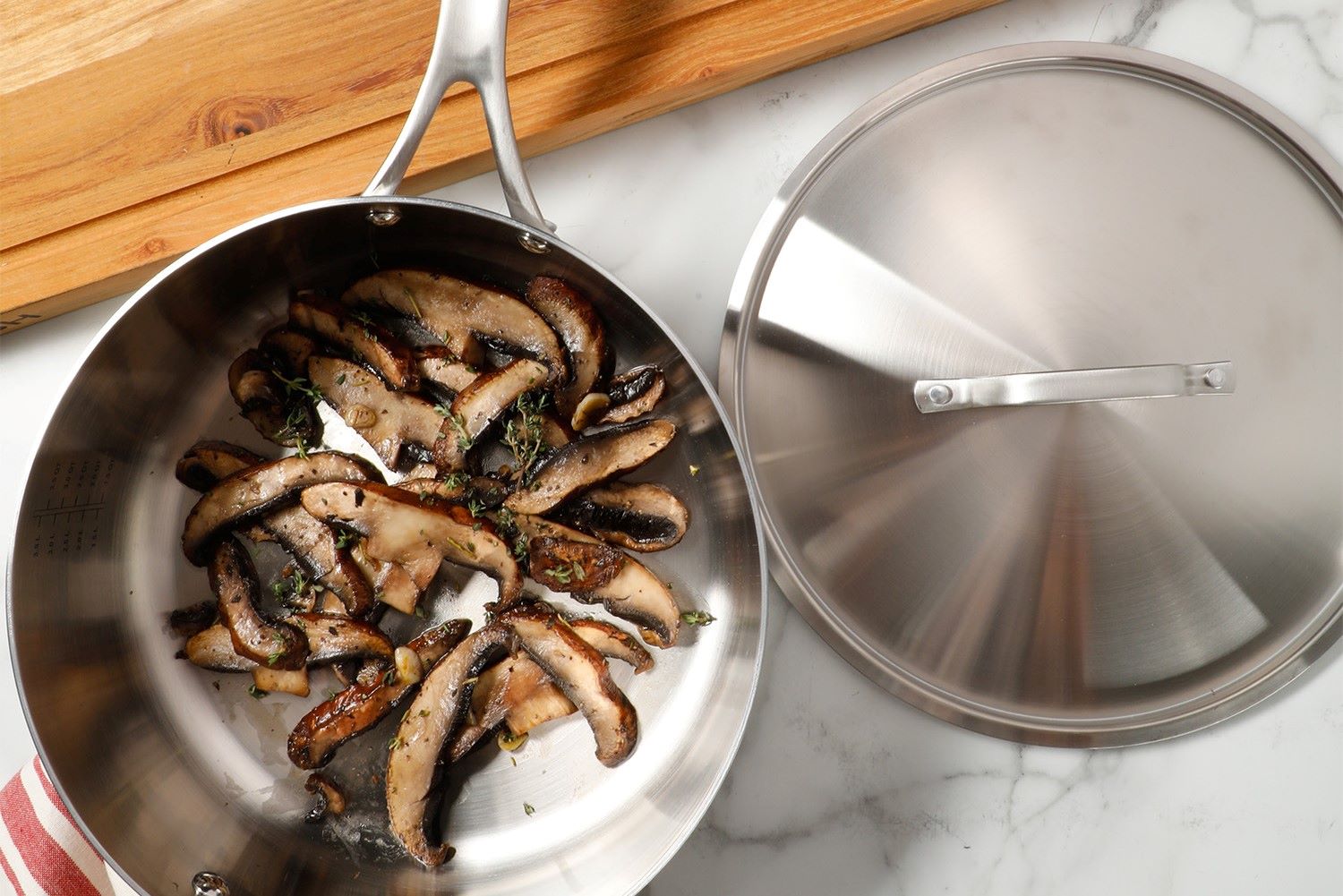
Hand wash stainless steel cookware with warm soapy water and a soft sponge or cloth. Avoid using harsh scouring pads or abrasive cleaners that can scratch the surface. For burnt-on food, soak the pan in hot soapy water for thirty minutes, then scrub gently. You can use white vinegar or baking soda for stubborn spots. After washing, dry immediately with a soft cloth to prevent water spots and maintain the polished appearance.
Preventing Food from Sticking
Preheat stainless steel cookware for two to three minutes before adding food. Use adequate cooking fat or oil—this lubricates the surface and helps food release naturally. For proteins like meat or fish, allow them to develop a crust before attempting to move them. Once food has cooked on one side and releases naturally, you can flip or move it easily. This proper technique eliminates most sticking problems.
Maintaining the Appearance
Wipe water spots immediately after washing to maintain the polished finish. For fingerprints and smudges, use a microfiber cloth and a small amount of stainless steel polish or vinegar. Apply polish with the grain of the metal for the best appearance. Regular polishing maintains the beautiful shine that makes stainless steel cookware so visually appealing.
Safe Usage Practices
Never preheat stainless steel cookware on high heat for extended periods, as this can discolor the surface. Use appropriate heat levels—medium or medium-high usually works best. Avoid thermal shock by not adding cold liquids to extremely hot pans. Never use dishwashers for high-quality stainless steel cookware, as harsh detergents and high heat can damage the surface and handles.
Frequently Asked Questions
Is stainless steel cookware safe to use?
Yes, quality stainless steel cookware is completely safe. The chromium and nickel used in construction are stable and won't leach into food under normal cooking conditions, especially with modern cookware standards. The non-reactive surface actually makes stainless steel cookware one of the safest choices available.
Can you use stainless steel cookware on induction cooktops?
Most stainless steel cookware works on induction cooktops because stainless steel is magnetic, though not all stainless steel cookware is magnetic. Check the product description or perform a magnet test before purchasing if you have an induction cooktop. Manufacturers usually indicate induction compatibility for stainless steel cookware.
How do I fix stainless steel cookware with water stains?
Mix equal parts white vinegar and water, apply to the water-stained surface, and wipe with a soft cloth. For stubborn stains, use a paste of baking soda and water. You can also use commercial stainless steel cleaners designed for cookware. These methods remove water marks and restore the shine without damaging the cookware.
Does stainless steel cookware last longer than non-stick?
Yes, stainless steel cookware significantly outlasts non-stick cookware, often lasting decades with proper care while non-stick cookware typically lasts three to seven years. Stainless steel cookware doesn't degrade or develop peeling surfaces like non-stick options do. This longevity makes stainless steel cookware a better long-term investment despite higher initial costs.
What's the best way to season stainless steel cookware?
Stainless steel cookware doesn't require seasoning like cast iron does. However, some people lightly oil the exterior after cleaning to enhance the appearance and prevent water spots. Simply wipe a small amount of neutral oil onto the exterior with a soft cloth after washing and drying. This step is optional but helps maintain the polished finish over time.
Why does food stick to my stainless steel cookware?
Food sticks when the cookware isn't properly preheated, when insufficient cooking fat is used, or when you attempt to move food too early before it develops a crust. Make sure to preheat for two to three minutes, use adequate oil or butter, and allow proteins to cook undisturbed initially. Once food naturally releases, you can move it without sticking.
Final Thoughts
Stainless steel cookware offers a compelling combination of durability, versatility, and performance that has made it a kitchen staple for professional chefs and serious home cooks alike. The advantages—superior longevity, heat distribution, non-reactive surfaces, and universal compatibility—significantly outweigh the disadvantages for most cooking situations. Yes, it requires more attention during cooking and maintenance than non-stick alternatives, and the initial investment feels substantial. But when you factor in the years of reliable service from stainless steel cookware, the value becomes undeniable.
If you decide to invest in stainless steel cookware, start with a few quality pieces rather than a large set. A large skillet, saucepan, and stockpot will cover most cooking needs and allow you to experience how stainless steel cookware performs in your kitchen. As you develop better techniques and discover your preferences, you can expand your collection gradually. The journey with stainless steel cookware is worth taking—it's an investment in years of better cooking experiences and kitchen satisfaction.
Ready to upgrade your kitchen with stainless steel cookware? Begin by assessing your cooking style, determining your budget, and selecting quality pieces that match your needs. Share your experiences with stainless steel cookware in the comments below, or explore our other kitchen guides to continue your culinary journey.

Leave a Reply