
Does opening your kitchen cabinets feel like a chaotic avalanche waiting to happen? Piled-up pots and pans can make finding what you need a frustrating daily challenge. You deserve a kitchen where your cookware is organized and easily accessible, making cooking a joy, not a chore.
This guide will provide effective cookware storage tips to declutter your space and streamline your cooking experience. You’ll learn practical strategies to maximize your cabinet and drawer space, protect your cookware, and create a more functional kitchen.
Maximize Your Kitchen Space
Making the most of your kitchen cabinets and drawers is essential for an organized cooking area. When every pot and pan has its designated spot, you’ll spend less time searching and more time creating delicious meals. Smart storage solutions can transform cluttered spaces into efficient and beautiful ones.
This section explores various methods to get the most out of your existing kitchen real estate, from vertical stacking to clever drawer inserts.
Vertical Stacking Systems
Vertical stacking is a game-changer for pot and pan organization. Instead of nesting pans directly inside each other, which can lead to scratches and difficulty accessing lower items, vertical organizers stand them upright. This allows you to see and grab each piece individually.
Think of it like a bookshelf for your cookware.
- Adjustable Pot and Pan Rack: These racks can be adjusted to fit different cabinet heights and widths. They typically come with multiple dividers that can be positioned to hold pots and lids or pans of various sizes. This flexibility means you can customize the organizer to your specific cookware collection. They are often made of metal and are very sturdy, capable of holding heavy cast iron.
- Stackable Shelves: If you have deeper cabinets, stackable shelves can create additional layers of storage. You can place smaller pots or lids on a shelf above larger items, effectively doubling or tripling the usable space within a single cabinet. These are great for items that you don’t use every day but still want to keep organized and accessible.
- Pan Dividers: Simple dividers that slot into your existing drawers or cabinets can prevent pots and pans from sliding around. They create individual compartments for each item, keeping them separate and preventing scratches. These are particularly useful for separating frying pans and saucepans.
Drawer Inserts and Dividers
Drawers can quickly become jumbled messes if not managed properly. Drawer inserts and dividers offer a structured approach to keep items organized and prevent them from moving. These solutions are especially effective for smaller utensils, lids, and baking sheets.
- Adjustable Drawer Dividers: Similar to cabinet dividers, these extendable rods or panels can create custom compartments within any drawer. You can adjust them to fit the width and depth of your drawer, creating dedicated spaces for different types of cookware or lids. They are excellent for keeping baking sheets and cutting boards upright.
- Utensil Trays and Organizers: While not directly for pots and pans, organized utensils make the entire cooking process smoother. Dedicated trays with multiple compartments keep spatulas, whisks, and knives from scattering. Some organizers also include slots for lids, helping to keep them neatly stored and visible.
- Custom Cabinetry or Drawer Solutions: For a more permanent and integrated solution, consider custom-built drawers or pull-out shelves. These can be designed specifically for your cookware, with adjustable dividers or specially shaped compartments. Pull-out shelves make it easy to reach items at the back of deep cabinets without having to move everything else.
Creative Wall and Door Storage
Don’t forget the often-underutilized vertical surfaces in your kitchen. Walls and cabinet doors can be transformed into valuable storage real estate with the right accessories. This approach frees up cabinet and drawer space and keeps frequently used items within easy reach.
- Wall-Mounted Racks and Hooks: A simple wall-mounted rack with S-hooks is perfect for hanging pots, pans, and even utensils. This keeps them visible and easily accessible, often serving as a decorative element in the kitchen. Consider magnetic knife strips for knives and smaller metal utensils too.
- Over-the-Door Organizers: The inside of cabinet doors can hold a surprising amount of items. Organizers designed for doors can store pot lids, small baking sheets, or even cleaning supplies. Look for sturdy options that can handle the weight of your items without damaging the door.
- Pegboards: A versatile solution, pegboards allow you to customize your storage layout completely. You can arrange hooks and shelves to hold pots, pans, utensils, and other kitchen gadgets in any configuration you need. This is especially useful for kitchens with limited cabinet space.
For instance, a small apartment kitchen might benefit greatly from a pegboard above the stove to hang frequently used pans and utensils. This keeps the countertops clear and makes cooking more efficient. Another example is using an over-the-door organizer on a pantry door to store flat items like cookie sheets and cutting boards.
Protect Your Cookware Investments
Your cookware is an investment, and proper storage helps extend its life and maintain its performance. Scratches, dents, and warped bottoms can ruin even the best pots and pans. Implementing storage techniques that prevent damage ensures your cookware stays in top condition for years to come.
This means thinking about how items interact with each other and the surfaces they are stored on.
Preventing Scratches and Dents
The most common culprit for damaged cookware is items rubbing against each other. This is especially true for non-stick surfaces and delicate materials like copper or enamel. Keeping items separated is key to preventing these surface imperfections.
- Pan Protectors or Dividers: Fabric or felt pan protectors are thin discs placed between stacked pots and pans. They create a soft buffer, preventing metal-on-metal contact and guarding against scratches. You can buy these or even make your own from old towels or felt fabric.
- Lid Organization: Loose lids can rattle around and cause damage to pots. Storing lids separately in a dedicated rack, on door organizers, or upright in a drawer with dividers prevents them from banging against cookware. This is particularly important for glass lids, which can chip or crack.
- Avoid Overcrowding: Cramming too many items into a cabinet or drawer leads to forced fits and potential damage. If a space feels too tight, it is. Look for alternative storage or declutter less-used items. A little extra space can prevent a lot of wear and tear.
Maintaining Non-Stick Surfaces
Non-stick cookware requires special care to preserve its coating. Harsh scrubbing and abrasive storage methods can quickly degrade its effectiveness. Gentle handling and appropriate storage are crucial for longevity.
- No Metal Utensils: While this applies to cooking, it also applies to storage. Ensure no metal utensils are stored loose with your non-stick pans, as they can easily scratch the surface when items shift.
- Gentle Stacking: If you must stack non-stick pans, always use pan protectors between them. Never place heavy cast iron directly on top of delicate non-stick surfaces. Consider storing non-stick pans separately if possible.
- Proper Cleaning Before Storage: Always ensure non-stick pans are completely clean and dry before storing them. Food residue can harden and become abrasive, and moisture can lead to rust or mildew if left for long periods.
Storing Specialty Cookware
Certain types of cookware, like cast iron or copper, may have specific storage needs. Understanding these requirements helps maintain their unique properties and longevity.
- Cast Iron Care: Cast iron pans should be stored clean and dry, preferably with a light coating of cooking oil rubbed onto the surface to prevent rust. Some people place a paper towel inside the pan to absorb any residual moisture. Avoid storing them in humid environments.
- Copper Cookware: Copper is a softer metal and can dent easily. Store copper pots and pans with protectors between them. If they have tin or stainless steel linings, protect these surfaces as well. Keep them away from harsh chemicals that could react with the copper.
- Enameled Cast Iron: While durable, the enamel coating can chip if dropped or struck hard. Store these pieces carefully, ensuring they do not bang against other heavy items. Using pan protectors is a good idea here too.
A common mistake is nesting a heavy stainless steel pot inside a non-stick skillet. Over time, the weight will damage the non-stick coating. A practical solution is to use a thick felt pan protector or store the stainless steel pot separately.
Another scenario is storing a set of skillets in a drawer without dividers. This leads to them sliding and scratching each other. Using adjustable drawer dividers to create individual slots for each skillet solves this problem.
Organizing Pots Lids and Baking Sheets
Lids, baking sheets, and other flat items are notorious for becoming disorganized. They often end up in piles, making it hard to find the right one and taking up significant space. Dedicated storage solutions for these items can bring order to your kitchen.
Efficient Lid Storage Solutions
Pot lids can be bulky and awkward to store. Finding a system that keeps them upright and accessible is key to avoiding clutter and frustration.
- Lid Racks for Cabinets: These are racks that can be mounted inside cabinet doors or stand freely on a shelf. They have slots designed to hold lids upright, allowing you to see each one at a glance. This is far more efficient than stacking them or laying them flat.
- Drawer Inserts for Lids: Specialized drawer inserts have vertical slots perfect for organizing pot lids. They keep them separated and prevent them from toppling over when the drawer is opened or closed.
- Wall-Mounted Lid Holders: Some lid holders can be mounted on the wall, freeing up cabinet space entirely. These are great for kitchens where cabinet space is at a premium.
Storage for Baking Sheets and Pans
Baking sheets, muffin tins, and roasting pans are often thin and flat, making them ideal candidates for vertical storage.
- Vertical Drawer Dividers: As mentioned before, adjustable drawer dividers are excellent for standing baking sheets and trays upright. This keeps them organized and easy to slide out.
- Wire Racks for Cabinets: Similar to lid racks, these wire organizers can hold multiple baking sheets or thin pans vertically in a cabinet. They ensure each item is accessible without disturbing the others.
- Dedicated Cabinet Space: If possible, designate a specific cabinet or a large drawer for all your baking items. Using vertical dividers within this space will maximize its efficiency.
Grouping Similar Items
Storing similar items together simplifies organization and makes finding what you need much faster. Grouping pots with their matching lids, or all baking sheets together, creates logical zones within your kitchen storage.
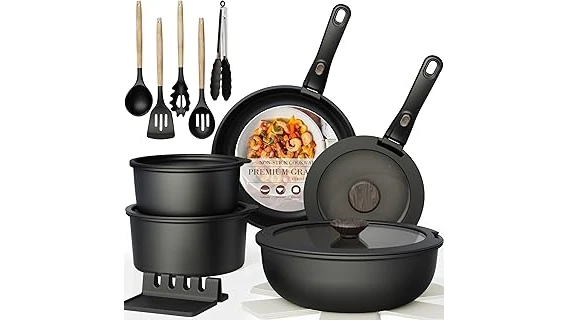
- Pot and Pan Sets: If you have cookware sets, try to store them in a way that keeps the pots and their corresponding lids together. This might involve using organizers that accommodate both.
- Baking Utensils: Keep all your baking items, including pans, sheets, and cookie cutters, in one designated area. This prevents last-minute searches for a misplaced baking tray when you’re ready to bake.
- Daily Use Items: Store the pots and pans you use most often in the most accessible cabinets or drawers. Less frequently used items can be stored higher up or in deeper cabinets.
Consider a scenario where you’re baking cookies. If your baking sheets are stacked horizontally in a deep cabinet, you have to remove half the pile just to get to the one you need. Using a vertical wire rack in that same cabinet allows you to slide out the desired baking sheet instantly.
Similarly, if your pot lids are scattered in a drawer, finding the right one for a saucepan can be time-consuming. A cabinet door lid organizer lets you see all your lids at once and pull out the correct one in seconds.
Smart Solutions for Small Kitchens
For those with limited kitchen space, every inch counts. Creative and multi-functional storage solutions are vital. These tips focus on maximizing vertical space and using organizers that serve multiple purposes to make even the smallest kitchen feel more spacious and organized.
Go Vertical with Shelves and Racks
Vertical storage is a small kitchen’s best friend. Think upwards! Utilize the height of your cabinets and walls to store more items without taking up precious counter or floor space.
- Stackable Cabinet Shelves: These small shelves can be placed inside existing cabinets to create an extra level of storage. They are perfect for stacking smaller pots, pans, or lids. You can double the usable space in a cabinet with just one or two of these.
- Wall-Mounted Pot Racks: A classic space-saver, a pot rack mounted on the wall or ceiling can hold multiple pots and pans, freeing up valuable cabinet space. This also makes frequently used items decorative and accessible.
- Magnetic Strips for Utensils and Lids: While mainly for knives, magnetic strips can also hold lightweight metal lids or small utensils. This keeps them off countertops and within easy reach.
Multi-Functional Organizers
In a small kitchen, organizers that serve more than one purpose are gold. Look for items that can adapt to different storage needs.
- Adjustable Shelving Units: These can be placed inside cabinets or even freestanding on countertops. Their adjustable nature allows you to customize them for pots, pans, spices, or other kitchen items.
- Pull-Out Drawer Systems: While a larger investment, pull-out drawers transform deep, hard-to-reach cabinets into accessible storage. They can be fitted with dividers to hold pots, pans, and lids efficiently.
- Collapsible Cookware: Consider investing in cookware that is designed to collapse or nest very compactly. Some silicone or collapsible metal cookware is ideal for small apartments, as it takes up minimal storage space.
Decluttering and Simplifying
Even the best storage solutions won’t help if you have too much cookware. Regularly assessing your collection and letting go of what you don’t use is crucial for maintaining an organized space.
- Regular Purge: Schedule a time every few months to go through your cookware. Ask yourself if you’ve used each item in the last year. If not, consider donating or selling it.
- Identify Duplicates: Do you really need three identical saucepans? Keeping only the best or most frequently used duplicates can free up significant space.
- Embrace Minimalist Cookware: For some, a few high-quality, versatile pieces are better than a large collection of specialized items. Think about what you cook most often and invest in cookware that serves those needs.
Imagine a tiny kitchen with cabinets full of stacked pots, making it impossible to grab one without a cascade. Installing stackable shelves and a vertical lid rack can instantly create order. Another scenario is a studio apartment where counter space is limited.
Using a wall-mounted pot rack for your frequently used pans frees up drawer and cabinet space for other essentials like food items or small appliances.
Maintaining Organization Over Time
Implementing clever storage solutions is only half the battle. The real challenge is maintaining that organization long-term. This requires forming habits and making small adjustments as needed to keep your kitchen tidy and functional.
Establish Daily Habits
Small, consistent actions can prevent clutter from creeping back into your kitchen. These habits should become second nature.
- Clean and Dry Before Storing: Always wash and dry your cookware thoroughly before putting it away. Leaving items wet can lead to water spots, rust, or even mildew.
- Put Items Back Immediately: After washing and drying, place items back in their designated spots right away. Avoid the temptation to leave them on the counter or in the sink.
- One-In, One-Out Rule: When you buy a new piece of cookware, try to get rid of an old one. This prevents your collection from growing indefinitely and keeps your storage space manageable.
Regular Check-Ins and Adjustments
Your cooking habits and cookware collection may change over time. Periodically reviewing your storage system ensures it continues to meet your needs.
- Monthly Review: Once a month, take a quick look at your cabinets and drawers. Are things starting to get messy? Identify areas that need a quick tidy-up or reorganization.
- Seasonal Deep Clean: Twice a year, perform a more thorough declutter and reorganize. This is a good time to assess if any storage solutions need upgrading or if you have items you no longer use.
- Adapt to New Purchases: When you bring new cookware home, decide immediately where it will live. Make space for it in its designated spot rather than just stuffing it in somewhere.
Involve Household Members
If you share your kitchen, everyone needs to be on board with the organization system. Clear communication and consistent effort from all household members are key to long-term success.
- Communicate the System: Explain where everything belongs to everyone who uses the kitchen. Labels can be helpful, especially for less-used items or shared spaces.
- Lead by Example: Consistently follow the organization rules yourself. This encourages others to do the same.
- Gentle Reminders: If someone strays from the system, offer a gentle reminder rather than criticism. The goal is to maintain order, not to create conflict.
A statistic shows that kitchens that are organized can reduce meal preparation time by up to 15%. This is because less time is spent searching for items. A practical tip is to designate a “landing zone” for dishes to be washed.
This prevents them from piling up on the counter. Another habit is to wipe down the inside of cabinets and drawers during your monthly check-ins. This keeps them clean and inviting for your organized cookware.
Frequently Asked Questions
Question: What is the best way to store pots and pans to prevent scratches
Answer: To prevent scratches, use pan protectors made of felt or fabric between stacked pots and pans. Also, consider vertical storage solutions like racks or dividers that keep items separate rather than nested.
Question: How can I organize pot lids effectively
Answer: Pot lids can be organized using specialized lid racks mounted inside cabinet doors, drawer inserts with vertical slots, or freestanding lid organizers. This keeps them upright and accessible.
Question: What are some good cookware storage tips for small kitchens
Answer: In small kitchens, prioritize vertical storage with stackable shelves and wall-mounted racks. Use multi-functional organizers and consider decluttering to make the most of limited space.
Question: Should I nest my pots and pans
Answer: Nesting is convenient but can lead to scratches, especially on non-stick surfaces. If you nest, always use pan protectors. Vertical storage is generally a better option for preserving cookware.
Question: How often should I declutter my cookware
Answer: It’s recommended to declutter your cookware every few months. Regularly assess what you use and consider donating or selling items that are no longer needed.
Summary
Implementing smart cookware storage tips transforms chaotic kitchens into functional spaces. By using vertical stacking, drawer inserts, and wall organizers, you can maximize space and protect your cookware. Regular maintenance and simple habits ensure your kitchen stays tidy, making cooking more enjoyable.
Start organizing today for a more efficient and peaceful cooking experience.

Leave a Reply