
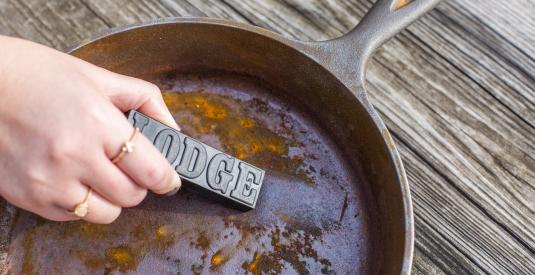
Seasoning Lodge cast iron cookware is essential for maintaining its quality. Proper seasoning enhances the non-stick surface and extends the life of your cookware.
Cast iron cookware has a long history in kitchens around the world. Lodge, a trusted brand, is known for its durable and versatile pieces. Seasoning is the process of applying oil to the cookware and heating it. This creates a protective layer that helps prevent rust and food sticking.
Many home cooks cherish their cast iron for its ability to retain heat and improve flavors. With the right seasoning techniques, you can elevate your cooking experience. This guide will help you understand the steps to properly season your Lodge cast iron cookware for the best results.
The Importance Of Seasoning Your Cast Iron Cookware
Seasoning cast iron cookware is crucial for its performance. It creates a natural non-stick surface. This process protects the metal and enhances cooking. Without seasoning, cast iron can rust and food can stick. Proper seasoning keeps your cookware in top shape for years.
Preserving Non-stick Qualities
One of the main benefits of seasoning is its non-stick properties. A well-seasoned pan allows food to slide off easily. Here are some key points:
- Seasoning creates a layer of polymerized oil.
- This layer prevents food from sticking.
- Regular seasoning improves the surface over time.
Non-stick qualities make cooking and cleaning easier. You can cook eggs, pancakes, and more without worries. Enjoy healthier meals with less oil. A seasoned pan also enhances flavor. It adds depth to your dishes.
Preventing Rust And Wear
Rust is a common problem with unseasoned cast iron. Proper seasoning protects against moisture. Here’s how it helps:
| Benefit | Description |
|---|---|
| Moisture Barrier | Seasoning creates a protective layer against water. |
| Durability | Seasoned cookware lasts longer with less wear. |
| Easy Maintenance | Rust prevention makes cleaning simple and quick. |
Taking care of your cast iron helps it last. Store it in a dry place after seasoning. Avoid soaking it in water. A little care goes a long way.
What Is Seasoning?
Seasoning is a process that protects your Lodge cast iron cookware. It creates a natural, non-stick surface. This surface enhances flavor and prevents rust. Proper seasoning keeps your cookware in great shape.
Many people are unsure about how to season cast iron. The process involves applying a layer of fat or oil. This forms a protective coating on the pan’s surface. The right technique ensures long-lasting use.
The Role Of Fats And Oils
Fats and oils are essential in the seasoning process. They provide the base for the non-stick surface. Here are some common options:
- Flaxseed oil
- Coconut oil
- Canola oil
- Vegetable oil
Each type of oil has its benefits:
| Type of Oil | Smoke Point | Flavor |
|---|---|---|
| Flaxseed Oil | 225°F | Neutral |
| Coconut Oil | 350°F | Light Coconut |
| Canola Oil | 400°F | Neutral |
| Vegetable Oil | 400°F | Neutral |
Choose an oil based on your needs. High smoke points work best for seasoning. These oils withstand high heat without burning.
The Science Behind Polymerization
Polymerization is key to effective seasoning. This process occurs when fats are heated. They transform into a hard, durable layer. This layer bonds to the iron surface.
During polymerization, the oil breaks down. It creates long chains of molecules. These chains form a protective coating. This coating enhances non-stick properties.
Proper seasoning requires the right temperature. Heat the oil to its smoke point. This ensures effective polymerization. The result is a smooth, non-stick finish.
Choosing The Right Oil For Seasoning
Seasoning your Lodge cast iron cookware is vital. The right oil ensures a smooth, non-stick surface. Choosing the right oil matters for durability and performance.
Smoke Points To Consider
Understanding smoke points is crucial. Smoke point is the temperature at which oil starts to smoke. Using oil with a high smoke point is best. Oils that smoke too early can create a sticky surface.
Here are some common oils and their smoke points:
| Oil | Smoke Point (°F) |
|---|---|
| Flaxseed Oil | 225 |
| Olive Oil | 375 |
| Canola Oil | 400 |
| Grapeseed Oil | 420 |
| Vegetable Oil | 400 |
Best Oils For Optimal Results
Some oils work better than others for seasoning cast iron. Here are the best options:
- Flaxseed Oil: Great for a hard, durable layer.
- Canola Oil: Affordable and has a high smoke point.
- Grapeseed Oil: Neutral flavor and high smoke point.
- Vegetable Oil: Common and easy to find.
- Sunflower Oil: Excellent for seasoning with a high smoke point.
Choose an oil that suits your cooking style. Each oil has unique benefits. Consider taste, availability, and how often you cook.
Credit: www.lodgecastiron.com
Cleaning Before Seasoning
Cleaning your Lodge cast iron cookware is a key step before seasoning. Proper cleaning helps remove old oils and food residue. This prepares the surface for a fresh layer of seasoning. Let’s break down how to do this effectively.
Stripping Old Seasoning
Sometimes, old seasoning needs to be stripped away. This ensures a smooth start for new seasoning. Here are ways to do this:
- Oven Method: Place your cookware upside down in the oven. Run a self-clean cycle. This will burn off old seasoning.
- Salt Scrub: Use coarse salt and water. Scrub the pan with a sponge. Rinse and dry thoroughly.
- Chemical Stripper: Use a safe chemical stripper for tough spots. Follow the product instructions carefully.
Washing And Drying Techniques
After stripping, washing your cookware is important. Use hot water and mild soap. Avoid harsh detergents. Follow these steps:
- Rinse the skillet with hot water.
- Use a soft sponge or cloth to scrub.
- Rinse again to remove soap residue.
Next, drying is crucial. Moisture can lead to rust. Here’s how to dry your cookware:
- Place it on low heat on the stove for a few minutes.
- Wipe with a dry cloth to ensure no water remains.
Now your cast iron cookware is clean and ready for seasoning.
The Seasoning Process Step By Step
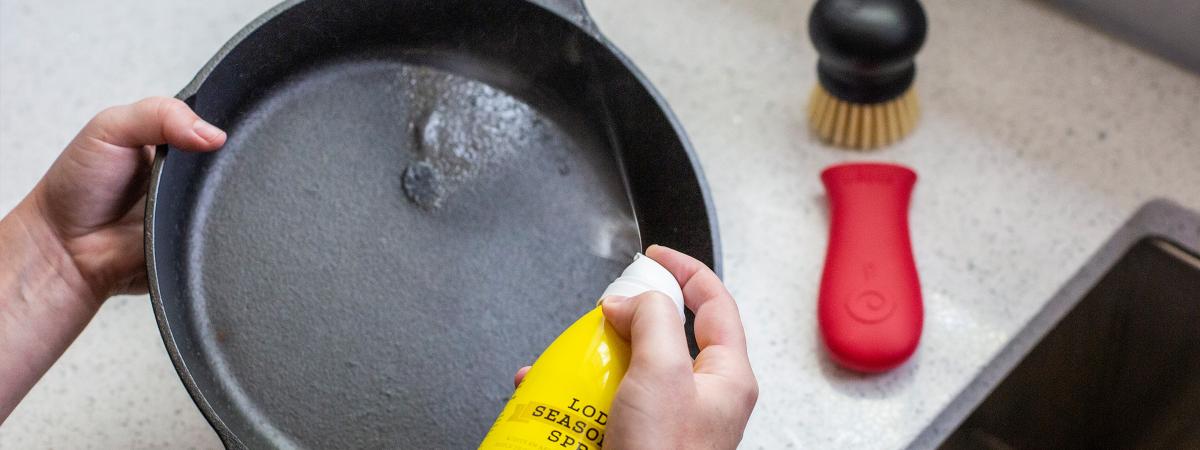
Seasoning your Lodge Cast Iron cookware is essential for great cooking. It protects the surface and improves flavor. Follow these simple steps to get your cookware ready.
Applying The Oil Evenly
Start with clean, dry cookware. Choose a suitable oil, like vegetable or flaxseed oil. These oils work well for seasoning.
Follow these steps:
- Pour a small amount of oil into the pan.
- Use a paper towel to spread the oil.
- Coat the entire surface, including the handle.
- Remove excess oil. A thin layer is best.
Even coverage helps to create a non-stick surface. Avoid thick layers. They can become sticky.
Baking The Cookware In The Oven
Preheat your oven to 450°F (232°C). This high heat helps to bond the oil to the cast iron.
Place the cookware upside down on the top rack. Use a baking sheet on the bottom rack to catch any drips.
Here’s a simple timeline:
| Time | Action |
|---|---|
| 1 hour | Bake the cookware. |
| Cool down | Turn off the oven and let it cool inside. |
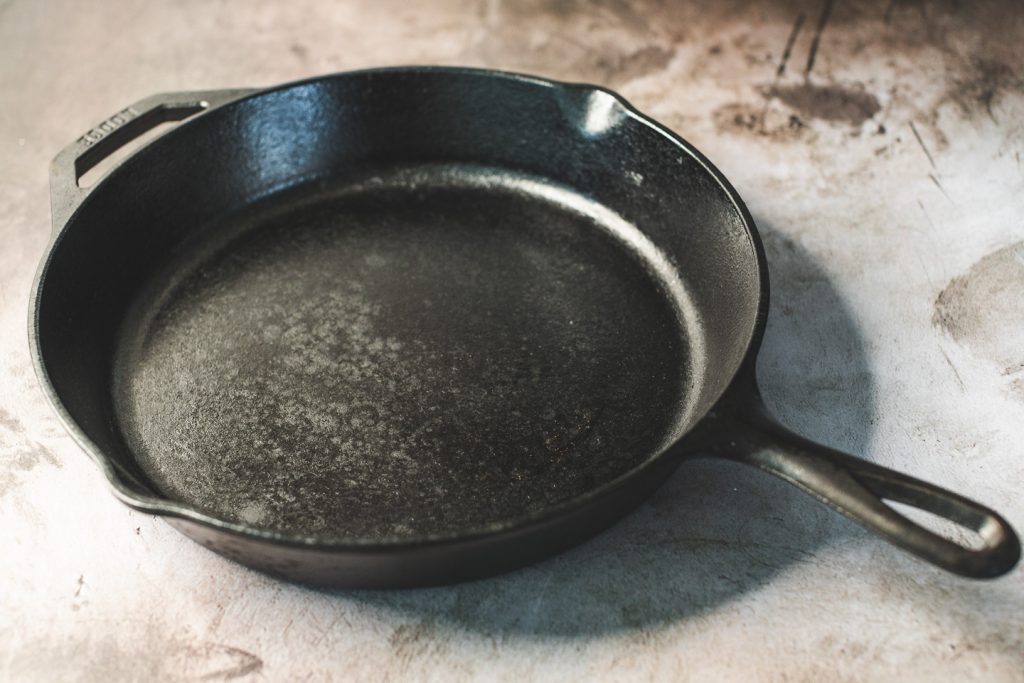
After cooling, your cookware should have a shiny, black finish. This means it is well-seasoned. Enjoy cooking with your newly seasoned Lodge Cast Iron cookware!
Tips For Maintaining Seasoning
Maintaining the seasoning on your Lodge cast iron cookware is key. Proper care keeps the non-stick surface intact. Here are some effective tips to help you.
Cooking Practices To Preserve Seasoning
Use these cooking practices to protect your cookware:
- Cook with oil: Always use a small amount of oil. This helps maintain the seasoning.
- Avoid high-acid foods: Foods like tomatoes can damage the seasoning. Limit their use.
- Choose the right utensils: Use wooden or silicone utensils. Avoid metal ones that scratch.
- Cook at medium heat: High heat can burn off the seasoning. Keep it moderate.
When To Re-season Your Cookware
Re-seasoning is important for long-lasting cookware. Here are signs it’s time to re-season:
- Visible rust: If you see rust, re-season immediately.
- Sticking food: If food sticks, the seasoning is wearing off.
- Uneven color: Dark spots or dull areas need attention.
- After heavy cleaning: If you scrubbed too hard, re-season.
To re-season your Lodge cookware:
- Clean it thoroughly with soap and water.
- Dry it completely to prevent rust.
- Apply a thin layer of oil all over.
- Bake it upside down in the oven at 375°F for an hour.
Following these tips will help you keep your cast iron cookware in great shape.
Common Mistakes To Avoid
Seasoning your Lodge cast iron cookware is essential for a non-stick surface. Many people make mistakes during this process. Avoiding these errors will help maintain your cookware’s quality. Here are the common mistakes to watch out for.
Using Too Much Oil
Applying too much oil is a frequent mistake. It can lead to a sticky surface instead of a smooth one. Follow these tips to use the right amount:
- Use a thin layer of oil.
- Wipe off excess oil with a paper towel.
- Choose oils with high smoke points, like vegetable or canola oil.
Remember, less is more. A light coating works best for seasoning.
Overheating And Underheating
Temperature control is crucial. Both overheating and underheating can ruin the seasoning.
| Temperature Issue | Effect on Seasoning |
|---|---|
| Overheating | Burns the oil, creating a rough surface. |
| Underheating | Does not create a proper bond, leading to flaking. |
To avoid these issues:
- Preheat your oven to 450°F (232°C).
- Monitor the cookware during seasoning.
- Make adjustments as needed to maintain proper heat.
Keeping the right temperature is key for effective seasoning.
Credit: www.lodgecastiron.com
Troubleshooting Seasoning Issues
Seasoning cast iron cookware is essential for non-stick cooking. Sometimes, problems arise during this process. Understanding these issues helps maintain your Lodge cast iron pieces. Let’s explore common seasoning problems and their solutions.
Sticky Residue Problems
Sticky residue on your cookware is frustrating. It can happen for several reasons:
- Too much oil during seasoning
- Insufficient heating time
- Using the wrong type of oil
To fix sticky residue:
- Scrub the pan with hot water and a stiff brush.
- Re-season the cookware using a thin layer of oil.
- Heat it at 400°F for an hour.
Always remember to apply a thin coat of oil. This prevents sticky buildup.
Rust Formation And Its Solutions
Rust can form on cast iron due to moisture. It’s important to address rust quickly. Here are common causes:
- Improper drying after washing
- Storing in a humid environment
- Neglecting to apply oil
To remove rust:
- Use steel wool to scrub the affected area.
- Wash the pan with soap and water.
- Dry it completely.
- Reapply a thin layer of oil.
- Re-season in the oven at 450°F for one hour.
Prevent rust by keeping your cookware dry. Regular seasoning helps maintain its condition.
Credit: thehotelleela.com
Frequently Asked Questions
How Do I Season Lodge Cast Iron Cookware?
To season Lodge cast iron cookware, start by cleaning the pan with warm, soapy water. Rinse and dry it thoroughly. Apply a thin layer of vegetable oil or melted shortening to the entire surface. Bake it upside down in a preheated oven at 450°F for one hour to create a non-stick coating.
How Often Should I Season My Cast Iron?
Seasoning frequency depends on usage. If you use your cast iron cookware regularly, seasoning every few months is ideal. For occasional use, once or twice a year may suffice. Always check for signs of wear, like rust or sticking, to determine when it needs reseasoning.
Can I Use Soap On My Cast Iron?
Yes, but use it sparingly. Mild soap can help remove stubborn food residues. However, avoid harsh detergents that strip the seasoning. Rinse thoroughly and dry immediately to prevent rust. Reapply a thin layer of oil after washing to maintain the seasoning.
What Oil Is Best For Seasoning?
Flaxseed oil is often recommended for seasoning cast iron. It has a high smoke point and creates a durable finish. Other good options include vegetable oil, grapeseed oil, and canola oil. Choose oils that can withstand high temperatures for the best results.
Conclusion
Caring for your Lodge cast iron cookware is important. Proper seasoning enhances its performance. It helps prevent rust and keeps food from sticking. Follow the steps outlined in this guide. You will enjoy cooking with your skillet for years. Regular maintenance makes a big difference.
Treat your cast iron with respect, and it will reward you. Start seasoning today for better meals tomorrow. Remember, a well-seasoned pan is a cook’s best friend. Enjoy your cooking journey with Lodge cast iron!

Leave a Reply