
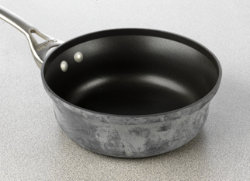
To restore hard anodized cookware exterior, clean it with a mixture of baking soda and water. Rinse thoroughly and dry it to maintain its appearance.
Hard anodized cookware is known for its durability and non-stick properties, making it a popular choice in kitchens. Over time, the exterior can become discolored or dull due to regular use. Restoring its original look not only enhances its aesthetic appeal but also extends its lifespan.
Proper maintenance is crucial to keep your cookware functional and visually appealing. Using the right cleaning methods ensures that you avoid damaging the surface while effectively removing grime and stains. This guide provides practical tips to revitalize your hard anodized cookware, allowing you to enjoy cooking with it for years to come.

Credit: prudentreviews.com
Introduction To Hard Anodized Cookware
Hard anodized cookware is a popular choice for many home cooks. It features a unique process that enhances its durability and performance. This cookware is made by oxidizing aluminum, creating a thick layer of oxide. This layer is non-reactive and resistant to scratches. Hard anodized cookware heats evenly, making cooking more efficient. It is also easy to clean and maintain.
Benefits Of Using Hard Anodized Cookware
Choosing hard anodized cookware comes with several advantages:
- Durability: Resistant to warping and scratching.
- Even Heating: Ensures food cooks uniformly.
- Non-Reactive: Safe for cooking acidic foods.
- Easy Cleanup: Non-stick surface simplifies cleaning.
- Lightweight: Easy to handle while cooking.
Common Causes Of Dullness
Over time, hard anodized cookware may lose its shine. Here are common reasons for dullness:
- Improper cleaning methods.
- Use of metal utensils.
- High heat exposure.
- Storing cookware improperly.
Understanding these causes helps maintain the cookware’s appearance and performance. Regular care ensures long-lasting shine and functionality.
Assessing Your Cookware’s Condition
Before restoring your hard anodized cookware, assess its condition. Understanding the wear and tear helps you decide if restoration is necessary. Examine your pots and pans carefully. Look for signs of damage or deterioration.
Identifying Wear And Tear
Recognizing wear and tear is crucial. Here are common signs to check:
- Scratches: Check for visible scratches on the surface.
- Discoloration: Look for any fading or dark spots.
- Peeling: Notice if any coating is peeling off.
- Stains: Identify persistent stains that won’t wash away.
- Warping: Ensure the base is flat and not warped.
Use a soft cloth to wipe the surface. This helps reveal hidden scratches or stains.
When To Consider Restoration
Restoration may be necessary if you notice significant damage. Here are some factors to consider:
- Frequent use: If you cook daily, restoration is wise.
- Health concerns: Damaged cookware may release harmful substances.
- Performance issues: Food sticks or cooks unevenly.
- Aesthetics: Restore for a fresh and clean appearance.
Weigh the costs of restoration against the benefits. A well-maintained cookware set improves your cooking experience.
Gathering The Right Materials
Restoring the exterior of hard anodized cookware requires specific materials. These items make the process easier and more effective. Ensuring you have everything ready will save time and effort.
Essential Cleaning Agents
Cleaning agents help remove grime and restore shine. Here are the best options:
- Baking Soda: A gentle abrasive that cleans well.
- Vinegar: Effective in cutting through grease.
- Dish Soap: Helps in removing stubborn stains.
- Olive Oil: Can add shine and protect the surface.
Mix these agents as needed for optimal results. Always test on a small area first.
Tools For Effective Polishing
Using the right tools makes polishing easier. Here’s a list of essential tools:
| Tool | Purpose |
|---|---|
| Soft Cloth: | For gentle cleaning and polishing. |
| Non-Abrasive Scrub Brush: | Helps scrub without scratching. |
| Microfiber Towel: | For drying and adding shine. |
| Spray Bottle: | For easy application of cleaning solutions. |
Having these tools ready makes restoration quick. Follow the steps carefully for best results.

Credit: www.reddit.com
The Cleaning Process
Cleaning hard anodized cookware helps maintain its appearance and performance. Proper cleaning methods restore its exterior shine and longevity. Follow the steps below to ensure your cookware looks new again.
Step-by-step Cleaning Guide
- Gather Your Supplies:
- Mild dish soap
- Soft sponge or cloth
- Warm water
- Baking soda (optional)
- Cool Down: Allow the cookware to cool completely. Hot cookware can warp or become damaged.
- Rinse: Rinse the cookware with warm water. This helps remove loose debris.
- Apply Soap: Use a few drops of mild dish soap. Apply it to the sponge or cloth.
- Scrub Gently: Clean the exterior with soft circular motions. Avoid using steel wool or abrasive cleaners.
- Handle Stains: For tough stains, sprinkle baking soda on the area. Scrub gently with the sponge.
- Rinse Again: Rinse thoroughly with warm water. Ensure no soap residue remains.
- Dry Completely: Use a soft cloth to dry the cookware. This prevents water spots.
Avoiding Common Cleaning Mistakes
| Common Mistake | Impact | Correct Approach |
|---|---|---|
| Using abrasive cleaners | Scratches the surface | Use mild soap and soft sponges |
| Cleaning while hot | Warps or damages cookware | Always cool before cleaning |
| Skipping rinsing | Soap residue remains | Always rinse thoroughly |
| Using the dishwasher | Can damage the cookware | Hand wash only |
Following this cleaning process helps maintain the quality of your hard anodized cookware. Avoid common mistakes to extend its life.
Polishing Techniques For Shine Restoration
Restore the shine of your hard anodized cookware with effective polishing techniques. A bright finish enhances its appearance and cooking performance. Here, we explore various methods to achieve that polished look.
Natural Vs. Chemical Polishes
Choosing the right polish is crucial. Natural and chemical polishes offer different benefits:
| Type | Benefits | Considerations |
|---|---|---|
| Natural Polishes |
|
|
| Chemical Polishes |
|
|
Buffing For Extra Shine
Buffing is a simple way to enhance shine. Follow these steps for effective buffing:
- Clean the cookware surface thoroughly.
- Apply a small amount of polish.
- Use a soft cloth or buffing pad.
- Buff in circular motions.
- Wipe off excess polish with a clean cloth.
Regular buffing maintains the cookware’s shine. It also helps to remove any built-up residue. A shiny exterior makes cooking enjoyable.
Protecting The Restored Surface
After restoring your hard anodized cookware, protecting the surface is essential. This ensures longevity and maintains its shine. A well-protected surface resists scratches and stains. Here are some effective methods to safeguard your cookware.
Sealing The Shine
Sealing the restored surface keeps it looking new. Use a food-safe sealant designed for cookware. Follow these steps:
- Clean the cookware thoroughly.
- Apply the sealant evenly across the surface.
- Let it dry completely before using.
Choose sealants that withstand high heat. This helps keep your cookware safe from damage. Regularly check the sealant for wear and reapply as needed.
Maintenance Tips For Longevity
Proper maintenance extends the life of your cookware. Follow these tips for best results:
- Use soft sponges for cleaning.
- Avoid metal utensils to prevent scratches.
- Store cookware carefully to avoid stacking.
- Wash with mild dish soap and warm water.
Preventing high heat exposure helps avoid warping. Regularly inspect for any signs of damage. Small repairs can save your cookware. Protecting the restored surface is vital for lasting performance.
Troubleshooting Common Issues
Restoring hard anodized cookware can be tricky. Stains and damage may occur over time. Understanding how to tackle these issues helps maintain your cookware.
Dealing With Stubborn Stains
Stubborn stains can ruin the appearance of your cookware. Here are some effective methods to remove them:
- Baking Soda Paste: Mix baking soda with water. Apply it to the stain. Let it sit for 30 minutes, then scrub gently.
- Vinegar Solution: Combine equal parts vinegar and water. Soak a cloth in the solution. Wipe the stained area thoroughly.
- Dish Soap and Warm Water: Use a soft sponge with mild dish soap. Rinse well after cleaning.
Try these methods. Test in a small area first to avoid damage.
Restoration Challenges
Restoration may not always go as planned. Here are common challenges and solutions:
| Challenge | Solution |
|---|---|
| Scratches on Surface | Use a fine steel wool pad. Buff gently to minimize scratches. |
| Peeling Coating | Replace the cookware. Peeling cannot be fixed. |
| Discoloration | Use a mixture of vinegar and baking soda. Scrub lightly. |
Addressing these challenges helps maintain your cookware’s performance. Regular cleaning prevents most issues.

Credit: www.youtube.com
When To Seek Professional Help
Knowing when to seek professional help for your hard anodized cookware is crucial. Some damage requires expert skills and tools. Professional restoration can save your cookware and enhance its lifespan.
Signs You Need A Pro
Look for these signs that indicate it’s time to call a professional:
- Deep Scratches: Visible scratches that affect cooking performance.
- Peeling Coating: Any peeling or chipping of the anodized layer.
- Discoloration: Significant color changes due to heat or chemicals.
- Warped Shape: A warped pan that doesn’t sit flat on the stove.
- Stains: Persistent stains that won’t come off with regular cleaning.
Finding Reputable Restoration Services
Finding a reliable restoration service can be simple. Follow these steps:
- Research: Use online reviews to find local services.
- Ask for Recommendations: Seek advice from friends or family.
- Check Credentials: Ensure they have proper certifications.
- Get Quotes: Compare prices from multiple services.
- Ask About Methods: Inquire about their restoration process.
Taking these steps ensures you choose a trustworthy service. Professional help can restore your cookware to its former glory.
Frequently Asked Questions
How Can I Restore Hard Anodized Cookware?
To restore hard anodized cookware, start by cleaning it thoroughly. Use a mixture of baking soda and water to create a paste. Apply the paste to the affected areas and scrub gently with a soft sponge. Rinse well, and repeat if necessary to remove stubborn stains.
Is It Safe To Use Metal Utensils On Hard Anodized Cookware?
Yes, it is generally safe to use metal utensils on hard anodized cookware. The anodized layer is durable and resistant to scratches. However, to prolong the life of your cookware, consider using silicone or wooden utensils for everyday cooking. This will help maintain its appearance and performance.
Can I Use Abrasive Cleaners On Hard Anodized Cookware?
No, abrasive cleaners should be avoided on hard anodized cookware. They can scratch the surface and damage the anodized layer. Instead, opt for mild dish soap and non-abrasive sponges for cleaning. This will help preserve the integrity of your cookware and keep it looking new.
How To Prevent Damage To Hard Anodized Cookware?
To prevent damage, always use low to medium heat settings. Avoid using high heat, which can warp the cookware. Additionally, refrain from putting hard anodized cookware in the dishwasher. Hand washing with gentle cleansers will help maintain its finish and extend its lifespan.
Conclusion
Restoring the exterior of hard anodized cookware can greatly extend its lifespan. Simple cleaning methods and regular maintenance help preserve its appearance. Use gentle products to avoid damage. With the right care, your cookware will remain functional and attractive for years.
Enjoy your cooking experience with restored confidence in your kitchen tools.

Leave a Reply