
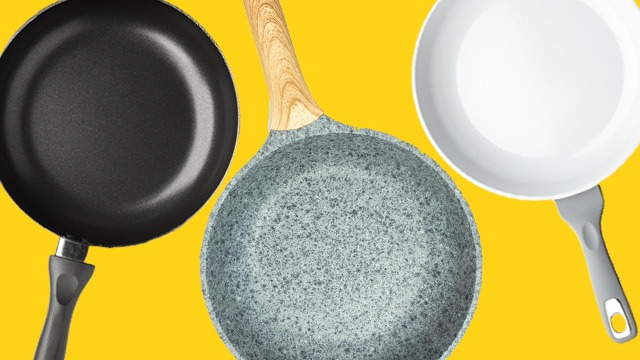
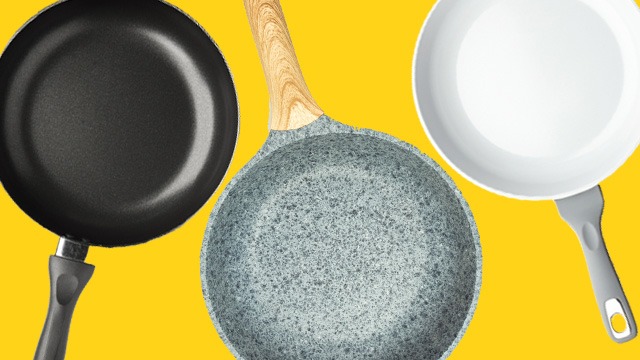
PTFE cookware uses a synthetic nonstick coating, while ceramic cookware features a natural mineral-based surface for cooking.
When you're standing in a kitchen supply store staring at rows of cookware, you've probably wondered what makes one pan fundamentally different from another. The choice between PTFE and ceramic cookware is one of the most important decisions home cooks face today, and it goes far beyond just picking a pretty pot. I've tested both types extensively in my own kitchen, and I can tell you that understanding the differences between these two popular nonstick options will transform how you cook and what you feel comfortable putting on your stovetop.
The cookware you choose affects everything from your food quality to your family's health and your kitchen's long-term sustainability. Whether you're a casual weeknight dinner maker or someone who loves experimenting with new recipes, the PTFE versus ceramic debate deserves serious consideration. Let's dive deep into what sets these two cooking surfaces apart and help you make the choice that's right for your kitchen.
Understanding PTFE Cookware
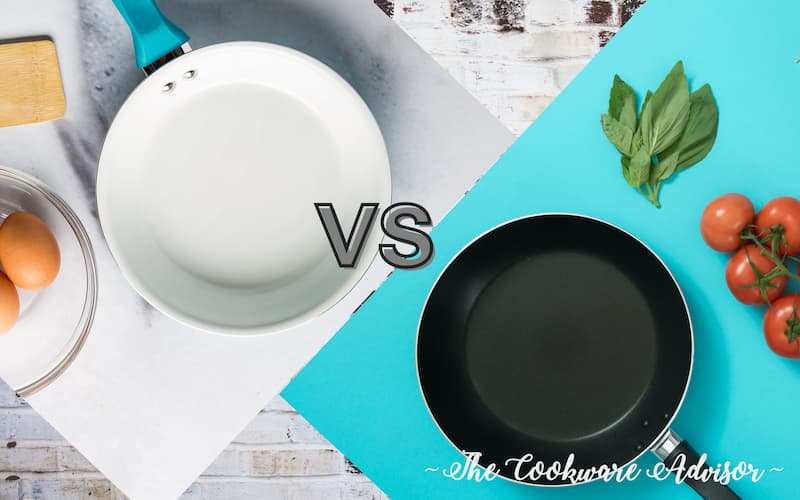
PTFE stands for polytetrafluoroethylene, a synthetic polymer that's been around since the 1930s. When manufacturers apply PTFE to cookware, they create that slippery nonstick surface we've all come to know and love. The magic happens because PTFE molecules don't bond well with other materials, which means food slides right off without sticking. I remember my first PTFE pan—I was amazed at how effortlessly I could cook an egg without any butter or oil. That experience changed how I thought about daily cooking.
PTFE cookware works best when temperatures stay below 500 degrees Fahrenheit, though most quality brands are designed to handle everyday cooking temperatures between 350 and 400 degrees. The nonstick properties start to degrade as temperatures rise, and this is something you need to keep in mind when selecting your cooking method. Many home cooks appreciate PTFE cookware because it requires minimal oil or butter, making dishes naturally lower in added fats.
The performance of PTFE cookware depends heavily on the quality of the coating and the base material underneath. Premium PTFE cookware typically features multiple layers of coating applied to a sturdy aluminum or stainless steel base, which helps with heat distribution and durability. Budget-friendly options often have thinner coatings and cheaper bases, meaning they won't perform as well or last as long.

Understanding Ceramic Cookware
Ceramic cookware offers a completely different approach to nonstick cooking. Instead of a synthetic polymer, ceramic features a surface made from inorganic compounds derived from minerals like silicon dioxide. When you cook with ceramic, you're using materials that exist naturally in the earth—a concept that appeals to many health-conscious cooks. I switched to ceramic cookware about five years ago, and I appreciated knowing exactly what was touching my food.
Ceramic cookware typically tolerves higher temperatures than PTFE, generally up to 600 degrees Fahrenheit or higher depending on the brand. This makes ceramic an excellent choice for searing meat, making stir-fries, or using your cookware in the oven. The nonstick surface isn't quite as slippery as PTFE initially, but quality ceramic cookware performs remarkably well once you understand how to use it properly.
The ceramic coating process involves spraying or baking mineral-based compounds onto the cookware base, creating a hard, durable surface. Unlike PTFE, ceramic coatings don't contain fluorine compounds, which makes them appealing to people concerned about chemical exposure in their kitchen. Most ceramic cookware comes with a sturdy aluminum or stainless steel base that handles heat distribution reasonably well, though some budget versions can have uneven heating.
Key Differences Between PTFE and Ceramic Cookware
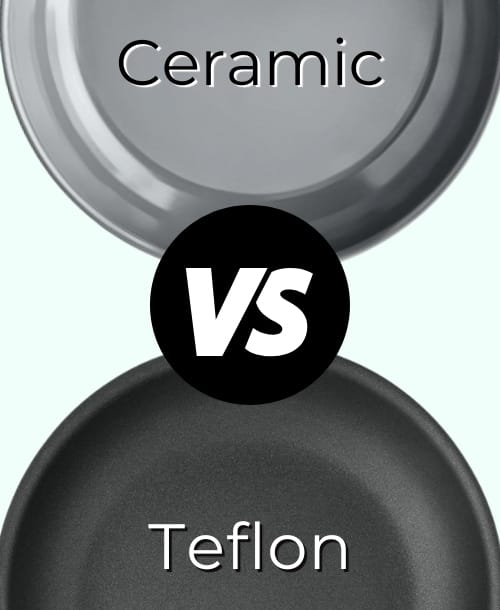
The most obvious difference between PTFE and ceramic cookware lies in their composition and how they create nonstick surfaces. PTFE relies on synthetic chemistry to repel food, while ceramic uses natural mineral properties to prevent sticking. This fundamental difference shapes everything else about how these pans perform, wear, and fit into your cooking lifestyle.
Heat tolerance represents another critical distinction. PTFE cookware works best at moderate temperatures and can release harmful fumes if overheated beyond manufacturer guidelines. Ceramic cookware handles higher heat without concern, making it more versatile for different cooking techniques. In my kitchen, I use ceramic when I'm making dishes that require high-heat searing and reserve PTFE for gentler cooking methods.
The longevity of nonstick performance differs between these two options as well. PTFE cookware typically maintains its superior nonstick properties for three to five years with proper care, after which the coating gradually wears down. Ceramic cookware can last longer in terms of physical durability, but the nonstick surface may eventually require recoating or become less effective over time. Price points vary too, with PTFE cookware generally offering better initial nonstick performance at lower price points, while quality ceramic cookware commands a premium.
Health and Safety Considerations
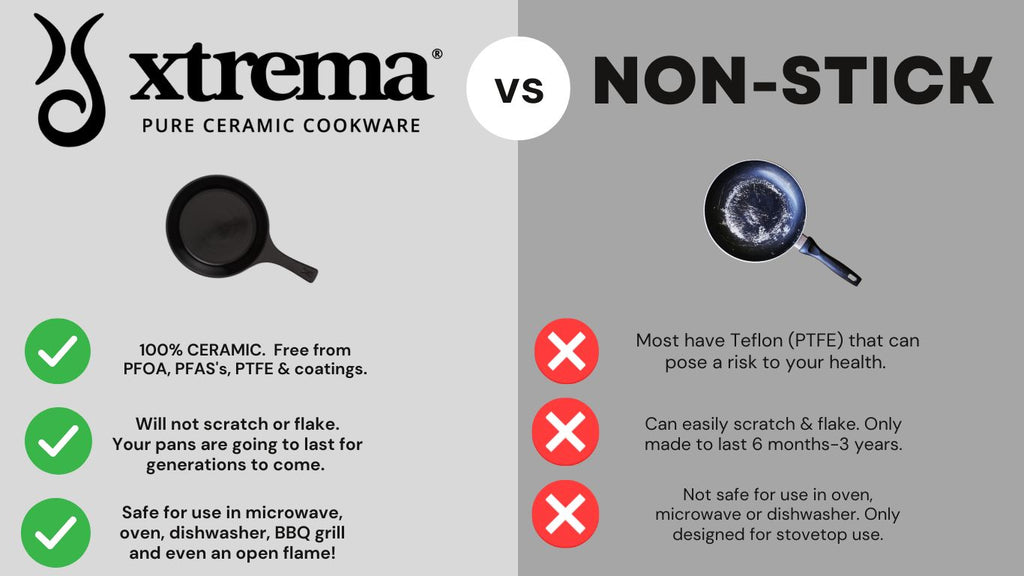
Health concerns often drive the PTFE versus ceramic decision, and it's worth understanding what the science actually says. PTFE itself, when intact and used according to manufacturer guidelines, is considered safe by most regulatory agencies. The concern arises when PTFE coatings are heated beyond safe temperatures, potentially releasing perfluorooctanoic acid (PFOA) and other compounds. I make sure to never preheat an empty PTFE pan, and I keep temperatures below the recommended limits to avoid any risk.
Ceramic cookware generally presents no chemical concerns since it's made from natural minerals without fluorine compounds. This makes ceramic particularly appealing for families worried about chemical exposure, especially those with young children or pregnant women in the household. The surface itself is stable at all normal cooking temperatures and won't degrade in ways that could affect your food.
One consideration with ceramic cookware involves the manufacturing process and the paints or glazes used on the exterior. Not all ceramic cookware is created equal, and some budget options may contain materials you'd prefer to avoid. Purchasing from reputable manufacturers ensures you're getting ceramic cookware that meets safety standards and doesn't contain harmful lead or cadmium in the coating or exterior decoration.
The presence of PFOA in older PTFE cookware caused significant concern, which led manufacturers to reformulate their products. Today's PTFE cookware typically uses PFOA-free coatings, making them considerably safer than older versions. However, this history explains why many people prefer the peace of mind that comes with ceramic cookware.

Nonstick Performance Comparison
When it comes to actual cooking performance, PTFE cookware starts with an advantage. The nonstick properties are superior right out of the box, and you can cook delicate foods like fish or eggs with almost no oil or butter. I could flip a thin omelet without any sticking on my PTFE pan, something that required more skill and care on ceramic cookware initially.
Ceramic cookware requires a brief adjustment period as you learn to work with its properties. While modern ceramic cookware performs surprisingly well, it doesn't quite match the effortless nonstick nature of PTFE. However, once you adjust your cooking techniques and seasoning approach, ceramic cookware performs admirably for most daily cooking tasks. The gap in performance has narrowed significantly as ceramic cookware technology has improved.
The way these surfaces respond to different cooking methods matters too. PTFE is more forgiving with metal utensils (though silicone or wood is still recommended), while ceramic can be scratched more easily by metal implements. Acidic foods like tomato sauce are generally fine for both surfaces, but PTFE handles them slightly more gracefully without any degradation of the nonstick coating.
Over time, PTFE performance declines noticeably as the coating wears away through regular use and washing. Ceramic surfaces degrade more gradually, maintaining relatively consistent performance until the coating eventually needs replacement. If you cook frequently, you might notice PTFE performance dropping after a year or two of heavy use, whereas ceramic maintains its properties for considerably longer.
Durability and Longevity
PTFE cookware typically lasts three to five years before nonstick performance significantly diminishes, though the physical cookware itself might last longer. The coating gradually thins through normal use, washing, and exposure to heat, eventually leading to increased sticking. I've experienced this with several PTFE pans—they started performing beautifully but gradually became less reliable as the coating wore down.
Ceramic cookware tends to outlast PTFE in terms of overall lifespan, often maintaining physical integrity for seven to ten years or longer. The harder mineral-based coating resists wear differently than PTFE, though repeated use and washing will eventually affect performance. Unlike PTFE, ceramic won't have a dramatic cliff where suddenly everything sticks—instead, the transition is gradual.
The base material underneath the nonstick coating significantly impacts longevity for both types. Cookware with sturdy aluminum or stainless steel bases handles repeated heating and cooling better than thin, flimsy bases. A quality PTFE pan on a solid base will outlast a cheap ceramic pan on a thin base, so don't focus exclusively on the coating type without considering the overall construction.
Care and maintenance practices directly influence how long either type of cookware lasts. Using appropriate utensils, avoiding extreme temperature changes, and hand-washing rather than using aggressive dishwasher cycles all extend the life of your cookware. I've found that treating cookware gently—avoiding metal utensils and harsh scrubbing—adds years to its useful life regardless of whether it's PTFE or ceramic.
Cost Analysis and Value
PTFE cookware generally costs less upfront, with quality options available at reasonable prices. You can find decent PTFE cookware sets for fifty to one hundred dollars, making this option accessible for budget-conscious shoppers. However, you'll need to replace PTFE cookware more frequently as the coating degrades, which affects the long-term cost equation.
Ceramic cookware typically commands higher initial prices, with quality ceramic cookware often costing fifty to two hundred dollars or more per piece. This higher upfront investment reflects the superior temperature tolerance and longer-lasting coating properties. Despite the higher initial cost, ceramic cookware often proves more economical over a longer timeframe because you won't need to replace it as quickly.
When calculating true cost of ownership, consider how long you expect your cookware to last and how often you're willing to replace it. If you replace PTFE cookware every three years and ceramic every seven years, the long-term costs become much more comparable. Interestingly, premium PTFE cookware sometimes costs nearly as much as quality ceramic, so price alone shouldn't be your deciding factor.
The value proposition shifts based on your cooking habits and budget situation. Frequent cooks who use cookware daily might justify the ceramic investment for its durability, while casual cooks might prefer replacing affordable PTFE cookware periodically. Neither option requires you to spend a fortune to get reliable performance, so focus on quality construction within whatever price range suits your circumstances.

Environmental Impact and Sustainability
PTFE production involves chemical processes that raise environmental concerns for some consumers. The manufacturing of fluorinated compounds and the potential for PFOA release into water supplies have prompted environmental advocates to favor alternatives. Additionally, when PTFE cookware eventually ends up in landfills, the nondegradable coating persists indefinitely.
Ceramic cookware uses natural minerals and avoids fluorine-based chemistry, which appeals to environmentally conscious shoppers. However, ceramic cookware manufacturing also requires energy and processing, so it's not without environmental cost. The key difference is that ceramic components will eventually break down naturally, whereas PTFE persists indefinitely in the environment.
The production of both cookware types requires energy and resources, and neither option is perfectly sustainable. However, ceramic cookware's longer lifespan means you need to purchase and replace it less frequently, reducing overall environmental impact. From an environmental perspective, buying one quality ceramic pan that lasts seven years is better than replacing a PTFE pan every three years.
Recycling presents another consideration. PTFE cookware is difficult to recycle due to the specialized coating, while ceramic cookware can sometimes be recycled more readily depending on local facilities. Most cookware ultimately ends up in landfills, but ceramic cookware's natural composition makes it less problematic from an environmental standpoint.

Cleaning and Maintenance
PTFE cookware requires gentle cleaning to preserve the nonstick coating. Hand-washing is almost always recommended, and you should avoid scouring pads, steel wool, or harsh abrasive cleaners that damage the coating. A simple wash with warm soapy water and a soft sponge keeps PTFE cookware in good condition. I've learned that taking thirty seconds to hand-wash my PTFE pans immediately after use prevents buildup and extends their life significantly.
Ceramic cookware is more forgiving during cleaning and can handle slightly more aggressive scrubbing than PTFE. You can use softer scrubbing pads on ceramic without worrying about damaging the coating quite as easily. Most ceramic cookware handles dishwasher washing, though hand-washing still extends the coating's lifespan and performance.
Seasoning approaches differ between these two options. PTFE cookware arrives preseasoned and doesn't require additional seasoning to maintain performance. Ceramic cookware sometimes benefits from light seasoning with oil after cooking, which helps maintain the nonstick surface and can improve performance over time. This simple step takes just a minute but contributes to better long-term results.
Staining and discoloration affect ceramic cookware more noticeably than PTFE. You might see slight discoloration from certain foods or mineral deposits from water, but these are purely cosmetic and don't affect performance. Most ceramic cookware maintains its appearance well with regular care, though it may not look brand new after extended use.
Cooking Techniques and Recipes
Different recipes benefit from different cookware properties, and understanding these nuances helps you cook better. PTFE cookware excels with delicate proteins like fish, eggs, and crepes where effortless nonstick properties prevent sticking and tearing. The minimal oil requirement makes PTFE ideal for health-conscious cooks preparing lighter meals.
Ceramic cookware shines with recipes that benefit from higher heat, including stir-fries, searing meat, and dishes requiring browning and caramelization. The heat tolerance allows you to achieve better browning and development of flavors that PTFE might not handle as effectively. From my experience, I use ceramic when I want to create a nice crust on chicken breasts or when making Asian stir-fry dishes.
Acidic cooking requires some care with both surfaces, but neither presents serious problems with PTFE or ceramic cookware. Tomato sauce, vinegar-based dishes, and wine reduction sauces all work fine, though you shouldn't store acidic foods in your cookware for extended periods. Prolonged contact with highly acidic substances can eventually affect the nonstick coating on both types.
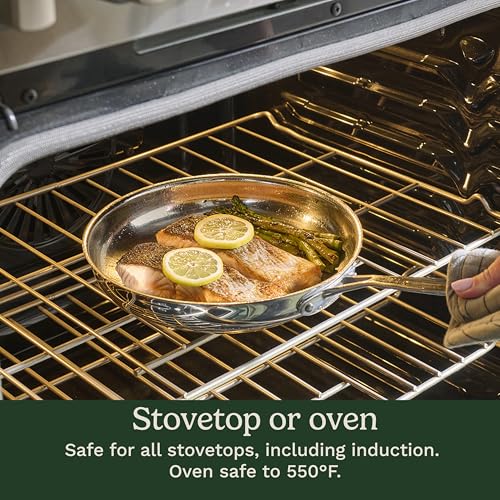
Baking and oven use present different considerations. PTFE cookware can go in the oven up to the manufacturer's temperature limit, usually around 350 to 500 degrees. Ceramic cookware generally handles oven temperatures up to 600 degrees or higher, making it more versatile for recipes requiring stovetop browning followed by oven finishing.
Common Myths and Misconceptions
One persistent myth suggests that PTFE cookware is inherently unsafe and dangerous, but this isn't supported by evidence when used according to manufacturer guidelines. The safety concerns from decades past have largely been addressed through reformulated products without PFOA. Used properly, PTFE cookware presents no greater health risk than many other kitchen items.
Another misconception claims that ceramic cookware lasts forever and never needs replacement. In reality, ceramic coatings do wear down over time, especially on lower-quality cookware. While ceramic lasts longer than PTFE, expecting your ceramic pan to remain perfectly nonstick after ten years of daily use is unrealistic.
Some people believe that ceramic cookware requires no special care, but this isn't entirely true. While ceramic is more durable than PTFE, it still benefits from gentle handling and appropriate cleaning methods. Metal utensils can scratch ceramic surfaces, and extreme temperature changes can cause damage, just as with other cookware.
The myth that you can't use any oil or butter with nonstick cookware causes confusion for many home cooks. Adding a small amount of oil actually improves cooking results with both PTFE and ceramic, even though these surfaces are designed to work without it. I've found that a light coating of oil enhances browning and flavor development while still requiring minimal added fat.
Making Your Choice: Which Is Right for You
Choosing between PTFE and ceramic cookware ultimately depends on your priorities, cooking style, and values. If you prioritize immediate nonstick performance and don't mind replacing cookware every few years, PTFE offers excellent value and reliability. Budget-conscious cooks who prepare delicate foods appreciate PTFE's superior initial nonstick properties and lower price point.
Consider ceramic cookware if you cook frequently, prefer higher cooking temperatures, or value durability and longevity over initial nonstick performance. Environmental concerns and health preferences also reasonably favor ceramic for many households. If you cook several times daily and use your cookware for searing, stir-frying, and oven finishing, ceramic's versatility and durability provide better long-term value.
Your cooking methods should influence your decision significantly. Frequent high-heat cooking favors ceramic, while gentle cooking methods like scrambling eggs or making delicate fish dishes favor PTFE. Many experienced cooks maintain both types, using each for its strengths.
Think about your lifestyle and how much time you want to spend on cookware maintenance. PTFE requires gentle hand-washing and careful handling but performs beautifully with minimal effort. Ceramic is more forgiving during cleaning and more durable but requires slightly more technique to achieve the best nonstick results. Neither option demands excessive maintenance compared to other cookware types.
Frequently Asked Questions
Is PTFE cookware safe to use in 2024?
Yes, modern PTFE cookware is safe when used according to manufacturer guidelines, as companies have reformulated products to eliminate PFOA and use safer fluoropolymer coatings. Avoid preheating empty pans and stay within recommended temperature limits to ensure safety and optimal performance.
Can you use metal utensils on ceramic cookware?
While ceramic cookware is more resistant to scratching than PTFE, it's still best to use wooden or silicone utensils to preserve the nonstick coating and extend the cookware's lifespan. Metal utensils can eventually damage the ceramic surface with repeated use.
Which cookware heats more evenly, PTFE or ceramic?
Both types depend heavily on the base material rather than the nonstick coating itself. Cookware with aluminum cores or stainless steel construction heats more evenly regardless of whether it has PTFE or ceramic coating. Quality matters more than the coating type when it comes to heat distribution.
How do you know when PTFE cookware needs replacing?
When food starts sticking noticeably despite using appropriate cooking fat and techniques, your PTFE coating is likely wearing out. If you notice flaking or peeling coating, scratches revealing the base material, or the pan just doesn't perform like it used to, it's time to replace it.
Can ceramic cookware go in the dishwasher?
Most quality ceramic cookware is dishwasher-safe, though hand-washing extends the coating's lifespan and maintains optimal nonstick properties. Check the manufacturer's instructions for your specific cookware, as some premium ceramic options recommend hand-washing to preserve the coating.
Is ceramic cookware really nonstick?
Quality ceramic cookware provides good nonstick properties, though not quite as slippery as PTFE initially. Ceramic nonstick performance improves with proper use and care, and many cooks find it performs admirably for everyday cooking once they understand how to use it effectively.
Wrapping Up Your Cookware Decision
The choice between PTFE and ceramic cookware doesn't have to be complicated once you understand what matters most to you. Both options provide reliable nonstick cooking when you purchase quality cookware from reputable manufacturers. PTFE offers immediate superior nonstick performance and lower cost, while ceramic provides greater durability, higher heat tolerance, and environmental benefits.
Start by honestly assessing your cooking habits, budget constraints, and personal values around health and sustainability. If you cook frequently with diverse methods and techniques, investing in quality ceramic cookware likely provides better long-term value. If you prepare mostly gentle dishes and appreciate effortless nonstick cooking, PTFE cookware suits your needs perfectly.
Consider purchasing one quality pan in whichever material calls to you rather than committing to a full set immediately. This approach lets you experience how each cookware type feels in your kitchen before making a larger investment. You'll develop a real sense of which nonstick surface works best for your cooking style and preferences.
Take action today by evaluating your current cookware situation and identifying which of your most-used recipes could benefit from better nonstick performance. Whether you choose PTFE or ceramic, selecting quality construction and reputable brands ensures you get cookware that performs beautifully and lasts as long as possible. Your kitchen and your cooking deserve cookware that makes daily meal preparation enjoyable and reliable.

Leave a Reply