
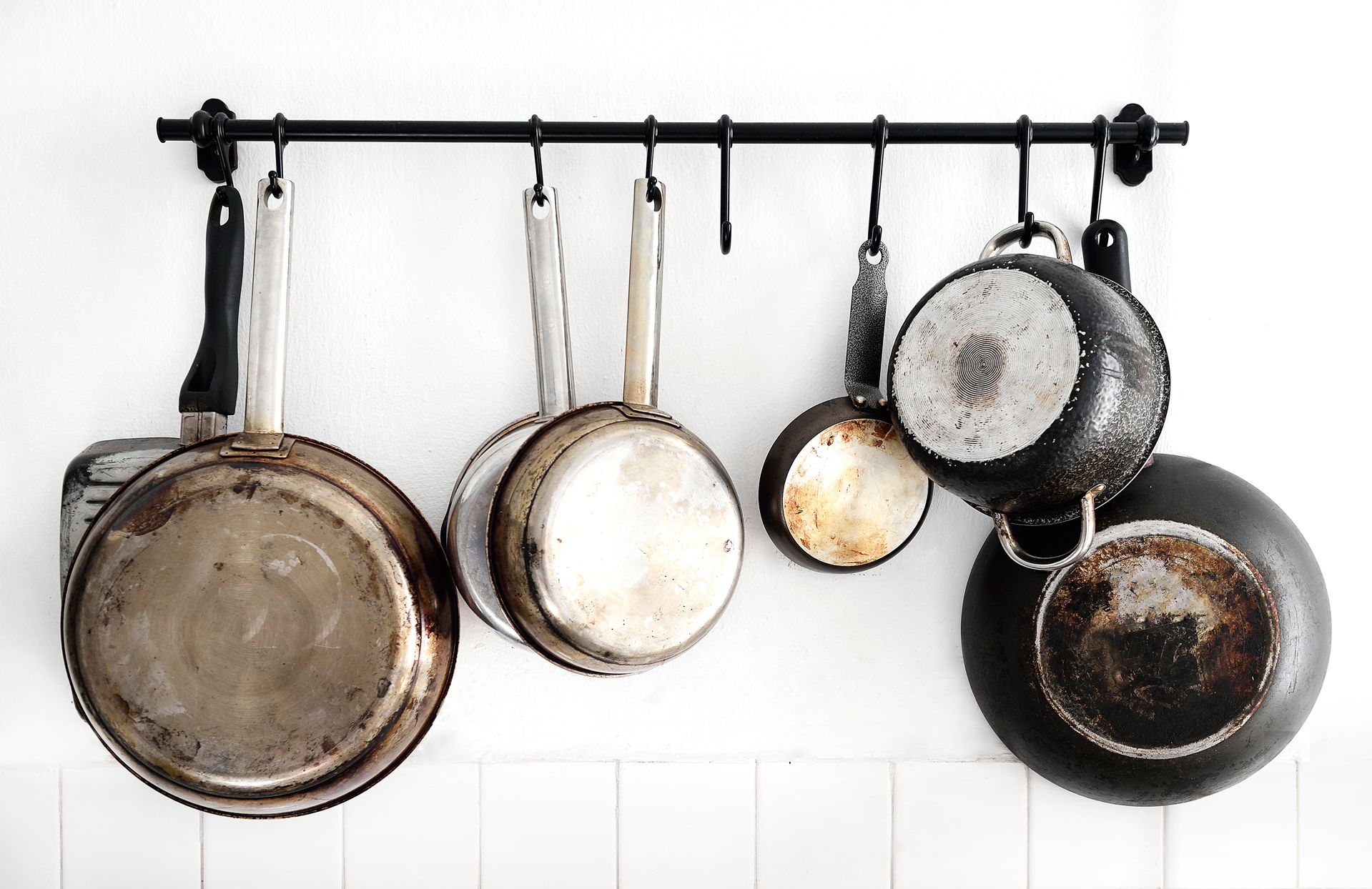
Pots and pans can be recycled depending on the material they’re made from. Metal cookware, especially aluminum and stainless steel, is often recyclable.
Understanding the importance of recycling is crucial for environmental conservation, and this extends to our kitchen cookware. Pots and pans don’t last forever; over time, they get worn out or damaged. Instead of tossing them in the trash, consider recycling as a sustainable option.
Knowing which materials can be recycled helps reduce waste and conserve resources. Metal pots and pans are typically accepted by most recycling programs, provided they are clean and free from any plastic handles or non-metal parts. It’s essential to check with local recycling guidelines to ensure proper disposal. Embracing recycling in the kitchen is a simple yet powerful step towards a greener planet, and it begins with something as everyday as our cookware.
The Importance Of Recycling Kitchenware
The Importance of Recycling Kitchenware often goes overlooked. Yet, it plays a vital role in our approach to sustainable living. From the pots and pans we use daily to the occasional baking trays, each item holds potential for recycling. Understanding this importance can lead to significant environmental benefits.
Environmental Impact Of Kitchen Waste
Every year, tons of kitchenware end up in landfills. This waste contributes to pollution and resource depletion. Recycling helps reduce this impact.
- Less landfill space used: Recycled items take up no new land.
- Reduced resource extraction: Recycling conserves raw materials.
- Lower emissions: Manufacturing new products from recycled materials often uses less energy. This leads to fewer greenhouse gases.
Benefits Of Recycling Pots And Pans
Recycling our kitchenware, especially pots and pans, comes with many advantages.
| Benefit | Description |
|---|---|
| Conserves Resources | Recycling keeps materials in use and out of the trash. |
| Saves Energy | Making new products from recycled ones uses less power. |
| Supports Jobs | Recycling industries create work opportunities. |
| Reduces Pollution | Recycling cuts down on harmful manufacturing processes. |
By recycling pots and pans, we not only aid the environment but also help our communities. It’s a simple act with powerful outcomes.
Types Of Recyclable Kitchen Items
Kitchen recycling goes beyond bottles and cans. Many pots and pans can join the recycling bin. This section helps identify which kitchen items you can recycle.
Identifying Recyclable Materials
Start by checking for symbols. Most recyclable kitchenware has a recycling logo. Look for numbers within triangles on the bottom of items. These symbols show the type of material and if it’s recyclable.
Common Recyclable Kitchenware
Stainless steel and cast iron are often recyclable. Aluminum pots and pans can be recycled too. Here’s a list of common items:
- Pots and pans with recycling symbols
- Utensils made of metal
- Baking sheets and pizza pans
- Metal lids and handles
Recycle these items at local centers. Ensure they are clean and free of food waste.
Preparing Pots And Pans For Recycling
Recycling old pots and pans is a great eco-friendly practice. It keeps metal out of landfills. It also conserves resources. But before recycling, prepare them properly. This ensures a smooth recycling process. Here’s how to get your cookware ready for a new life.
Cleaning And Maintenance
First, clean your pots and pans. Remove all food residue. Use hot soapy water for this. A scrub brush can help with stuck-on food. Clean cookware is a must for recycling centers. It prevents contamination.
- Scrub with soapy water
- Rinse thoroughly
- Dry completely
Removing Non-recyclable Parts
Next, take apart your cookware. Focus on non-recyclable parts. These are usually plastic or rubber handles. Screws and rivets may also need removal.
- Detach handles and knobs
- Unscrew any metal connectors
- Separate all non-metal components
Some pans have non-stick coatings. These may not be recyclable. Check with local facilities.
Proper preparation is key. It ensures a successful recycling journey for your cookware. Follow these steps to do your part for the planet.
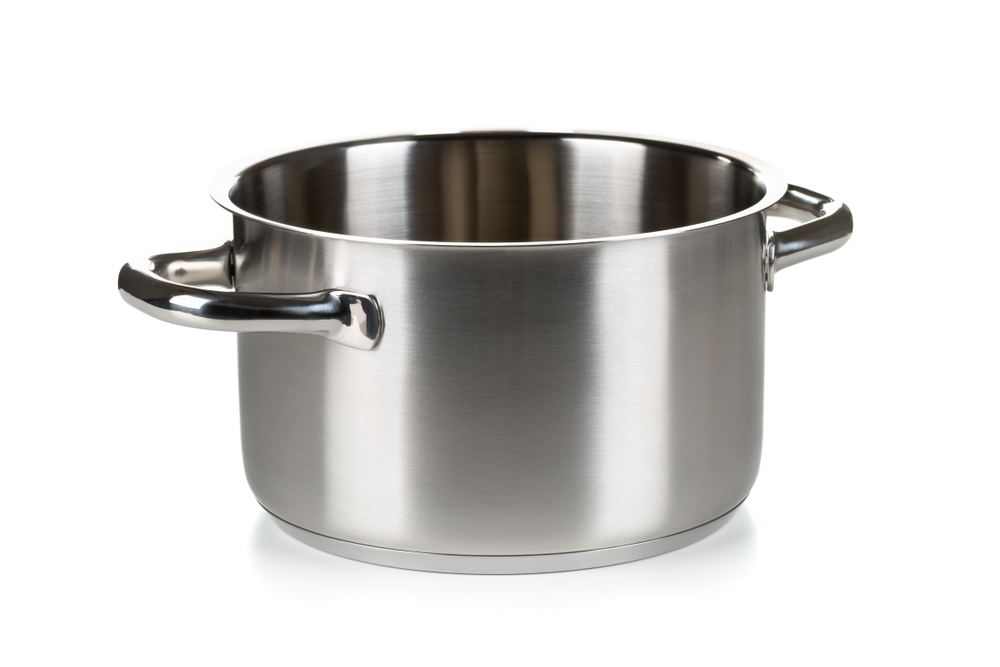
Credit: www.fcgov.com
Finding The Right Recycling Facility
When it’s time to upgrade your kitchen, don’t just toss out old pots and pans. These items can find new life through recycling. But, knowing where to take them is crucial. Let’s explore how you can locate the perfect recycling facility for your kitchenware.
Local Recycling Programs
Community recycling services often accept cookware. They turn old items into new treasures. Reach out to your city’s waste management to learn more. They’ll guide you on what they accept and the drop-off process.
- Check local recycling guidelines online
- Call your town hall for program details
- Visit nearby recycling bins for kitchen items
Specialized Recycling Centers For Kitchenware
Some centers focus on recycling kitchenware. They have the right tools to handle metals and coatings. Use online resources to find these facilities. They ensure your pots and pans are recycled properly.
- Search for “kitchenware recycling centers” online
- Read reviews to choose a reputable center
- Call ahead to confirm they’ll take your items
Creative Reuse Of Old Kitchen Items
Think twice before tossing out those old kitchen items. Pots and pans don’t belong in the trash! They hold potential for a second life. Creative reuse breathes new purpose into old kitchenware. It’s sustainable and sparks joy. Let’s transform your cluttered kitchen cupboards into a treasure trove of possibilities.
Upcycling Ideas For Pots And Pans
- Planters: Drill holes in the bottom, fill with soil, and plant herbs.
- Outdoor Decor: Hang pans as whimsical garden art.
- Storage Solutions: Organize art supplies or tools in old pots.
- Candle Holders: Melt wax into pans for unique, large candles.
Community Projects And Donations
Old pots and pans can support community projects. They become valuable resources for those in need. Here’s how:
| Project | How to Donate |
|---|---|
| School Art Classes | Donate for crafting projects. |
| Community Kitchens | Give to centers that feed the hungry. |
| Local Theaters | Contribute to prop collections. |
Eco-smart Purchasing Decisions
Making Eco-Smart Purchasing Decisions is crucial in our modern world. We often buy pots and pans without considering their end-of-life cycle. But, what if we could help the planet with every stir and sauté? Let’s explore how to buy kitchenware that’s good for us and the environment.
Choosing Recyclable Kitchen Products
When you buy new kitchen items, think of their lifecycle. Select products with recyclable materials. These materials include:
- Stainless steel
- Cast iron
- Copper
Check for the recycling symbol before you buy. This symbol means you can recycle the product later.
Longevity And Sustainability In Kitchenware
Choose pots and pans that last longer. Look for:
| Feature | Benefit |
|---|---|
| Durable materials | Less waste over time |
| Timeless design | Always in style |
| Warranty | Brand trusts its product |
Products with these qualities are eco-friendly choices.
The Role Of Manufacturers In Recycling
The role of manufacturers in recycling is critical. They design, produce, and can help recycle pots and pans. Let’s dive into how they can make a difference.
Sustainable Production Practices
Manufacturers can lessen waste from the start. By choosing eco-friendly materials, they reduce environmental harm. They can also use less energy during production.
Key sustainable practices include:
- Using recycled metals in new products.
- Minimizing production scraps to avoid waste.
- Investing in energy-efficient machinery for lower emissions.
Take-back Programs And Policies
Manufacturers can offer programs to take back old cookware. This encourages users to return products for recycling. It makes recycling easier for everyone.
Benefits of take-back programs:
| Benefit | Impact |
|---|---|
| Reduces landfill waste | Less environmental damage |
| Recycles valuable materials | Conserves natural resources |
| Builds brand loyalty | Customers prefer eco-conscious brands |

Credit: www.providencejournal.com
Spreading Awareness And Encouraging Action
Recycling pots and pans is vital for the environment. Spreading awareness and encouraging action are key steps. Together, we can make a big difference. Here’s how:
Community Education On Recycling
Knowledge is power. Teaching the community about recycling kitchenware matters. Workshops and local programs can help. People learn to identify recyclable items. They find out where to take them. Schools, community centers, and local governments can lead this.
- Host recycling workshops
- Share information at community events
- Involve local schools in education programs
Incentives For Recycling Kitchenware
Rewarding recycling boosts participation. Incentives can take many forms. Discount coupons, loyalty points, or recognition programs work well. Businesses and municipalities can offer these. People feel good about their eco-friendly choices.
| Incentive | Description | Benefit |
|---|---|---|
| Discount Coupons | Save money on new purchases | Encourages eco-shopping |
| Loyalty Points | Earn points for recycling | Redeem points for rewards |
| Recognition Programs | Get featured for efforts | Builds community pride |
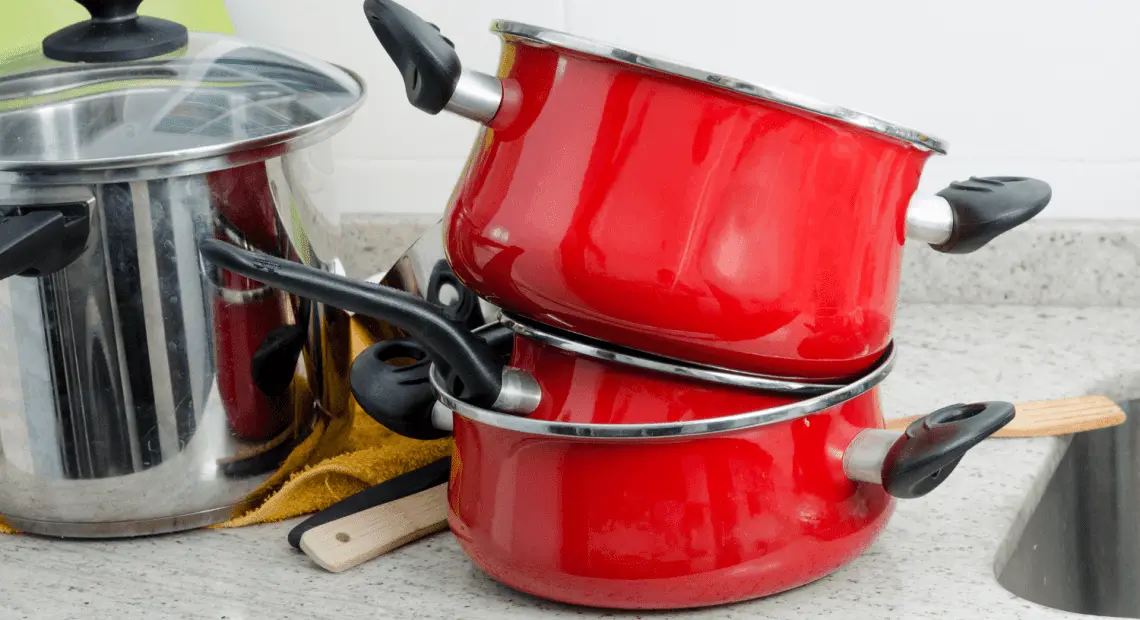
Credit: ridlyrubbishremoval.com.au
Frequently Asked Questions
Can You Put Old Pots And Pans In The Recycle Bin?
Old pots and pans cannot always go directly into the recycle bin. Check with your local recycling program for metal items acceptance. Some places require taking them to a specific recycling center or a scrap metal facility. Always verify first to ensure proper recycling.
What Can I Do With Worn Out Pots And Pans?
Repurpose worn-out pots and pans into planters for a creative touch to your garden. Alternatively, donate them to art projects or recycle if possible, ensuring they find a new life beyond cooking.
Are Pots And Pans Considered Scrap Metal?
Yes, pots and pans are considered scrap metal and can often be recycled at metal recycling facilities.
Can Stainless Steel Go In The Recycling Bin?
Yes, stainless steel can typically be placed in the recycling bin. Always check local recycling guidelines for specific sorting instructions.
Conclusion
Recycling pots and pans is more than just a trend; it’s a step towards sustainability. By choosing to recycle, you contribute to reducing waste and conserving resources. Remember, every small action counts. Start today and make a difference for a greener tomorrow.
Let’s embrace recycling in our kitchens for a healthier planet.




Leave a Reply