
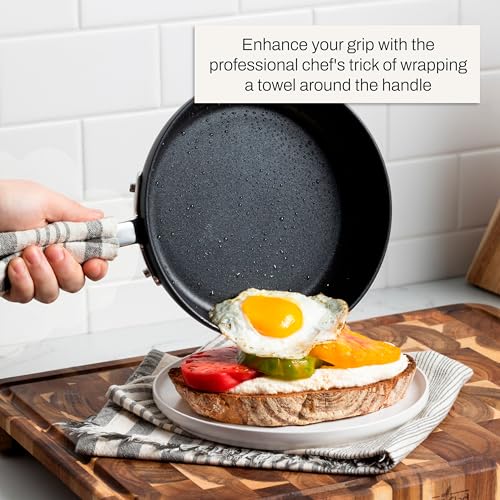
Nonstick offers easy release and quick cleanup; aluminum gives faster, more even heating and durability.
I’ve stood at a hot stove debating nonstick vs aluminum cookware more times than I can count. When I want buttery eggs with no fuss, I reach for nonstick. When I need a fast, even sear or a pot that takes a beating, aluminum steps up. I tested both in real kitchens and will walk you through what I learned so you can pick the right set for your cooking style.
Is nonstick Good?
Yes—mostly. Nonstick pans are great for low- to medium-heat cooking and for anyone who values easy cleanup and low-fat cooking. They are ideal for eggs, pancakes, delicate fish, and quick weeknight meals. For most home cooks, nonstick replaces many sticky hassles and cuts cleanup time dramatically. That said, their strengths fade if you try to use them for high-heat searing or long-term heavy use.
I learned this the hard way. Once, I tried to sear a steak on a nonstick pan; the meat didn’t develop the crust I wanted and I worried about overheating the coating. On the flip side, one rainy Sunday I made flawless omelets with hardly any butter and wiped the pan clean in seconds. Those small wins are why I keep nonstick in my rotation for quick, low-fat meals.
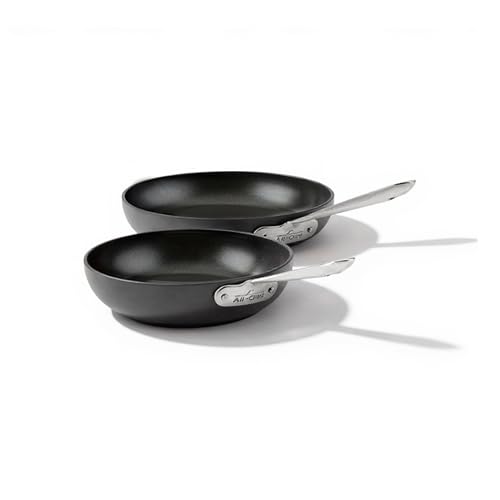
What Makes It Stand Out / Key Features
- PTFE or ceramic nonstick coating for near-stick-free cooking.
- Lightweight pans that heat quickly at low temperatures.
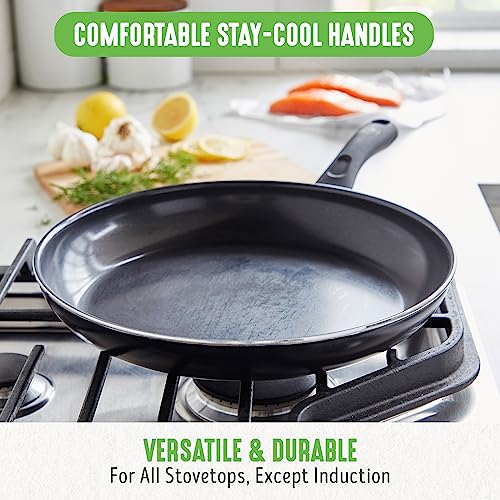
- Designed for low- to medium-heat use; quick cleanup.
- Often oven-safe to moderate temperatures (check specs).
- Many sets are dishwasher-safe (though hand-washing extends life).
What I Like
- Eggs and pancakes release perfectly without oil or butter.
- Cleaning is fast—usually a quick wipe or gentle scrub.
- Great for beginners and busy cooks who want minimal fuss.
- Lightweight handles make flipping and lifting easy.
- Saves oil, so it’s useful for low-fat cooking or diets.
What Could Be Better
- Coating can scratch or wear over time—lifespan is limited.
- Not ideal for high-heat searing or long braises.
- Some coatings raise long-term safety concerns if overheated.
My Recommendation
Choose nonstick if you cook delicate foods, prioritize easy cleanup, and cook mostly at low-to-medium heat. It’s convenient and affordable.
| Best For | Why |
|---|---|
| Breakfast & quick meals | Excellent release and quick cleanup for eggs and pancakes. |
| Beginner cooks | Forgiving and easier to handle than heavy cookware. |
| Low-fat cooking | Needs little to no oil for most dishes. |
Is aluminum cookware Good?
It depends—but often yes. Aluminum cookware, especially cast or hard-anodized aluminum, is a top pick when you need fast, even heat and long-term durability. Raw aluminum is reactive, but most good sets are anodized or coated to prevent this. For heavy sautéing, reducing sauces, or making big batches, aluminum is reliably efficient and resilient.
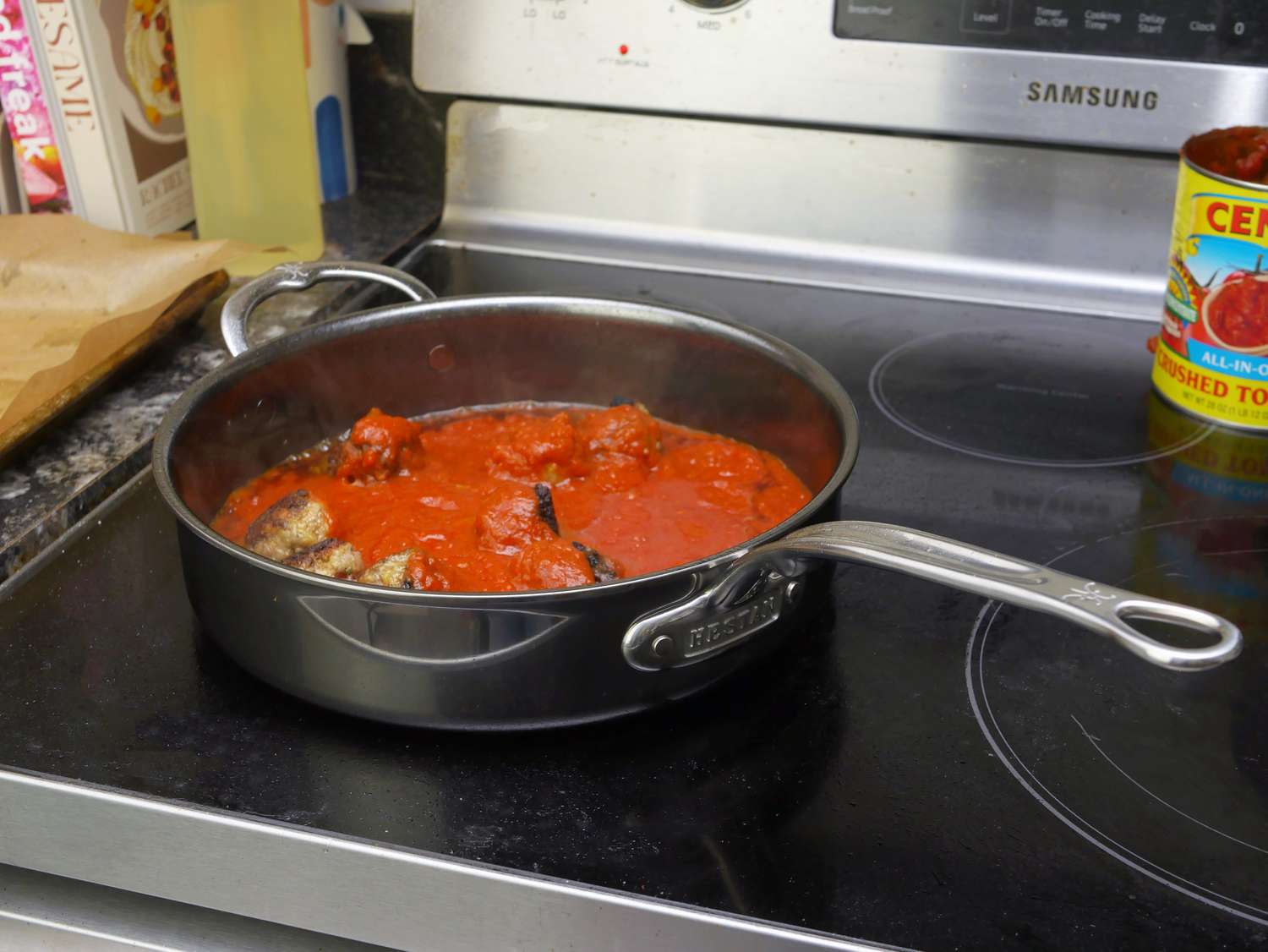
I remember making a pan sauce after searing chicken in an aluminum skillet and being impressed by how evenly the heat browned the meat. Another time, I simmered a tomato sauce in an aluminum pot; because my set was anodized, there was no metallic taste and the pot handled hours of simmering without warping. For hearty cooking, aluminum often outperforms nonstick.

What Makes It Stand Out / Key Features
- Excellent heat conductivity and quick, even heating.
- Durable build, especially with cast or hard-anodized finishes.
- Good for high-heat searing and long cooking sessions.
- Often more affordable per piece than premium stainless sets.
- Available in many heavy-duty, pro-style pan options.
What I Like
- Fast, even browning—great for searing meats and sauces.
- Holds up to regular, heavy use without failing.
- Heats quickly so you save time and energy.
- Usually resists warping when well-made (cast aluminum).
- Versatile for high-heat techniques and oven use when rated.
What Could Be Better
- Uncoated aluminum can react with acidic foods; anodized/coated is better.
- Heavier pieces can be bulky to lift and store.
- Some cheaper aluminum pans may warp on high heat.
My Recommendation
Pick aluminum cookware if you sear, sauté, or simmer often and want durable, fast-heating pans that last.
| Best For | Why |
|---|---|
| Searing & browning | Superior heat conduction gives better crusts and fond. |
| Everyday heavy use | Durable and handles higher temperatures than many nonstick pans. |
| Batch cooking | Quickly and evenly heats large volumes of food. |
nonstick vs aluminum cookware: Side-by-Side Test
I compared nonstick vs aluminum cookware across common kitchen needs. Below are clear tests from my home kitchen—real meals, real results—to help you decide.
Cooking Functions: Which One Does More?
Here’s what each handles well in daily cooking.
| Function | Nonstick | Aluminum |
|---|---|---|
| Eggs and pancakes | Perfect release | Works but needs oil |
| Searing steak | Poor crust, not recommended | Excellent crust and fond |
| Simmering sauces | OK for short simmers | Very good for long simmers |
| High-heat frying | Not suitable | Suitable if rated |
Rating: Nonstick – 7/10 | Aluminum – 9/10
“Aluminum wins functionally—better for high-heat and heavy tasks. Use nonstick for quick, delicate food.”
Heat Conductivity & Evenness
How evenly and quickly they heat matters for results.
| Aspect | Nonstick | Aluminum |
|---|---|---|
| Heat-up speed | Fast on low-medium | Very fast and even |
| Hot spots | More likely if thin | Less likely with cast/anodized |
| Temperature stability | Best at low-medium | Stable at high heat |
| Control for searing | Poor | Excellent |
Rating: Nonstick – 7/10 | Aluminum – 9/10
“For even, fast heat, aluminum takes the lead—great for browning and consistent results.”
Durability & Maintenance
Which one lasts and how easy is care?
| Factor | Nonstick | Aluminum |
|---|---|---|
| Scratch resistance | Low—avoid metal tools | High for anodized/cast |
| Cleaning | Very easy | Requires scrubbing for stuck bits |
| Longevity | Shorter (coating wear) | Longer with care |
| Dishwasher safety | Often yes (hand-wash preferred) | Depends—some are dishwasher-safe |
Rating: Nonstick – 7/10 | Aluminum – 8/10
“Aluminum wins on durability. Nonstick wins on maintenance ease but needs gentler care.”
Safety & Health
Concerns about coatings and reactivity.
| Issue | Nonstick | Aluminum |
|---|---|---|
| Coating breakdown | Risk if overheated or scratched | Low if anodized/coated |
| Reactivity with acids | None | Possible if uncoated |
| Safe temp range | Lower max temp | Higher max temp |
| Ideal for healthy cooking | Good for low-oil cooking | Good for controlled searing |
Rating: Nonstick – 7/10 | Aluminum – 8/10
“Both can be safe if used properly. Avoid overheating nonstick; choose anodized aluminum to avoid reactivity.”
Ease of Use & Cleaning
How simple they are to cook with and clean daily.
| Task | Nonstick | Aluminum |
|---|---|---|
| Food release | Excellent | Good with oil |
| Stuck food cleanup | Quick wipe or soak | May need scrubbing |
| Weight/handling | Light and easy | Heavier, sturdier |
| Storage | Stackable, lighter | Takes more space |
Rating: Nonstick – 9/10 | Aluminum – 7/10
“Nonstick is easiest for everyday use and cleaning. Aluminum demands more prep but rewards performance.”
Value for Money
Which gives the best return on investment?
| Consideration | Nonstick | Aluminum |
|---|---|---|
| Initial cost | Often lower | Varies—cast/anodized pricier |
| Replacement frequency | Higher (coating wear) | Lower (longer lifespan) |
| Performance per dollar | Great for light use | Better for heavy use |
| Overall value | Good short-term value | Better long-term value |
Rating: Nonstick – 8/10 | Aluminum – 8/10
“Nonstick is cost-effective for light cooks. Aluminum is a stronger long-term investment for heavy use.”
Final Verdict: Which Should You Buy?
Nonstick excels for low-effort cooking: eggs, pancakes, and quick sautés. It’s light, fast to clean, and great for cooks who want convenience over heavy-duty performance. Aluminum (especially cast or hard-anodized) shines for searing, even heating, and long cooking sessions. It’s the pick for serious home cooks who want durability and better browning.
If you cook mostly breakfast and simple dinners, go nonstick. If you sear, braise, or cook large batches often, choose aluminum. Many kitchens benefit from having both—nonstick for ease and aluminum for performance.
FAQs Of nonstick vs aluminum cookware
Which is better for everyday cooking: nonstick vs aluminum cookware?
For everyday quick meals, nonstick usually wins because it’s easy and fast. For more varied cooking, aluminum is more versatile and performs better with high heat.
Can I use metal utensils on nonstick or aluminum?
Avoid metal on nonstick to protect the coating. Aluminum (especially anodized or cast) can handle metal tools better, but nonstick needs silicone or wood.
Is aluminum cookware safe to cook acidic foods?
Uncoated aluminum can react with acids. Use anodized or coated aluminum to avoid metallic taste and discoloration.
How long does nonstick coating last compared to aluminum?
Nonstick coatings wear over time and often need replacement sooner (few years with regular use). Quality aluminum lasts longer when cared for.
Should I buy both nonstick and aluminum?
Yes—if you can, have one nonstick pan for eggs and delicate foods and one aluminum pan for searing and heavy tasks. They complement each other well.

Leave a Reply