
Ever looked at your favorite skillet after a cooking session and felt a little overwhelmed by the mess? You’re not alone. Many home cooks struggle to keep their cookware looking and performing its best.
A consistent cookware cleaning routine isn’t just about appearances; it’s about preserving your tools for years of delicious meals. This guide will show you how to make cleaning simple, effective, and even a little bit satisfying, saving you time and effort in the long run.
Why A Solid Cookware Cleaning Routine Matters
Establishing a regular approach to cleaning your cookware is vital for several reasons that go beyond just aesthetics. It ensures your pots and pans remain in excellent working condition, preventing damage and extending their lifespan. Proper cleaning also prevents the buildup of grease and food particles, which can lead to unpleasant odors and affect the taste of future dishes.
Furthermore, a consistent routine makes the task less of a chore, integrating seamlessly into your kitchen habits.
Preserving Cookware Integrity
Different types of cookware require specific care to maintain their non-stick properties, prevent scratching, or avoid warping. For instance, cast iron needs to be seasoned and never washed with harsh soap, while stainless steel can withstand more rigorous scrubbing. Understanding these nuances ensures you’re not inadvertently damaging your investment.
A well-maintained pan heats more evenly, cooks food better, and resists sticking, all of which contribute to a more enjoyable cooking experience.
- Extending Pan Lifespan
- Maintaining Cooking Performance
- Preventing Contamination and Odors
Regular and appropriate cleaning prevents the degradation of cookware materials. For non-stick surfaces, this means avoiding abrasive scrubbers that can scratch and ruin the coating. For stainless steel, it means removing acidic food residues promptly to prevent pitting.
Cast iron, when cleaned and seasoned correctly, develops a natural non-stick surface that improves with age.
A clean pan heats more uniformly. When food particles or burnt-on residue are left behind, they can create hot spots, leading to uneven cooking and potentially burnt food. This impacts the overall quality of your meals.
For example, a spotless sauté pan will ensure your vegetables cook evenly without burning on one side while remaining raw on the other.
Leftover food particles and grease can harbor bacteria and develop persistent odors that transfer to new dishes. A thorough cleaning routine removes these residues, ensuring your food tastes as it should, free from any off-flavors or smells. This is especially important for porous materials like unsealed ceramic or certain types of cast iron.
Making Cleaning Easier Over Time
The less time you spend scrubbing stubborn stains, the more time you have to enjoy your culinary creations. A proactive cleaning approach means dealing with fresh messes rather than baked-on grime. This saves considerable effort and makes the chore feel less daunting.
Think of it like tidying up as you go while cooking; it prevents a major cleanup at the end.
- Preventing Stubborn Stains
- Developing Good Habits
By rinsing and wiping down cookware immediately after use, you prevent food from hardening and becoming difficult to remove. For instance, if you cook a tomato sauce, a quick rinse and wipe while the pan is still warm will remove most of the residue. Waiting until it cools and dries can turn a simple task into a lengthy scrubbing session.
When cleaning becomes a routine, it’s done without much thought. This builds a habit of care for your kitchen tools. Just like brushing your teeth, it becomes an automatic part of your day.
This consistency is key to long-term cookware health and performance, making the entire process feel more natural and less like a burden.
Your Essential Cookware Cleaning Routine Steps
A good cookware cleaning routine doesn’t need to be complicated. It involves understanding the basic principles and applying them consistently to different types of pots and pans. The goal is to remove food debris, grease, and stains effectively without damaging the cookware’s surface or material.
This section breaks down the core steps that form the foundation of any successful cleaning regimen.
Immediate Post-Cooking Care
The moment you finish cooking is the most opportune time to clean. Letting food residue sit and harden makes it significantly harder to remove later. A quick wipe-down or rinse while the cookware is still warm can prevent most future scrubbing headaches.
This initial step sets the stage for a more thorough cleaning if needed.
- Rinse and Wipe
- Scrape Gentle Residues
As soon as it’s safe to handle, rinse your cookware under warm water. For most everyday messes, a simple rinse and a wipe with a soft cloth or sponge will suffice. This removes loose food particles before they have a chance to adhere to the surface.
This is particularly effective for non-stick pans, where excessive scrubbing can be detrimental.
If there are small, stubborn bits of food, use a wooden spoon or a plastic scraper to gently dislodge them. Avoid metal utensils on non-stick or delicate surfaces, as they can easily cause scratches. For cast iron, a chainmail scrubber is excellent for removing stuck-on bits without stripping the seasoning.
Washing Techniques for Different Materials
The material of your cookware dictates the best washing method. Using the wrong detergent or abrasive tool can cause irreversible damage. Understanding these differences ensures your cookware stays in top condition.
Stainless Steel Cookware Cleaning
Stainless steel is durable and can handle most cleaning methods. However, harsh scrubbing can still lead to scratches over time. For general cleaning, warm water and mild dish soap with a non-abrasive sponge are sufficient.
For tougher stains like burnt food or discoloration, a paste of baking soda and water can be used as a gentle abrasive. Another effective method for removing rainbow-colored heat tint or stubborn grime is to boil a mixture of water and white vinegar in the pan for a few minutes, then wash as usual.
- Daily Washing
- Tackling Burnt-On Food
- Removing Heat Tint
For routine cleaning of stainless steel, use a soft sponge or cloth with a small amount of dish soap and warm water. Rinse thoroughly and dry immediately to prevent water spots. This simple approach maintains the shine and prevents the buildup of residue.
If food is stuck, fill the pan with water and a tablespoon of baking soda. Bring to a simmer on the stove for 5-10 minutes. The heat and baking soda will loosen the burnt bits.
After it cools slightly, use a spatula to scrape and then wash as normal. For very stubborn spots, a nylon scrubbing pad can be used cautiously.
The iridescent sheen that can appear on stainless steel, often called heat tint, can be removed with a specialized stainless steel cleaner or a paste made from lemon juice and salt. Apply the paste, let it sit for a few minutes, then scrub gently with a soft cloth and rinse. This restores the pan’s original luster.
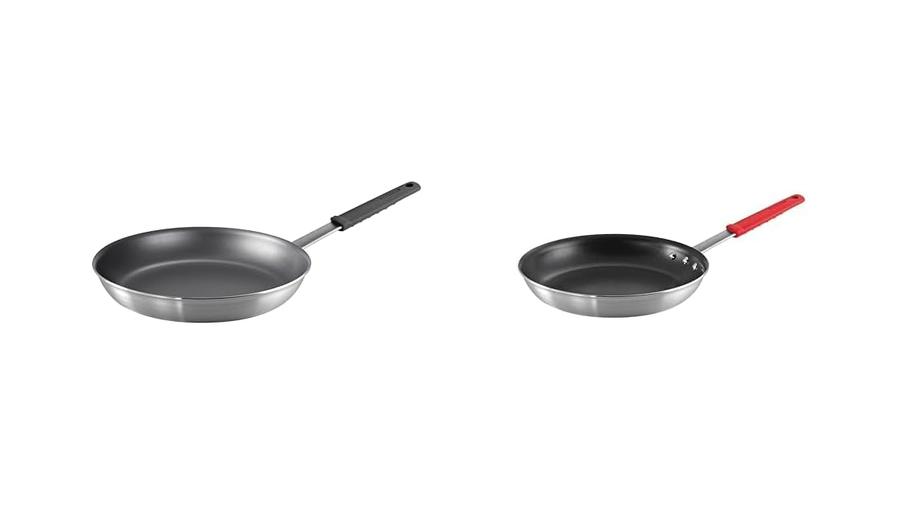
Non-Stick Cookware Cleaning
Non-stick surfaces are delicate. The key is to avoid anything that can scratch or degrade the coating. This means no steel wool, abrasive scrubbers, or harsh chemicals.
Gentle washing is paramount to maintaining the non-stick performance.
- Gentle Hand Washing
- What to Avoid
- Removing Stubborn Residue
Always hand wash non-stick cookware. Use a soft sponge or cloth with mild dish soap and warm water. Avoid abrasive cleaners or scouring pads, which will damage the coating.
Wash immediately after use to prevent food from hardening.
Never use metal utensils, abrasive cleaners, or dishwashers with non-stick pans. Dishwasher detergents are often harsh and can strip the non-stick coating over time, and the high heat and water jets can also cause damage. Even “dishwasher-safe” non-stick pans perform better and last longer with hand washing.
If food seems stuck, soak the pan in warm, soapy water for a short period. Do not scrub vigorously. If soaking doesn’t work, try gently simmering water with a bit of baking soda for a few minutes.
Then, let it cool and gently wipe clean.
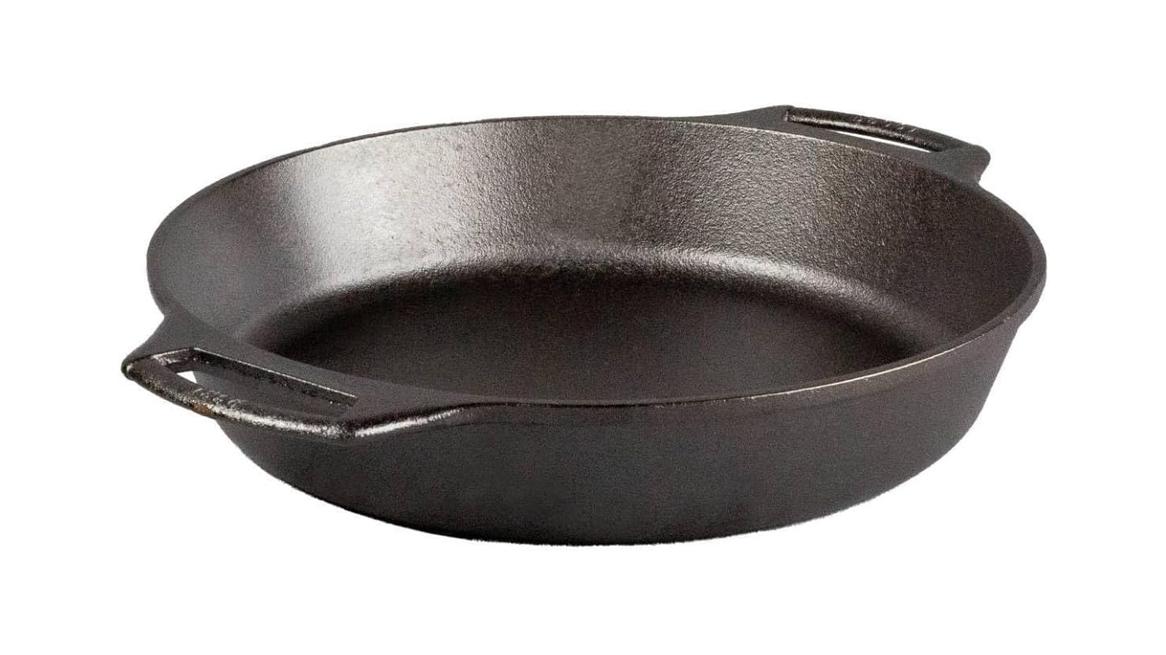
Cast Iron Cookware Cleaning
Cast iron requires a unique approach to preserve its seasoning. The goal is to clean it effectively without removing the polymerized oil layer that makes it non-stick. Harsh soaps, dishwashers, and prolonged soaking are generally avoided.
- The Seasoning Process
- Cleaning After Use
- Drying and Oiling
- Restoring Seasoning
Seasoning involves coating the cast iron with a thin layer of oil and heating it until it polymerizes, creating a hard, slick surface. This is typically done before first use and periodically thereafter. A well-seasoned pan is naturally non-stick and resists rust.
After cooking, while the pan is still warm, rinse it with hot water. Use a stiff brush or a pan scraper to remove any stuck-on food. If you need soap, use a very small amount of mild dish soap and rinse thoroughly.
Avoid soaking cast iron, as this can lead to rust.
Immediately after washing, dry the cast iron pan thoroughly with a towel or by placing it on a low heat on the stovetop for a few minutes. Once completely dry, apply a very thin layer of cooking oil (like vegetable or canola oil) with a paper towel, covering the entire surface, inside and out. Wipe off any excess oil.
This step maintains the seasoning and protects against rust.
If your cast iron starts to look dull or food begins sticking more, it’s time to re-season. You can do this in the oven by coating the pan with oil and baking it upside down at a high temperature for an hour. Repeat if necessary.
Drying and Storage for Longevity
Proper drying and storage are as important as washing. Moisture is the enemy of most cookware materials, especially cast iron and carbon steel, leading to rust. Storing cookware correctly also prevents scratches and damage.
- Thorough Drying
- Protecting Surfaces
- Proper Storage Locations
Always ensure your cookware is completely dry before storing it. For materials prone to rust, like cast iron and carbon steel, a quick pass over low heat on the stovetop is the most effective drying method. For stainless steel and non-stick, a clean towel works well.
When stacking pots and pans, use pan protectors or soft cloths between them. This prevents scratches on non-stick surfaces and prevents dents on metal cookware. For items like lids, consider storing them separately or using racks designed to hold them upright.
Store cookware in a dry, accessible place. Avoid cramming too much into one cabinet, which can make it hard to get items out and increases the risk of damage. If you have specialty items, ensure they are stored in a way that maintains their integrity.
Deep Cleaning and Stain Removal
Sometimes, regular cleaning isn’t enough to tackle persistent stains or buildup. Deep cleaning methods can revive your cookware and remove those stubborn marks that regular washing leaves behind. These techniques are designed to be effective without causing damage.
Natural Cleaning Agents
You don’t always need harsh chemicals to get your cookware sparkling clean. Many common household items can work wonders on stains and grime. These natural alternatives are often safer for your cookware and the environment.
- Baking Soda Paste
- White Vinegar
- Lemon Juice
A paste made from baking soda and water is a fantastic gentle abrasive. It’s effective for scrubbing away burnt-on food from stainless steel and even tough stains on ceramic. Mix baking soda with just enough water to form a thick paste.
Apply it to the stained area, let it sit for a few minutes, and then gently scrub with a non-abrasive sponge.
White vinegar is an excellent degreaser and can help remove discoloration and mineral deposits. For tough stains on stainless steel, boiling a mixture of equal parts white vinegar and water in the pan for a few minutes can loosen grime. After cooling, wash as usual.
It’s also great for polishing stainless steel.
Lemon juice’s acidity makes it effective at cutting through grease and tackling dullness on stainless steel. Similar to vinegar, it can be used to create a paste with salt for scrubbing or boiled in water for a deeper clean. The natural oils in lemon peel can also add a fresh scent.
Tackling Specific Cookware Problems
Different cookware materials face unique challenges. Knowing how to address these specific issues ensures your cookware remains functional and looks great.
Burnt-On Food
For burnt-on food, the key is patience and gentle coaxing. Start by soaking the pan in hot, soapy water for at least 30 minutes, or even overnight. For stainless steel, try simmering water with a tablespoon of baking soda for 10-15 minutes.
For cast iron, a stiff brush or a plastic scraper usually suffices. Avoid scraping with metal, which can damage the surface.
- Soak the pan in hot, soapy water.
- For stainless steel, simmer with baking soda and water.
- Gently scrape away softened food with a plastic or wooden utensil.
- Rinse and wash as usual.
Grease Buildup
Grease buildup can become sticky and attract dirt, making cookware look dingy. Hot water and a good degreasing dish soap are usually effective. For persistent grease on stainless steel, a hot vinegar rinse can help cut through it.
For cast iron, re-seasoning often helps to create a smoother, less porous surface where grease has less to cling to.
Discoloration and Stains
Discoloration on stainless steel, often appearing as rainbow hues or white film, can be removed with acidic cleaners like vinegar or lemon juice. For tougher stains, a specialized stainless steel cleaner can be used. Non-stick pans are more resistant to staining if cleaned promptly, but if discoloration occurs, it’s usually a sign of wear and may be difficult to remove completely without damaging the coating.
Cookware Cleaning Routine: A Sample Scenario
Let’s imagine a busy weeknight dinner. You’ve just made a hearty stew in your Dutch oven, followed by pan-fried chicken in a stainless steel skillet, and finished with a quick sauté of vegetables in your non-stick pan. Here’s how your cookware cleaning routine might look, integrating immediate care and specific material needs.
- Dutch Oven Stew Aftermath
- Stainless Steel Skillet Scrub
- Non-Stick Pan Wipe-Down
The Dutch oven, likely cast iron or enameled cast iron, will have some stuck-on bits. While the stew is still warm (but safe to handle), empty it. Rinse the Dutch oven with hot water.
If it’s enameled cast iron, use a soft sponge and mild soap. For bare cast iron, use a stiff brush and hot water, avoiding soap unless absolutely necessary and rinsing well. Dry thoroughly on the stovetop and apply a thin layer of oil to the interior.
Your stainless steel skillet has some browned bits from the chicken. After scraping out the excess fat, fill it with warm water and a drop of dish soap. Let it sit for a few minutes while you clean other items.
Then, use a non-abrasive sponge to scrub away the residue. Rinse and dry immediately to prevent spots.
The non-stick pan with sautéed vegetables is the easiest. Empty the pan and wipe it clean with a soft cloth and warm water. If any residue remains, a gentle wash with mild soap and a soft sponge is sufficient.
Dry with a soft towel.
This approach ensures that each piece of cookware is addressed while the messes are still fresh, making the entire process efficient and effective. The key is to act quickly and use the right tools for each material.
Statistics on Cookware Care
A survey by Kitchen & Home Goods Research found that 65% of consumers reported having at least one piece of cookware that was significantly damaged due to improper cleaning. Another study by Culinary Insights indicated that users who follow a consistent cleaning routine report a 30% longer lifespan for their cookware compared to those who do not. This highlights the tangible benefits of adopting a proper cookware cleaning routine.
Frequently Asked Questions
Question: How often should I clean my cookware
Answer: You should clean your cookware after every use to prevent food buildup and maintain its condition.
Question: Can I use steel wool on my stainless steel pots
Answer: While stainless steel is durable, steel wool can cause scratches. It’s better to use a non-abrasive scrubber or a baking soda paste for tougher stains.
Question: Is it okay to put my non-stick pans in the dishwasher
Answer: It’s generally not recommended. Dishwasher detergents and the high heat can damage the non-stick coating over time, reducing its lifespan and effectiveness.
Question: How do I remove rust from cast iron
Answer: You can remove rust from cast iron by scrubbing it with steel wool or fine-grit sandpaper until all rust is gone, then immediately washing, drying thoroughly, and re-seasoning the pan.
Question: What is the best way to store pots and pans to prevent damage
Answer: Use pan protectors or soft cloths between stacked cookware to prevent scratches and dents. For lids, consider upright storage or racks.
Wrap Up
A simple cookware cleaning routine keeps your kitchen tools performing well for years. Always rinse and wipe immediately after cooking. Use gentle methods suited for each material like baking soda for stainless steel and minimal soap for cast iron.
Proper drying and storage prevent damage and rust. Consistent care makes cooking more enjoyable and your cookware last longer.

Leave a Reply