
Japanese cookware, renowned for its craftsmanship, includes a variety of essential tools like cast iron, copper, and stainless steel. These materials enhance cooking techniques and flavors.
Japanese cookware exemplifies a rich culinary tradition that emphasizes precision and quality. Each piece is designed to elevate cooking experiences, whether you’re preparing sushi, ramen, or tempura. The artistry behind these tools reflects Japan’s commitment to craftsmanship, ensuring durability and efficiency.
From traditional cast iron tetsunabe to elegant wooden hangiri, these utensils cater to both home cooks and professional chefs. Investing in high-quality Japanese cookware not only improves cooking performance but also adds an aesthetic touch to your kitchen. Explore the unique features and benefits of these tools to enhance your culinary skills and enjoy authentic Japanese cuisine at home.
Credit: www.globalkitchenjapan.com
Introduction To Japanese Cuisine
Japanese cuisine is a blend of tradition and innovation. It emphasizes fresh ingredients, seasonal flavors, and artistic presentation. Each dish tells a story. The use of Japanese cookware enhances these culinary experiences.
The Allure Of Japanese Flavors
Japanese flavors captivate with their unique balance. Key elements include:
- Umami: The savory taste that deepens flavors.
- Freshness: Ingredients are often sourced locally.
- Seasonality: Dishes reflect the changing seasons.
This cuisine celebrates harmony. It combines taste, texture, and color. Japanese dishes often include rice, fish, vegetables, and soy products. Each ingredient shines in its own right.
Culinary Principles
Japanese cooking follows several guiding principles. These principles include:
- Respect for ingredients: Every element is treated with care.
- Balance: Flavors and textures must complement each other.
- Presentation: Visual appeal is as important as taste.
Japanese cookware plays a vital role in this artistry. Traditional tools include:
| Cookware | Purpose |
|---|---|
| Donabe | Clay pot for simmering dishes. |
| Takoyaki pan | For making octopus balls. |
| Wok | Used for stir-frying various ingredients. |
Using the right cookware enhances flavors and preserves textures. This dedication to quality reflects the heart of Japanese cuisine.
The Role Of Cookware In Japanese Cooking
Japanese cooking relies heavily on the right cookware. Each piece serves a unique purpose. The tools enhance flavors and textures. They also reflect cultural traditions.
Beyond The Tools
Japanese cookware is more than just functional. It embodies art and craftsmanship. Many pieces are handmade, showcasing skill and dedication.
Some popular types of Japanese cookware include:
- Cast Iron Pots: Great for slow cooking.
- Woks: Perfect for stir-frying.
- Donabe: Traditional clay pots for hot pot dishes.
- Yaki Nabe: Grills for cooking at the table.
These tools enhance the cooking experience. They help maintain the integrity of ingredients. Each piece tells a story of Japanese heritage.
Harmony With Ingredients
Japanese cooking aims for balance. Cookware plays a critical role in this harmony. The right tools bring out the natural flavors of ingredients.
Key aspects of harmony include:
- Material: Different materials affect heat distribution.
- Shape: The shape influences cooking technique.
- Size: The size of cookware impacts portion control.
Using the proper cookware allows chefs to:
- Cook evenly
- Retain moisture
- Enhance presentation
This attention to detail ensures every dish is a delight. It creates a memorable dining experience for everyone.
Must-have Japanese Knives
Japanese knives are essential for any cooking enthusiast. They combine precision, sharpness, and craftsmanship. Two standout knives are the Santoku and the Yanagiba. Each serves a unique purpose in the kitchen.
Santoku: The Versatile Knife
The Santoku knife is a true kitchen powerhouse. It excels at slicing, dicing, and chopping.
- Blade Length: Typically 5 to 7 inches
- Blade Shape: Flat edge with a curved tip
- Usage: Ideal for vegetables, meat, and fish
This knife features a granton edge. The granton edge helps prevent food from sticking. The Santoku is also lightweight and easy to handle.
For beginners, this knife is perfect. It balances well and offers great control.
Yanagiba: For Perfect Sushi And Sashimi
The Yanagiba knife is essential for sushi lovers. It is designed for slicing raw fish.
| Feature | Description |
|---|---|
| Blade Length | Usually ranges from 7 to 12 inches |
| Blade Shape | Long, thin, and tapered |
| Usage | Perfect for sushi, sashimi, and other delicate cuts |
The Yanagiba allows for clean, precise cuts. It enhances the presentation of your dishes. Using this knife elevates the dining experience.
For the best results, use a single motion while slicing. This technique ensures a smooth cut and maintains the fish’s texture.
Essential Pots And Pans
Japanese cuisine relies on unique cookware. Each piece serves a specific purpose. These essential pots and pans enhance cooking techniques. They help create authentic flavors and textures.
Donabe: Traditional Clay Pot
The Donabe is a traditional Japanese clay pot. It excels in cooking rice, stews, and soups. This pot retains heat very well. Donabe is perfect for slow cooking and steaming.
Here are some key features of the Donabe:
- Made from natural clay
- Durable and long-lasting
- Even heat distribution
- Versatile for various dishes
Using a Donabe is easy:
- Soak the pot in water before use.
- Cook on low to medium heat.
- Let it cool down gradually.
Donabe enhances the flavor of your dishes. It is an excellent choice for healthy cooking.
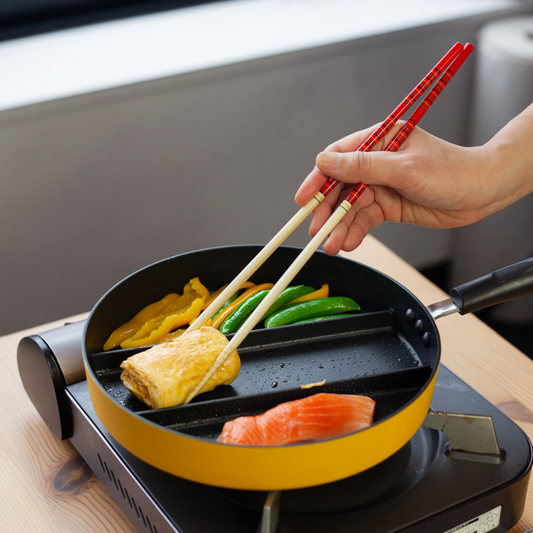
Tamagoyaki Pan: For Japanese Omelets
The Tamagoyaki pan is essential for making Japanese omelets. It has a rectangular shape, ideal for rolling eggs. This pan ensures even cooking and perfect texture.
Benefits of using a Tamagoyaki pan:
- Non-stick surface
- Easy to handle
- Creates uniform omelets
- Lightweight and portable
To make Tamagoyaki:
- Beat eggs with a pinch of salt and sugar.
- Heat the pan on low.
- Add a thin layer of egg mixture.
- Cook until just set, then roll.
The Tamagoyaki pan is a must-have for egg lovers. It brings authenticity to breakfast.
Specialized Tools For Authentic Flavors
Japanese cooking requires specialized tools. These tools help create authentic flavors. Using the right equipment enhances the cooking experience. Each tool has a unique purpose and benefits.
Suribachi And Surikogi: For Grinding And Crushing
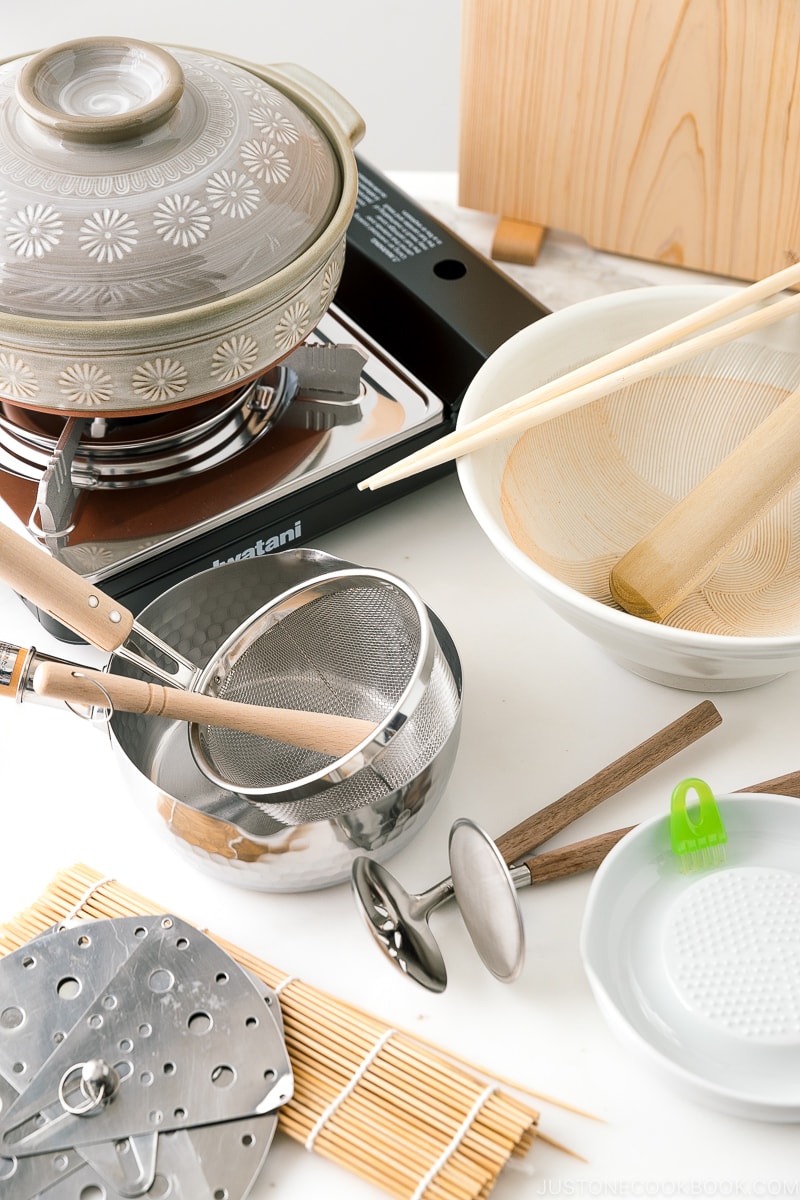
The suribachi is a traditional Japanese mortar. It has a ridged interior. This design helps in grinding ingredients effectively. Use it with surikogi, a wooden pestle, for the best results.
- Grinds spices: Releases essential oils and flavors.
- Crushes herbs: Perfect for making pastes.
- Versatile: Works well with sesame seeds, nuts, and more.
Suribachi is ideal for making goma-dofu or sesame paste. It brings out the natural flavors of the ingredients. The smooth texture enhances dishes like miso soup and salad dressings.
Hangiri: Sushi Rice Cooling Tub
The hangiri is a wooden tub used for sushi rice. It cools rice quickly. This tool allows for even seasoning and texture.
| Feature | Description |
|---|---|
| Material | Made of wood, usually cedar or cypress. |
| Shape | Round shape promotes even cooling. |
| Size | Varies for different sushi quantities. |
Using a hangiri ensures perfect sushi rice. The rice becomes sticky and flavorful. This tool is essential for sushi chefs and home cooks alike.
Credit: www.globalkitchenjapan.com
The Art Of Rice Preparation
Rice is a staple in Japanese cuisine. Mastering its preparation elevates any meal. Using the right tools ensures perfect rice every time. A quality rice cooker is essential for consistent results.
Selecting A Rice Cooker
Choosing the right rice cooker makes a big difference. Here are key features to consider:
- Capacity: Choose based on your family size.
- Type: Options include electric and stovetop cookers.
- Settings: Look for multiple cooking options.
- Timer: A programmable timer adds convenience.
Popular rice cooker brands include:
| Brand | Features |
|---|---|
| Panasonic | Fuzzy logic technology, multiple settings. |
| Zojirushi | Advanced features, excellent for sushi rice. |
| Instant Pot | Multi-function, quick cooking times. |
Tips For Perfect Rice Every Time
Follow these tips for fluffy, delicious rice:
- Measure rice accurately: Use a standard cup for consistency.
- Rinse the rice: Wash under cold water until clear.
- Water ratio: Use a 1:1 ratio for short-grain rice.
- Soak the rice: Soak for 30 minutes for better texture.
- Let it rest: Allow rice to sit for 10 minutes after cooking.
These simple steps ensure perfect rice every time. Enjoy the journey of mastering this culinary art!
Caring For Your Japanese Cookware
Proper care extends the life of your Japanese cookware. It enhances performance and maintains beauty. Follow these tips for each type of cookware.
Maintenance Of Knives
Japanese knives are sharp and delicate. Proper maintenance is crucial for safety and longevity.
- Cleaning: Wash knives by hand with mild soap.
- Drying: Wipe knives immediately with a soft cloth.
- Storage: Use a knife block or magnetic strip to store knives.
- Sharpening: Regularly sharpen knives using a whetstone.
Never place knives in a dishwasher. This damages the blade and handle.
Preserving Clay Pots And Wooden Tools
Clay pots and wooden tools require special care. They can easily crack or warp.
- Cleaning: Rinse clay pots with water. Avoid soap.
- Drying: Air dry completely before storing.
- Seasoning: Season wooden tools with mineral oil.
- Storing: Keep clay pots in a dry place. Avoid extreme temperatures.
Never soak clay pots in water. This can cause damage.
Credit: www.justonecookbook.com
Incorporating Japanese Cookware Into Everyday Cooking
Japanese cookware brings unique charm and functionality to daily meals. Using these tools enhances flavors and textures in your dishes. They are not just for sushi or ramen. These versatile items can elevate any cuisine.
Adapting Tools For Various Cuisines
Japanese cookware is adaptable. You can use it for many cooking styles. Here are some essential tools:
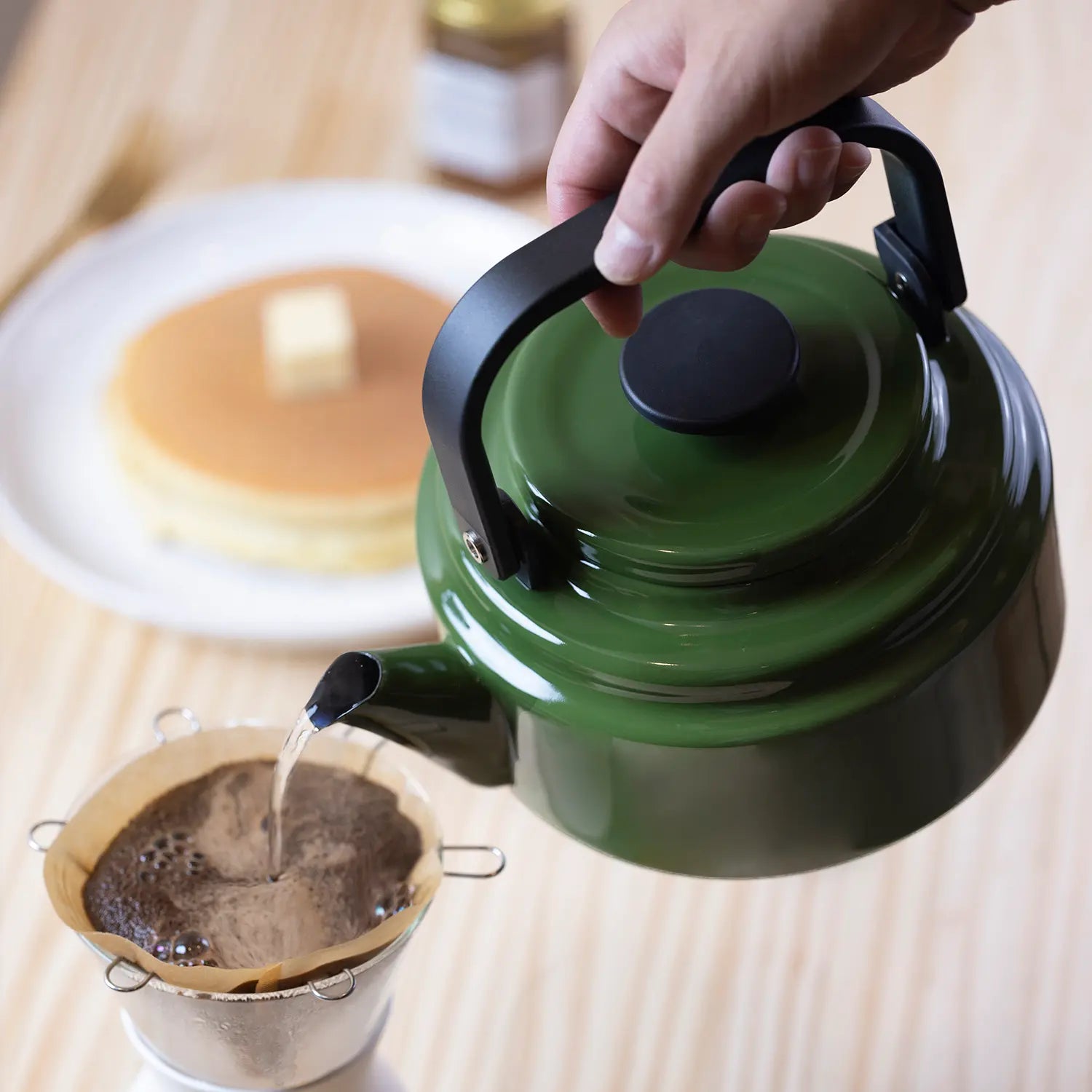
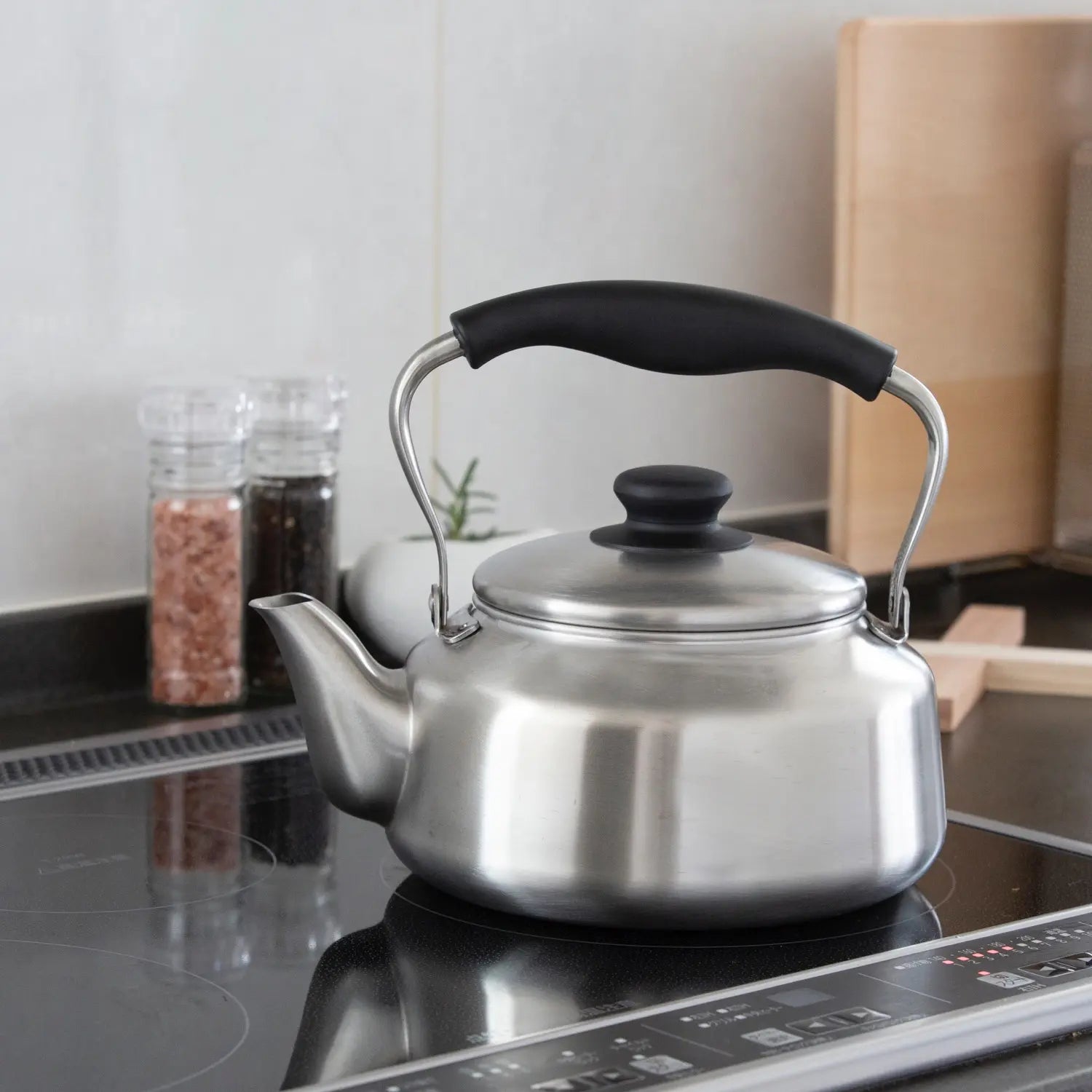
- Cast Iron Teapot (Tetsubin): Great for brewing tea or soups.
- Donabe: Perfect for stews, rice, or hot pots.
- Wok: Ideal for stir-frying and sautéing.
- Japanese Knives: Exceptional for precision cutting.
These tools can transform your cooking experience. Try using a donabe for a hearty chili. A tetsubin can brew delightful herbal teas.
Creativity In The Kitchen
Japanese cookware encourages creativity. Experiment with flavors and techniques. Here are some ideas:
- Use a bamboo steamer for dumplings or vegetables.
- Try a cast iron skillet for pizza or pancakes.
- Make sushi rolls with a makisu (bamboo mat).
- Explore marinating meats in a donabe.
Each piece of cookware inspires new recipes. Blend traditional Japanese techniques with your favorite dishes. This fusion brings excitement to your kitchen.
Frequently Asked Questions
What Is Japanese Cookware Made Of?
Japanese cookware is typically made from materials like cast iron, stainless steel, copper, and clay. Each material offers unique cooking benefits. For example, cast iron retains heat well, while copper provides excellent heat conductivity. Clay cookware is often used for traditional dishes, enhancing flavors and presentation.
How To Care For Japanese Cookware?
Caring for Japanese cookware depends on the material. For cast iron, avoid soap and dry thoroughly after washing. Stainless steel can be cleaned with mild detergents, while copper requires polishing to maintain its shine. Always follow specific care instructions to prolong the life of your cookware.
Why Is Japanese Cookware Popular?
Japanese cookware is popular for its quality and craftsmanship. Many pieces are handmade, showcasing expert artisanship. The designs are often beautiful and functional, enhancing any kitchen. Additionally, traditional cooking methods are preserved, making it ideal for authentic Japanese cuisine enthusiasts.
What Types Of Japanese Cookware Are Essential?
Essential Japanese cookware includes a donabe (clay pot), tamagoyaki pan, and a cast iron skillet. A donabe is perfect for soups and stews, while a tamagoyaki pan is essential for making Japanese omelets. The cast iron skillet is versatile, ideal for various cooking methods, including frying and baking.
Conclusion
Japanese cookware offers a unique blend of tradition and functionality. Each piece is crafted with care, enhancing your culinary experience. From cast iron to bamboo, these tools elevate your cooking. Invest in quality Japanese cookware for lasting performance. Embrace the art of Japanese cooking and bring authenticity to your kitchen today.

Leave a Reply