
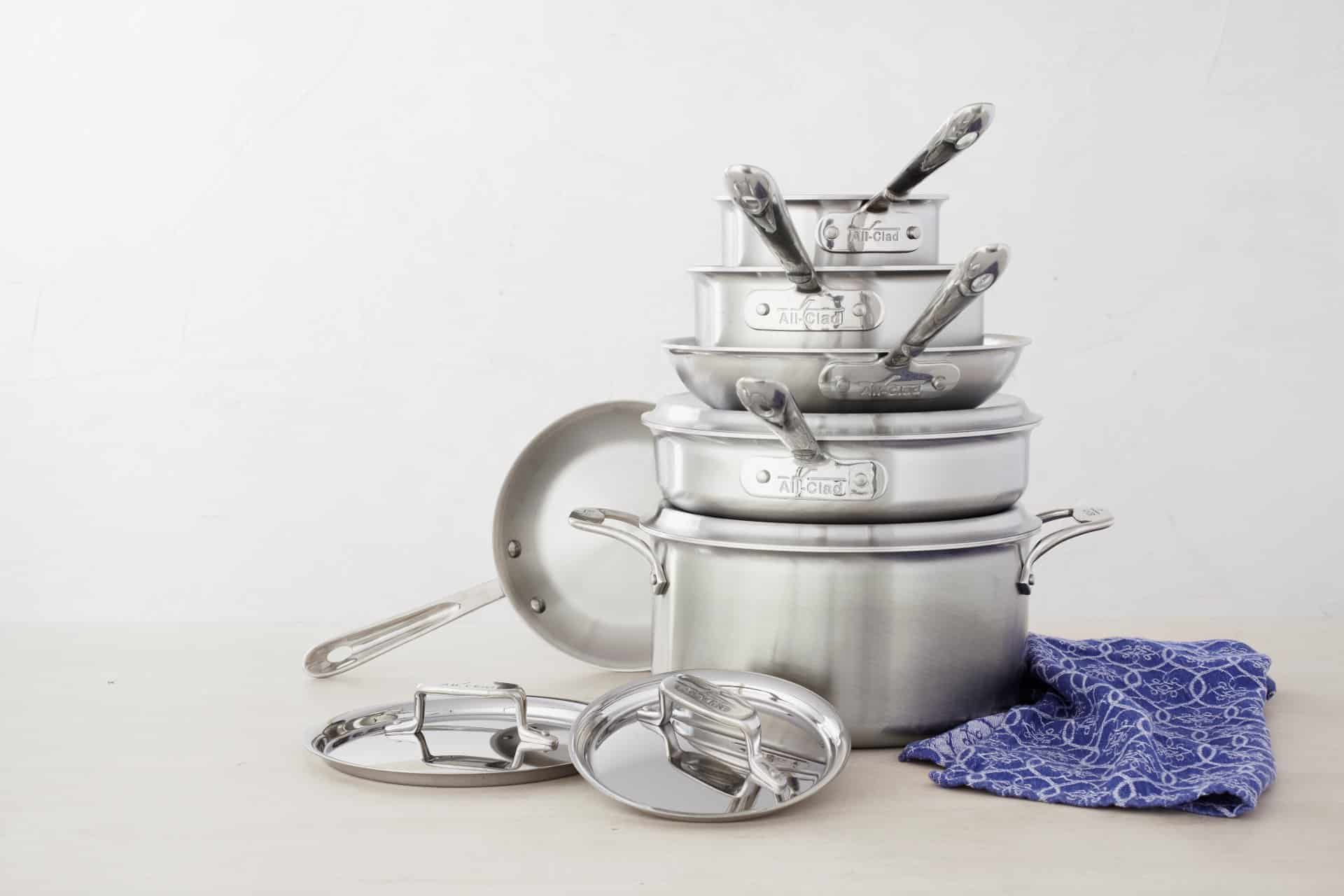
Yes, stainless steel cookware is safe for cooking. It does not leach harmful chemicals into food, making it a popular choice.
Is Stainless Steel Cookware Safe:Stainless steel cookware is a staple in many kitchens due to its durability and versatility. Made from a blend of iron, carbon, and chromium, it resists rust and staining. This type of cookware is ideal for various cooking methods, including sautéing, boiling, and baking.
Many people appreciate its ability to distribute heat evenly, ensuring that food cooks thoroughly. Unlike non-stick cookware, stainless steel allows for browning and deglazing, enhancing flavors in your dishes. Its non-reactive nature means it won’t alter the taste of acidic foods, making it suitable for a wide range of recipes. Choosing high-quality stainless steel cookware ensures you enjoy these benefits for years to come.
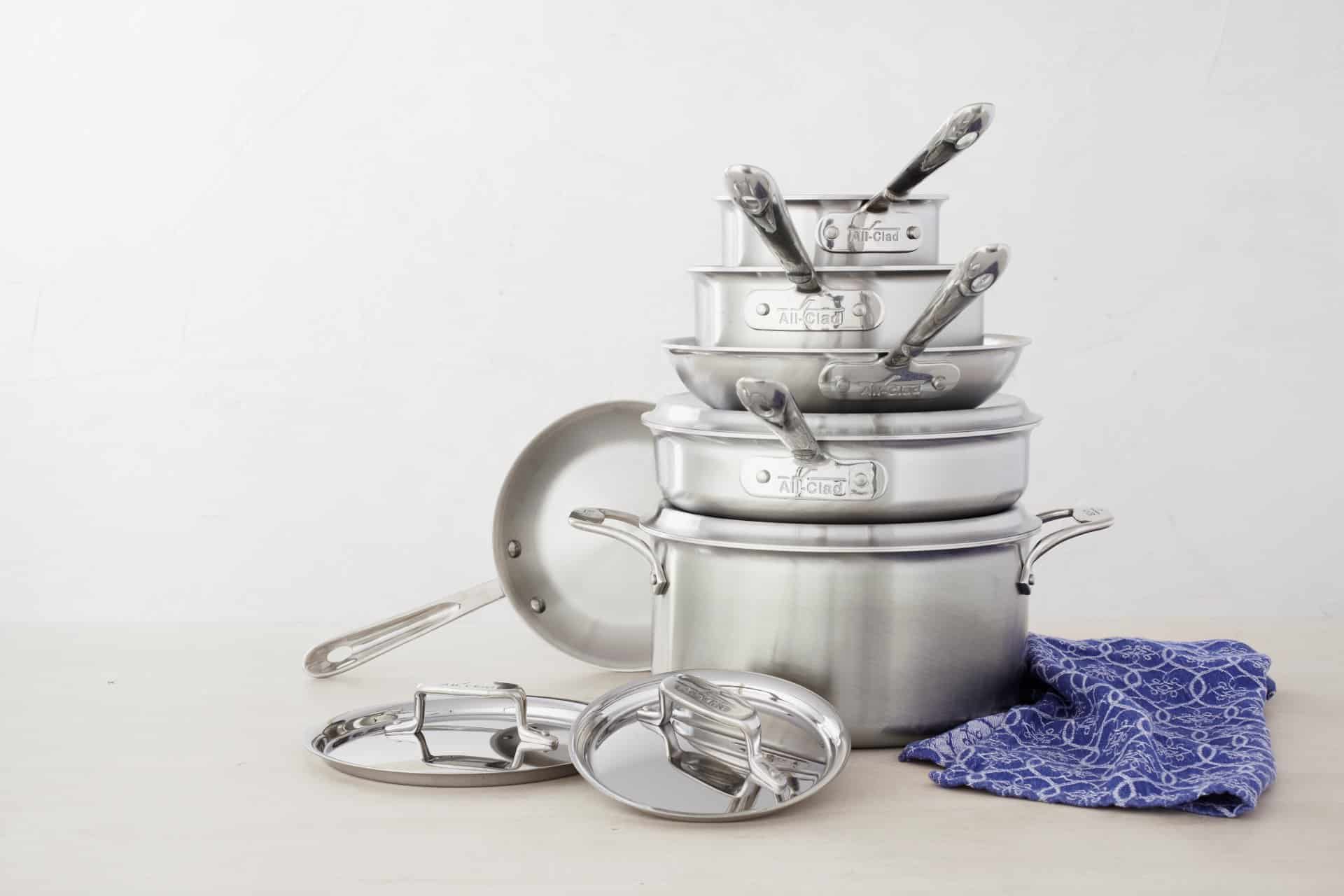
Credit: learn.surlatable.com
Introduction To Stainless Steel Cookware
Stainless steel cookware is a popular choice in many kitchens. It combines beauty and functionality. Home cooks and professional chefs love its durability and efficiency.
Popularity In Modern Kitchens
Stainless steel cookware has gained immense popularity. Many factors contribute to its success:
- Stylish appearance
- Long-lasting materials
- Versatile for various cooking methods
- Safe for all heat sources
Many chefs prefer stainless steel for its ability to retain heat. It also provides even cooking results. This type of cookware is easy to clean and maintain.
Key Benefits And Features
Stainless steel cookware offers many advantages:
| Benefit | Description |
|---|---|
| Durability | Resists scratches, dents, and rust. |
| Non-reactive | Does not interact with acidic foods. |
| Heat conductivity | Heats evenly for better cooking. |
| Dishwasher safe | Easy to clean and maintain. |
Stainless steel cookware enhances your cooking experience. It is a safe option for your family’s health. Choose stainless steel for reliable and efficient cooking.
:max_bytes(150000):strip_icc()/FAW-Calphalon_Classic_10PC-FredHardy-0794-1-dd89706c543a4f589253f9b54aa2718a.jpeg)
Credit: www.foodandwine.com
Composition Of Stainless Steel
The composition of stainless steel plays a crucial role in its safety and durability. It consists of various elements and alloys. Understanding these components helps clarify why stainless steel is popular for cookware.
Elements And Alloys
Stainless steel is primarily made of the following elements:
- Iron (Fe): The base metal.
- Chromium (Cr): Provides corrosion resistance.
- Nickel (Ni): Improves toughness and ductility.
- Manganese (Mn): Enhances hardness and strength.
- Carbon (C): Increases hardness but can reduce corrosion resistance.
These elements combine to create various alloys. Each alloy has unique properties. This affects cooking performance and safety.
Grades And Their Significance
Stainless steel comes in different grades. Each grade has specific characteristics:
| Grade | Composition | Properties |
|---|---|---|
| 304 | 18% Chromium, 8% Nickel | Corrosion resistant, easy to clean |
| 316 | 16% Chromium, 10% Nickel, 2% Molybdenum | Superior corrosion resistance, ideal for salt exposure |
| 430 | 17% Chromium | Less expensive, good for low corrosion environments |
Choosing the right grade is essential for safety. Higher grades offer better resistance to rust and chemicals. This ensures healthier cooking experiences.
Health Concerns With Cookware Materials
Choosing the right cookware is vital for your health. Some materials can leach harmful substances into your food. Understanding these risks helps you make better choices.
Common Toxic Elements In Cookware
Several cookware materials may contain toxic elements. Here are the most common:
- Lead: Found in some ceramic glazes.
- Cadmium: Present in certain colored cookware.
- PFOA: Used in non-stick coatings.
- Aluminum: May react with acidic foods.
Exposure to these elements can lead to serious health issues. It’s crucial to check cookware safety certifications before buying.
Comparing Stainless Steel With Other Materials
Stainless steel stands out among cookware options. It is generally safer than many other materials. Here’s a quick comparison:
| Cookware Material | Safety | Durability | Maintenance |
|---|---|---|---|
| Stainless Steel | Safe, non-reactive | Highly durable | Easy to clean |
| Non-Stick | May leach PFOA | Less durable | Requires special care |
| Cast Iron | Safe, but can rust | Very durable | Needs seasoning |
| Aluminum | May react with food | Durable but prone to scratching | Requires careful cleaning |
Stainless steel is a reliable choice for everyday cooking. It does not leach harmful substances. This makes it a safer option for you and your family.
Assessing The Safety Of Stainless Steel
Stainless steel cookware is popular for many kitchens. It offers durability and a sleek look. Safety is a major concern for many cooks. Understanding its safety features is essential.
Leaching Of Metals: Myth Or Reality?
One common worry is whether stainless steel leaches metals into food. Some think it can release harmful substances. Here’s what you should know:
- Composition: Stainless steel contains iron, chromium, and nickel.
- Leaching: Studies show minimal leaching occurs.
- Factors: Acidic foods may increase leaching slightly.
Research indicates that the levels of leached metals are low. Most experts agree it is safe for cooking.
Regulatory Standards And Compliance
Stainless steel cookware must meet strict safety standards. These ensure it is safe for cooking. Key points include:
| Standard | Description |
|---|---|
| FDA Regulations | Ensures cookware is safe for food contact. |
| NSF Certification | Tests products for public health and safety. |
| ISO Standards | Sets quality benchmarks for cookware materials. |
Manufacturers must comply with these regulations. This helps ensure that stainless steel cookware is safe for daily use.
Proper Usage And Maintenance
Proper usage and maintenance of stainless steel cookware ensure safety and longevity. Follow these guidelines for the best results. Safe cooking begins with the right techniques and care.
Best Practices For Cooking
Using stainless steel cookware correctly enhances your cooking experience. Here are some best practices:
- Preheat the pan before adding oil or food.
- Use medium to high heat for searing.
- Choose wooden or silicone utensils to avoid scratches.
- Avoid using cooking sprays that can leave residue.
- Cook acidic foods, like tomatoes, with caution.
Cleaning And Care Tips To Avoid Contamination
Cleaning your cookware properly is essential. It prevents contamination and maintains quality. Follow these tips:
- Wash with warm, soapy water after each use.
- Use a soft sponge or cloth for scrubbing.
- Avoid steel wool or abrasive cleaners.
- Dry immediately to prevent water spots.
- Store in a dry place to avoid moisture buildup.
| Cleaning Method | Effectiveness |
|---|---|
| Warm, Soapy Water | Excellent |
| Vinegar Solution | Good for Stains |
| Baking Soda Paste | Effective for Tough Stains |
Following these practices ensures your stainless steel cookware remains safe and effective. Enjoy cooking with confidence!
Alternatives To Stainless Steel
Many options exist for those seeking alternatives to stainless steel cookware. Each material offers unique benefits and potential downsides. Understanding these options helps make an informed choice.
Ceramic
Ceramic cookware is popular for its non-stick surface and vibrant colors. It is made from natural clay and coated with a glaze.
- Pros:
- Non-toxic and safe for health.
- Easy to clean and maintain.
- Even heat distribution.
- Available in various designs.
- Cons:
- Can chip or crack easily.
- Not suitable for high heat cooking.
- Less durable than metal options.
Glass
Glass cookware is versatile and non-reactive. It is perfect for baking, microwaving, and stovetop use.
- Pros:
- No chemical leaching.
- Easy to monitor cooking progress.
- Safe for oven and microwave.
- Cons:
- Can break or shatter easily.
- Heavy and less practical for some tasks.
- Poor heat conduction compared to metals.
Cast Iron Options
Cast iron cookware is known for its excellent heat retention. It is often used for frying and baking.
- Pros:
- Durable and long-lasting.
- Improves with use over time.
- Adds iron to food.
- Cons:
- Heavy and cumbersome to handle.
- Requires regular seasoning.
- Can rust if not maintained properly.
Expert Opinions On Cookware Safety
Understanding cookware safety is essential for health. Experts provide insights on stainless steel cookware. Their opinions help consumers make informed choices.
Insights From Food Scientists
Food scientists study materials used in cooking. They emphasize the following points:
- Non-Reactivity: Stainless steel does not react with food.
- Durability: It withstands high temperatures and corrosion.
- Low Leaching: Minimal metal leaches into food.
Research shows that stainless steel is safe. It does not release harmful chemicals. This makes it a popular choice among chefs.
Recommendations From Health Professionals
Health professionals recommend stainless steel cookware for several reasons:
- Safe Cooking: No harmful coatings that can peel.
- Hygienic: Easy to clean and maintain.
- Long-Lasting: Lasts for many years without issues.
Doctors advise against cookware that releases toxins. Stainless steel remains a top choice for safe cooking.
Making An Informed Decision
Choosing the right cookware is essential for safety and health. Understanding the materials helps you make better choices. Stainless steel cookware is popular, but is it safe? Here’s what you need to know.
Selecting The Right Cookware For Your Home
Several factors influence your cookware selection:
- Material: Look for high-quality stainless steel.
- Brand: Trustworthy brands ensure safety and durability.
- Type: Choose between pots, pans, or sets.
- Compatibility: Make sure it works with your cooktop.
Consider these benefits of stainless steel cookware:
| Benefit | Description |
|---|---|
| Durability | Resistant to scratches and dents. |
| Non-reactive | Does not react with acidic foods. |
| Easy to Clean | Dishwasher safe and easy to maintain. |
Balancing Safety, Durability, And Budget
Finding the right balance is key:
- Safety: Avoid cookware with harmful coatings.
- Durability: Choose long-lasting materials.
- Budget: Set a reasonable price range.
Consider these tips for your budget:
- Look for sales or discounts.
- Invest in a few quality pieces.
- Read reviews to find the best value.
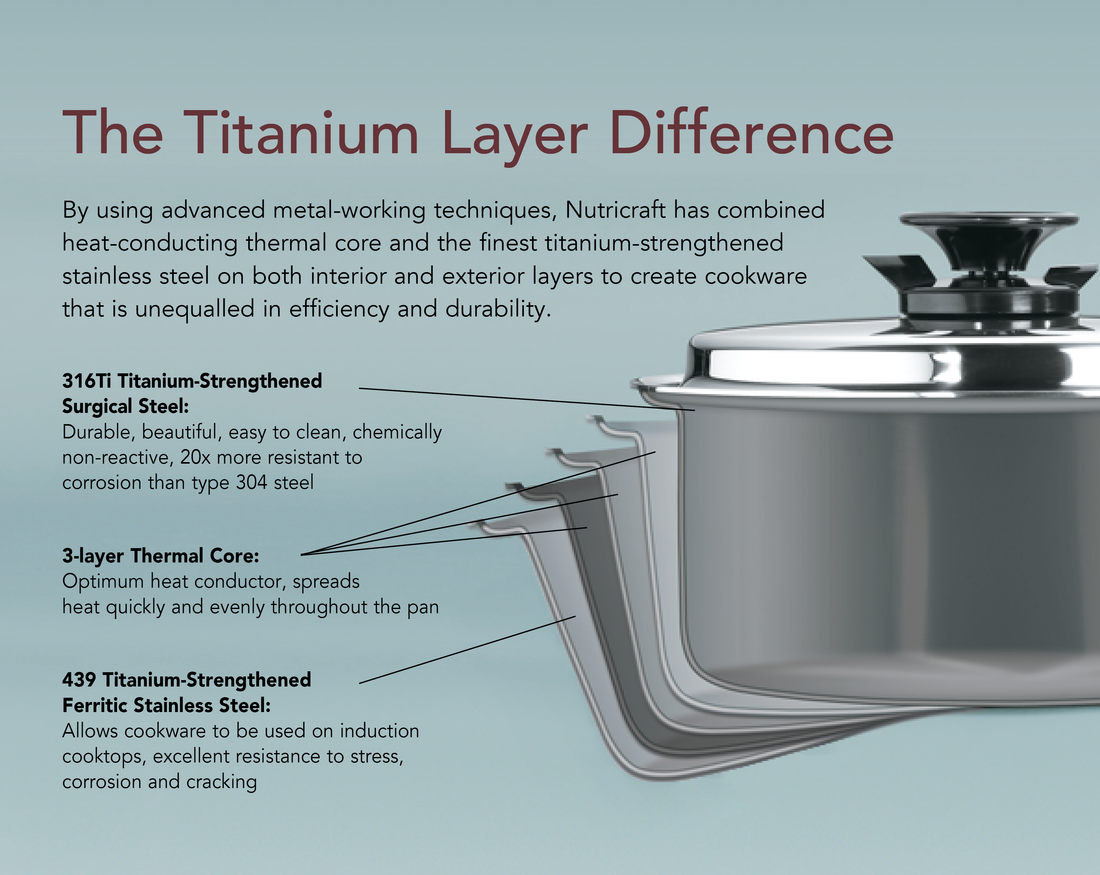
Credit: nutricraftcookware.com
Comprehensive Review of Stainless Steel Cookware: Safety, Performance, and Top Picks
Stainless steel cookware is highly esteemed in both domestic and professional kitchens for its robustness and superior cooking performance. Despite its widespread use, questions frequently arise about its safety, particularly under high temperatures. This guide thoroughly explores common safety concerns associated with stainless steel cookware, compares it to other materials, and highlights the best products on the market.
Safety of Stainless Steel Cookware
Stainless steel is widely regarded as one of the safest materials for cookware. Its stability at typical cooking temperatures ensures that it does not interact with food or release harmful substances.
Key Features:
- Non-Toxic: Unlike some non-stick coatings, stainless steel does not emit harmful fumes or chemicals when heated.
- Corrosion Resistance: Premium stainless steel resists rust and corrosion, preventing contamination of food.
Human Safety Concerns with Stainless Steel
The primary components of stainless steel—iron, chromium, and nickel—are considered safe for culinary use. These metals are securely integrated within the alloy, minimizing any risk of leaching into food.
- Chromium: Essential for stainless steel’s rust resistance; recognized as safe in trace amounts.
- Nickel: Although a concern for those with allergies, it generally does not transfer into food in significant amounts.
High-Temperature Safety
Stainless steel maintains its structural integrity and safety even at very high temperatures, which sets it apart from materials like plastics or certain non-stick coatings that can degrade under heat.
- Heat Tolerance: Capable of withstanding temperatures well above normal cooking levels without deteriorating.
- No Toxic Release: Does not produce toxic fumes, even when used at high temperatures.
Comparing Safety with Other Cookware
In terms of safety and stability, stainless steel outperforms many commonly used materials:
- Aluminum: May react with acidic foods and leach into them.
- Teflon (PTFE): Potential for toxic fume release if overheated.
- Ceramic-Coated Cookware: Risks leaching if the coating is damaged.
Non-Stick Properties
Though inherently not non-stick, stainless steel pans can be conditioned to exhibit non-stick qualities:
- Cooking Technique: Heating the pan before adding oil can help create a more non-stick surface.
- Maintenance: Regular cleaning helps maintain its non-stick properties.
Safety of 18/10 Stainless Steel
18/10 stainless steel, which contains 18% chromium and 10% nickel, is considered one of the best qualities for cookware due to its enhanced durability and corrosion resistance.
- Food Safety: Highly effective at preventing corrosion, even with acidic or alkaline foods.
- Durability: Less susceptible to pitting and rust, making it ideal for long-term use.
Top Stainless Steel Cookware Brands
Here’s a summary of the best stainless steel cookware sets, showcasing their features and price ranges:
| Brand | Features | Price Range |
|---|---|---|
| All-Clad | Tri-ply construction, superior heat distribution | $500 – $1500 |
| Calphalon | Impact-bonded aluminum base, even heating | $200 – $700 |
| Cuisinart | Cost-effective, multi-piece sets, reliable performance | $100 – $500 |
Stainless steel cookware offers a safe and durable option for everyday cooking. Its resilience to high temperatures and non-reactive nature make it a superior choice among various cookware materials. Investing in high-quality stainless steel cookware enhances culinary experiences for both professional chefs and home cooking enthusiasts, ensuring food safety and exceptional cooking results.
Frequently Asked Questions
Is Stainless Steel Cookware Toxic?
Stainless steel cookware is generally considered safe and non-toxic. It doesn’t leach harmful chemicals into food, making it a popular choice among health-conscious cooks. However, ensure you use high-quality stainless steel to avoid any potential issues with lower-grade materials.
Can Stainless Steel Cookware Cause Cancer?
There is no evidence linking stainless steel cookware to cancer. Unlike some non-stick options, stainless steel doesn’t release harmful substances when heated. As long as you use it properly, it remains a safe choice for healthy cooking.
Is Stainless Steel Cookware Safe For Acidic Foods?
Yes, stainless steel cookware is safe for acidic foods. It resists corrosion and doesn’t react with acidic ingredients like tomatoes or vinegar. This makes it ideal for a variety of recipes, ensuring your meals retain their flavor and quality.
How To Maintain Stainless Steel Cookware?
To maintain stainless steel cookware, clean it with mild soap and warm water after each use. Avoid abrasive cleaners that can scratch the surface. For tougher stains, a mixture of baking soda and water works well without damaging the material.
Conclusion
Stainless steel cookware is generally safe for everyday cooking. It is durable, non-reactive, and easy to clean. Choosing high-quality options can enhance your cooking experience. Always follow manufacturer guidelines to ensure safety and longevity. With proper care, stainless steel cookware can be a reliable addition to your kitchen.

Leave a Reply