
Stainless cookware is generally safe for cooking. It doesn’t leach harmful chemicals into food and is resistant to rust and corrosion.
Stainless steel cookware has gained popularity for its durability and versatility in the kitchen. Made from an alloy of steel, chromium, and nickel, it offers a sleek appearance and excellent heat conductivity. Home cooks and professional chefs alike appreciate its ability to withstand high temperatures without warping.
Unlike non-stick pans, stainless steel does not release toxic substances when heated. This makes it a reliable choice for various cooking methods, including frying, sautéing, and baking. Additionally, stainless steel is easy to clean and often dishwasher safe, adding to its appeal. Understanding the safety and benefits of stainless cookware can enhance your culinary experience.
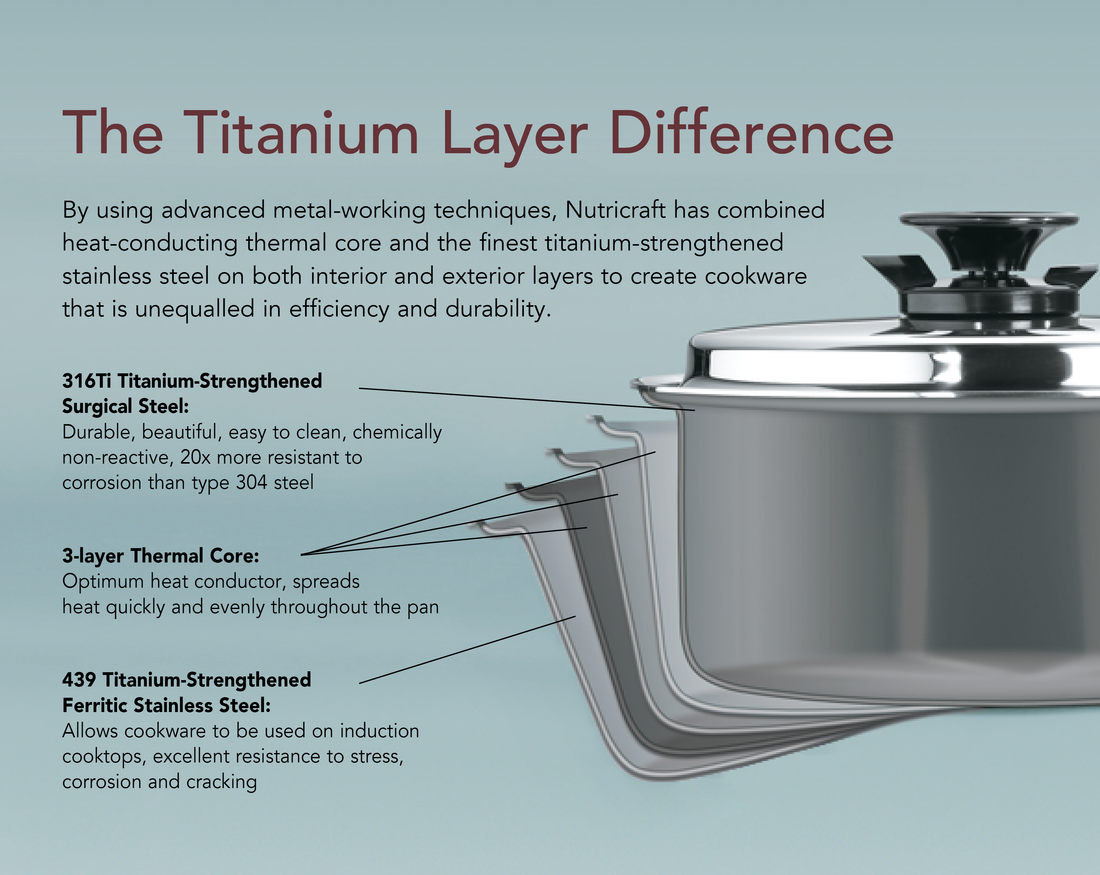
Credit: nutricraftcookware.com
Introduction To Stainless Cookware
Stainless cookware has become a popular choice in kitchens worldwide. Its sleek design and durability attract many home chefs and professionals alike. However, questions about its safety often arise. This section will explore the popularity and concerns surrounding stainless cookware.
Popularity And Concerns
Stainless cookware is loved for several reasons:
- Durable and long-lasting
- Non-reactive with food
- Easy to clean
- Attractive appearance
Despite its popularity, some concerns exist:
- Possible leaching of nickel and chromium
- High heat can affect the integrity
- Compatibility with induction cooktops
Understanding these factors helps consumers make informed choices.
Scope Of Analysis
This analysis covers:
- Composition of stainless cookware
- Safety standards and regulations
- Consumer experiences and testimonials
Data will be gathered from various sources. This will provide a balanced view of stainless cookware safety. The goal is to inform readers clearly and accurately.
Composition Of Stainless Steel Cookware
Understanding the composition of stainless steel cookware is crucial. This knowledge helps ensure safety and durability. Stainless steel combines various elements for strength and resistance. Let’s explore the key components and their roles.
Key Elements
The main elements in stainless steel include:
- Iron: The primary component, providing strength.
- Chromium: Adds corrosion resistance. Typically, at least 10.5% is present.
- Nickel: Enhances toughness and prevents rust. Commonly found in 18/8 and 18/10 stainless steel.
- Manganese: Improves hardness and strength.
- Carbon: In small amounts, it increases hardness.
These elements work together, creating durable cookware. The balance of these components affects the cookware’s performance.
Variants And Quality
Stainless steel cookware comes in different grades. Each grade has unique features and quality levels. Here’s a quick overview:
| Grade | Composition | Uses |
|---|---|---|
| 304 (18/8) | 18% Chromium, 8% Nickel | High-quality cookware, excellent for food preparation. |
| 316 | 16% Chromium, 10% Nickel, 2% Molybdenum | Superior resistance to corrosion, ideal for marine environments. |
| 430 | 16% Chromium | Less expensive, used for lower-quality cookware. |
Choosing the right grade matters. Higher-grade stainless steel offers better durability and safety. Look for reputable brands that provide detailed information on their cookware’s composition.
Health Risks Associated With Stainless Steel
Stainless steel cookware is popular for its durability and appearance. Many people wonder about its safety. Understanding the potential health risks is essential. This section will explore two main concerns: metal leaching and its impact on food.
Leaching Of Metals
Stainless steel is a blend of metals, including:
- Iron
- Chromium
- Nickel
These metals can leach into food under certain conditions:
- High heat cooking
- Acidic foods like tomatoes
The following table shows the leaching potential of different metals:
| Metal | Leaching Risk | Common Sources |
|---|---|---|
| Iron | Low | Cookware, pans |
| Chromium | Very Low | Stainless steel |
| Nickel | Moderate | Alloys in cookware |
Leaching increases with prolonged cooking times. Use lower heat and avoid acidic ingredients to minimize risks.
Impact On Food
Metal leaching can affect food quality and safety. Some potential impacts include:
- Altered taste of food
- Reduced nutritional value
- Potential allergic reactions
Nickel may cause allergic reactions in sensitive individuals. Symptoms can include:
- Skin rashes
- Itching
- Swelling
Choosing high-quality stainless steel can help reduce these risks. Look for cookware with low nickel content. Ensure proper care and maintenance to prolong lifespan.
Comparing Stainless Steel With Other Cookware Materials
Choosing the right cookware is essential for your kitchen. Many options exist, including stainless steel, non-stick, and cast iron. Each material has unique features. Understanding these differences helps you make an informed choice.
Non-stick Surfaces
Non-stick cookware is popular for easy cooking and cleaning. It has a special coating that prevents food from sticking. Here are some important points about non-stick surfaces:
- Easy to Clean: Food slides off easily.
- Less Oil Needed: Use less fat for cooking.
- Temperature Limitations: High heat can damage the coating.
- Durability: Coatings can wear off over time.
Stainless steel is durable and can withstand high temperatures. It does not chip or scratch easily. For those who prefer healthy cooking, stainless steel is a better choice.
Cast Iron Alternatives
Cast iron cookware is famous for its heat retention. It is heavy and can last a lifetime with proper care. Here are some features of cast iron:
- Excellent Heat Retention: Keeps food warm longer.
- Versatile: Can be used on the stovetop or in the oven.
- Requires Seasoning: Needs oiling to maintain non-stick properties.
- Heavy: May be difficult to handle for some.
Stainless steel offers a lightweight alternative. It heats evenly and is easy to maneuver. Unlike cast iron, it does not require special seasoning.
| Cookware Type | Durability | Maintenance | Cooking Style |
|---|---|---|---|
| Stainless Steel | High | Easy | Versatile |
| Non-stick | Medium | Very Easy | Low-fat Cooking |
| Cast Iron | Very High | Moderate | Slow Cooking |
Each type of cookware has its pros and cons. Stainless steel stands out for its durability and versatility. Choosing the right material depends on your cooking habits.
Safe Usage Practices For Stainless Cookware
Stainless cookware is popular for its durability and versatility. To ensure safety, follow best practices during use and maintenance. Proper care keeps your cookware in top shape and prevents health risks.
Maintenance Tips
- Clean After Each Use: Wash with warm, soapy water.
- Avoid Abrasives: Use soft sponges or cloths to prevent scratches.
- Dry Thoroughly: Wipe with a towel to prevent water spots.
- Store Properly: Use separators between pots and pans to avoid scratches.
Avoiding Common Mistakes
- Don’t Use High Heat: Stainless steel heats evenly. Use medium heat to avoid warping.
- Avoid Cooking Acidic Foods: Foods like tomatoes can damage the surface.
- Don’t Leave Cookware Unattended: Prevent burning or overheating.
- Never Use Metal Utensils: Opt for wood, silicone, or plastic to protect the surface.
| Common Mistake | Impact |
|---|---|
| Using High Heat | Can warp the cookware. |
| Cooking Acidic Foods | Might damage the surface. |
| Leaving Cookware Unattended | Increases the risk of burning. |
| Using Metal Utensils | Scratches the cookware. |
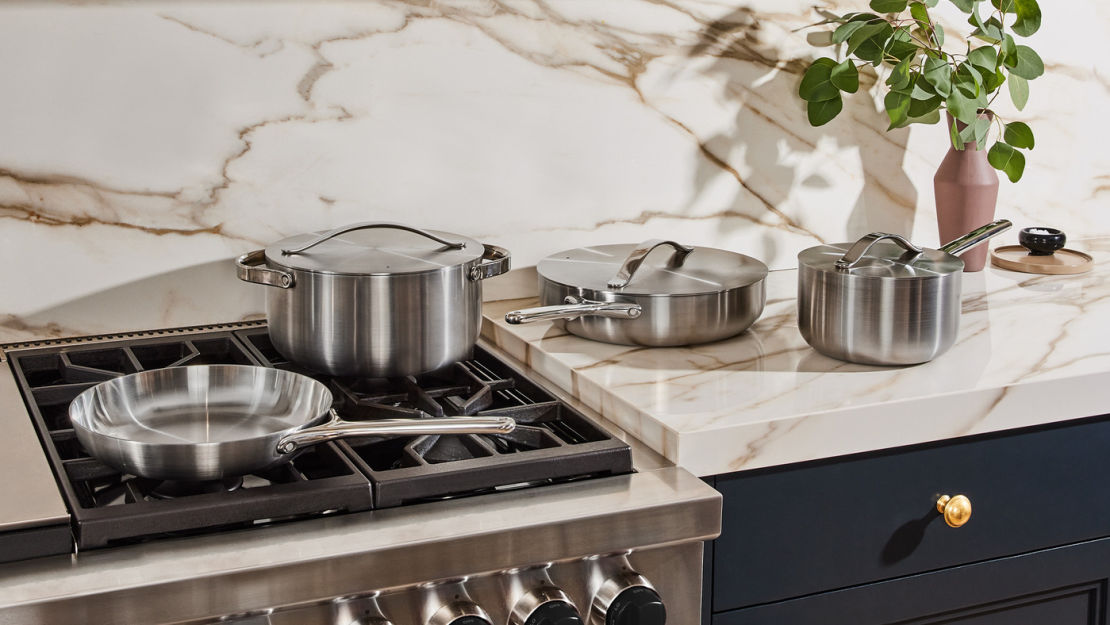
Credit: www.carawayhome.com
Myths Vs. Facts: Understanding The Safety
Many people worry about the safety of using stainless cookware. Misinformation can lead to confusion. This section will clarify common myths and present facts about stainless cookware safety.
Debunking Common Myths
Several myths surround the safety of stainless cookware. Let’s break these down:
- Myth 1: Stainless steel leaches harmful metals into food.
- Myth 2: Cooking with stainless steel causes cancer.
- Myth 3: Stainless cookware is not safe for high heat.
- Myth 4: All stainless steel is the same.
These myths create unnecessary fear. Understanding the facts helps make informed choices.
Evidence-based Safety Insights
Research shows stainless cookware is safe for cooking. Here are some key insights:
| Myth | Fact |
|---|---|
| Leaches harmful metals | Stainless steel is stable and does not leach. |
| Causes cancer | No evidence links stainless steel to cancer. |
| Unsafe for high heat | High-quality stainless steel is safe for high heat. |
| All stainless steel is the same | Different grades offer varying levels of quality. |
Stainless cookware is widely used in kitchens. It is durable and resistant to rust. Choose high-quality products for the best results.
Expert Opinions On Stainless Steel Cookware
Understanding the safety of stainless steel cookware involves insights from various professionals. Health experts and culinary specialists provide valuable information. Their opinions help consumers make informed decisions.
Health Professionals’ Viewpoints
Health professionals often recommend stainless steel cookware for several reasons:
- Non-reactive surface: Stainless steel does not react with foods.
- Durability: It lasts a long time without rusting or corroding.
- Easy to clean: It can withstand high temperatures and is dishwasher safe.
Experts emphasize the importance of quality. High-quality stainless steel contains less nickel and chromium. This reduces the risk of leaching harmful metals into food. Many health professionals support using stainless steel for cooking.
Chefs And Culinary Experts’ Recommendations
Chefs and culinary experts favor stainless steel for its performance. Here are some key points:
| Benefit | Description |
|---|---|
| Even heat distribution | Stainless steel heats evenly, preventing hot spots. |
| Versatility | Suitable for various cooking methods, including sautéing and baking. |
| Professional preference | Many chefs use stainless steel in restaurants and kitchens. |
Chefs appreciate how stainless steel enhances flavors. They find it easy to control cooking temperatures. This cookware is a staple in both home and professional kitchens.
Conclusion: Making An Informed Decision
Choosing the right cookware affects your health and cooking experience. Stainless cookware has many benefits. Understanding its safety helps you make smart choices.
Summary Of Findings
Research shows that stainless steel is safe for cooking. It does not react with food. Here are key points:
| Aspect | Details |
|---|---|
| Composition | Made from iron, chromium, and nickel. |
| Durability | Long-lasting and resistant to scratches. |
| Reactivity | Non-reactive with acidic or alkaline foods. |
| Health Risks | Minimal leaching of metals at high temperatures. |
Stainless cookware is generally safe. Use quality brands for the best results.
Personal Choice And Responsibility
Your cookware choice reflects your values. Consider these factors:
- Cooking Style: Choose based on your cooking habits.
- Health Concerns: Assess any allergies to nickel.
- Budget: Invest in quality for safety and durability.
- Environmental Impact: Stainless steel is recyclable.
Make decisions based on your needs. Research brands and materials. Trust your instincts for a healthy kitchen.
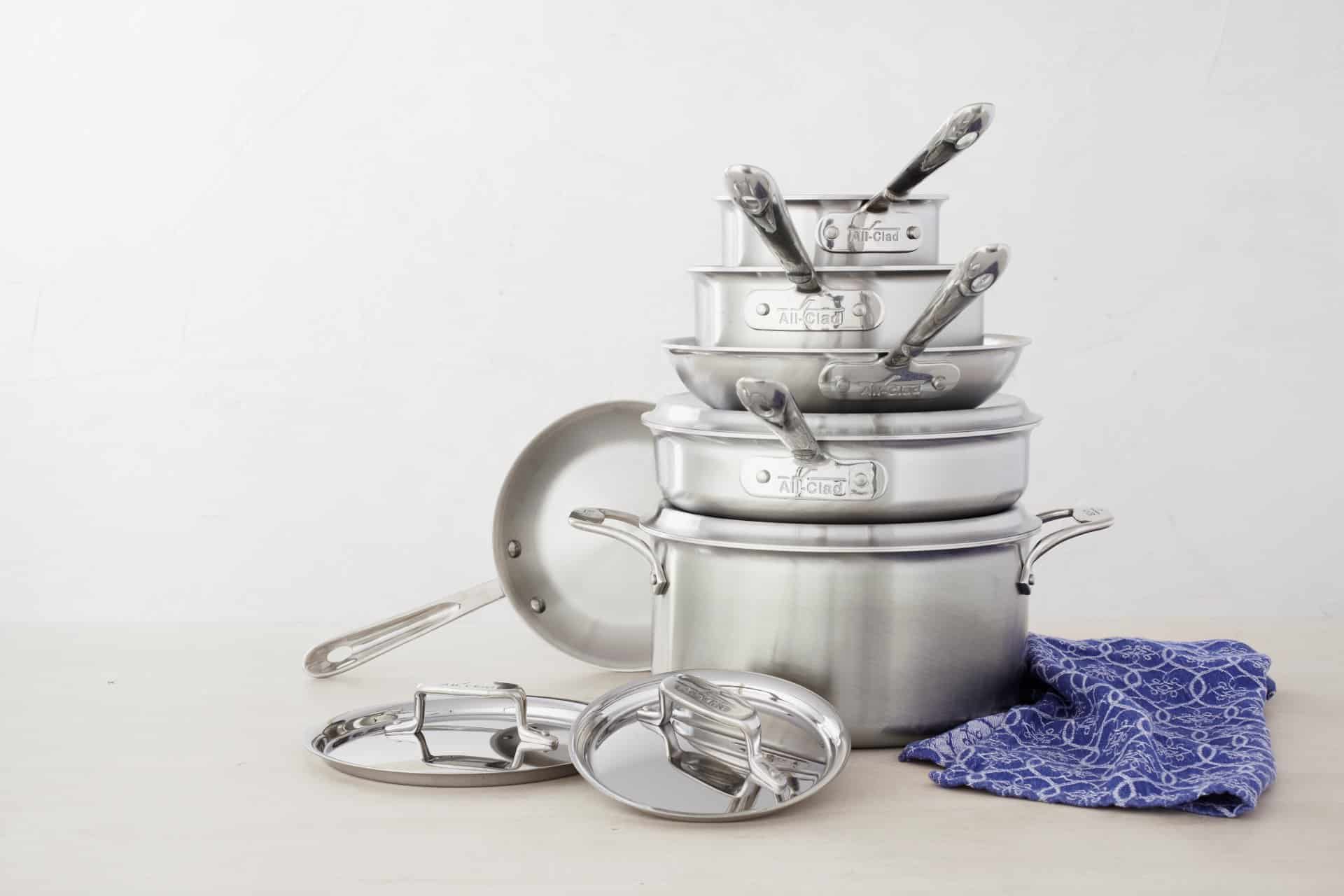
Credit: learn.surlatable.com
Frequently Asked Questions
Is Stainless Cookware Safe For Health?
Yes, stainless cookware is generally safe for health. It doesn’t leach harmful chemicals into food. Additionally, it is non-reactive, meaning it won’t alter the taste of your meals. High-quality stainless steel is durable and resistant to corrosion, making it a safe choice for everyday cooking.
Does Stainless Steel Leach Into Food?
Stainless steel is designed not to leach into food. When properly maintained, it retains its integrity during cooking. However, using damaged or scratched cookware may increase the risk of leaching. To ensure safety, choose high-quality stainless steel products and avoid using metal utensils that can scratch the surface.
Can I Use Stainless Steel On Induction Cooktops?
Yes, stainless steel is compatible with induction cooktops. Induction cooking requires magnetic materials for efficient heat transfer. Most stainless steel cookware is magnetic, making it suitable for this cooking method. Always check the manufacturer’s specifications to ensure your cookware is induction-ready.
How To Clean Stainless Cookware Safely?
To clean stainless cookware safely, use warm, soapy water and a soft sponge. Avoid using abrasive pads that can scratch the surface. For stubborn stains, a mixture of baking soda and water can be effective. Rinse thoroughly and dry with a soft cloth to prevent water spots.
Conclusion
Stainless cookware is generally considered safe for everyday use. It doesn’t react with food or leach harmful substances. Choosing high-quality stainless steel ensures durability and performance. For optimal safety, follow proper care and maintenance guidelines. Enjoy cooking with confidence, knowing that stainless cookware is a reliable choice for your kitchen.


Leave a Reply