
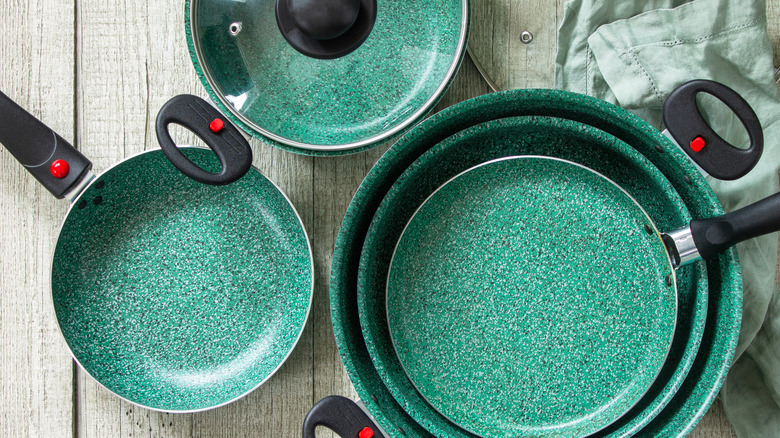
Ceramic cookware is generally safe for cooking when used according to manufacturer guidelines. It is essential to choose high-quality, lead-free ceramic options.
Is It Safe to Use Ceramic Cookware:Ceramic cookware has become a kitchen staple for its non-stick and non-toxic properties, offering a safer alternative to traditional non-stick pans that may contain harmful chemicals. The key to its safety lies in the quality of the ceramic coating; reputable brands often ensure their products are free from lead, cadmium, and PFOA, which can pose health risks when heated.
Users must also follow proper care instructions, such as avoiding high heat settings and using wooden or silicone utensils to prevent chipping. With its eco-friendly appeal and easy-to-clean surface, ceramic cookware aligns with the health-conscious trend and the move towards sustainable cooking practices. Ensuring the longevity of these pieces by adhering to care guidelines is both cost-effective and beneficial for maintaining a toxin-free kitchen environment.
Introduction To Ceramic Cookware
Many home cooks are turning to ceramic cookware. This choice offers a non-toxic, non-stick cooking experience. It’s known for its heat resistance and durability. Let’s explore what makes this cookware a must-have in kitchens.
The Popularity Of Ceramic Cookware
Ceramic cookware is favored for its health benefits and eco-friendliness. Its stylish designs blend well with modern kitchen decor. Users enjoy cooking with less oil, thanks to its natural non-stick surface.
Types Of Ceramic Cookware
Two main types exist: pure ceramic and ceramic-coated. Pure ceramic is made entirely of clay and minerals. Ceramic-coated pairs a metal base with a ceramic layer. Both types have their unique benefits.
- Pure Ceramic: Offers excellent heat retention and is oven-safe.
- Ceramic-Coated: Lightweight and heats up quickly for efficient cooking.
/how-to-clean-ceramic-pan-4775268_01-a58a8cf28a0043df9b6d255232fa96a8.jpg)
Credit: www.thespruce.com
The Composition Of Ceramic Cookware
Ceramic cookware is popular in kitchens worldwide. Its unique composition makes it a favorite. But what goes into ceramic cookware?
Materials Used In Manufacturing
Ceramic cookware starts with a clay base. Manufacturers shape and then bake this clay. High temperatures turn the clay into a durable material. Other natural minerals strengthen the cookware. These materials make the base non-reactive.
Common materials include:
- Silica
- Quartz
- Feldspar
These elements ensure long-lasting use. They also allow for even heat distribution.
Coating And Its Importance
The coating on ceramic cookware is vital. It creates a non-stick surface. This surface is usually made from silicon. Silicon is a safe, non-toxic choice. It makes cooking and cleaning effortless.
| Coating Benefits | Why It Matters |
|---|---|
| Non-stick | Easy food release |
| Non-toxic | Safe for cooking |
| Heat-resistant | Withstands high temperatures |
The right coating prevents food from sticking. It ensures a safer cooking experience. It also helps your cookware last longer.
Benefits Of Using Ceramic Cookware
Discover why ceramic cookware is a top choice for home chefs. With notable advantages, it elevates the cooking experience. Let’s explore these benefits.
Non-stick Surface
Ceramic cookware offers an incredible non-stick surface. This means easy cooking and cleaning. Foods slide right off, no heavy scrubbing needed. Enjoy healthier meals with less oil required for cooking.
Heat Distribution And Retention
Expect even cooking with ceramic’s excellent heat distribution. It retains heat well, making it perfect for dishes that need consistent temperatures. Your meals stay warm, ready to serve anytime.
Aesthetics And Versatility
- Beautiful designs enhance kitchen decor.
- Use in ovens, microwaves, and some can go on stovetops.
- Suitable for a variety of recipes.
Ceramic cookware blends style with multipurpose use. This makes it a valuable addition to any kitchen.
Safety Concerns With Ceramic Cookware
Many home chefs love ceramic cookware for its non-stick surface and stylish design. But it’s essential to consider safety. Let’s explore two major concerns with ceramic cookware.
Lead And Cadmium Content
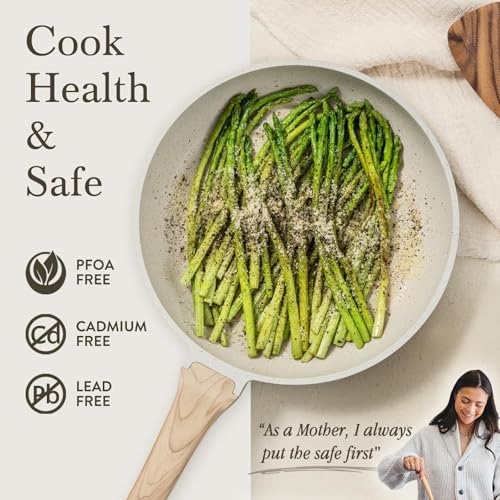
Some ceramics may contain lead or cadmium. These heavy metals can be harmful. High-quality ceramic cookware often undergoes strict testing to ensure it’s free from these toxins. Still, users should always check for certification marks that guarantee safety.
Certifications to look for include:
- Prop 65 compliance
- LFGB certification
- SGS certification
Thermal Shock And Durability
Ceramic cookware can crack if temperatures change too quickly. This is known as thermal shock. To avoid this, users should not expose their cookware to sudden temperature changes. For example, do not place a hot pan in cold water.
Tips to maintain durability:
- Heat and cool ceramic cookware gradually
- Avoid using on extremely high heat settings
- Use wood or silicone utensils to prevent scratching
Comparing Ceramic With Other Types Of Cookware
When selecting cookware, safety and efficiency are crucial. Ceramic cookware is a popular choice, but how does it compare to others? This section will explore how ceramic stands against Teflon, stainless steel, and cast iron.
Ceramic Vs. Teflon
Many people choose ceramic over Teflon for its non-stick qualities without the chemicals. Teflon, known for its easy-release surface, contains PTFE and PFOA. These chemicals have raised health concerns when overheated. Ceramic, on the other hand, offers a safe, heat-resistant option. It doesn’t release toxins, even at high temperatures. It’s a safer non-stick alternative.
Ceramic Vs. Stainless Steel
Stainless steel is famed for its durability and non-reactive surface. It’s excellent for high-heat cooking and searing. Unlike ceramic, it doesn’t have a natural non-stick surface. It requires oil or butter to prevent sticking. Ceramic coatings provide an easy clean-up and less fat cooking. For those prioritizing low-fat meals and simple maintenance, ceramic is the better choice.
Ceramic Vs. Cast Iron
Cast iron is known for its heat retention and even cooking. It’s a heavy-duty option, perfect for a range of recipes. Cast iron requires seasoning to maintain its non-stick properties. Ceramic-coated cookware is lighter and easier to handle. It doesn’t need seasoning. This makes ceramic appealing for everyday use. It simplifies the cooking process.
| Type of Cookware | Non-Stick | Heat Resistance | Maintenance |
|---|---|---|---|
| Ceramic | Yes | High | Low |
| Teflon | Yes | Medium | Low |
| Stainless Steel | No | High | Medium |
| Cast Iron | With seasoning | High | High |
Credit: www.quora.com
Proper Care And Maintenance
Ceramic cookware brings non-stick convenience to the kitchen. Its popularity grows thanks to its ease of use and aesthetic appeal. Yet, longevity hinges on proper care and maintenance. This section delves into essential practices for preserving ceramic cookware.
Cleaning And Storage
Keeping ceramic cookware clean ensures lasting performance. Follow these steps for optimal care:
- Wait for pots and pans to cool before cleaning.
- Use warm soapy water for washing.
- Avoid abrasive cleaners and tools.
- Hand wash to maintain the non-stick surface.
- Dry thoroughly before storing.
For storage, stack pieces with care. Place a soft cloth or liner between each item to prevent scratches.
Avoiding Scratches And Chips
Ceramic cookware’s surface is prone to damage if mistreated. Maintain its integrity with these tips:
- Use wooden, silicone, or plastic utensils.
- Do not cut or chop food in the cookware.
- Avoid sudden temperature changes.
- Do not drop or knock cookware against hard surfaces.
Regular checks for scratches and chips keep your cookware in top shape. Replace items if damage occurs to ensure safety and performance.
Myths Vs. Facts
Understanding the safety of ceramic cookware involves separating myths from facts. Let’s explore the truth.
Debunking Common Myths
- Ceramic cookware releases harmful chemicals. Not true.
- It’s fragile and breaks easily. Quality varies.
- All ceramic coatings are the same. They differ.
Understanding The Facts
Real ceramic is made from clay and minerals. It’s baked in kilns. This process makes it heat-resistant. It won’t break down at high temperatures. No harmful chemicals leach into food.
Ceramic cookware comes in two types. Pure ceramic and ceramic-coated. Pure ceramic is 100% ceramic. Ceramic-coated has a metal base with a ceramic layer.
| Type | Heat Resistance | Non-Stick |
|---|---|---|
| Pure Ceramic | Very High | Yes |
| Ceramic-Coated | High | Yes, but may wear off |
For safety, use ceramic cookware correctly. Avoid high heat. It prevents damage. Use wooden or silicone tools. They prevent scratches. With proper care, ceramic cookware can be a safe choice for your kitchen.
Making An Informed Decision
Making the right choice in cookware is key for safe, enjoyable cooking. When deciding on whether ceramic cookware is safe, it’s important to look at quality and wear over time. This guide will help you choose the best options and know when it’s time for a replacement.
Choosing The Right Ceramic Cookware
Check for lead and cadmium. These harmful elements should not be present. Good brands certify their cookware as free of these toxins.
Consider the coating. Pure ceramic or ceramic-coated options are available. Decide based on your cooking style and preferences.
Read reviews. Other users’ experiences can guide you towards reliable products. Look for consistent positive feedback.
Heat tolerance matters. Ensure the cookware can withstand your usual cooking temperatures.
When To Replace Your Cookware
- Scratches or chips: If you see them, it’s time for a new set.
- Fading or staining: This can indicate the protective glaze is wearing off.
- Uneven heating: When your pan doesn’t heat evenly, its lifespan is likely at its end.
- Peeling: Any peeling means the surface is compromised.
Stay safe by replacing cookware at these signs. New, intact pieces ensure the best cooking experience.

Credit: www.reddit.com
Frequently Asked Questions
Is Ceramic Cookware Safe For Health?
Yes, ceramic cookware is generally safe for health. It’s often free of harmful chemicals like PFOA and PTFE, found in non-stick coatings. Ensure it’s high-quality and lead-free for the safest option. Proper care and usage further enhance its safety and longevity in your kitchen.
What Is The Safest Cookware For Your Health?
The safest cookware for your health includes stainless steel, cast iron, glass, and ceramic options. These materials avoid harmful chemicals and ensure a healthier cooking experience. Opt for high-quality versions to minimize any risks.
What Is The Disadvantage Of Ceramic Cookware?
Ceramic cookware can be less durable than other types, potentially chipping or cracking with heavy use or sudden temperature changes.
Is Scratched Ceramic Cookware Safe?
Scratched ceramic cookware can release harmful chemicals and may harbor bacteria, so it’s best to avoid using damaged pieces. Consider replacing them for safety.
Conclusion
Navigating the safety of ceramic cookware doesn’t have to be daunting. Our guide has armed you with key insights. Remember, quality and usage matter most. For peace of mind in your kitchen, choose wisely and care for your cookware. Enjoy the benefits of ceramic, blending safety with culinary excellence.


Leave a Reply