
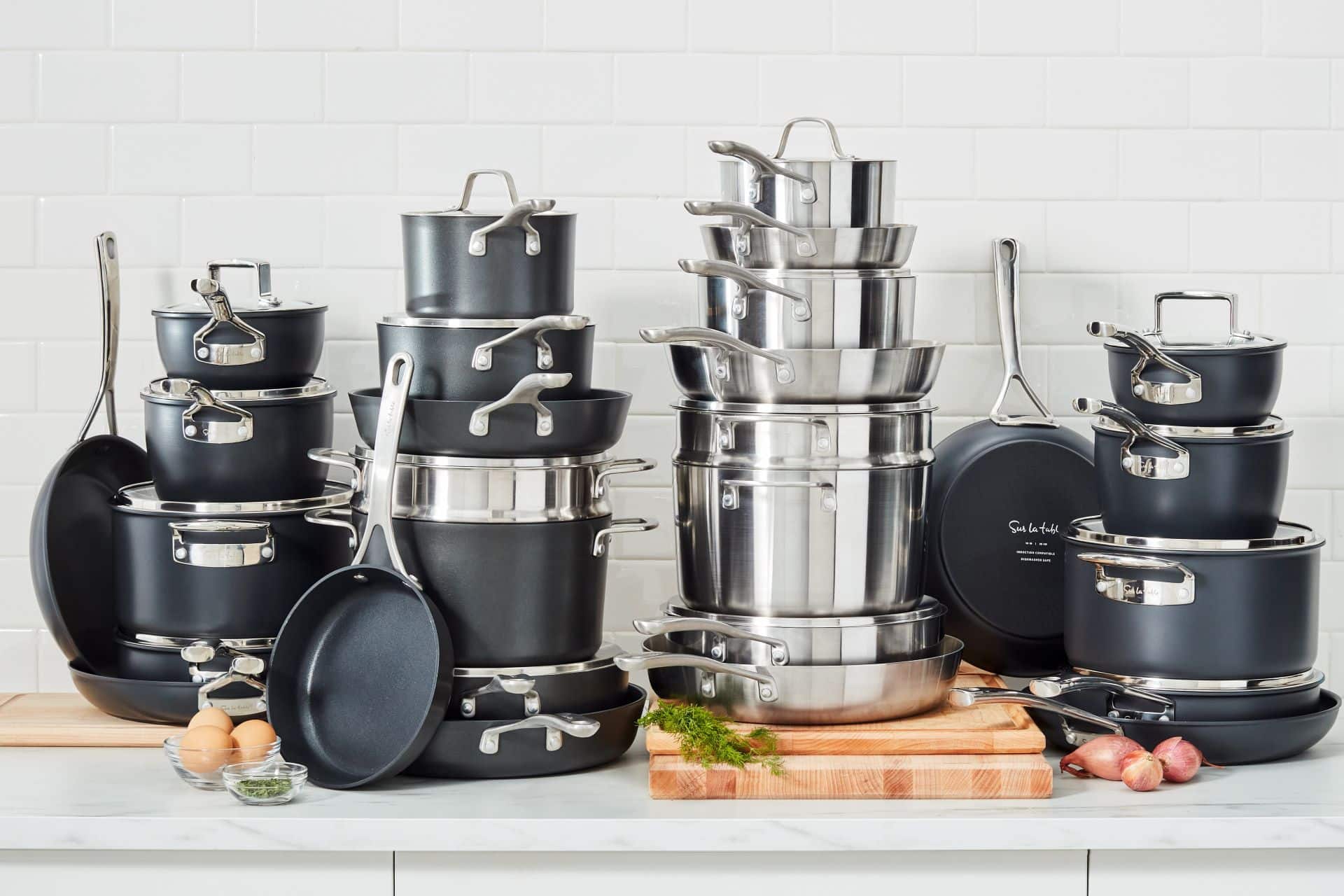
Choosing between stainless steel and nonstick cookware depends on your cooking style and needs. Stainless steel is durable and ideal for browning, while nonstick is best for low-fat cooking and easy cleanup.
Is It Better to Cook With Stainless Steel Or Nonstick:Deciding on the right cookware can elevate your culinary experience and streamline kitchen practices. Stainless steel pans are revered for their longevity and robustness, capable of withstanding high temperatures and aggressive scrubbing. They shine in searing meats, creating pan sauces, and can go from stovetop to oven without a hitch.
On the other hand, nonstick pans offer unparalleled convenience, particularly for those keen on reducing oil usage and desiring swift cleanup. Perfect for delicate foods like eggs and pancakes, they ensure a hassle-free release of food from the pan. Your personal cooking style, preferences for maintenance, and the type of dishes you frequently prepare will guide your choice between these kitchen staples. Always opt for quality pieces to ensure safety, efficiency, and long-lasting performance in your culinary endeavors.
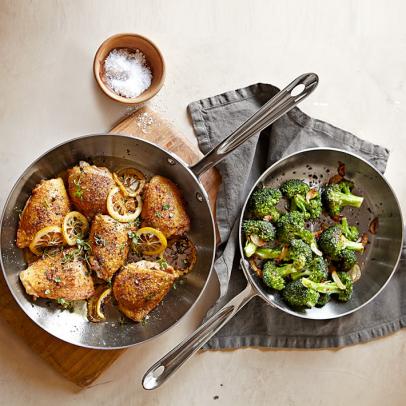
Credit: www.foodnetwork.com
Introduction To Cookware Materials
When stepping into the world of culinary arts, cookware is crucial. Each material offers unique benefits. Your choice affects food taste, cooking style, and maintenance. Let’s explore the two popular options: stainless steel and nonstick.
Stainless Steel Attributes
Stainless steel stands out in professional and home kitchens. Here’s why:
- Durable: It resists scratches and dents.
- Non-reactive: Flavors remain unchanged.
- High heat tolerance: Ideal for searing and browning.
- Longevity: Lasts for years with proper care.
It works on all cooktops, including induction. Stainless steel heats evenly with good heat conductivity metals. It’s a top choice for many chefs.
Nonstick Qualities
Nonstick pans simplify cooking and cleaning. Let’s look at their qualities:
- Easy food release: Perfect for delicate dishes.
- Less oil needed: Healthier cooking options.
- Quick cleanup: Wipe away residues easily.
- Lightweight: Easy to handle and maneuver.
Nonstick surfaces require less heat, preventing food from sticking. They are ideal for eggs, pancakes, and fish. Remember, they need special care to maintain the coating.

Credit: proware-kitchen.co.uk
Heat Distribution And Cooking Performance
When choosing cookware, heat distribution and cooking performance are key. Let’s explore how stainless steel and nonstick pans handle heat.
How Stainless Steel Heats
Stainless steel is known for its superior heat conduction. It provides even heat distribution across the cooking surface. This allows for consistent cooking results. Below are key points about stainless steel heating:
- Quick Response to Temperature Changes: Adjust heat, and stainless steel responds promptly.
- Durable: Withstands high heat without warping.
- Browning and Searing: Excels in tasks needing high heat.
Remember, stainless steel cookware often requires pre-heating and cooking oil to prevent sticking.
Nonstick: Even Cooking Without The Stick
Nonstick pans offer a different cooking experience. They feature a coated surface that prevents food from sticking. Here’s what makes nonstick stand out:
- Low-Fat Cooking: Requires less oil for a healthier meal.
- Easy to Clean: Wipe away food residue with ease.
- Delicate Foods: Ideal for eggs and pancakes.
Nonstick pans heat up quickly but are best used at lower temperatures to protect the coating. They are not suited for high-heat tasks like stainless steel.
Both stainless steel and nonstick pans have their place in the kitchen. Choose based on the dish you’re preparing and your cooking style.
Durability And Longevity
Choosing between stainless steel and nonstick cookware depends on durability and longevity. Both materials have pros and cons. Let’s look at how they stand up over time.
Stainless Steel: Built To Last
Stainless steel cookware excels in durability. It withstands high heat and rough use. Unlike nonstick pans, metal utensils won’t damage its surface. Over time, stainless steel pots and pans can handle almost anything. They resist rust, corrosion, and stains. This makes them a favorite in professional kitchens.
- Handles high temperatures without warping
- Safe for oven and broiler use
- Often compatible with induction cooktops
- Can last for decades with proper care
The Lifespan Of Nonstick Pans
Nonstick pans offer convenience but have a shorter lifespan. Their nonstick coating can degrade over time. This happens especially when exposed to high heat. Using metal utensils can also scratch the surface. Once the coating starts to peel or flake, the pan should be replaced for safety.
| Use | Effect on Nonstick Coating | Expected Lifespan |
|---|---|---|
| Low to Medium Heat | Maintains Coating Integrity | 3-5 Years |
| High Heat | Degrades Coating Faster | 1-2 Years |
| Metal Utensils | Can Scratch and Peel Coating | Varies |
For best care, use wooden or silicone utensils. Hand wash nonstick pans to extend their life.
:max_bytes(150000):strip_icc()/Nonstick-vs-Stainless-Steel-908922-V4-DD1-4b1f258a71f8407fb69d4e7506ab42b6.png)
Credit: www.thespruceeats.com
Ease Of Maintenance
When choosing cookware, the ease of maintenance is a key factor. Different materials require different care. Let’s explore the maintenance needs of stainless steel and nonstick surfaces.
Cleaning Stainless Steel
Stainless steel cookware is durable and resists corrosion. To maintain its shine, follow these tips:
- Use warm, soapy water for regular cleaning.
- Soak to loosen stuck food; do not scrub with abrasives.
- For tough stains, use a paste of baking soda and water.
- Always dry thoroughly to prevent water spots.
- Polish with vinegar for extra shine.
Caring For Nonstick Surfaces
Nonstick pans are popular for easy cooking and clean-up. Keep them in top shape:
- Use wooden or silicone utensils to prevent scratches.
- Clean with a soft sponge and gentle detergent.
- Avoid high heat to protect the nonstick coating.
- Do not stack without protective layers to prevent surface damage.
- Hand wash recommended; dishwasher use may degrade the coating.
Health And Safety Considerations
When choosing cookware, health and safety are vital. Let’s dive into stainless steel and nonstick options.
Safety Of Cooking On Stainless Steel
Stainless steel is a blend of metals including iron, carbon, and chromium. It’s known for durability and resistance to corrosion and rust.
Here are key points:
- No toxic fumes: Safe at high temperatures.
- Non-reactive: Doesn’t leach chemicals into food.
- Long-lasting: Does not chip or scratch easily.
Stainless steel is a top choice for chefs around the world. It’s safe for all types of cooking.
Nonstick Coatings: A Health Perspective
Nonstick pans are popular for easy cleanup and less oil use. But there are health concerns.
Here’s what you need to know:
- PTFE and PFOA: Past nonstick coatings contained these.
- High heat risks: Can release harmful fumes over 500°F.
- Scratches: Can lead to flaking and potential ingestion.
Today’s nonstick cookware often uses safer, PFOA-free coatings. Always use on low to medium heat.
Making the right choice impacts your health. Consider how you cook and what you cook. Both options have pros and cons. Pick what fits your cooking style and safety needs.
Versatility In The Kitchen
Versatility in the kitchen is key for home cooks who enjoy exploring different recipes. Whether you’re searing meat, tossing a salad, or whipping up a stir-fry, the right cookware can make all the difference. Today, we dive into the diverse world of stainless steel and nonstick pans to see which might be the better all-rounder for your culinary adventures.
Stainless Steel’s Range Of Use
Stainless steel cookware shines in its ability to handle a variety of tasks. Its high heat tolerance makes it a go-to for searing, browning, and even oven-use. Stainless steel can also handle acidic foods like tomato sauce without reacting, ensuring your dishes taste as they should.
- Perfect for high-heat techniques
- Safe for oven and broiler use
- Non-reactive with acidic ingredients
With proper care, these pans last a lifetime, resisting rust, stains, and scratches.
Nonstick: Not Just For Eggs
Nonstick pans are not limited to cooking eggs. Their smooth surface is ideal for low-fat cooking and for foods that tend to stick. Nonstick cookware also offers effortless food release and speedy clean-up, making them a convenient option for busy cooks.
- Great for healthy cooking with less oil
- Ensures easy food release and quick clean-up
- Best for delicate foods like fish and pancakes
Although nonstick pans typically can’t handle the same high temperatures as stainless steel, they excel in gentle cooking and help you save time in the kitchen.
Cost Analysis
When choosing kitchen cookware, cost plays a big role. Let’s compare stainless steel and nonstick options. This cost analysis will guide you through the long-term value and upfront costs.
Investing In Stainless Steel
Stainless steel cookware is known for its durability and longevity. It’s an investment that might seem pricey at first. Yet, it can last for decades with proper care. Stainless steel does not wear down easily, meaning no need for frequent replacements. This cookware often comes with warranties, adding value to your purchase. High-quality stainless steel sets can range from $100 to $600 or more. The cost per use decreases over time, making it a wise choice for serious cooks.
Nonstick: Budget-friendly Options
Nonstick pans are popular for their ease of use and lower price point. They require less oil or butter, making them a healthy choice. Prices for nonstick cookware vary, starting as low as $20 for a simple pan. Full sets can be found for around $100 to $300. Nonstick surfaces tend to degrade over time, especially with heavy use. Typically, they need replacing every few years. They offer short-term savings, but you may spend more in the long run.
| Cookware Type | Initial Cost | Longevity | Cost Over Time |
|---|---|---|---|
| Stainless Steel | $100 – $600+ | Many years | Decreases |
| Nonstick | $20 – $300 | Few years | Increases |
- Stainless Steel: More upfront cost, less frequent replacement
- Nonstick: Lower upfront cost, more frequent replacement
Making The Right Choice For Your Kitchen
Making the right choice for your kitchen is essential. It depends on your needs. Do you often cook eggs or pancakes? A nonstick pan may be best. For high-heat searing and durability, stainless steel is ideal. Let’s explore these options.
Consider Your Cooking Style
Stainless steel shines with high heat. It’s perfect for searing meat. It can go from stovetop to oven. It’s great for deglazing to make sauces. It lasts for years. You can use metal utensils without worry.
Nonstick pans are good for delicate foods. They need less oil. Clean-up is a breeze. But they scratch easily. They’re not for high heat. Their lifespan is shorter.
Personal Preference And Lifestyle
- Time: Nonstick saves time in cleaning.
- Health: Nonstick uses less oil.
- Use: Stainless steel is versatile.
Consider how often you cook. Busy cooks may favor nonstick for quick meals. Passionate chefs might prefer the control of stainless steel. Think about your diet. If you eat lots of eggs, nonstick could be better.
Think about maintenance. Stainless steel requires more care. It needs proper cleaning to avoid stains. Nonstick pans cannot take abrasive sponges.
| Feature | Stainless Steel | Nonstick |
|---|---|---|
| Heat Tolerance | High | Low |
| Durability | Long-lasting | Less durable |
| Cleaning | More effort | Easy |
| Health | Needs oil | Less oil |
Frequently Asked Questions
What Is The Healthiest Type Of Cookware To Use?
The healthiest cookware options include stainless steel, cast iron, and ceramic. Each offers safe cooking surfaces that don’t leach chemicals. Stainless steel is durable and easy to clean. Cast iron provides excellent heat retention. Ceramic is non-stick and free from harmful coatings.
Choose based on your cooking preferences.
What Are The Disadvantages Of Stainless Steel Cookware?
Stainless steel cookware can be expensive and heavy. It sometimes requires special cleaning methods and may not distribute heat evenly. Also, it can react with acidic foods, altering flavors.
Why Do Pro Chefs Use Stainless Steel Pans?
Pro chefs prefer stainless steel pans for their durability, even heat distribution, and non-reactive properties, making them ideal for various cooking techniques.
Why Do Chefs Not Use Non-stick Pans?
Chefs often avoid non-stick pans due to their poor heat resistance and durability. High temperatures can damage the coating, releasing potentially harmful chemicals and limiting the pan’s lifespan. Non-stick surfaces also hinder the development of a good sear on foods.
Conclusion
Choosing between stainless steel and nonstick cookware boils down to your cooking style and health preferences. Both have their merits. Stainless steel offers durability and excellent heat distribution. Nonstick pans make cooking and cleanup a breeze, especially for delicate foods.
Consider your needs to pick the perfect kitchen companion. Happy cooking!


Leave a Reply