
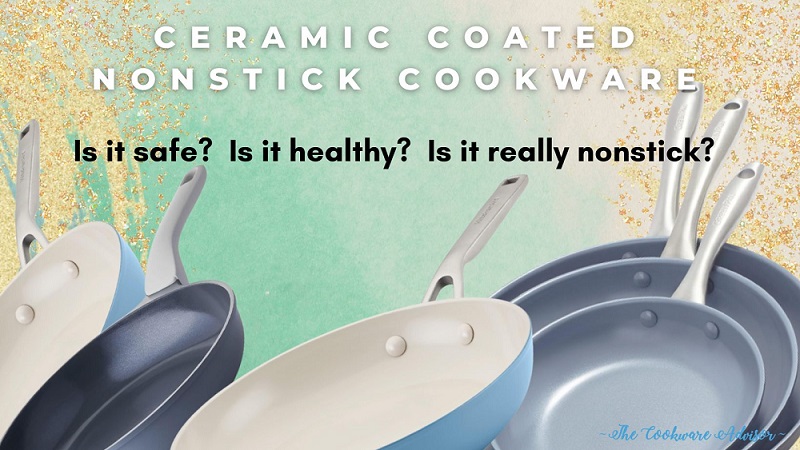
Ceramic cookware is generally safe for cooking when used correctly and maintained properly. However, understanding the nuances of ceramic cookware safety helps you make informed decisions for your kitchen and family. If you've ever stood in a cookware aisle wondering whether to invest in ceramic pans, or if you've heard conflicting information about potential risks, you're not alone. Many people are drawn to ceramic cookware for its non-stick properties and appealing aesthetics, but questions about safety often linger in their minds. This comprehensive guide will walk you through everything you need to know about ceramic cookware safety, from what makes it safe to potential concerns and how to use it responsibly in your everyday cooking.
What Is Ceramic Cookware and How Does It Work
Ceramic cookware refers to pots and pans with a ceramic coating applied to the cooking surface. The base is typically made of aluminum, stainless steel, or cast iron, while the top layer consists of a ceramic non-stick coating derived from sand and minerals. This coating creates a smooth cooking surface that doesn't require the same amount of oil or butter as traditional cookware.
The beauty of ceramic cookware lies in its functionality. The ceramic layer forms a natural non-stick surface that makes cooking easier and cleanup faster. When you heat ceramic cookware, the ceramic coating bonds with the cooking surface, creating a reliable barrier between your food and the underlying metal. This combination of durable base materials with a food-safe ceramic top has made it increasingly popular among home cooks seeking healthier cooking alternatives.
Is Ceramic Cookware Safe for Daily Cooking
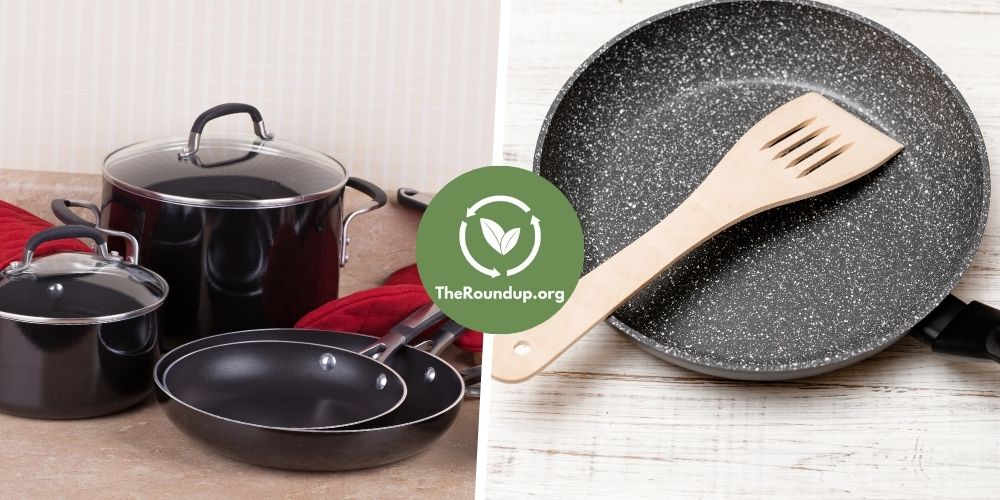
Yes, ceramic cookware is safe for daily cooking when you follow proper usage guidelines. The ceramic coating itself contains no harmful chemicals like PTFE or PFOA, which some people associate with traditional non-stick cookware. This makes ceramic cookware an attractive option for those concerned about exposure to synthetic compounds during meal preparation.
The safety of ceramic cookware depends largely on how you use and maintain it. High-quality ceramic cookware from reputable manufacturers undergoes rigorous testing to ensure it meets food safety standards. The ceramic material is inert, meaning it doesn't leach harmful substances into your food even when heated. This characteristic makes it fundamentally different from some older non-stick technologies that raised health concerns among consumers.
Potential Health Concerns With Ceramic Cookware
Several health concerns get raised about ceramic cookware, though many are based on misconceptions. One common worry involves lead and cadmium contamination in the ceramic coating. While lead and cadmium can theoretically be used in ceramic manufacturing, quality ceramic cookware produced by established brands doesn't contain these heavy metals. Manufacturers are required to comply with FDA regulations that prohibit harmful substances in cookware intended for food contact.
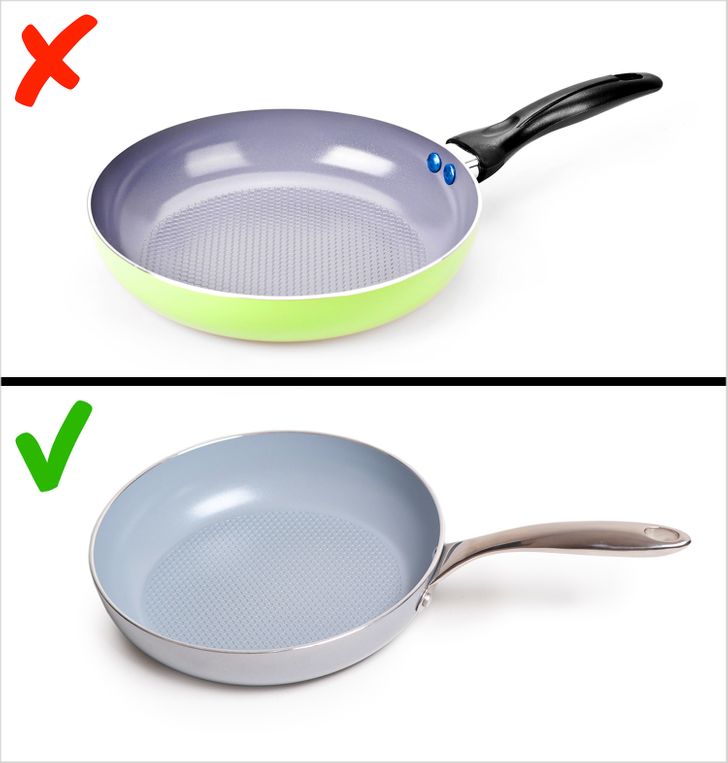
Another concern relates to the ceramic coating's durability and what happens when it chips or peels. When the ceramic layer becomes damaged, tiny particles might mix with your food, which isn't ideal. Additionally, some older ceramic cookware or products from unreliable sources might contain concerning substances. The key is choosing ceramic cookware from trustworthy manufacturers that provide transparency about their materials and testing procedures.

Lead and Cadmium in Ceramic Cookware
Lead contamination is perhaps the most frequently asked question about ceramic cookware safety. Quality ceramic cookware sold in the United States is manufactured under strict FDA guidelines that prohibit lead in cookware surfaces. Reputable brands invest in proper testing and quality control to ensure their products meet these safety standards.
However, ceramic cookware imported from countries with less stringent regulations may contain trace amounts of lead or cadmium. This risk is significantly higher with decorative ceramic cookware not intended for food contact. When shopping for ceramic cookware, prioritize brands that clearly state their products are lead-free and have been tested by third-party laboratories. Reading product reviews and checking certifications from organizations like the Consumer Product Safety Commission can help you identify safer options.

How to Choose Safe Ceramic Cookware
Selecting safe ceramic cookware involves researching brands and understanding what makes one product better than another. Start by looking for cookware from established manufacturers with strong reputations and customer reviews. These companies typically provide detailed information about their materials and manufacturing processes.
Check the product packaging and documentation for certifications and lead-free claims. Reputable ceramic cookware should clearly state that it's free from harmful substances and meets food safety standards. Look for third-party testing certifications and avoid suspiciously cheap options that might compromise on quality and safety. Reading customer reviews also provides real-world insights into product durability and performance over time.
Here are key factors to consider when choosing ceramic cookware:
• Look for cookware from established brands with positive customer reviews and transparency about materials
• Check for lead-free certifications and third-party testing documentation
• Avoid suspiciously inexpensive products that might not meet safety standards
• Examine the coating thickness, as thicker coatings tend to be more durable
• Consider the base material, as stainless steel or cast iron bases often outlast lighter aluminum bases
Proper Care and Maintenance of Ceramic Cookware
How you care for ceramic cookware directly impacts its safety and lifespan. Ceramic coatings are more delicate than traditional non-stick surfaces, so they require gentler handling. Always hand wash ceramic cookware with soft sponges and mild detergent rather than using abrasive scrubbers or dishwashers, which can damage the coating and cause it to chip or peel prematurely.
Use low to medium heat when cooking with ceramic cookware, as high temperatures can degrade the coating over time and cause it to release particles. Avoid metal utensils like forks and sharp knives that scratch the ceramic surface. Instead, use wooden spoons, silicone spatulas, or other non-metallic utensils that won't damage the coating. Proper storage also matters, so stack ceramic pans with protective cloth between them to prevent chips and scratches.
Best practices for maintaining ceramic cookware include:
• Hand wash with soft sponges and mild soap immediately after cooking
• Use only non-metallic utensils like wooden spoons and silicone spatulas
• Avoid high heat and preheat pans gradually
• Store carefully with cloth separators between pans to prevent damage
• Replace cookware if the ceramic coating becomes significantly chipped or peeled

Temperature Limits and Safe Heating Practices
Understanding temperature limits is crucial for safe ceramic cookware use. Most quality ceramic cookware can safely handle temperatures up to 350°F to 500°F, depending on the specific product. Exceeding these temperature limits can degrade the ceramic coating and potentially cause it to release unwanted particles into your food.
Always preheat ceramic cookware gradually by starting on low heat and slowly increasing to medium or medium-high settings. Sudden temperature changes, like placing a cold pan directly on a hot burner or adding cold water to a hot pan, can damage the ceramic coating and create hot spots. When cooking, maintain consistent, moderate heat rather than fluctuating between high and low temperatures, which stresses the coating and reduces its lifespan.
Safe heating practices involve:
• Check your specific cookware's temperature rating in the manufacturer's instructions
• Preheat gradually starting at low heat and increasing slowly
• Avoid sudden temperature changes that stress the coating
• Use medium to medium-high heat for most cooking tasks
• Never leave empty pans on the stove, as overheating damages ceramic coatings

Comparing Ceramic to Other Non-Stick Options
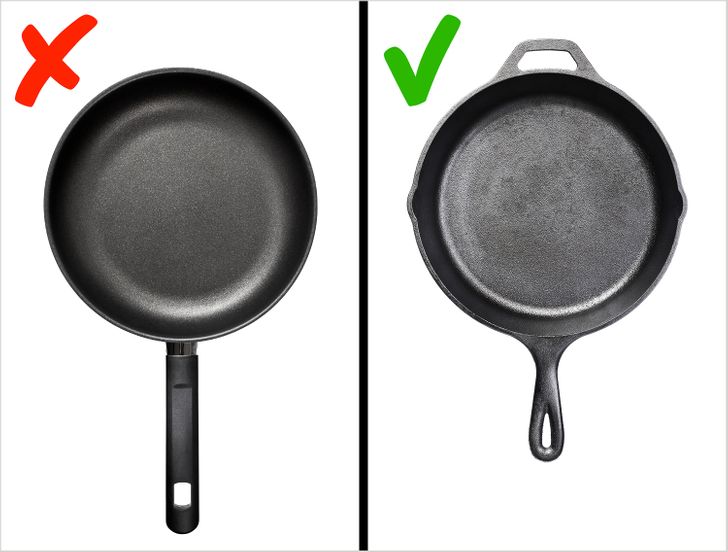
When evaluating ceramic cookware safety, it's helpful to compare it with other non-stick alternatives available on the market. Traditional Teflon-based non-stick cookware contains PTFE and PFOA, chemicals that have raised health concerns in some studies. While manufacturers claim modern Teflon is safe, many people prefer avoiding these synthetic chemicals altogether, making ceramic a more appealing choice.
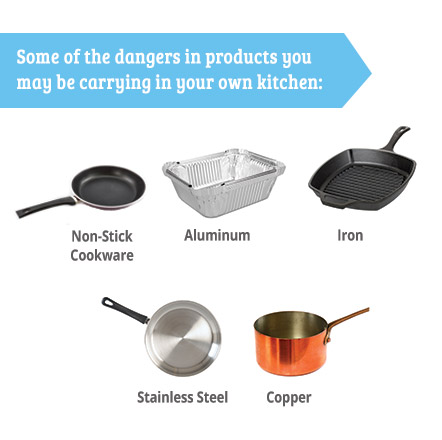
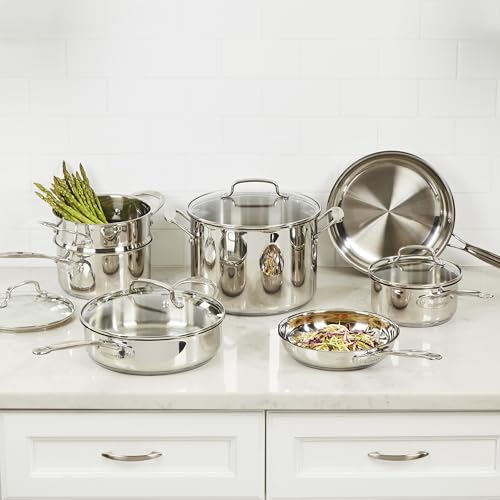
Stainless steel cookware requires more oil during cooking and doesn't offer the same non-stick convenience, but it's extremely durable and handles high heat well. Cast iron cookware is also incredibly durable and can be used at any temperature, though it requires seasoning and more maintenance. Ceramic cookware offers a middle ground, providing non-stick convenience without synthetic chemicals, though it's less durable than stainless steel or cast iron. Each option has trade-offs regarding durability, heat capacity, and safety, so the best choice depends on your cooking style and priorities.

Real-World Experience With Ceramic Cookware
From my own kitchen experience, I've found ceramic cookware to be a practical and safe choice when used properly. I started using ceramic pans about five years ago after becoming concerned about long-term exposure to traditional non-stick coatings. My initial skepticism about durability proved partly justified, but I learned that treating ceramic cookware gently significantly extends its lifespan.
The transition required adjusting my cooking habits, particularly regarding heat levels. I discovered that medium heat works beautifully for most tasks, from sautéing vegetables to searing proteins, and the food doesn't stick if the pan is properly preheated. One valuable lesson came when I ruined a ceramic pan by using high heat to sear meat aggressively. The coating began flaking within weeks. After that experience, I switched to medium-high heat with proper preheating, and my subsequent ceramic pans have remained in excellent condition for years.
I've noticed that ceramic cookware performs best for everyday cooking like making omelets, pancakes, stir-fries, and sautéed vegetables. I reserve my stainless steel pans for high-heat searing and boiling pasta, as ceramic isn't ideal for these tasks. This balanced approach has given me reliable, safe cookware that I feel confident using for my family's meals.
What Happens When Ceramic Coating Chips or Peels
When ceramic coating becomes damaged through chips or peeling, it raises legitimate safety concerns. Small chips typically aren't dangerous if they're just cosmetic damage on the exterior of the pan. However, if the ceramic cooking surface chips or flakes, food can contact the underlying material, and tiny ceramic particles might end up in your meals.
If your ceramic cookware's cooking surface develops significant damage, it's time to retire it. Attempting to cook with severely compromised cookware isn't worth the risk. The good news is that replacing worn cookware is part of normal kitchen maintenance. By choosing quality ceramic cookware and caring for it properly, you can extend the time before replacement becomes necessary. Most well-maintained ceramic pans last several years of regular home cooking before significant damage occurs.
FDA and Safety Standards for Ceramic Cookware
The FDA regulates cookware intended for food contact under strict guidelines designed to protect consumer health. Ceramic cookware must meet these regulations, which prohibit the use of harmful substances like lead and cadmium in food contact surfaces. Manufacturers must ensure their products don't leach dangerous chemicals into food under normal cooking conditions.
Understanding these regulations provides reassurance when shopping for ceramic cookware. Products manufactured and sold in the United States have undergone compliance testing. International products may not meet the same standards, which is why purchasing from reputable manufacturers becomes especially important. When you buy ceramic cookware, you're generally protected by regulatory oversight that verifies safety, though personal responsibility in selecting quality brands and using cookware properly remains important.
Frequently Asked Questions
Is ceramic cookware completely safe for cooking everyday meals?
Ceramic cookware is safe for everyday cooking when purchased from reputable manufacturers and maintained properly with gentle hand washing and appropriate heat levels. The key is choosing quality products and following usage guidelines to prevent coating damage.
Can ceramic cookware release toxic fumes when heated?
No, ceramic cookware does not release toxic fumes when heated at appropriate temperatures. Unlike some older non-stick coatings, ceramic is chemically stable and doesn't break down at normal cooking temperatures, making it safe for regular kitchen use.
Is it safe to eat food that touched chipped ceramic cookware?
Occasional contact with slightly chipped cookware is unlikely to cause harm, but regularly cooking with significantly damaged ceramic cookware isn't recommended. Small ceramic particles could enter your food, so it's best to replace pans with substantial coating damage.
Are all ceramic cookware products lead-free?
Not all ceramic cookware is guaranteed lead-free, particularly imported products or decorative ceramic items not intended for food contact. Always purchase from established brands that clearly state lead-free certification and have been tested by reputable laboratories.
What's the maximum temperature for safe ceramic cookware use?
Most quality ceramic cookware can safely handle temperatures between 350°F and 500°F depending on the specific product. Check your cookware's manual for exact temperature limits and avoid exceeding these recommendations to prevent coating degradation.
How long does ceramic cookware typically last with proper care?
Well-maintained ceramic cookware usually lasts three to five years of regular use before the coating begins showing significant wear. Quality construction, gentle care, and avoiding high heat can extend this lifespan, while rough handling or improper maintenance shortens it considerably.
Wrapping Up Your Ceramic Cookware Safety Questions
Ceramic cookware represents a safe and practical option for modern home cooks seeking alternatives to traditional non-stick cookware. When you purchase quality ceramic cookware from reputable manufacturers and treat it with the care it deserves, it serves as a reliable, healthy cooking tool for years. The key to safety lies in making informed purchasing decisions, understanding proper usage and maintenance, and knowing when it's time to replace worn cookware.
Take action today by auditing your current cookware collection and replacing any items that show significant wear. If you're considering transitioning to ceramic cookware, start with one quality pan from a trusted brand and experiment with it to understand how it performs in your kitchen. Share your experiences with ceramic cookware in the comments below, or reach out if you have additional questions about cookware safety. Your investment in proper cookware today pays dividends in food safety and cooking enjoyment for years to come.

Leave a Reply