
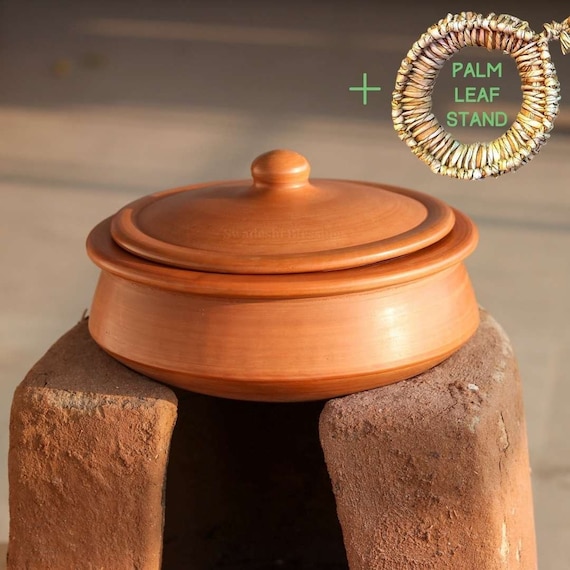
Indian clay pot cookware, also known as earthenware, is traditional cookware made from natural clay. It is prized for its ability to enhance flavors and retain nutrients in food.
Clay pots have been used in Indian kitchens for centuries. They offer unique cooking benefits that modern cookware can’t match. The porous nature of clay allows for even heat distribution, resulting in perfectly cooked dishes. Clay pots also absorb moisture, which enhances the taste and texture of food.
Cooking in clay promotes a healthier lifestyle by using minimal oil and preserving the nutritional value of ingredients. This eco-friendly option is ideal for slow cooking, making it popular for preparing traditional Indian recipes. Embrace the charm of clay pot cooking to explore authentic flavors in your culinary adventures.
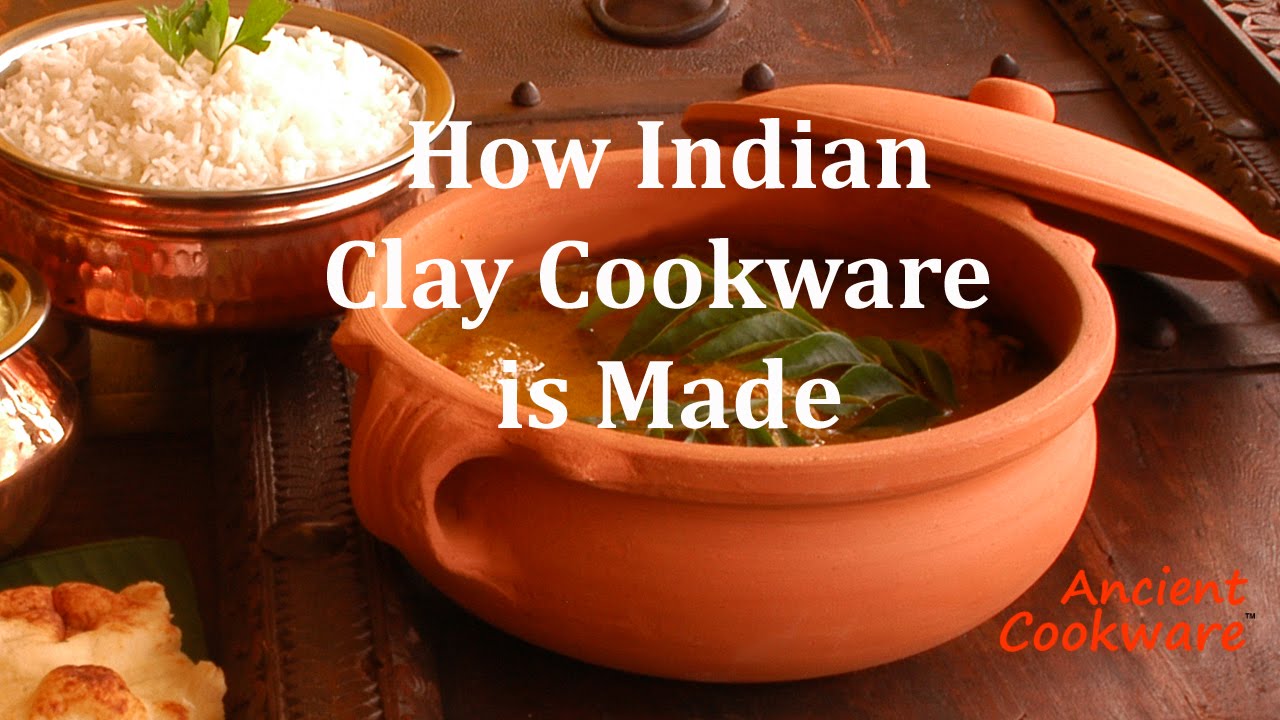
Credit: www.youtube.com
The Charm Of Indian Clay Pot Cookery
Indian clay pot cookery has a unique allure. It connects tradition and flavor. Cooking in clay pots enhances the taste and aroma of food. The earthy tones of clay bring a rich cultural heritage to every meal.
Earthy Aroma And Taste
Cooking in clay pots offers an earthy aroma and distinct taste. The clay absorbs heat evenly. This slow cooking method retains moisture and nutrients.
- Natural Flavor: Clay pots enhance the natural flavor of ingredients.
- Health Benefits: Food cooked in clay is healthier. It avoids harmful chemicals.
- Unique Texture: Clay pots create a wonderful texture in food.
The earthy aroma of dishes cooked in clay pots is irresistible. Each meal becomes a sensory experience. The clay adds a rustic touch to modern kitchens. It reminds us of our roots and traditions.
Cultural Significance
Clay pot cooking is deeply rooted in Indian culture. It symbolizes tradition and community. Families gather to cook and share meals in clay pots.
| Aspect | Significance |
|---|---|
| Tradition | Passed down through generations. |
| Community | Brings families together. |
| Celebration | Used in festivals and special occasions. |
Clay pots are often used during festivals. They carry stories of heritage and craftsmanship. Each pot holds memories of family gatherings. Cooking in clay pots is more than just preparing meals.
Types Of Indian Clay Pots
Indian clay pots come in various types. Each type has unique features. They vary by region, shape, and size. Understanding these types enhances cooking experiences. Let’s explore the different categories.
Region-specific Varieties
Different regions in India produce unique clay pots. Each region uses local clay and techniques. Here are some popular varieties:
| Region | Type of Pot | Features |
|---|---|---|
| Punjab | Handi | Wide base, perfect for slow cooking. |
| Rajasthan | Gharonda | Thick walls, ideal for retaining heat. |
| West Bengal | Chakla | Flat shape, great for baking breads. |
| Kerala | Meenchatti | Deep pot, excellent for curries and stews. |
Shapes And Sizes
Indian clay pots come in various shapes and sizes. Each shape serves a specific cooking purpose. Here are the common shapes:
- Round Pots: Great for boiling and cooking.
- Flat Pots: Best for frying and sautéing.
- Deep Pots: Ideal for stews and curries.
- Wide Mouth Pots: Perfect for baking and slow cooking.
Sizes range from tiny pots to large vessels. Small pots suit individual servings. Large pots accommodate family meals. Choose the size based on your cooking needs.
Why Cook In Clay?
Cooking in clay pots is a tradition that spans centuries. It brings unique flavors and health benefits to your meals. Clay cookware enhances your cooking experience while promoting a sustainable lifestyle. Explore the reasons why cooking in clay is a great choice.
Health Benefits
Clay pots offer several health benefits for you and your family. Here are some key points:
- Mineral Enrichment: Clay cookware releases essential minerals into food.
- Natural Non-Stick: Clay surfaces reduce the need for unhealthy oils.
- Retained Nutrients: Slow cooking in clay preserves vitamins and minerals.
- Alkaline Properties: Clay helps balance acidity in food.
Cooking in clay can lead to healthier meals. The natural materials used in clay pots are free from chemicals. This ensures your food remains pure and nutritious.
Sustainability Factor
Using clay cookware supports a sustainable lifestyle. Here are some reasons to consider:
- Natural Materials: Clay pots are made from earth-friendly materials.
- Energy Efficiency: Clay retains heat, reducing energy consumption.
- Biodegradable: At the end of their life, clay pots decompose naturally.
- Support Local Artisans: Buying clay cookware helps local communities.
Choosing clay cookware contributes to a healthier planet. It reduces waste and promotes eco-friendly practices. Enjoy the benefits of sustainability while cooking delicious meals.

Credit: www.patelbros.com
Seasoning Your Clay Pot
Seasoning your clay pot is essential for great cooking. It creates a natural non-stick surface. This process enhances flavors and improves the pot’s durability.
Initial Cleaning
Before seasoning, clean your clay pot properly. Here’s how:
- Rinse the pot with warm water.
- Use a soft sponge to scrub the surface.
- Do not use soap. Soap can damage the clay.
- Let the pot air dry completely.
Ensure there are no dust particles left. This step is crucial for effective seasoning.
The First Cook
Your first cooking session is vital for seasoning. Follow these steps:
- Preheat the oven to 350°F (175°C).
- Place the clean clay pot inside for 30 minutes.
- Remove and let it cool down.
- Coat the inner surface with oil. Use vegetable oil or olive oil.
- Return the pot to the oven for another hour.
This process builds a protective layer. Your clay pot is now ready for use. Enjoy cooking delicious meals!
Mastering The Art Of Clay Pot Cooking
Clay pot cooking brings unique flavors and textures to your meals. This ancient method enhances the natural taste of ingredients. It requires skill and knowledge to achieve the best results. Understanding the nuances of clay pot cooking is essential for every home chef.
Temperature Control
Temperature control is crucial in clay pot cooking. Clay pots retain heat well, creating even cooking conditions. Here are some tips for effective temperature management:
- Start with low to medium heat.
- Gradually increase temperature as needed.
- Avoid sudden temperature changes.
- Monitor cooking time closely.
Using a lid helps maintain moisture and heat. This technique ensures your dishes cook evenly. Remember to adjust heat based on the recipe’s requirements. A slow cooking process often yields the best results.
Preventing Cracks
Cracks can ruin your clay pot. Preventing them requires a few simple steps:
- Soak your clay pot in water for several hours before use.
- Always start cooking on low heat.
- Use gentle temperature changes.
- Avoid placing hot pots directly on cold surfaces.
Regular care extends the life of your clay cookware. Store it in a cool, dry place. With proper maintenance, your clay pots will serve you well for years.

Credit: www.amazon.com
Versatile Recipes For Clay Pot Cooking
Indian clay pots bring unique flavors to cooking. They retain heat well and add a subtle earthy taste to dishes. Here are some delicious recipes you can try. These recipes highlight the versatility of clay pot cooking.
Vegetarian Delights
Vegetarian dishes shine in clay pots. The slow cooking enhances flavors. Here are some easy vegetarian recipes:
- Vegetable Biryani
- Layered rice with mixed vegetables.
- Cook with spices and herbs.
- Serve with raita for extra taste.
- Dal Tadka
- Cook lentils with spices and onions.
- Use ghee for a rich flavor.
- Serve with rice or roti.
- Paneer Tikka
- Marinate paneer with yogurt and spices.
- Grill in the clay pot for smoky taste.
- Enjoy with mint chutney.
Non-vegetarian Favorites
Non-vegetarian recipes become special in clay pots. The slow cooking infuses flavors deeply. Explore these easy-to-make dishes:
| Dish | Key Ingredients | Cooking Time |
|---|---|---|
| Chicken Curry | Chicken, onions, tomatoes, spices | 45 minutes |
| Fish Masala | Fish, coconut milk, spices | 30 minutes |
| Lamb Rogan Josh | Lamb, yogurt, aromatic spices | 1 hour |
Each dish captures the essence of Indian cuisine. The clay pot enhances the aroma and taste. Try these recipes for a satisfying meal.
Maintenance And Care
Proper maintenance and care of Indian clay pot cookware ensure its longevity. With the right techniques, you can keep your pots in excellent condition. Follow these tips for cleaning and storing your clay cookware.
Cleaning Tips
Cleaning clay pots requires gentle methods. Avoid harsh chemicals or abrasive scrubbers. Follow these steps:
- Cool Down: Let the pot cool completely before cleaning.
- Rinse: Rinse with warm water to remove food residues.
- Scrub: Use a soft sponge or cloth. Baking soda works well for stubborn stains.
- Soak: For tough stains, soak the pot in warm water for a few hours.
- Dry: Air dry completely before storing. This prevents mold.
Do not use dishwashers. They can damage the clay. Never leave clay pots in water for long periods. This can weaken the material.
Storage Solutions
Storing clay pots correctly extends their life. Here are some effective storage solutions:
- Dry Location: Store in a cool, dry place. Avoid humid areas.
- Separate Layers: Place cloth or paper between pots. This prevents scratches.
- Stack Carefully: Avoid stacking heavy pots on top of lightweight ones.
- Cover: Use a breathable cover to protect from dust.
Check your pots regularly for cracks or chips. Repair any damage promptly to maintain their usability.
Incorporating Clay Pots Into Modern Kitchens
Indian clay pot cookware brings a unique charm to modern kitchens. These pots combine tradition with functionality. They enhance flavors and provide a natural cooking experience. Let’s explore how to incorporate clay pots into contemporary cooking spaces.
Blending Tradition With Technology
Modern kitchens embrace technology without losing traditional roots. Clay pots can coexist with modern appliances. Here are some ways to blend the two:
- Use on Gas Stoves: Clay pots work well on gas burners.
- Oven Safe: Many clay pots are safe for oven use.
- Microwave Options: Some clay cookware is microwave-friendly.
Choose pots with a smooth finish. This makes cleaning easier. Some brands offer clay pots with non-stick coatings. This adds convenience without losing the essence of clay cooking.
Showcasing Ethnic Elegance
Clay pots add ethnic elegance to any kitchen. Their rustic look complements modern décor. Here are ways to showcase their beauty:
- Display on Shelves: Use pots as decorative pieces.
- Functional Art: Cook meals and serve in the same pot.
- Mix with Other Cookware: Combine with stainless steel or ceramic.
Choose vibrant colors and intricate designs. This enhances the aesthetic appeal. Clay pots can be conversation starters. They reflect cultural heritage and culinary traditions.
Frequently Asked Questions
What Are The Benefits Of Indian Clay Pot Cookware?
Indian clay pot cookware offers numerous benefits. It retains heat effectively, ensuring even cooking. The porous nature allows for moisture retention, enhancing flavor. Additionally, it is eco-friendly, non-toxic, and free from harmful chemicals. Cooking in clay pots also adds essential minerals to your food, promoting better health.
How To Season Indian Clay Pots?
Seasoning Indian clay pots is essential for durability and performance. Start by soaking the pot in water for a few hours. Then, apply a thin layer of oil, preferably mustard or coconut oil. Bake the pot upside down in an oven at low heat for about an hour.
Let it cool before use.
Can You Use Clay Pots On The Stove?
Using clay pots on the stove requires caution. Traditional clay cookware is not designed for direct flame cooking. However, certain modern clay pots are stove-safe. Always check the manufacturer’s guidelines. For best results, opt for slow, low-heat cooking to avoid cracking.
How Do I Clean Clay Pots?
Cleaning clay pots is straightforward yet requires care. Avoid using harsh detergents or abrasive scrubbers. Instead, rinse with warm water and use a soft sponge. For stubborn stains, soak in water with baking soda. Always air dry the pots thoroughly to prevent mold growth.
Conclusion
Indian clay pot cookware offers a unique blend of tradition and health benefits. Cooking in clay enhances flavors while retaining nutrients. These pots are environmentally friendly and promote sustainable cooking practices. Embracing clay cookware not only elevates your culinary experience but also connects you to rich cultural heritage.
Explore the joy of cooking with clay today!



Leave a Reply