
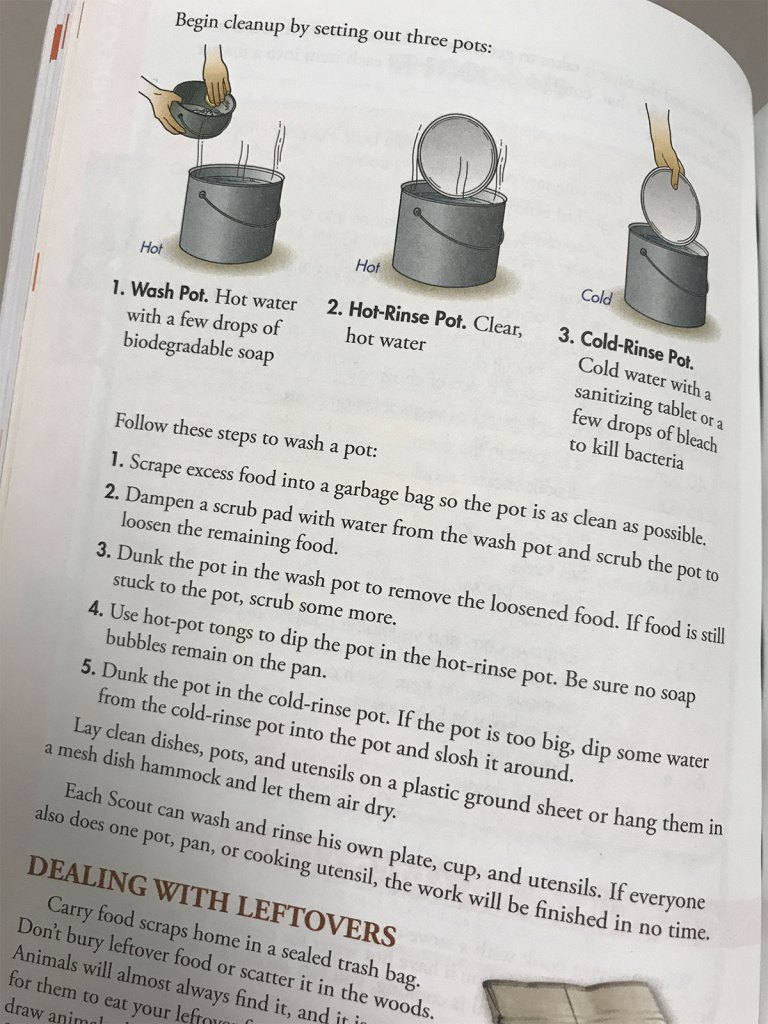
To wash pots and pans properly, start by removing excess food, then soak, scrub, rinse, and dry. Use warm soapy water, a sponge or scrubber, and dry thoroughly to prevent rust.
How to Wash Pots and Pans Properly Step by Step:Washing pots and pans is a daily task that, when done correctly, can extend the life of your cookware and maintain its performance. A clean set of pots and pans is essential for both hygiene and taste, ensuring that flavors remain true and your meals are safe to eat.
The process is straightforward, yet requires attention to detail to avoid damaging the cookware’s surface. Whether you’re dealing with stainless steel, non-stick, or cast iron, each material demands specific care. Embrace the routine of cleaning your cookware promptly after use to avoid stubborn residue build-up. This guide will lead you through the best practices for keeping your pots and pans in pristine condition, ready for your next culinary adventure.
Introduction To Effective Cleaning
Clean cookware is vital for healthy cooking. Proper washing techniques ensure longevity and performance. This guide will show you how to clean pots and pans effectively.
The Importance Of Clean Cookware
Clean cookware prevents bacteria and enhances flavors. It also helps to maintain the cookware’s condition. Regular cleaning avoids stubborn residue buildup.
- Prevents foodborne illnesses
- Improves taste and food quality
- Extends cookware lifespan
Common Challenges In Washing
Washing pots and pans presents unique challenges. Burnt food and grease can be tough to remove. Different materials require specific cleaning methods.
| Challenge | Solution |
|---|---|
| Burnt residue | Soak in hot water, use baking soda |
| Grease | Dish soap and warm water |
| Scratches | Use non-abrasive sponges |
Materials Needed For Washing
Before diving into the pot and pan washing process, gather the right materials. Proper tools and detergents ensure effective cleaning. This guide helps you select the essentials.
Choosing The Right Detergent
Detergents play a crucial role in cleaning. Not all detergents suit every type of cookware. For non-stick surfaces, use a gentle detergent. Cast iron requires a specific cleaner to maintain its seasoning. Stainless steel can handle stronger detergents. Always check the manufacturer’s recommendation.
Essential Cleaning Tools
Choose tools that won’t damage your cookware. Here’s a list:
- Scrub brushes: They reach tough spots.
- Sponges: Soft for non-stick, abrasive for others.
- Scouring pads: For stubborn grime.
- Dishcloths: For everyday washing.
- Drying rack: Air-dry without spots.
Match the tool to the cookware’s material. Use non-abrasive tools for delicate surfaces. Tougher materials can handle scouring pads.
Pre-washing Steps
Before you start scrubbing, proper pre-washing steps are crucial. They make cleaning pots and pans easier. Let’s look at how to prep your cookware for a thorough wash.
Removing Food Residue
Begin by removing leftover food. Scrape off solids with a spatula or spoon. For stuck-on food, use a plastic scraper. This step prevents clogging your sink.
Soaking Techniques
Soaking loosens tough grime. Fill the pan with hot water and add dish soap. Allow it to sit. Use baking soda for extra power. Choose the right soak time:
- Aluminum: Up to 2 hours
- Stainless steel: 3 hours or more
- Non-stick: 1 hour max
- Cast iron: Avoid soaking
The Washing Process
Cleaning pots and pans need care and proper steps. Learn the best way to wash them. Keep your cookware shiny and long-lasting. Follow these simple steps for the best results.
Scrubbing Techniques
Start with hot water and dish soap. Use a sponge or soft brush. Never use steel wool on non-stick surfaces. For cast iron, use salt and a stiff brush. Rinse well with warm water. Dry immediately to prevent rust.
- Fill with hot soapy water.
- Let soak for 10-15 minutes.
- Scrub gently with the right tool.
- Rinse with clean water.
- Dry with a soft towel.
Dealing With Stubborn Stains
For tough stains, use baking soda. Make a paste with water. Apply to the stain and let sit. Scrub gently and rinse. For burnt pots, boil water and baking soda. Let cool, then scrub. Vinegar helps with discoloration. Mix with water and soak the pan. Rinse thoroughly after.
- Make a baking soda paste.
- Apply to stain and wait.
- Boil water with baking soda for burns.
- Use vinegar for discolored areas.
- Scrub and rinse well.
Special Considerations For Different Materials
Kitchen enthusiasts know that pots and pans come in varied materials. Each material has unique care instructions. Let’s dive into how to keep these kitchen staples in top shape.
Caring For Non-stick Surfaces
Non-stick cookware is a kitchen favorite for easy clean-up. Yet, it needs gentle handling. Always use soft sponges or cloths. Avoid abrasive cleaners and metal utensils. They can damage the coating.
- Wash with warm, soapy water.
- Rinse thoroughly to remove soap.
- Dry with a soft cloth.
Cleaning Cast Iron
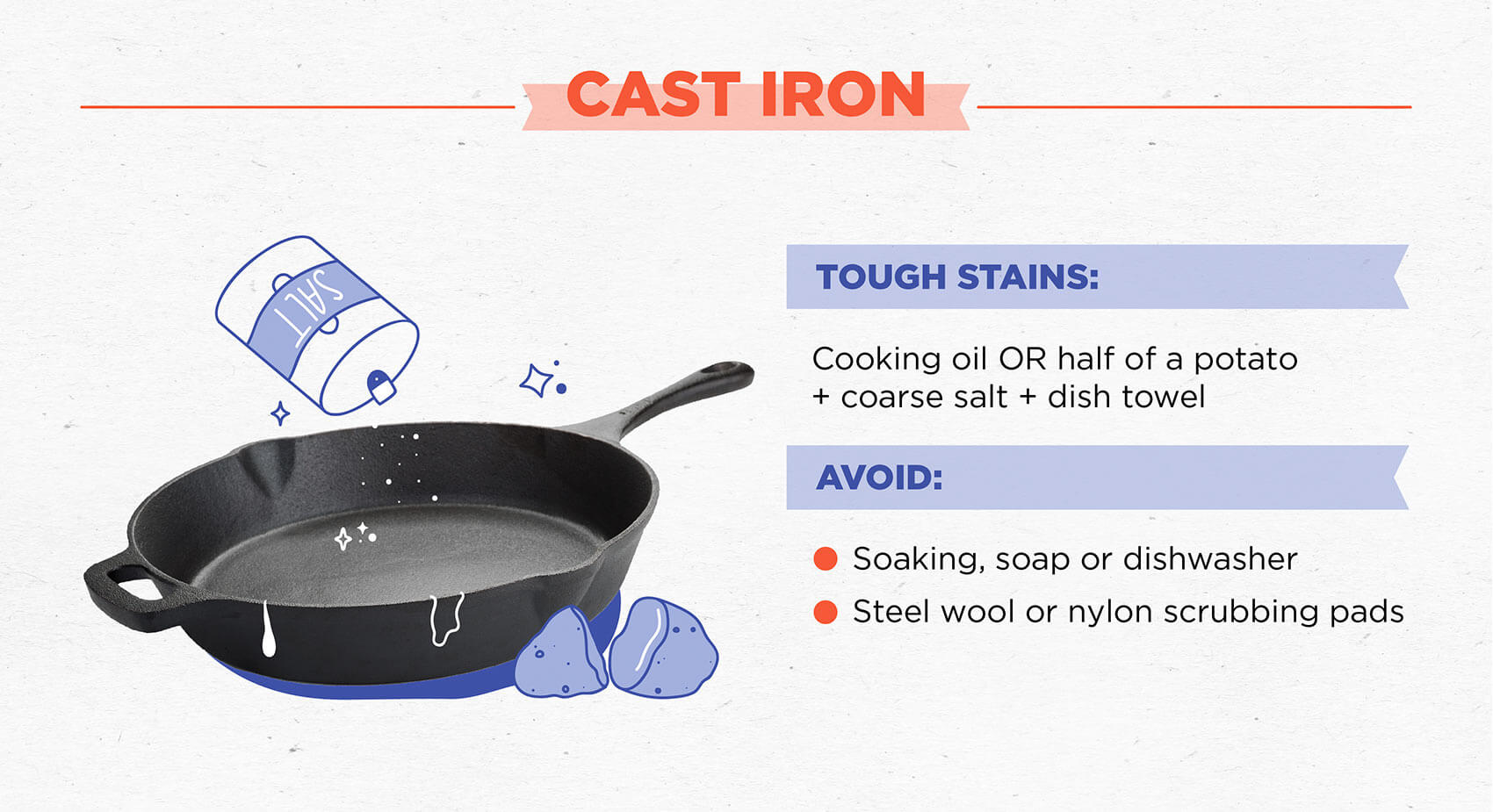
Cast iron requires special attention. It’s known for its durability and even heating. Yet, it can rust without proper maintenance. Never soak cast iron. Avoid the dishwasher. Instead, clean while still warm.
- Scrub with a stiff brush and water.
- If needed, use a paste of coarse salt and water.
- Wipe clean, then dry immediately.
- Season with oil to maintain its non-stick surface.
Rinsing And Drying
Rinsing and drying are crucial steps in washing pots and pans. Proper techniques prevent water spots and maintain their shine. Let’s dive into the best methods for rinsing and drying your kitchenware.
Proper Rinsing Methods
- Use hot water: It removes soap residues efficiently.
- Check all angles: Tilt and rotate to rinse thoroughly.
- Double-check: Ensure no soap bubbles are left.
After scrubbing, a thorough rinse is vital. Hot water works best, as it cuts through leftover grease and soap with ease. Make sure to inspect every nook and cranny of your pots and pans, leaving no surface untouched. A final inspection for any remaining suds will guarantee a soap-free rinse, setting you up perfectly for the drying stage.
Effective Drying Techniques
- Use a clean towel: It prevents lint and residue.
- Let air do the work: Air drying prevents streaks.
- Store right away: This avoids dust collection.
To avoid water marks, a clean, dry towel is your best friend. Gently pat down your pots and pans, absorbing all moisture. For a spotless finish, consider air drying, which allows water to evaporate without leaving streaks. Once completely dry, store your kitchenware immediately to prevent dust from settling. This keeps them ready for their next use.
Maintaining Your Pots And Pans
To keep your cookware in top shape, proper maintenance is key. Not only does this extend their lifespan, but it also ensures your food cooks evenly and tastes great. Follow these steps to maintain your pots and pans, and they’ll reward you with years of reliable service.
Regular Maintenance Tips
- Clean after each use: Wash your cookware promptly to prevent food buildup.
- Use proper tools: Opt for non-abrasive sponges to avoid scratches.
- Dry thoroughly: Prevent rust and water spots by drying cookware immediately.
- Season when necessary: Keep cast iron and some steel pans seasoned for a non-stick surface.
- Check for damage: Inspect for warps or chips that can affect cooking performance.
Storing Cookware To Avoid Damage
Correct storage is just as important as cleaning. Here’s how to store your pots and pans to keep them safe:
| Type of Cookware | Storage Tips |
|---|---|
| Stackable Pans | Use pan protectors or towels between them. |
| Lids | Store separately or hang to prevent scratching. |
| Cast Iron | Store in a dry place with a paper towel to absorb moisture. |
By following these steps, your cookware will stay in great shape, ready for your next culinary adventure.
:max_bytes(150000):strip_icc()/baking-soda-and-pots-and-pans-1900441_FINAL-5bd268e3c9e77c00515b7a51.png)
Credit: www.thespruce.com
Troubleshooting Common Issues
Troubleshooting Common Issues with pots and pans is easy. Sometimes, cookware needs extra love. Burnt food and discoloration are typical problems. But, don’t worry! The right steps will make them look new.
Removing Burnt Food
Burnt food on pots and pans is a pain. But, it’s fixable with these steps:
- Fill the cookware with water.
- Add a few drops of dish soap.
- Bring to a boil on the stove.
- Let it simmer for a few minutes.
- Use a wooden spoon to scrape off the food.
- Empty the pot and scrub with a sponge.
- Rinse and dry the cookware.
For stubborn spots, soak overnight with baking soda and water.
Restoring Discolored Cookware
Discolored pots and pans need special care. Here’s how to restore their shine:
- Mix vinegar and water in equal parts.
- Boil the mix in the cookware.
- Let it cool, then scrub with a sponge.
- For stainless steel, sprinkle baking soda.
- Scrub with a soft cloth in a circular motion.
- Rinse well and towel dry.
Now your cookware should look as good as new!
Credit: kitchencabinetkings.com
Frequently Asked Questions
What Is The Proper Method For Cleaning Pots And Pans?
To clean pots and pans, first soak them in warm soapy water. Use a soft sponge to scrub gently. Rinse thoroughly with clean water. Dry with a soft cloth to prevent water spots. For stubborn stains, apply baking soda paste, let sit, then scrub and rinse.
How To Clean A Pan Step By Step?
Begin by soaking the pan in warm, soapy water. Gently scrub with a soft sponge to remove residue. Rinse thoroughly under clean water. Dry with a soft cloth to prevent water spots. For stubborn stains, apply a baking soda paste, let sit, then scrub and rinse.
How Should You Dry Pots And Pans That Are Manually Washed?
After manually washing pots and pans, rinse them thoroughly, then air dry on a rack or use a clean towel to prevent water spots and bacteria growth.
What Are The Correct Cleaning And Sanitizing Procedures For Pots And Pans?
Begin by removing food debris; rinse pots and pans with warm water. Apply detergent, scrub thoroughly, and rinse again. Sanitize with a food-safe sanitizer; follow the product’s instructions. Air-dry fully before storage.
Conclusion
Mastering the art of washing pots and pans is simple with the right steps. This guide has laid out a clear, easy-to-follow method ensuring your cookware stays in top shape. Remember, regular maintenance keeps your kitchen essentials lasting longer and performing better.
Happy cleaning and here’s to sparkling pots and pans in every kitchen!




Leave a Reply