
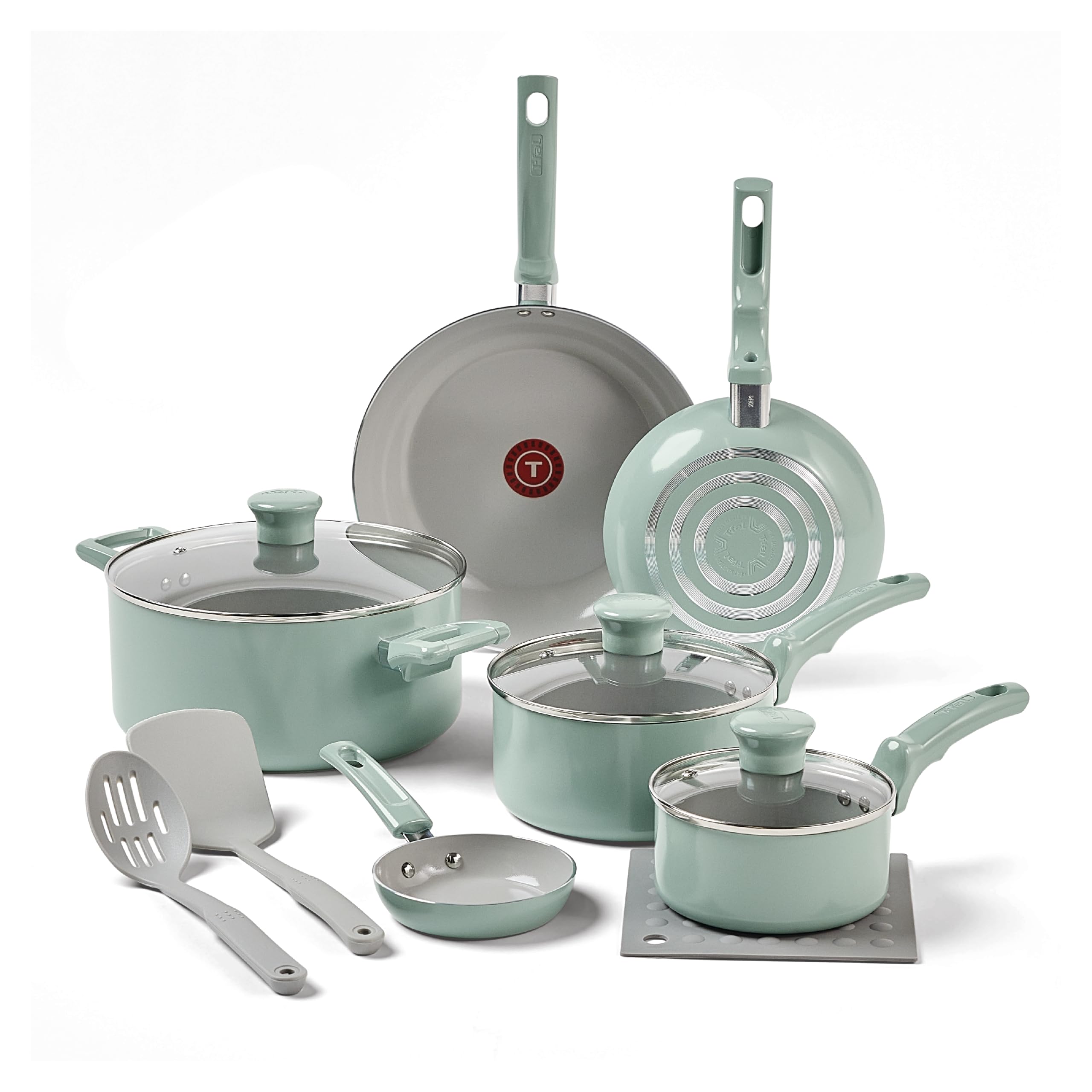
Refresh non-stick pans by cleaning with baking soda paste and re-seasoning with oil at high heat. Avoid using metal utensils to maintain the coating.
How to Refresh Non Stick Pans:Revitalizing your non-stick pans is crucial to maintain their performance and extend their lifespan. Non-stick cookware has become a kitchen staple, allowing for healthier cooking with less oil and an easier cleanup process. Over time, the non-stick surface can diminish due to wear and tear, making food stick and compromising the pan’s effectiveness.
To keep these kitchen essentials in top shape, a simple refresh routine is necessary. This process involves a gentle but thorough cleaning followed by a conditioning step that reinstates the slippery surface, ensuring that your non-stick pans continue to provide the convenience and quality cooking experience they’re known for. Regular maintenance not only improves functionality but also saves money in the long run by avoiding the need for premature replacements.

Credit: www.youtube.com
Introduction To Non-stick Pan Care
Non-stick pans are a staple in kitchens everywhere.
They promise easy cooking and quick cleanup. Proper care keeps these pans performing well.
Why Maintenance Matters
Keeping non-stick pans in top shape extends their life.
It ensures food cooks evenly. It prevents harmful particles from flaking off.
- Even Cooking: A well-maintained pan heats up evenly.
- Longevity: Good care prevents scratches and wear.
- Safety: It minimizes the risk of ingesting flaked coating.
Signs Your Pan Needs Attention
Recognize when your pan needs care. Look for these warning signs.
| Sign | What It Means |
|---|---|
| Flaking Coating | Time to re-season or replace the pan. |
| Stains and Burns | Cleaning and maintenance are overdue. |
| Uneven Heating | The pan’s surface might be warped. |
Initial Cleaning: Start Fresh
A fresh start for non-stick pans ensures lasting performance. Proper initial cleaning sets the foundation. This process removes any manufacturing residues. Your pan is ready for culinary action post-cleanup.
The Right Way To Clean
Begin with warm water and a dash of mild detergent. Use a soft sponge to gently wash the surface. Rinse thoroughly to remove soap traces. Dry with a soft cloth or towel. This method preserves the non-stick coating.
- Warm water
- Mild detergent
- Soft sponge
- Thorough rinse
- Dry with soft cloth
Common Mistakes To Avoid
Avoid these errors to extend your pan’s life:
| Mistake | Reason to Avoid |
|---|---|
| Using abrasive cleaners | Damages non-stick surface |
| Scrubbing with metal pads | Scratches and wears down coating |
| Dishwasher use | Harsh chemicals and heat can degrade coating |
| Overheating empty pan | May release toxic fumes, ruin non-stick layer |
Stick to gentle cleaning for a spotless, functional pan. Avoid harsh methods that harm your cookware.
The Vinegar Steam Clean
Reviving non-stick pans is simple with the vinegar steam clean. This method removes buildup and restores the surface. It’s quick and uses items found in most kitchens. Let’s explore how vinegar can make your pans like new.
Steps For Vinegar Steam Clean
- Fill the pan with one cup water.
- Add two tablespoons of white vinegar.
- Bring to a boil on the stove.
- Let the mixture simmer for ten minutes.
- Turn off the heat and let the pan cool.
- Discard the liquid and wash the pan with soap.
Why It Works
Vinegar is acidic. It breaks down grime and food remnants. The steam reaches all parts of the pan, ensuring thorough cleaning. This method is safe and eco-friendly. It extends your pan’s life, keeping it non-stick for longer.

Credit: www.walmart.com
Baking Soda: The Gentle Scrub
Over time, non-stick pans lose their shine and performance. Fear not, baking soda is here to help. This kitchen staple acts as a mild abrasive, perfect for reviving your cookware. It’s safe, effective, and easy to use. Let’s bring back the sparkle to your non-stick pans with a simple baking soda scrub.
Preparing The Paste
To start, you’ll need to create a paste. This will be the main cleaning agent for your pan.
- Get baking soda from your pantry.
- Pour water into a small bowl.
- Add baking soda to water gradually.
- Stir until you have a thick paste.
Application Technique
Applying the paste correctly is key to effective cleaning.
- Spread the paste over the pan’s surface.
- Use a soft sponge to gently scrub.
- Focus on areas with residue.
- Rinse the pan with warm water.
- Dry with a soft cloth or towel.
Your non-stick pan should now look refreshed and perform better.
Oil Seasoning: A Non-stick Booster
Oil seasoning can work wonders for non-stick pans. This process restores the non-stick surface. It enhances the pan’s durability. Seasoning is simple but effective. It helps your cookware perform better. Let’s dive into how you can boost your pan’s non-stick qualities with oil seasoning.
Choosing The Right Oil
Not all oils are suitable for seasoning. High smoke point oils work best. They can withstand high temperatures without burning. Common options include:
- Canola oil – It’s affordable and easily available.
- Grapeseed oil – It has a neutral flavor.
- Flaxseed oil – It creates a strong seasoning layer.
- Peanut oil – It’s ideal for its high smoke point.
The Seasoning Process
Seasoning a non-stick pan is straightforward. Follow these steps:
- Clean the pan thoroughly. Make sure it’s dry.
- Apply a thin oil layer to the pan’s surface. Use a paper towel.
- Heat the pan on the stove. Do this over medium heat.
- Watch for smoke. When it appears, start timing.
- Cool the pan for about 30 minutes. It should be at room temperature.
- Wipe away excess oil. Use a clean paper towel.
Repeat this process regularly. Your pan’s non-stick surface will stay effective. This ensures a longer life for your cookware.
Avoiding Future Damage
Keep non-stick pans in top shape with simple habits. Pans last longer with proper care. Let’s explore how.
Utensils To Use And Avoid
Choose the right tools to protect pan surfaces.
- Use: Wooden, silicone, or plastic utensils.
- Avoid: Metal spoons or spatulas.
Sharp objects scratch non-stick coatings. Scratches make pans wear out fast.
Temperature And Cooking Tips
High heat damages non-stick pans. Use medium or low heat instead. Let the pan heat slowly. Always add food after preheating.
- Start on low heat.
- Preheat pans for even cooking.
- Avoid rapid temperature changes.
Cool pans before washing. Sudden changes can warp the surface. A flat surface cooks food evenly.
When To Say Goodbye
Knowing when to replace non-stick pans is crucial. Over time, they lose effectiveness. This section helps identify that moment. Let’s dive in.
Lifespan Of Non-stick Pans
Non-stick pans do not last forever. Regular use typically yields a lifespan of about three to five years. Key signs include visible scratches, peeling, and loss of non-stick effectiveness. Once these signs appear, it’s time to consider a new pan.
Recycling Old Cookware
Don’t just throw old pans away. Recycling is a better option. Check with local waste management for cookware recycling programs. Some areas offer special facilities. Others may direct you to scrap metal services. Donating to a recycling program helps reduce waste and benefits the environment.
Alternatives To Non-stick Pans
Exploring alternatives to non-stick pans can open doors to healthier cooking and durable kitchenware.
Healthier Options
Traditional non-stick pans often contain chemicals that can be harmful. Healthier options exist. They allow cooks to prepare food safely.
- Ceramic cookware: Releases no toxins and requires less oil.
- Cast iron: Natural, increases iron intake.
- Stainless steel: Does not react with food.
- Stone cookware: Offers a safe non-stick surface.
Comparing Durability And Performance
Durability and performance are key when choosing cookware.
| Type | Durability | Performance |
|---|---|---|
| Ceramic | Good with proper care | Heats evenly |
| Cast iron | Excellent, lasts generations | Retains heat well |
| Stainless steel | Very strong | Excels at browning |
| Stone cookware | Highly durable | Non-stick without chemicals |

Credit: www.amazon.com
Frequently Asked Questions
Can You Revive A Non Stick Pan?
Yes, you can revive a non-stick pan by applying a thin layer of oil and heating it gently. This process can help restore its non-stick surface. Ensure to clean and dry the pan thoroughly before this treatment. Regular maintenance can extend its life.
How Do You Make Non Stick Pans Look New Again?
To make non-stick pans look new, mix baking soda with water to form a paste. Apply gently with a soft sponge, avoiding abrasive materials. Rinse thoroughly and dry. This method effectively removes stains and restores the pan’s surface without damaging it.
How To Restore A Burnt Non-stick Pan?
To restore a burnt non-stick pan, soak it in hot water with baking soda for an hour. Gently scrub with a non-abrasive sponge, rinse thoroughly, and dry. Avoid harsh chemicals to preserve the coating.
How Do I Get The Brown Stuff Off My Non Stick Pan?
To remove brown residue from a non-stick pan, soak it in warm, soapy water and then scrub gently with a soft sponge. Avoid abrasive cleaners and steel wool to maintain the non-stick surface. Rinse thoroughly after cleaning.
Conclusion
Revitalizing your non-stick pans is simpler than you think. With the right care, these kitchen essentials can last longer, saving you money and hassle. Remember, gentle cleaning and proper storage are key. Embrace these tips and watch your cookware perform like new, meal after meal.
Happy cooking!



Leave a Reply