
Maintain your stainless steel cookware by hand-washing, drying immediately, and polishing with the grain to prevent stains and corrosion. If you've ever stared at water spots on your favorite pan or noticed stubborn food residue that just won't budge, you're not alone. I've been cooking with stainless steel cookware for over fifteen years, and I've learned that these versatile kitchen tools require specific care to keep them looking pristine and performing beautifully. Stainless steel cookware is an investment that can last a lifetime when properly maintained, but improper cleaning and maintenance can lead to discoloration, pitting, and permanent damage. Understanding how to maintain stainless steel cookware isn't complicated, but it does require consistency and the right approach. This guide will walk you through everything you need to know to keep your cookware in excellent condition for decades to come.
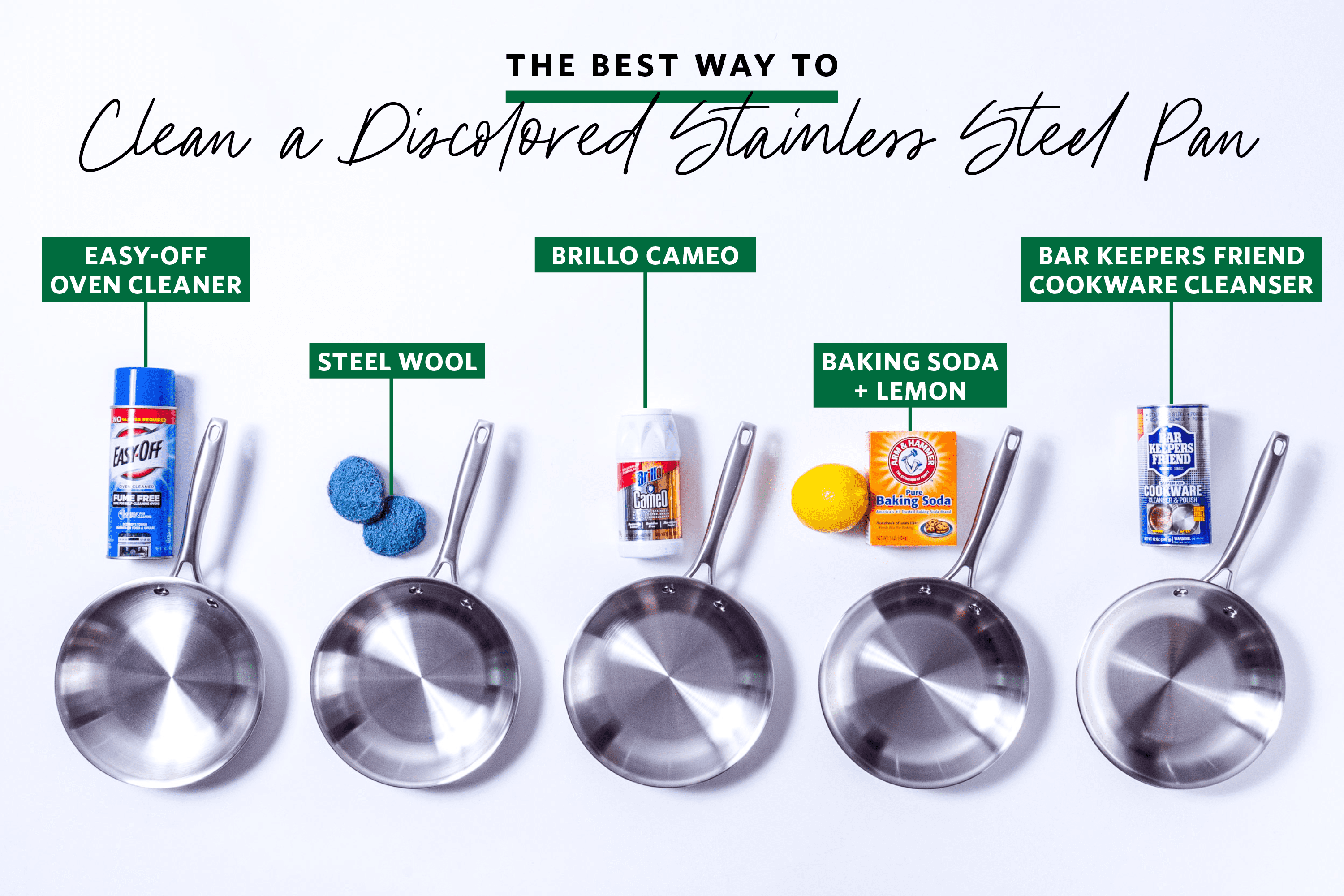
Daily Cleaning Methods for Stainless Steel Cookware
Proper daily cleaning is the foundation of maintaining stainless steel cookware effectively. The sooner you clean your pans after cooking, the easier it is to remove food residue and prevent buildup that can become stubborn over time. I've found that addressing spills and food particles immediately makes the entire maintenance process much simpler and more efficient.
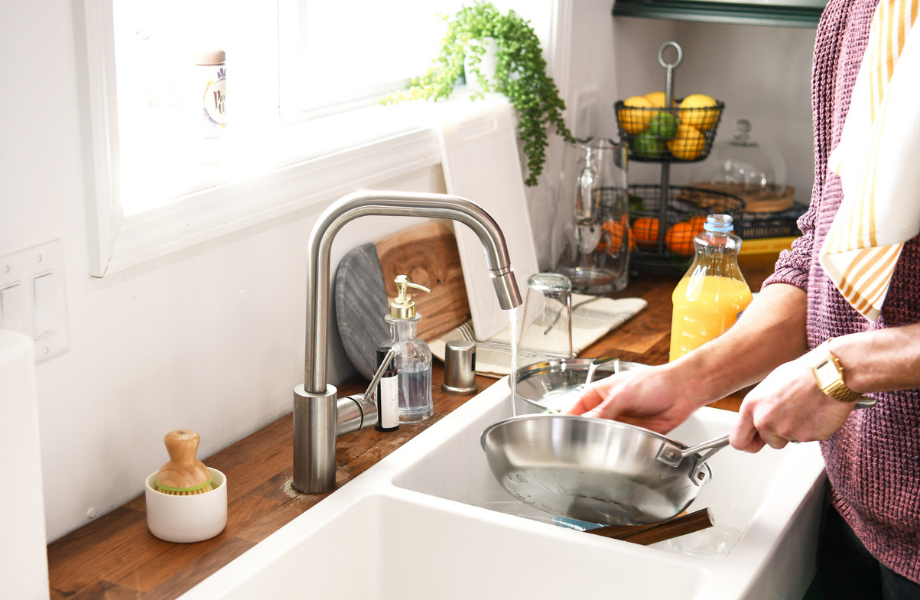
Start by allowing your cookware to cool to room temperature before washing. Never expose hot stainless steel to cold water, as the sudden temperature change can cause warping and damage to the metal. Once cooled, rinse the pan with warm water and use a soft sponge or cloth to gently wipe away food residue.
For how to maintain stainless steel cookware during daily cleaning, use mild dish soap and warm water as your primary method. Apply a small amount of soap to a soft cloth or sponge and gently scrub the surface in circular motions. Avoid using abrasive scouring pads or steel wool, which can scratch and dull the finish of your cookware. After scrubbing, rinse thoroughly under running water to remove all soap residue, which is essential for preventing streaks.
Drying your cookware immediately after washing is crucial for how to maintain stainless steel cookware and prevent water spots. Use a soft, lint-free cloth to dry both the interior and exterior surfaces completely. Water spots occur when minerals in tap water are left to dry naturally on the steel surface, creating unsightly marks that can accumulate over time. By towel-drying your pans right away, you eliminate this common problem and keep your cookware looking shiny and new.
Removing Stubborn Food and Stains
Even with careful daily cleaning, stubborn food particles and discoloration can sometimes develop on your stainless steel cookware. When this happens, you don't need harsh chemicals or excessive scrubbing to restore your pans. Learning how to maintain stainless steel cookware when dealing with tough stains will help you preserve the integrity of your cookware while keeping it clean.
For burnt food or stubborn residue, create a simple paste using baking soda and water. Apply this paste directly to the affected areas and let it sit for ten to fifteen minutes. The mild abrasive nature of baking soda helps lift stubborn particles without scratching the steel surface. After the waiting period, gently scrub with a soft cloth using circular motions, then rinse thoroughly and dry immediately.
Vinegar is another excellent natural solution for how to maintain stainless steel cookware and tackle discoloration. White vinegar works particularly well for removing mineral deposits and water spots that regular washing might miss. Fill your sink with equal parts white vinegar and water, then soak your cookware for thirty minutes. After soaking, scrub gently with a soft cloth, rinse with clean water, and dry completely with a lint-free towel.
For heat discoloration or rainbow-like staining that sometimes appears on stainless steel, cream of tartar mixed with lemon juice creates an effective natural cleaner. Apply this mixture to the stained areas and let it sit for a few minutes before gently rubbing with a soft cloth. This method is particularly useful for maintaining the appearance of how to maintain stainless steel cookware and preventing permanent discoloration from developing.

Polishing and Restoring Shine
Keeping your stainless steel cookware polished not only improves its appearance but also helps protect the metal from corrosion and environmental damage. Regular polishing is an important aspect of how to maintain stainless steel cookware and extend its lifespan significantly. I've discovered that polishing my pans every few months keeps them looking restaurant-quality and maintains their protective surface.
When polishing, always work in the direction of the grain, which is typically vertical or at a slight angle on most stainless steel cookware. Working against the grain can create visible scratches and dull spots that are harder to remove. Apply a small amount of stainless steel polish to a soft cloth and rub gently in one direction, following the grain pattern of the metal throughout the entire process.
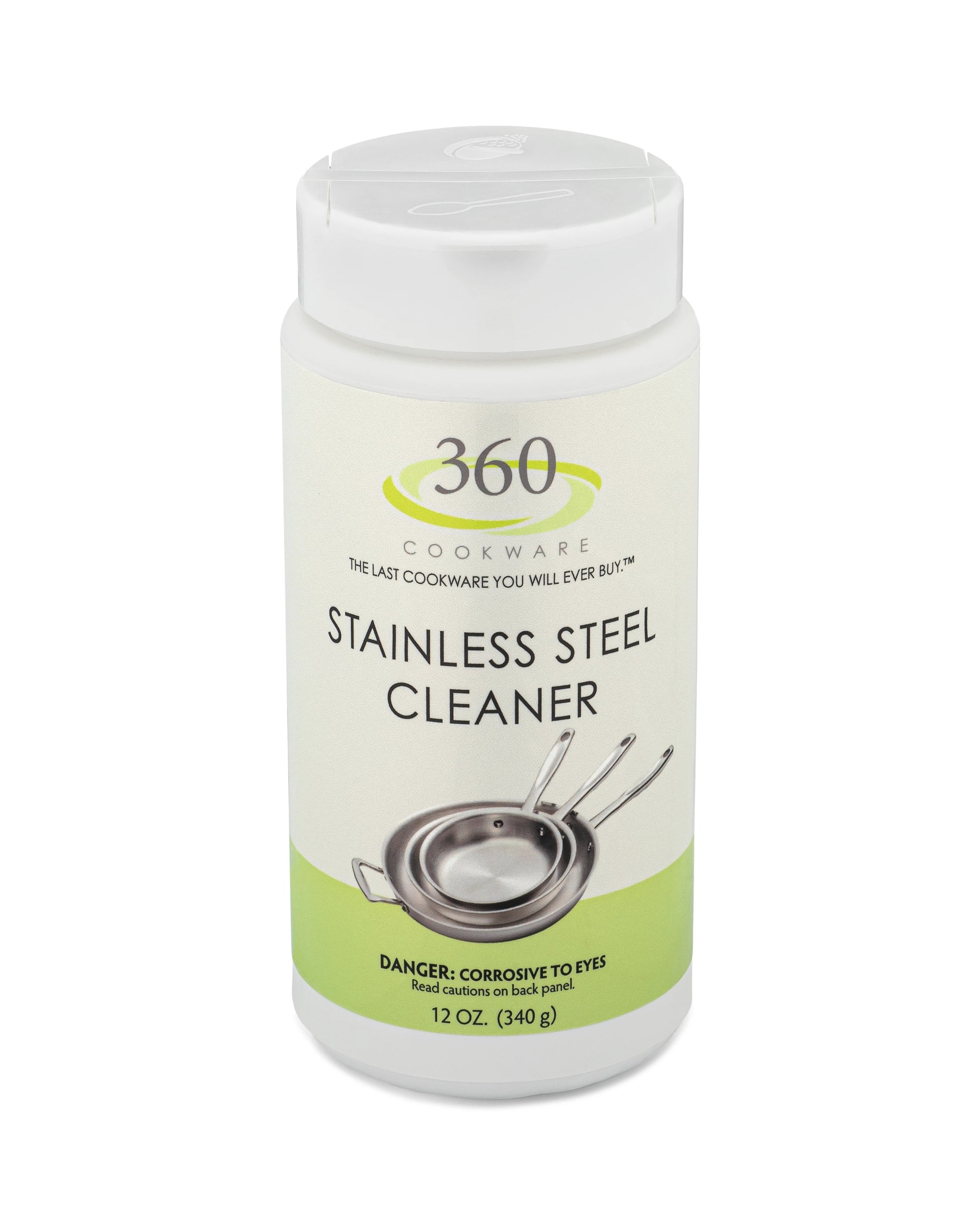
Commercial stainless steel polish products are effective and convenient for how to maintain stainless steel cookware, but natural alternatives work equally well. Olive oil or mineral oil can be applied in small amounts and buffed to a brilliant shine using a soft cloth. The oil creates a protective layer that helps repel water and prevent fingerprints from showing on your cookware. This method combines cleaning and protection in one simple step, making it efficient and cost-effective.
After polishing with any product, wipe away excess residue thoroughly using a clean, dry cloth. Any leftover polish or oil can become sticky and attract dust particles. For cookware you use regularly, polishing every two to three months maintains optimal appearance and protection. For decorative or less-frequently-used pieces, annual polishing is usually sufficient for how to maintain stainless steel cookware and prevent deterioration.
Understanding Stainless Steel Composition and Care
To truly understand how to maintain stainless steel cookware, it helps to know what makes this material special. Stainless steel contains chromium and nickel, which form a thin protective layer that prevents rust and corrosion. This passive layer is what makes stainless steel so durable, but it requires proper care to remain intact and functional over time.
Different grades of stainless steel have varying compositions and care requirements. Most kitchen cookware uses either 18/8 or 18/10 stainless steel, which refers to the chromium and nickel content percentages. Higher nickel content generally means better corrosion resistance and durability. Understanding your cookware's specific composition helps you make informed decisions about how to maintain stainless steel cookware and what cleaning methods work best.
The finish of your cookware also plays a role in proper maintenance. Polished finishes show fingerprints and water spots more readily than brushed finishes, but both require similar cleaning methods. Brushed finishes have a directional pattern that should be followed when polishing, while polished finishes can be cleaned in any direction. Learning your cookware's specific finish type helps you develop the most effective routine for how to maintain stainless steel cookware.
Hard-anodized or multi-ply stainless steel cookware requires the same care as standard stainless steel, though the additional layers provide enhanced heat distribution and durability. These additional materials don't change your basic maintenance approach but do add extra benefits to your cooking experience. Proper care of all cookware types ensures that you get maximum value from your investment for many years.

Preventing Common Stainless Steel Problems
Understanding what causes damage to stainless steel helps you develop better habits for how to maintain stainless steel cookware and avoid costly mistakes. Common problems include pitting, which appears as small holes in the surface, and corrosion, which develops from prolonged exposure to salt or acidic foods. Many of these issues are preventable with proper storage and usage practices.
Pitting typically occurs when stainless steel is exposed to high-chloride environments or when salt is left sitting on the surface for extended periods. To prevent this while learning how to maintain stainless steel cookware, avoid leaving salty foods or salt deposits on your pans for long periods. If you use your cookware for boiling salted water, drain it promptly and rinse thoroughly to remove all salt residue. This simple habit prevents the most common form of irreversible stainless steel damage.
Water spots and mineral deposits are purely cosmetic but can make cookware appear dull and uncared for. Hard water areas are particularly prone to this issue, but regular drying immediately after washing prevents it entirely. If you live in an area with hard water, keeping a squeegee or cloth nearby during cooking helps you wipe away moisture as it accumulates. This proactive approach to how to maintain stainless steel cookware keeps your pans looking beautiful without extra effort.
Scratches can occur from using metal utensils or harsh cleaning tools, but they're mostly cosmetic and don't affect cookware functionality. To minimize scratching while learning how to maintain stainless steel cookware, use wooden or silicone utensils when cooking. Store your cookware carefully to prevent it from clanging against other pans, and use a soft cloth for all cleaning tasks. While some scratches are inevitable with regular use, minimizing them preserves the professional appearance of your cookware.
:strip_icc()/BHG-How-To-Clean-Stainless-SteelPans-Wash-Pan-Step-01-7ca1b59360d54230aef376b2b6a41bb9.jpg)
Storage and Long-Term Maintenance
How you store your stainless steel cookware between uses significantly impacts its longevity and appearance. Proper storage is an essential component of how to maintain stainless steel cookware and prevent unnecessary deterioration. I always make sure my cookware is completely dry before storing it, as any residual moisture can lead to spotting or corrosion over time.
Store your cookware in a cool, dry location away from direct sunlight or excessive heat. High humidity environments can accelerate oxidation, so ensure your storage area has good air circulation. If you stack your cookware, place cloth or paper towels between pieces to prevent scratches and allow moisture to escape. This simple precaution protects your investment and makes how to maintain stainless steel cookware easier over the long term.
For lids and handles, ensure they're completely dry before storing as well, since moisture can accumulate in crevices and cause corrosion. Metal handles require the same care as the cookware body, so include them in your drying process. Over time, handles and lids are prone to discoloration if exposed to moisture regularly. Including them in your comprehensive maintenance routine ensures that how to maintain stainless steel cookware means caring for every component equally.
Periodically inspect your stored cookware for any signs of corrosion, pitting, or damage that might have developed. Catching problems early allows you to address them before they worsen. If you notice any concerning changes in appearance or function, consult the cookware manufacturer's care instructions for specific guidance on restoration methods. Regular inspection is a key aspect of how to maintain stainless steel cookware and ensure it remains in excellent condition.
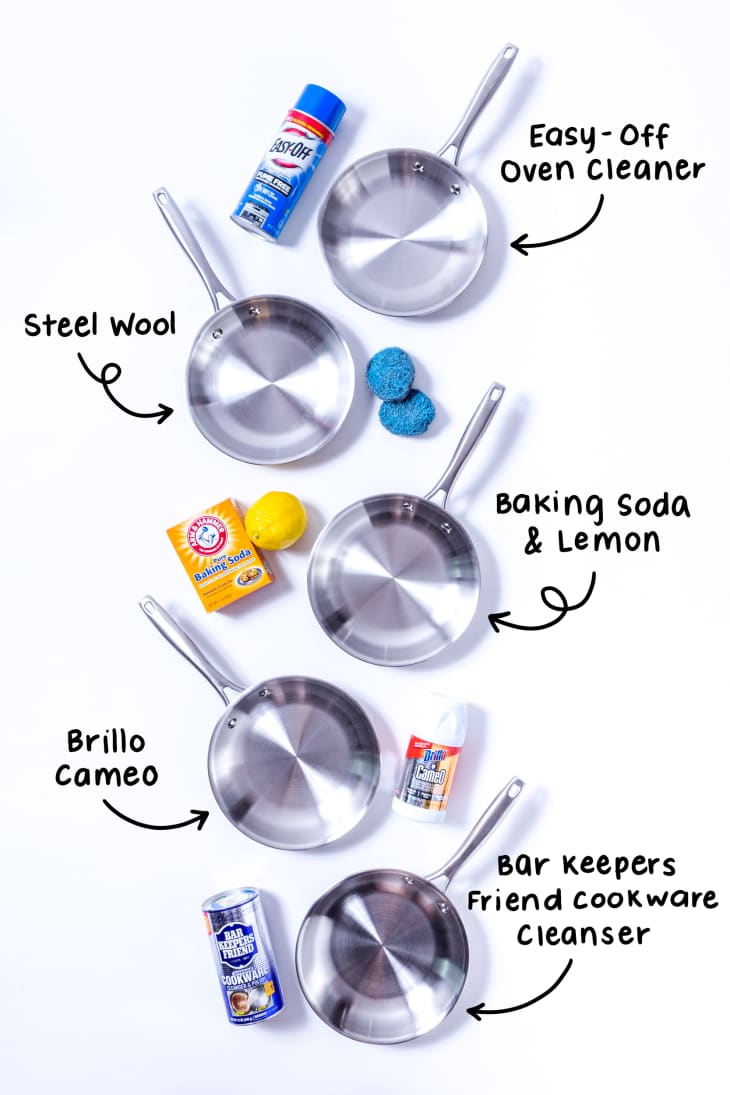
Using Your Cookware Correctly to Prevent Damage
How you use your stainless steel cookware during cooking directly affects how well it maintains its appearance and functionality. Proper usage practices complement your cleaning and maintenance routine and prevent damage that can't be easily repaired. Learning the right techniques for how to maintain stainless steel cookware includes understanding how to use it safely and effectively.
Preheat your cookware gradually rather than exposing it to sudden high heat, which can cause warping and discoloration. Allow your pan to heat for a minute or two on low to medium heat before increasing the temperature. This gradual approach helps the metal expand evenly and prevents the heat staining that creates rainbow-like discoloration. Many people don't realize that proper heating technique is part of how to maintain stainless steel cookware and keep it looking new.
Avoid cooking with extremely high heat for extended periods, as this accelerates oxidation and can cause permanent discoloration. Medium to medium-high heat is usually sufficient for most cooking tasks and protects your cookware from unnecessary stress. If a recipe calls for high heat, use it only for the specific cooking step that requires it, then reduce the temperature afterward. Understanding your cookware's heat tolerance is essential for how to maintain stainless steel cookware through regular use.
Always use adequate fat or oil when cooking to ensure food doesn't stick and burn onto the surface. Stuck-on food creates staining and requires more aggressive cleaning to remove, which can damage the finish. Using appropriate cooking techniques reduces the need for intensive cleaning, which means less wear and tear on your cookware. This practical approach to cooking is an underrated aspect of how to maintain stainless steel cookware effectively.
Never leave an empty pan on high heat, as this concentrates heat unevenly and can cause permanent damage. If you're boiling water or cooking liquid-based foods, ensure there's always adequate liquid in the pan. This simple rule protects your cookware from heat damage and maintains its appearance and performance for many years. Treating your cookware respectfully during use is fundamental to understanding how to maintain stainless steel cookware.
What To Avoid When Caring for Stainless Steel Cookware
Understanding what not to do is just as important as knowing proper maintenance techniques when learning how to maintain stainless steel cookware. Certain products and methods can permanently damage stainless steel, creating issues that are difficult or impossible to fix. Being aware of these common mistakes helps you protect your investment and keep your cookware in pristine condition.
Never use abrasive cleaners, steel wool, or scouring pads on stainless steel cookware, as these create visible scratches and dull the finish. These materials remove the protective oxide layer and can expose the underlying metal to corrosion. Soft cloths, sponges, and gentle rubbing are always the better choice when learning how to maintain stainless steel cookware. I learned this lesson the hard way years ago when I accidentally used a steel wool pad and created permanent scratches that never fully disappeared.
Avoid soaking cookware for extended periods, as prolonged exposure to water can weaken the protective layer and lead to corrosion. While brief soaking for a few hours is generally safe, leaving cookware submerged overnight or for days increases the risk of damage. If you need to soak cookware to loosen stubborn food, do so for no more than a few hours, then clean and dry immediately. This caution is particularly important for how to maintain stainless steel cookware in humid or salt-water environments.
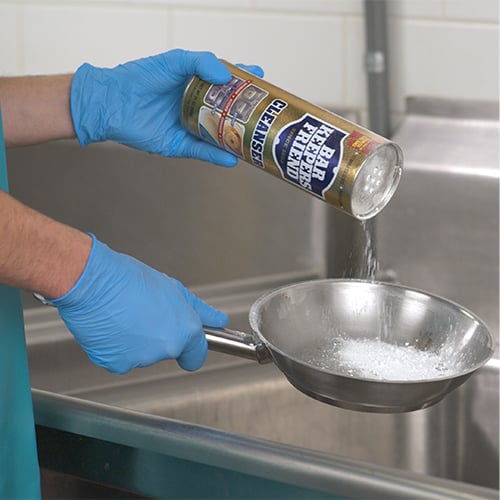
Don't use bleach or harsh chemical cleaners on stainless steel, as these can damage the protective chromium layer and cause pitting. Stick with mild dish soap, vinegar, baking soda, and other natural cleaning solutions that effectively clean without damaging the metal. Many commercial products marketed for stainless steel are unnecessarily harsh and can accelerate deterioration. Understanding safe cleaning products is crucial for how to maintain stainless steel cookware sustainably.
Never use your stainless steel cookware in the dishwasher unless it's specifically labeled as dishwasher-safe by the manufacturer. Dishwasher detergents are too abrasive and the high heat and moisture combination can damage the finish and handles. Even dishwasher-safe stainless steel cookware lasts longer when hand-washed with proper technique. Hand-washing is always the safest method for how to maintain stainless steel cookware and ensure its longevity.
Addressing Specific Stainless Steel Cookware Issues
Different problems require different solutions when you're learning how to maintain stainless steel cookware. Having a toolkit of solutions for specific issues helps you address problems quickly and effectively. I've encountered most common stainless steel problems and developed reliable methods for addressing them over my years of cooking.
Rainbow discoloration or heat staining appears as streaks of color ranging from blue to brown across the cookware surface. This occurs when stainless steel is exposed to high heat for extended periods and is purely cosmetic. To remove it, use a paste of cream of tartar and lemon juice or white vinegar and baking soda, rubbing gently with the grain. This restoration method is effective and helps you maintain how to maintain stainless steel cookware appearance even after heat damage occurs.
White calcium deposits or mineral buildup accumulates in areas with hard water. These deposits are easily removed by soaking affected areas in white vinegar for thirty minutes, then scrubbing gently. For stubborn deposits, let vinegar sit overnight before scrubbing. This natural cleaning method effectively addresses water quality issues without damaging your cookware, ensuring you maintain how to maintain stainless steel cookware even in challenging water conditions.
Fingerprints and smudges accumulate on polished stainless steel surfaces and can make cookware look dirty even when clean. To remove fingerprints, wipe your cookware with a microfiber cloth or use a small amount of mineral oil buffed to a shine. This simple step restores the polished appearance and helps you maintain how to maintain stainless steel cookware aesthetics. Keeping a designated cloth specifically for polishing helps you address this issue quickly whenever needed.
Dull or cloudy appearance can develop over time from improper cleaning or mineral buildup. Using a commercial stainless steel polish or natural alternatives like olive oil and lemon juice restores shine. Apply polish in the direction of the grain and buff thoroughly with a clean cloth. This restoration technique is an important aspect of how to maintain stainless steel cookware and keep it looking professionally maintained.
Frequently Asked Questions
How often should I polish my stainless steel cookware?
Polish your cookware every two to three months if you use it regularly, or annually if used infrequently. Polishing maintains the protective layer and keeps your cookware looking attractive, so adjust the frequency based on how often you cook and store your pans.
Can I use lemon juice to clean stainless steel cookware?
Yes, lemon juice is an excellent natural cleaner when combined with baking soda or cream of tartar to form a paste. Apply it to stained areas, let sit briefly, then scrub gently with a soft cloth in the direction of the grain for best results.
What should I do if my stainless steel cookware develops pitting?
Pitting is unfortunately permanent damage that cannot be reversed, so focus on prevention by avoiding prolonged salt contact and drying cookware immediately after washing. If pitting is superficial, it won't affect cookware performance, though it will create visible marks on the surface.
Is vinegar safe to use on stainless steel cookware?
White vinegar is completely safe and highly effective for removing mineral deposits and water spots from stainless steel. Use it full-strength for soaking or dilute it with water for regular cleaning, and always rinse thoroughly after use to remove the vinegar smell.
Why does my stainless steel cookware have rainbow-colored stains?
Rainbow or heat staining occurs when cookware is exposed to high temperatures, creating a harmless oxidation layer on the surface. These stains are purely cosmetic and can be removed using cream of tartar with lemon juice or vinegar and baking soda paste.
Can I use stainless steel cookware on an induction stovetop?
Yes, most stainless steel cookware works on induction stovetops, though you should verify this with your specific cookware manufacturer. The stainless steel composition and construction method determine compatibility, so check the product specifications before purchasing for induction use.
Conclusion
Maintaining stainless steel cookware is a straightforward process that becomes second nature once you establish a consistent routine. By hand-washing with gentle methods, drying immediately after each use, and polishing occasionally, you ensure your cookware remains beautiful and functional for decades. The time you invest in proper care pays dividends through extended cookware life and consistently excellent cooking performance.
Your stainless steel cookware represents a meaningful investment in your kitchen and your cooking future. Understanding how to maintain stainless steel cookware empowers you to make informed decisions that protect this investment and enhance your cooking experience. The techniques outlined in this guide are proven methods that work for both everyday cooks and culinary professionals who rely on stainless steel daily.
Take action today by examining your current cookware maintenance routine and implementing any suggestions that would benefit your specific situation. If you've been using harsh chemicals or dishwashers, switch to gentle hand-washing and observe how quickly your cookware improves. Start polishing your pans with natural oils or commercial products to restore their shine, and commit to drying cookware immediately after washing. Share this guide with fellow cooking enthusiasts, leave a comment about your own stainless steel cookware experiences, or explore our other kitchen maintenance resources to deepen your culinary knowledge.



Leave a Reply