
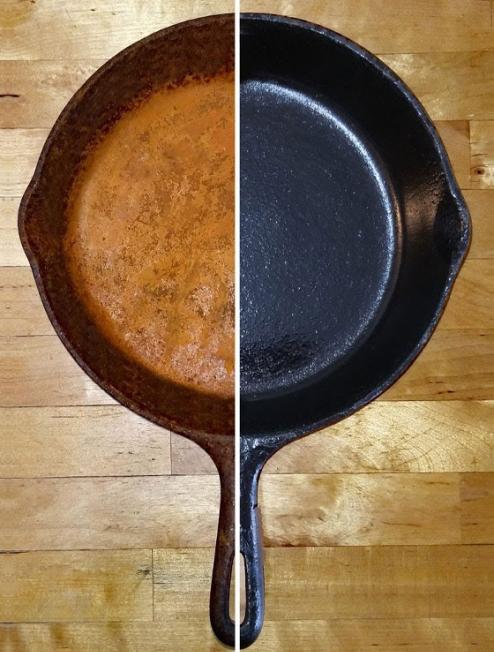
Cleaning old cast iron cookware is essential for maintaining its quality. Proper care can keep it in great shape for years.
Many people cherish their cast iron pans. They have a rich history and offer excellent cooking performance. However, over time, these pans can become rusty or dirty. Cleaning them might seem challenging, but it is important. A well-cleaned skillet can be a joy to use.
It enhances flavors and improves your cooking. Knowing how to clean old cast iron cookware allows you to revive these kitchen treasures. With the right steps, you can bring your cast iron back to life. Ready to learn how? Let’s dive into the best methods for cleaning and caring for your cast iron cookware.

Credit: www.youtube.com
The Vintage Charm Of Cast Iron Cookware
Cast iron cookware brings a unique charm to kitchens. Its rustic appearance tells stories of generations. Many people treasure their old cast iron pieces. These items not only look good but also work well. They have a warmth that new materials can’t match.
Cleaning and restoring these treasures can be simple. Caring for cast iron ensures it lasts for many more meals. Let’s explore why this cookware is loved by so many.
Durability And Longevity
Cast iron cookware is known for its strength. It can withstand high heat. Here are some reasons why it lasts:
- Robust Material: Cast iron can handle rough use.
- Timeless Design: This cookware doesn’t go out of style.
- Better with Age: Seasoning improves over time.
Many families pass down cast iron pieces. They become family heirlooms. A well-maintained skillet can last a lifetime. This durability makes cast iron cookware a smart choice.
Culinary Versatility
Cast iron cookware is versatile. It can be used for many cooking methods. Here are some popular uses:
- Frying: Perfect for crispy fried foods.
- Roasting: Great for meats and vegetables.
- Baking: Ideal for cornbread and pies.
- Searing: Makes a perfect crust on meats.
This cookware works on all heat sources. Use it on the stove or in the oven. Many chefs appreciate its ability to retain heat. Cooking with cast iron can enhance flavors.
The vintage charm of cast iron cookware makes it special. Its durability and versatility are unmatched. With proper care, these pieces can serve you well for years.
Identifying When Your Cast Iron Needs A Refresh
Old cast iron cookware can last a lifetime. But sometimes, it needs a little care. Knowing when to refresh your cast iron is important. Look for signs of wear. Check for rust and corrosion. These issues can affect cooking and food safety.
Signs Of Wear And Tear
Recognizing signs of wear is key to maintaining your cast iron. Common signs include:
- Uneven cooking: Food sticks or cooks unevenly.
- Surface dullness: A shiny surface becomes matte and rough.
- Black residue: Black flakes appear on food after cooking.
These signs show your cookware needs attention. Regular checks help keep your cast iron in good shape.
Rust And Corrosion Detection
Rust on cast iron is a clear sign it needs a refresh. Check for:
- Red or orange spots: These indicate rust.
- Rough patches: Feel for any rough areas on the surface.
- Flaking paint: If the seasoning starts to flake, it’s time to act.
Corrosion can happen if the cookware is not cared for. A simple wash with soap can remove light rust. For deeper rust, consider scrubbing with steel wool. Always re-season after cleaning.
Getting Started: Preparing For The Cleaning Process
Cleaning old cast iron cookware requires some preparation. Gather your tools and materials first. This makes the process easier and faster. Follow these steps to ensure a successful clean.
Gathering Essential Tools And Materials
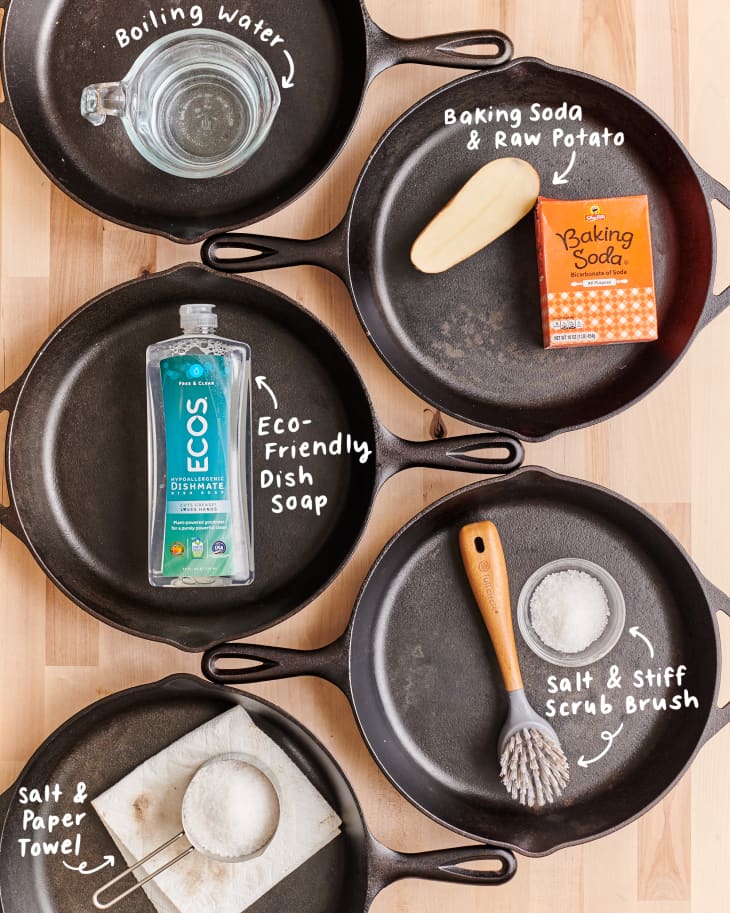
Before you start, collect these essential items:
- Stiff brush or scrub pad
- Coarse salt (for scrubbing)
- Dish soap (optional)
- Vegetable oil or other cooking oil
- Paper towels or a clean cloth
- Plastic scraper (for tough spots)
- Oven mitts (for safety)
Keep everything nearby. This helps you stay organized while cleaning.
Safety Tips Before You Begin
Safety is important during the cleaning process. Follow these tips:
- Always wear oven mitts when handling hot cookware.
- Work in a well-ventilated area. Open windows if possible.
- Be careful with sharp tools. Avoid injury.
- Use non-toxic cleaning products. Keep it safe for your family.
- Do not soak cast iron in water for long periods. This can cause rust.
By preparing properly, you ensure a smoother cleaning experience. Enjoy bringing your cast iron cookware back to life!
Credit: abeautifulmess.com
Stripping Down: Removing Old Seasoning
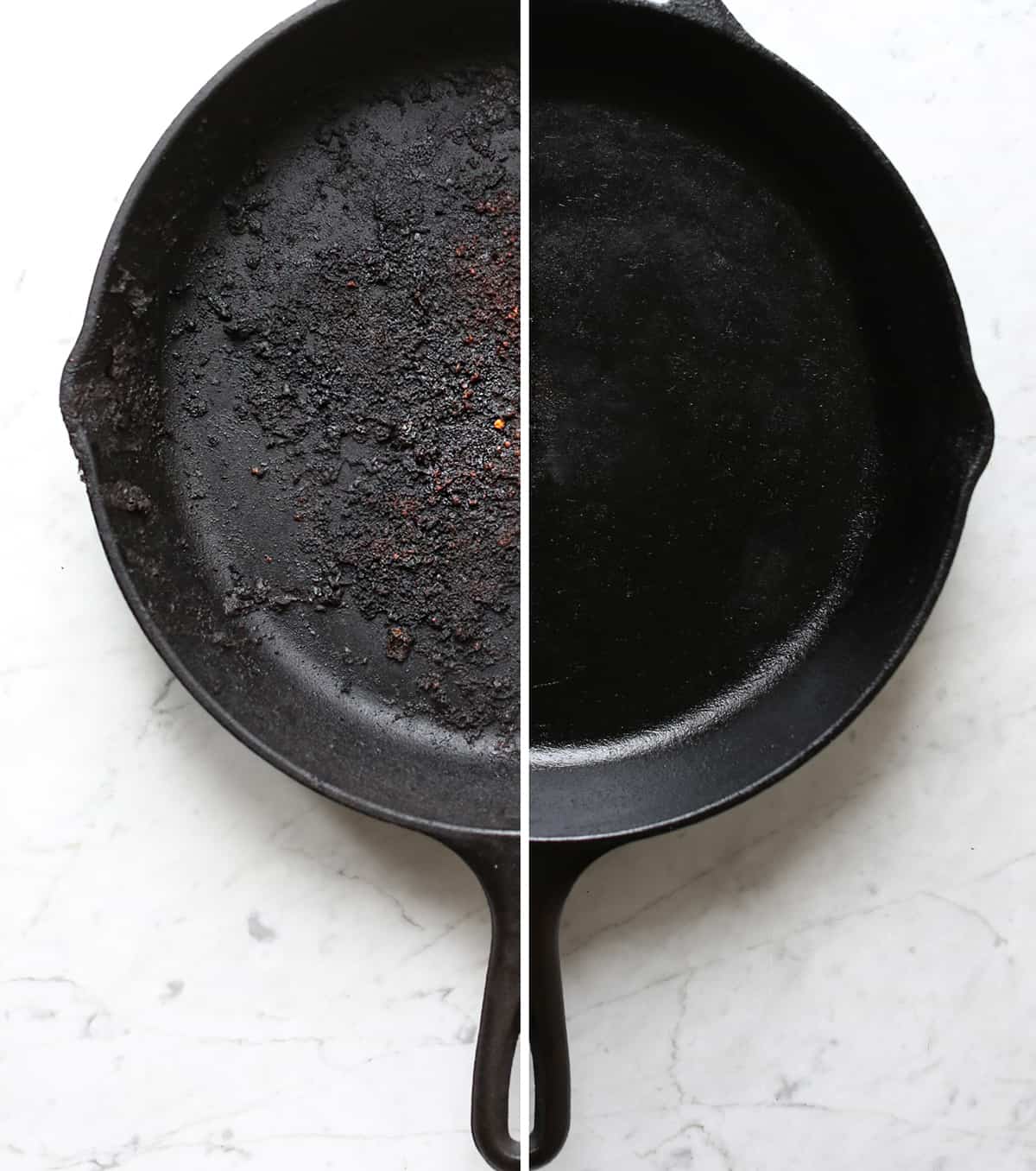
Old cast iron cookware can hold great memories. Yet, over time, the seasoning can become thick or damaged. Stripping down the old seasoning is essential for restoring your cookware. It allows for a fresh start. Here’s how to do it effectively.
Chemical Vs. Natural Stripping Methods
Choosing a method for removing old seasoning depends on preference. Two common methods exist: chemical and natural.
| Method | Description | Pros | Cons |
|---|---|---|---|
| Chemical | Uses strong cleaners to strip seasoning. | Fast and effective. | Can be harsh on the pan. |
| Natural | Uses baking soda or vinegar. | Safer for the environment. | May take longer. |
Step-by-step Stripping Guide
Follow these steps to remove old seasoning safely. Choose either a chemical or natural method.
- Prepare your workspace. Ensure good ventilation.
- For chemical stripping:
- Wear gloves and safety goggles.
- Apply the chemical cleaner to the pan.
- Let it sit for the time recommended.
- Scrub with a stiff brush.
- Rinse thoroughly with water.
- For natural stripping:
- Mix equal parts of baking soda and water.
- Apply the paste to the pan.
- Let it sit for a few hours.
- Scrub with a stiff brush.
- Rinse thoroughly with water.
- Dry the pan completely. Moisture can cause rust.
- Re-season the cast iron. Apply a thin layer of oil.
Following these steps ensures a clean, ready-to-use cast iron pan. Enjoy cooking with your freshly stripped cookware!
Tackling Rust: Effective Removal Techniques
Rust can build up on old cast iron cookware. Removing it is essential for keeping your pans in good shape. Here are some effective techniques to tackle rust, using both mechanical methods and simple home remedies.
Mechanical Rust Removal
Mechanical rust removal uses tools to scrub away rust. This method is straightforward and effective. Here are some tools you can use:
- Steel Wool: Use fine steel wool to scrub off rust.
- Sandpaper: Choose coarse sandpaper for tough rust.
- Wire Brush: A wire brush can reach into crevices.
Steps to remove rust mechanically:
- Choose your tool based on the rust severity.
- Scrub the rusty area firmly.
- Rinse with warm water.
- Dry immediately with a cloth.
- Re-season the cookware to protect it.
Home Remedies For Rust
Home remedies can also help remove rust without harsh chemicals. Here are some simple options:
| Remedy | Ingredients | Instructions |
|---|---|---|
| Baking Soda Paste | Baking soda, water | Mix baking soda with water to form a paste. Apply it to rust. Let it sit for 15 minutes. Scrub and rinse. |
| Vinegar Soak | White vinegar | Soak the cookware in vinegar for several hours. Scrub off the rust. Rinse and dry. |
| Potato and Soap | Potato, dish soap | Cut a potato in half. Apply dish soap on the cut side. Scrub the rusted area with the potato. |
These remedies are simple and effective. They help restore your cast iron cookware’s shine. Always remember to re-season your cookware after cleaning. This will keep it protected from future rust.
Credit: www.thekitchn.com
Washing And Drying: Proper Techniques
Cleaning old cast iron cookware requires special care. Proper washing and drying techniques help maintain its quality. This section discusses the best methods for washing and drying your cast iron.
Soap Or No Soap Debate
The use of soap on cast iron cookware can spark debate. Some say soap removes seasoning. Others believe a small amount won’t harm it.
- Use soap sparingly: A tiny amount can help remove tough residues.
- Rinse thoroughly: Always rinse the soap off completely.
- Consider alternatives: Hot water and a stiff brush work well.
- Never soak: Soaking can lead to rust.
Choose what works best for your cookware. If you prefer no soap, that’s fine too. Just remember to scrub well.
Drying To Prevent New Rust
Drying cast iron cookware properly is crucial. Rust can form quickly on damp surfaces. Follow these steps for effective drying:
- Wipe the pan with a dry cloth or paper towel.
- Heat the pan on low for a few minutes.
- Apply a thin layer of oil while warm.
Keep the pan in a dry place. Avoid storing it with a lid on. This prevents moisture buildup.
| Drying Method | Description |
|---|---|
| Wiping | Use a dry cloth or paper towel. |
| Heating | Heat on low to evaporate any moisture. |
| Oiling | Apply a thin layer of oil for protection. |
Follow these tips to keep your cast iron in great shape. Proper washing and drying help it last for years.
Re-seasoning: The Key To Cast Iron Restoration
Old cast iron cookware can lose its non-stick surface. This happens due to rust or damage. Re-seasoning brings back its shine and usability. It creates a protective layer. This layer helps prevent food from sticking. It also protects against rust. Understanding re-seasoning is essential for every cast iron owner.
Choosing The Right Oils For Seasoning
Not all oils are suitable for seasoning cast iron. Certain oils work better than others. Here are some great options:
- Flaxseed Oil – High smoke point, great for seasoning.
- Grapeseed Oil – Neutral flavor, high smoke point.
- Coconut Oil – Adds a slight flavor, good for seasoning.
- Vegetable Oil – Common and easy to find.
Choose oils with a high smoke point. They create a better non-stick layer. Avoid olive oil. It has a lower smoke point and is less effective.
The Seasoning Process Explained
- Clean the Cookware: Use hot water and a scrubber. Remove rust and old seasoning.
- Dry Completely: Use a towel to dry it. Water can cause rust.
- Apply Oil: Rub a thin layer of oil all over the surface. Make sure to coat the handle too.
- Bake the Cookware: Place it upside down in an oven. Set the temperature to 450°F (232°C).
- Let it Bake: Bake for one hour. This helps the oil bond with the cast iron.
- Cool Down: Turn off the oven. Let the cookware cool inside.
Repeat this process a few times. This builds up a strong seasoning layer. Your cast iron will become more non-stick. Proper care will ensure its longevity.
Maintaining Your Revitalized Cast Iron Cookware
Cleaning old cast iron cookware is only the first step. To keep it in great shape, you need a solid maintenance plan. Regular care helps prevent rust and keeps your cookware ready for delicious meals.
Regular Care Routine
Follow these simple steps for daily care:
- Wash with warm water and a gentle scrubber.
- Avoid soap unless necessary. Soap can strip seasoning.
- Dry immediately with a towel or on low heat.
- Apply a thin layer of oil after drying.
For deeper cleaning:
- Use coarse salt and a scrubber for stuck-on food.
- Rinse with warm water and dry it well.
- Re-season if the surface looks dull.
Regular care keeps your cast iron cookware non-stick and shiny.
Storing Your Cast Iron To Avoid Future Rust
Proper storage is key for preventing rust. Follow these tips:
- Store in a dry place. Moisture leads to rust.
- Place a paper towel inside to absorb moisture.
- Avoid stacking with other cookware unless necessary.
Consider using a cast iron pan protector. It keeps surfaces scratch-free.
| Storage Tips | Benefits |
|---|---|
| Keep it dry | Prevents rust formation |
| Use paper towels | Absorbs moisture |
| Limit stacking | Reduces scratches |
By following these steps, your revitalized cast iron cookware will last for years. Regular care and proper storage maintain its beauty and functionality.
Troubleshooting Common Cast Iron Issues
Old cast iron cookware can face problems over time. Issues like food sticking or uneven heating can occur. Knowing how to fix these problems is essential. Let’s explore common issues and their solutions.
Sticking Food Solutions
Food sticking to your cast iron can be frustrating. Here are some reasons why it happens and how to fix it:
- Insufficient Seasoning: A well-seasoned pan prevents sticking.
- Wrong Cooking Temperature: High heat can cause sticking.
- Type of Food: Foods with high water content may stick.
To avoid sticking:
- Ensure proper seasoning. Use vegetable oil to season.
- Preheat the pan before adding food.
- Use enough oil or fat while cooking.
Re-season the pan if necessary. This will restore its non-stick surface.
Handling Heat Distribution Problems
Poor heat distribution can ruin your cooking experience. Here are some signs and fixes:
- Hot Spots: Food cooks unevenly.
- Cold Areas: Food takes longer to cook.
To improve heat distribution:
- Use a thicker cast iron pan for better heat retention.
- Preheat the pan gradually to avoid hot spots.
- Consider using a diffuser on gas stoves.
Regular maintenance helps keep the pan in good shape. Keep it clean and well-seasoned.
The Environmental And Health Benefits Of Using Cast Iron
Using cast iron cookware has many benefits. It is good for the planet and your health. Many people do not realize how eco-friendly and nutritious cast iron can be. Let’s explore these advantages.
Eco-friendly Cooking Option
Cast iron is a strong and durable material. It lasts for generations. This means less waste. Here are some reasons why it is an eco-friendly choice:
- Long-lasting: With proper care, cast iron can last a lifetime.
- No synthetic chemicals: Unlike non-stick pans, cast iron contains no harmful coatings.
- Recyclable: At the end of its life, cast iron can be recycled.
- Energy-efficient: Cast iron retains heat well, saving energy during cooking.
Choosing cast iron helps reduce waste and protect the environment.
Cast Iron And Nutritional Advantages
Cooking with cast iron can also benefit your health. Here are some nutritional advantages:
| Benefit | Description |
|---|---|
| Iron enrichment | Cast iron cookware can add small amounts of iron to food. |
| Better cooking | Even heat distribution improves cooking quality. |
| Natural flavor | Cast iron can enhance the taste of your meals. |
Using cast iron is not just about cooking. It is about health too. Enjoy the benefits it offers.
Frequently Asked Questions
How Do I Remove Rust From Cast Iron?
To remove rust from cast iron, use a mixture of equal parts vinegar and water. Soak the rusty area for a few hours, then scrub with a non-metal brush. Rinse thoroughly and dry immediately to prevent further rusting. Re-season your cookware after cleaning for optimal performance.
Can I Use Soap On Cast Iron?
Yes, you can use soap on cast iron, but sparingly. A small amount of mild soap will not harm the seasoning if used occasionally. After washing, rinse well and dry thoroughly. Always re-season your cast iron cookware to maintain its non-stick properties and prevent rust.
What Is The Best Way To Season Cast Iron?
The best way to season cast iron is to apply a thin layer of vegetable oil. Preheat your oven to 375°F (190°C) and place the oiled cookware upside down on the top rack. Bake for one hour, then turn off the oven and let it cool.
This enhances the non-stick surface.
How Often Should I Clean My Cast Iron?
Clean your cast iron after every use to maintain its quality. A simple wipe with a cloth or a gentle scrub with water is often sufficient. Avoid soaking it and never leave it damp. Regular maintenance prevents rust and keeps the seasoning intact for long-lasting use.
Conclusion
Cleaning old cast iron cookware can be simple and rewarding. With the right methods, you can restore their beauty and function. Regular care keeps your pans in great shape. Remember to avoid harsh chemicals. Instead, use natural solutions like salt and oil.
These help maintain the seasoning. Enjoy cooking with your revitalized cast iron. It will last for many years. Take pride in your kitchen tools. Keep them clean and ready for your next meal. Happy cooking!

Leave a Reply