

To clean cookware, remove food debris and wash with warm, soapy water. For stubborn stains, use a mixture of baking soda and vinegar.
How to Clean Cookware:Keeping your cookware clean is crucial for both the longevity of your kitchen items and the safety of your food. Sparkling pots and pans are not just visually appealing; they are also more effective in cooking your meals evenly. A proper cleaning routine prevents the build-up of bacteria and maintains the quality of materials, whether they’re non-stick, stainless steel, or cast iron.
Each type of cookware may require specific care to avoid damage and ensure it remains in top condition for years to come. Grime and grease can be tough adversaries, but with the right approach, you can tackle them effortlessly and keep your kitchenware looking as good as new. Remember, well-maintained cookware is the cornerstone of any efficient kitchen, enabling you to create delicious meals without the worry of unwanted flavors or health hazards.
The Essentials Of Cookware Maintenance
Keeping cookware clean is key to a healthy kitchen. Cookware maintenance ensures food tastes good and tools last longer. Let’s learn how to do it right.
Why Regular Cleaning Matters
Clean cookware prevents harmful bacteria. It also keeps flavors pure. Dirty pots can ruin meals and make you sick. Clean after every use for best results.
- Stops bacteria growth
- Keeps flavors true
- Prevents illness
Life Span Of Your Kitchen Tools
Proper care can double the life of your cookware. Even cheap tools can last with good habits. Don’t wait for damage; clean and store correctly.
| Tool | Without Care | With Care |
|---|---|---|
| Pans | 2 years | 5+ years |
| Pots | 3 years | 8+ years |
| Utensils | 1 year | 4+ years |
Follow these tips for healthy, long-lasting cookware. Your meals and wallet will thank you!
Materials Matter: Understanding Your Cookware
Materials Matter: Understanding Your Cookware is key to keeping pots and pans in top shape. Different materials require unique care. Learn the best ways to clean and maintain your cookware.
Identifying Material Types
Start by knowing what your cookware is made of. Common materials include:
- Stainless Steel: Durable and versatile.
- Non-Stick: Easy to clean, requires gentle care.
- Cast Iron: Needs seasoning, lasts for generations.
- Copper: Excellent heat conductor, tarnishes easily.
- Aluminum: Lightweight, reacts with acidic foods.
- Ceramic: Non-reactive, can chip or crack.
Special Considerations For Different Surfaces
Care for each material varies. Keep your cookware in prime condition:
| Material | Cleaning Method | Maintenance Tips |
|---|---|---|
| Stainless Steel | Soapy water, sponge | Use vinegar to remove stains |
| Non-Stick | Soft brush, gentle soap | Avoid metal utensils |
| Cast Iron | Clean while warm, salt scrub | Oil after each use |
| Copper | Lemon and salt, soft cloth | Polish regularly |
| Aluminum | Mild detergent, non-abrasive pad | Dry immediately to prevent corrosion |
| Ceramic | Baking soda paste, soft sponge | Store carefully to avoid chips |
The Daily Clean: Post-cooking Rituals
Cookware is crucial for daily meal prep. Proper care extends its life. Let’s explore easy post-cooking cleaning rituals.
Simple Steps For Everyday Care
Maintain cookware with quick, daily steps. Follow these for best results:
- Wash with warm, soapy water.
- Rinse thoroughly to remove soap.
- Dry immediately with a soft cloth.
- Store in a dry place.
These steps prevent damage and keep cookware ready.
Avoiding Common Cleaning Mistakes
Avoid these mistakes to protect your cookware:
| Action | Reason to Avoid |
|---|---|
| Scrubbing Non-Stick | Scratches the surface |
| Using Steel Wool | Causes scratches |
| Soaking in Water | Leads to rust |
| Dishwasher for Cast Iron | Strips seasoning |
Handle cookware with care to avoid these pitfalls.
Dealing With Burnt Pots And Pans
Scorched cookware is a kitchen nightmare.
Burnt pots and pans can seem impossible to clean.
Here, discover effective and natural cleaning methods.
Effective Soaking Techniques
Soaking is a first step to clean burnt cookware.
Start with hot water and dish soap.
Let the pot or pan soak for several hours.
- Add baking soda for extra power.
- After soaking, scrub gently with a non-abrasive pad.
Repeat if necessary.
Natural Remedies For Stubborn Residues
Nature offers powerful cleaning solutions.
Vinegar and baking soda work wonders.
- Fill the cookware with water.
- Add a cup of white vinegar.
- Bring to a boil, then remove from heat.
- Add two tablespoons of baking soda.
- Let the mixture fizz.
- Empty the pot and scrub away the residue.
Lemons can also help.
Cut a lemon in half.
Rub it on the affected area.
The acidity helps lift the burn marks.
Shining Stainless Steel
Clean stainless steel cookware shines like new. Proper cleaning keeps it looking great. This section shares top tips for polishing stainless steel pans and pots.
Polishing Tips
Use non-abrasive cleaners to maintain the shine. Baking soda makes a gentle polishing paste. Mix with water and rub gently.
- Apply the paste in circular motions
- Rinse well with warm water
- Dry immediately with a soft cloth
For extra shine, vinegar works wonders. Wipe with a vinegar-dampened cloth.
Preventing Water Spots And Streaks
Water spots dull stainless steel’s beauty. Prevent them easily.
- Use distilled water for rinsing
- Dry cookware immediately after washing
- Buff with a microfiber cloth for a streak-free finish
Regular maintenance keeps stainless steel cookware spotless and shiny. Enjoy cooking with spotless pots and pans every day!
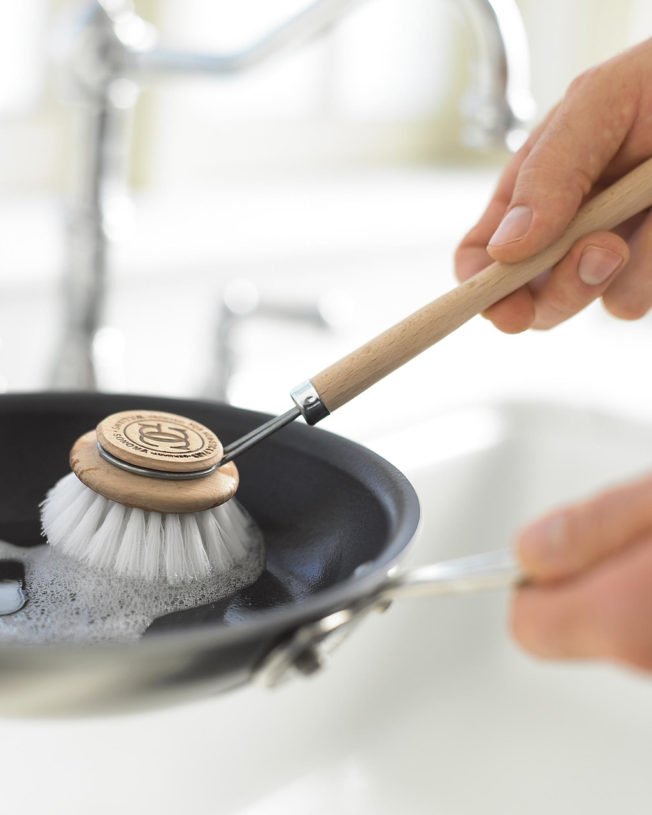
Credit: blog.williams-sonoma.com
Caring For Cast Iron
Caring for Cast Iron cookware is an essential skill. This durable material can last generations with proper maintenance. Knowing the right techniques ensures your cast iron remains in top condition. Below, we delve into two critical aspects of cast iron care: seasoning and rust management.
Seasoning Secrets
Seasoning your cast iron is crucial. It creates a non-stick surface and protects against rust. Here’s how to do it:
- Clean the pan with soap and water.
- Dry it completely.
- Apply a thin layer of cooking oil all over.
- Heat it in the oven at 375°F for an hour.
- Let it cool in the oven.
Repeat this process regularly to maintain the seasoning.
Rust Removal And Prevention
Rust can be a common issue, but it’s fixable. Here’s what to do:
- Scrub rust spots with steel wool.
- Wash and dry the pan thoroughly.
- Season the pan following the steps above.
To prevent rust, always dry your cast iron immediately after washing. Store it in a dry place. Lightly oiling the surface before storing can also help.
Non-stick Know-how
Let’s dive into the world of Non-Stick Know-How. Non-stick cookware makes cooking and cleaning a breeze. But, it needs special care. In this section, we’ll explore how to maintain the non-stick surface. We’ll also discuss when it’s time to say goodbye to your old pans and replace them.
Maintaining The Non-stick Surface
- Use the right tools: Always use wooden, silicone, or plastic utensils. Metal tools can scratch the surface.
- Clean gently: After cooking, let the pan cool. Then, wash it with warm, soapy water and a soft sponge.
- Avoid high heat: High temperatures can damage the non-stick coating. Cook on low or medium heat.
- Store carefully: Keep pans separate to avoid scratches. Use pan protectors or hang them.
When To Replace Non-stick Cookware
Knowing when to replace your cookware is key. Here are signs:
| Sign | What it means |
|---|---|
| Scratches | Food starts sticking, time to replace. |
| Peeling | Peeling coating can mix with food. Not safe. |
| Discoloration | Uneven cooking and potential chemicals release. |
Replace your cookware if you see these signs. Your food and health will thank you.
:max_bytes(150000):strip_icc()/__opt__aboutcom__coeus__resources__content_migration__serious_eats__seriouseats.com__images__2016__09__20160817-cast-iron-pan-vicky-wasik-1-2-5ca3f25cf17a4a6aa97f4a8c878c63b3.jpg)
Credit: www.seriouseats.com
The Deep Clean: Quarterly Kitchen Overhaul
Cookware accumulates grime over time. A quarterly kitchen deep clean ensures cookware performs its best. This guide helps tackle tough stains and organize cookware effectively.
Strategies For Tough Grime
Removing tough grime requires the right approach. Begin by soaking cookware in hot, soapy water. Use a mixture of baking soda and vinegar for stubborn stains. Scrub with a non-abrasive sponge or brush. Rinse thoroughly with warm water. Dry completely before storing.
- Soak in hot, soapy water
- Use baking soda and vinegar
- Scrub with non-abrasive tools
- Rinse with warm water
- Dry before storing
Organizing And Storing Cookware
Proper organization prevents damage and saves time. Stack pots and pans by size. Place paper liners between non-stick surfaces. Hang frequently used items for easy access. Use dividers for lids and smaller items. Ensure every piece is accessible and in its place.
| Item | Organizing Tip |
|---|---|
| Pots and Pans | Stack by size with liners |
| Lids | Use dividers |
| Utensils | Hang for easy access |
Remember to check for wear and tear. Replace items that are damaged. A clean and organized kitchen leads to a more enjoyable cooking experience.
Eco-friendly Cleaning Solutions
Keeping cookware clean is essential for healthy cooking. Harsh chemicals can harm the environment. Eco-friendly solutions offer safe, effective alternatives. Let’s explore some DIY options.
Diy Natural Cleaners
Creating your own cleaners is easy and sustainable. Simple ingredients from your pantry can become powerful cleaning agents. These natural products protect the earth and your health.
- Lemon juice cuts through grease.
- Coarse salt scrubs away food residue.
- Olive oil polishes and protects surfaces.
The Power Of Baking Soda And Vinegar
Baking soda and vinegar work wonders on cookware. They remove stubborn stains with ease. Together, they create a non-toxic but powerful cleaning foam.
| Ingredient | Use |
|---|---|
| Baking Soda | Deodorizes and cleans |
| Vinegar | Breaks down grime |
Professional Care For Luxury Cookware
High-end cookware needs special attention to stay perfect. Luxury cookware shines with the right care. Professional services ensure longevity and performance. Learn when to seek expert care and maintain your cookware’s value and warranty.
When To Seek Professional Help
- Discoloration resists home remedies
- Non-stick surfaces start to peel or flake
- Dents or warping affect cooking quality
These signs mean it’s time for a pro. Experts use techniques that protect your cookware. They fix issues without harming your items.
Maintaining Warranty And Value
Keep your warranty valid. Follow the maker’s care instructions. Use professional services for repairs. This helps maintain your cookware’s value.
| Care Tip | Benefit |
|---|---|
| Regular professional cleaning | Preserves appearance and function |
| Using expert repairs | Keeps warranty intact |
Choose professional care for your luxury cookware. It pays off in longevity and performance.
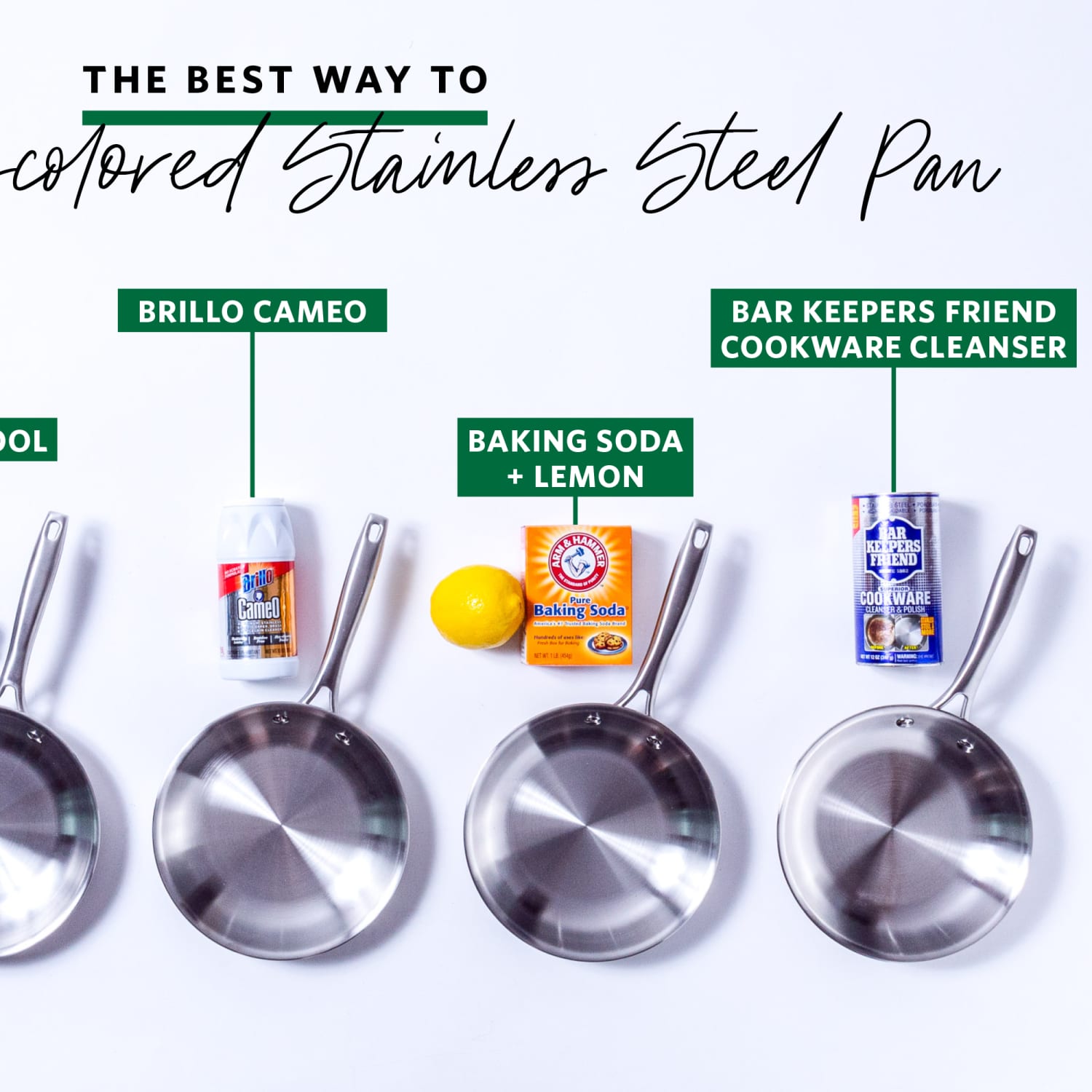
Credit: www.cubbyathome.com
Frequently Asked Questions
How Do You Clean Pots And Pans To Look Like New?
To restore pots and pans, mix baking soda with vinegar to create a paste, apply to surfaces, and scrub gently. Rinse thoroughly and dry for a renewed look.
What Is The Best Way To Sanitize Cookware?
To sanitize cookware effectively, wash with hot, soapy water, then rinse. Disinfect with a solution of 1 tablespoon bleach per gallon of water, and air-dry completely. Use boiling water for heat-resistant items.
How Do You Remove Brown Residue From Pans?
To remove brown residue from pans, soak in warm, soapy water, then scrub with a non-abrasive sponge. For stubborn stains, use a mixture of baking soda and vinegar, apply to the pan, let sit, then scrub and rinse thoroughly.
How Do You Clean Burnt Cookware?
To clean burnt cookware, soak it in warm, soapy water, then scrub with a non-abrasive pad. For stubborn stains, apply a paste of baking soda and water, let sit, then rinse thoroughly. Vinegar and water boiled in the pan can also loosen burnt residue.
Conclusion
Maintaining spotless cookware need not be daunting. With the right techniques, your pots and pans can shine like new. Remember, regular care prolongs their life and ensures better-tasting food. Embrace these simple steps for pristine cookware, and enjoy the fruits of your culinary efforts with every meal.
Let’s keep that kitchen gleaming!




Leave a Reply