
Ceramic cookware is best cleaned with warm soapy water, a soft sponge, and gentle scrubbing immediately after cooking. Ceramic pans have become incredibly popular in modern kitchens because they offer a non-stick surface without the concerns some people have about traditional non-stick coatings. However, keeping ceramic cookware in top condition requires a specific cleaning approach that's quite different from caring for stainless steel or cast iron. In this guide, I'll walk you through everything you need to know about maintaining your ceramic cookware, drawing on years of hands-on experience and proven techniques that really work. You'll discover the best cleaning methods, products to avoid, and insider tips that will help your ceramic pans last for years while maintaining their non-stick properties.
:max_bytes(150000):strip_icc()/how-to-clean-ceramic-pan-4775268_01-a58a8cf28a0043df9b6d255232fa96a8.jpg)
Understanding Ceramic Cookware and Why Proper Cleaning Matters
Ceramic cookware represents a significant investment in your kitchen, and understanding what makes it special helps you care for it properly. Unlike traditional non-stick cookware that uses synthetic coatings like PTFE, ceramic cookware features a natural mineral-based surface that's created through a high-temperature bonding process. This surface is incredibly smooth, which is why food slides off so easily. However, this same smoothness also makes it more vulnerable to damage from harsh cleaning methods and abrasive materials.
I've personally watched ceramic pans go from perfectly non-stick to sticky and stained within months because of improper cleaning. The difference between a ceramic pan that lasts five years and one that lasts fifteen years often comes down to the cleaning routine you establish from day one. When you clean ceramic cookware correctly, you're not just removing food residue—you're actually preserving the integrity of the coating itself. This means more enjoyable cooking experiences and better value from your cookware investment over time.
The ceramic coating can be damaged by metal utensils, abrasive scrubbers, and even certain cleaning products that are too harsh. Once the coating begins to deteriorate, your food will start sticking, and the pan becomes much less enjoyable to cook with. That's why learning the right cleaning techniques for ceramic cookware is so important.

The Best Basic Method to Clean Ceramic Cookware
The most effective way to clean ceramic cookware starts with timing and simplicity. The ideal moment to clean your ceramic pan is immediately after cooking while the pan is still warm but not piping hot. This timing matters because warm pans make it easier for food particles to release from the surface without requiring aggressive scrubbing. Let the pan cool for just a few minutes so you can handle it comfortably.
Begin by adding warm water and a small squirt of dish soap directly into the pan. Use a soft sponge or soft-bristled brush to gently wipe the entire surface, paying extra attention to any areas where food has stuck. The warmth of the water combined with the soap helps break down oils and food residue naturally. Make small circular motions rather than aggressive back-and-forth scrubbing, which can actually damage the ceramic coating over time.
For light to moderate food buildup, this basic method should be all you need. Rinse thoroughly with warm running water and dry with a soft cloth immediately to prevent water spots. Drying right away also helps maintain the pan's shine and prevents mineral deposits from forming on the surface. In my kitchen, I've found that this simple routine takes less than three minutes and keeps my ceramic pans looking brand new.

Handling Stubborn Stuck-On Food
Even with the best non-stick coating, sometimes food sticks to your ceramic cookware, and that's completely normal. The key is knowing how to remove it without damaging the surface. When you encounter stuck-on food, resist the urge to grab a metal scraper or aggressive scouring pad. Instead, try this effective technique that I've used countless times with excellent results.
Fill the pan with warm water and add a tablespoon of baking soda, then let it soak for about 15 to 20 minutes. Baking soda is mildly abrasive, but it's gentle enough for ceramic surfaces and works wonderfully at breaking down stubborn food particles. After soaking, use your soft sponge to gently scrub the affected area in circular motions. The combination of the baking soda and the softened food particles should come away easily without requiring elbow grease.
If baking soda alone doesn't work, try adding a splash of white vinegar to the water instead. The acidic properties of vinegar help dissolve mineral deposits and stubborn residue that might be clinging to your ceramic cookware. Let this mixture sit for 15 to 20 minutes as well, then gently scrub with your soft sponge. Between these two methods, you'll handle 90 percent of stuck-on food situations without ever risking damage to your pan.
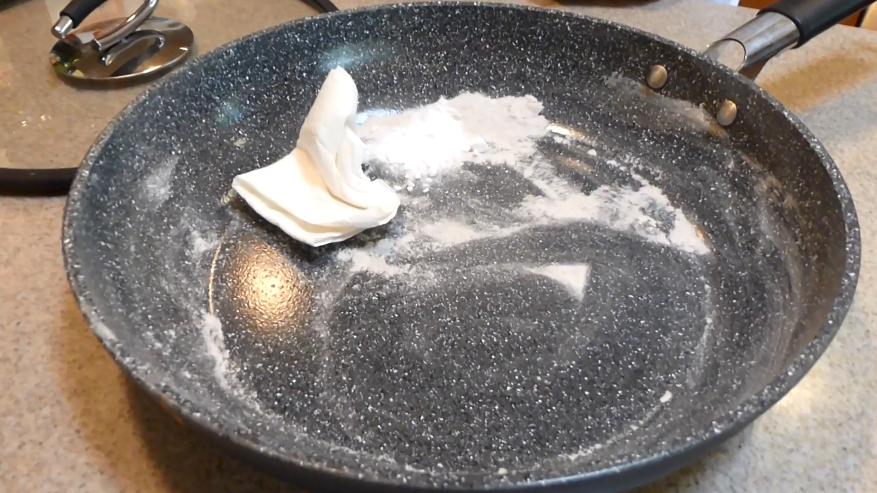
For extremely stubborn situations where nothing seems to work, a paste made from baking soda and water can be applied directly to the problem area. Let it sit for several minutes, then gently scrub. Always remember that patience and gentleness beat aggressive force when it comes to ceramic cookware cleaning.
Products to Use and Avoid When Cleaning Ceramic Cookware
Choosing the right cleaning products is crucial for maintaining your ceramic cookware, and understanding what to avoid will save you from costly mistakes. Stick with mild dish soaps and warm water as your primary cleaning solution—these work beautifully and are gentle enough for daily use. Brands that are labeled as gentle or designed for hand-washing work particularly well because they lack harsh chemicals that could damage the ceramic surface.
Natural cleaning alternatives work exceptionally well for ceramic cookware and align perfectly with the gentle approach you should take. Baking soda, white vinegar, lemon juice, and castile soap are all excellent choices that won't compromise your pan's coating. I personally keep a small box of baking soda under my sink specifically for ceramic cookware maintenance because it's so effective and affordable. These natural products clean beautifully while being completely safe for your family and the environment.
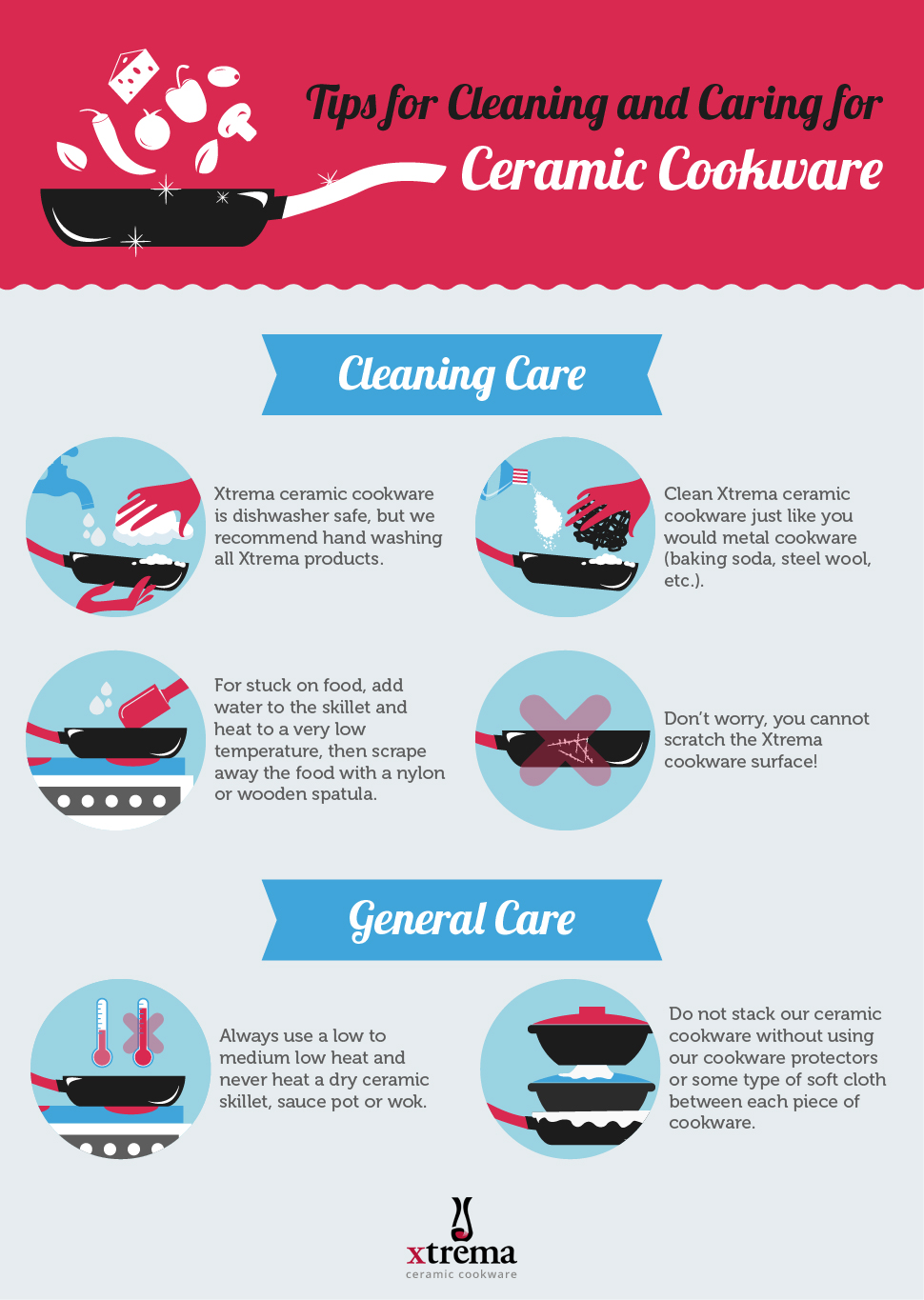
Now, let's talk about what to absolutely avoid when cleaning ceramic cookware. Never use steel wool, metal scouring pads, or abrasive scrubbers on ceramic surfaces. These materials will scratch and damage the coating, and once the damage starts, it accelerates quickly. Harsh chemical cleaners, bleach-based products, and heavy-duty degreasers should also stay away from your ceramic pans. Even strong cleaners designed for ovens or grills are too aggressive for delicate ceramic coatings.
Metal utensils should be avoided not just during cooking but also during cleaning. Even scraping gently with a metal spatula while cleaning can create tiny scratches in the ceramic surface. Stick with wooden spoons, silicone utensils, or plastic tools instead. Additionally, avoid putting ceramic cookware in the dishwasher if possible, even if it's labeled as dishwasher-safe, because the high heat and strong detergents can degrade the coating faster than hand-washing.
Deep Cleaning Your Ceramic Cookware
Sometimes your ceramic cookware needs more than just daily washing, especially if it's been used frequently or if you notice discoloration or mineral buildup. Deep cleaning is different from regular maintenance, and doing it occasionally will keep your pans in pristine condition. The good news is that deep cleaning ceramic cookware doesn't require harsh chemicals or complicated procedures.
One effective deep-cleaning method involves boiling water with baking soda directly in your ceramic pan. Fill the pan three-quarters full with water, add three to four tablespoons of baking soda, and bring it to a gentle boil. Let it simmer for about 10 minutes while the baking soda works to lift stubborn stains and buildup. Turn off the heat and let the water cool, then scrub gently with your soft sponge. Rinse thoroughly and dry immediately. This method works remarkably well for brightening discolored pans and removing mineral deposits.
For another deep-cleaning approach, create a paste with baking soda and water and apply it to the entire interior surface of your ceramic pan. Let it sit for 15 to 30 minutes, then gently scrub with a soft cloth or sponge. This is particularly effective for removing stains caused by acidic foods like tomato sauce or vinegar-based dressings. The mild abrasiveness of the paste combined with the soaking time works wonders without damaging your pan.
Steam cleaning is another excellent option for ceramic cookware that's collected stubborn stains. Fill your pan with water, bring it to a boil, and let the steam loosen the stains for several minutes. Then turn off the heat and gently wipe the interior with a soft cloth. The combination of heat and moisture helps release stuck-on residue without requiring harsh scrubbing. I've used this method many times when traveling or at relatives' homes with ceramic cookware, and it always impresses with its results.
Preventing Common Stains and Discoloration
Prevention is always easier than fixing problems, and applying some simple strategies can keep your ceramic cookware looking beautiful for years. Understanding what causes stains and discoloration will help you take proactive steps. Many common kitchen ingredients and cooking practices can leave marks on ceramic surfaces if you're not careful.
Heat staining is one of the most common issues with ceramic cookware, and it happens when you cook at excessively high temperatures. The heat can cause discoloration on the bottom and sides of the pan, even if the pan itself isn't damaged. To prevent this, always cook on medium or medium-high heat unless a recipe specifically requires higher temperatures. Ceramic cookware actually distributes heat very efficiently, so lower heat settings work wonderfully and help food cook more evenly anyway.
Mineral deposits from hard water can accumulate on your ceramic cookware if you don't dry it immediately after washing. This is why that final drying step is so important. If you do notice mineral buildup, the white vinegar soaking method I mentioned earlier works perfectly to dissolve these deposits. Simply fill the pan with equal parts white vinegar and water, let it sit for 15 to 20 minutes, and then scrub gently.
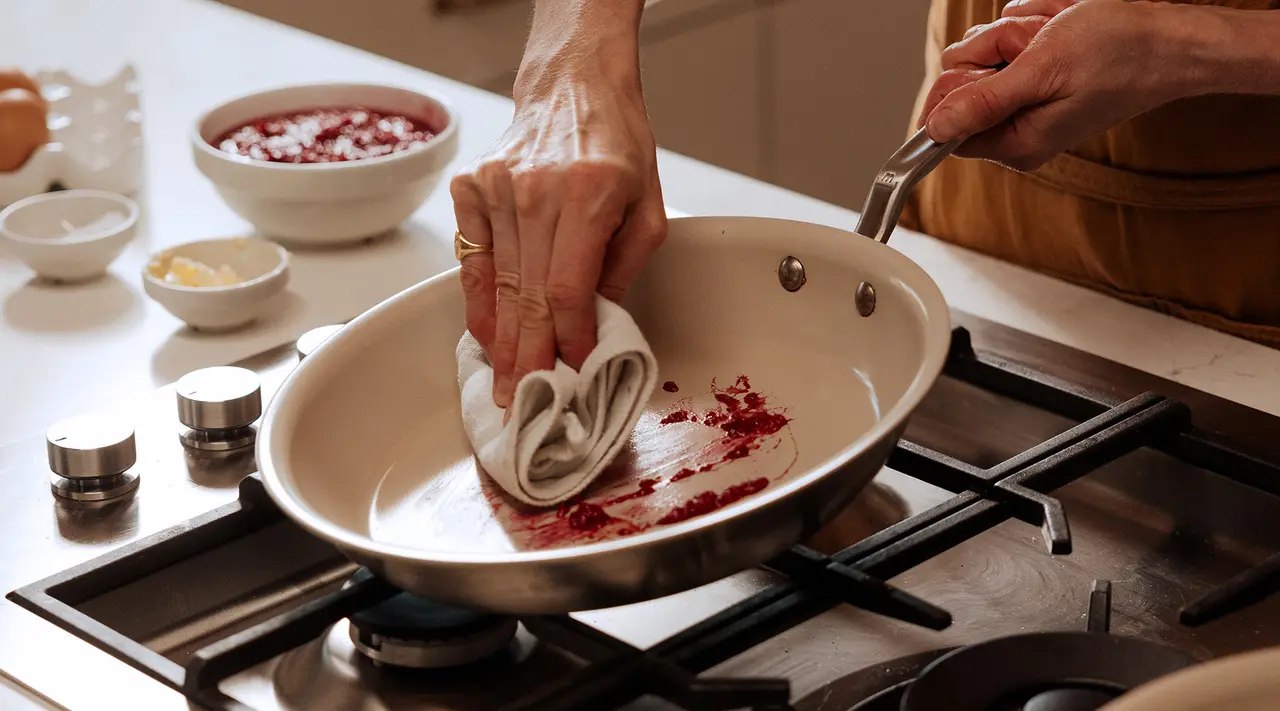
Acidic foods like tomato sauce, citrus, and vinegar-based dishes can sometimes cause staining or discoloration on ceramic surfaces if left sitting in the pan for extended periods. The best prevention is to transfer your cooked food to a serving dish or storage container as soon as cooking is complete. Don't let acidic foods sit in the pan for more than a few hours, as this increases the chance of staining. This habit also keeps your food at better temperatures and improves food safety practices overall.
Oil and grease buildup can make your ceramic cookware look dull and dirty even after washing. This usually happens when dishes haven't been thoroughly rinsed or when oil films remain on the surface. Always use plenty of hot water during rinsing, and if you notice a greasy film, add a tiny bit more dish soap and wash again. The key is ensuring all soap residue is rinsed away, as soap residue left on ceramic cookware can attract more dirt and grease over time.
Drying and Storage Tips for Ceramic Cookware
How you dry and store your ceramic cookware is just as important as how you wash it. Proper drying prevents water spots, mineral deposits, and keeps your pans looking pristine. Always dry ceramic cookware immediately after washing with a soft, lint-free cloth. Microfiber cloths are perfect for this because they absorb water efficiently and won't scratch the surface. Avoid letting your pans air dry on a drying rack because water spots and mineral deposits will form as the water evaporates.
Storage location matters more than people realize when it comes to keeping ceramic cookware in good condition. Store your ceramic pans in a cool, dry place away from extreme temperature fluctuations. If you stack multiple ceramic pans, place a soft cloth or paper towel between each pan to prevent scratching. Never stack pans with their cooking surfaces touching directly against each other. If you have limited space, consider hanging your ceramic cookware on hooks or a rack where each pan hangs separately.
Avoid storing ceramic cookware in damp environments or humid areas like under the sink without proper ventilation. Moisture exposure can eventually lead to issues with the pan's structure and coating. If you must store them in a cabinet, make sure the area is dry and well-ventilated. I've found that storing ceramic cookware near the stove or in the main kitchen area works best because these spots typically have good air circulation and the pans are accessible for regular use.
Temperature changes can stress ceramic cookware, so avoid storing pans where they'll be exposed to drafts or direct heat. This means keeping them away from windows, heating vents, and anywhere the temperature fluctuates significantly. Sudden temperature changes are actually more harmful to ceramic cookware than you might think, potentially causing micro-cracks that aren't immediately visible but can affect performance over time. Consistent storage conditions help your pans maintain their integrity and non-stick properties.

Restoring Non-Stick Properties to Aging Ceramic Cookware
Even with perfect care, ceramic cookware can eventually lose some of its non-stick properties over time. The good news is that you can restore or improve the non-stick surface through some clever techniques. Before you give up on a ceramic pan that's starting to stick, try these restoration methods that have worked wonders in my own kitchen.
One surprisingly effective method involves seasoning your ceramic cookware, similar to how you'd season cast iron. Heat your clean, dry ceramic pan on low heat for a minute or two, then add a very small amount of neutral cooking oil like canola or coconut oil. Use a paper towel to wipe the oil around the entire cooking surface, creating a thin, even coat. Let it cool completely, then use another clean paper towel to buff away any excess oil. This process creates a microscopic oil layer that enhances the non-stick properties. Repeat this process once a month for best results, and you'll notice a significant improvement in how your pan performs.
Another technique involves applying a thin coat of beeswax to the cooking surface. Beeswax is food-safe and creates an excellent protective barrier that improves non-stick performance. Warm the beeswax slightly, apply it sparingly to the cooking surface with a soft cloth, and buff it thoroughly so no residue remains. This works particularly well for ceramic pans that have lost their smoothness due to wear. The beeswax fills in microscopic irregularities and creates a slicker surface.
If your ceramic cookware has become noticeably sticky, sometimes a thorough cleaning combined with the vinegar soak I mentioned earlier can help restore some performance. Mineral buildup and oil films can actually make pans feel stickier than they really are. Once you've cleaned away all the accumulated residue, the pan's original non-stick properties often return surprisingly well. I've restored ceramic pans that seemed completely unusable through this method alone.

Caring for Ceramic Cookware Lids and Handles
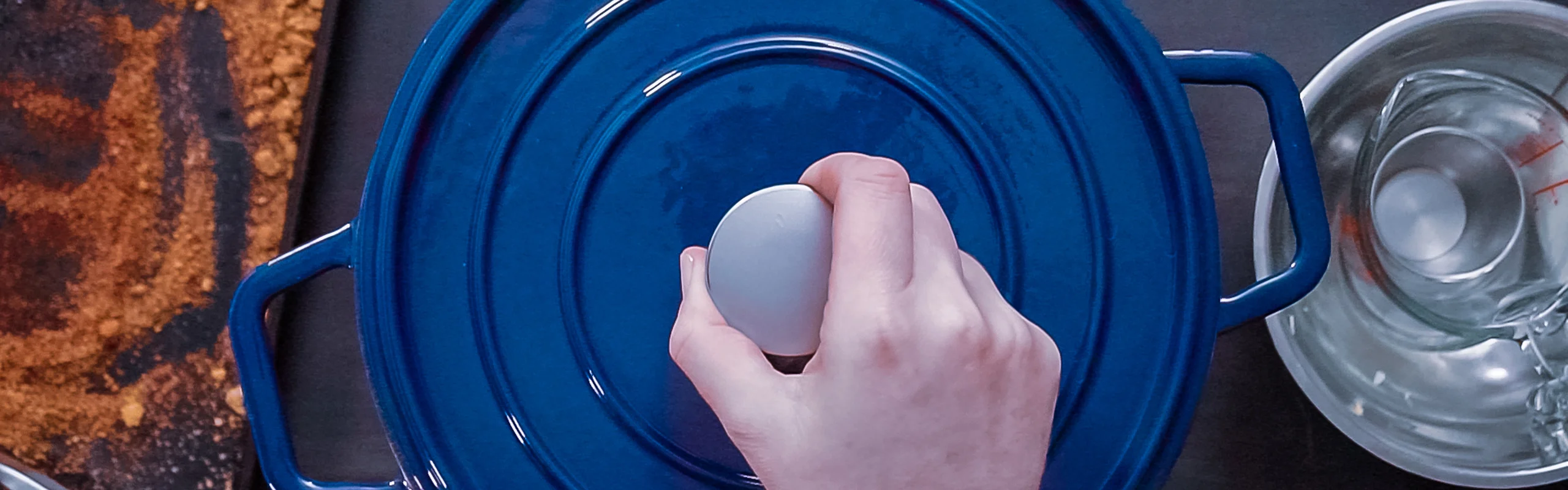
Complete ceramic cookware care includes paying attention to the lids and handles, which are often overlooked but crucial for the pan's overall function and longevity. Glass lids that come with ceramic cookware should be cleaned the same way as the pans themselves—gently with warm soapy water and a soft cloth. Never use harsh scrubbers on glass lids, and avoid sudden temperature changes like moving them from hot water to cold water, which can cause cracking.
Handles require special attention because they can accumulate food debris and grease if not cleaned properly. Use a soft cloth or sponge to clean around the base of handles where they attach to the pan, as this area tends to collect moisture and residue. Make sure handles are completely dry before storing the cookware. If handles are wooden or have special coatings, check the manufacturer's instructions for specific care recommendations. Most wooden handles benefit from occasional conditioning with food-grade mineral oil to prevent drying and cracking.
If your ceramic cookware has lids with handles, treat those handles with the same care as the pan handles. Never put lids through the dishwasher if they have wooden or metal handles, as these components can be damaged by the heat and moisture. Hand-washing and immediate drying will keep your lids and handles in perfect condition. I always wash my ceramic lids right after the pans while I'm already in the cleaning process, which ensures nothing gets forgotten or neglected.
Comparing Ceramic Cookware to Other Cookware Types
Understanding how ceramic cookware compares to other popular cookware options can help you appreciate why it requires specific cleaning care. Unlike stainless steel cookware, ceramic has a naturally non-stick surface that requires gentler handling during cleaning. Stainless steel can tolerate abrasive scrubbing and harsh cleaners that would damage ceramic permanently. However, ceramic heats more evenly and requires less oil during cooking, which many home cooks find superior.
Ceramic cookware differs significantly from traditional non-stick cookware with PTFE coatings. While both are non-stick, ceramic is considered more durable and safer by many people who are concerned about synthetic chemicals. Ceramic cookware also tends to retain the non-stick properties longer with proper care, whereas traditional non-stick eventually degrades regardless of how carefully you treat it. The trade-off is that ceramic requires more gentle handling during cleaning.
Cast iron cookware involves a completely different cleaning philosophy, as it actually improves with use and requires seasoning rather than avoiding oil. You can use abrasive cleaners on cast iron that would destroy ceramic, though modern cast iron maintenance is much simpler than traditional methods. Ceramic cookware sits in the middle ground—it's tougher than traditional non-stick but requires more care than stainless steel or cast iron. Understanding these differences helps you appreciate why your ceramic cookware deserves its own specific cleaning routine.
Troubleshooting Common Ceramic Cookware Issues
Even with proper care, you might occasionally encounter problems with your ceramic cookware. Knowing how to troubleshoot these issues can often save your pans. If food is sticking to your ceramic cookware when it never did before, first check that you've properly cleaned and dried the pan. Sometimes an oil film or mineral deposit is the culprit rather than actual damage to the coating.
If you've confirmed the pan is clean but food still sticks, try the seasoning technique I mentioned earlier with a small amount of cooking oil. This often restores excellent non-stick performance. If sticking persists even after seasoning, the ceramic coating may be damaged. A magnifying glass can help you examine the surface for scratches or rough patches. Small scratches aren't necessarily a reason to retire the pan—many people continue using ceramic cookware with minor surface damage. Just reduce heat slightly and add a tiny bit more oil during cooking to compensate.
Discoloration that won't come off with normal cleaning usually responds to the baking soda soak or vinegar soak methods I described earlier. If these don't work, your pan is likely still perfectly functional for cooking even with cosmetic staining. Some discoloration is actually proof that your pan has been well-loved and used regularly. However, if the discoloration bothers you, these deep-cleaning methods should restore the appearance in most cases.
Chips or cracks in the ceramic coating require a different approach. Small chips that don't expose bare metal underneath can usually be managed with careful cooking and mindful cleaning. However, if you notice chips getting larger or if the bare material underneath is exposed, the pan is no longer ideal for food safety. At this point, it's time to retire that pan and invest in a replacement. Fortunately, with proper care using the methods in this guide, your ceramic cookware shouldn't develop chips for many years.
Frequently Asked Questions
Is ceramic cookware dishwasher safe?
While many ceramic pans are labeled dishwasher-safe, hand-washing will extend their lifespan significantly. The high heat, strong detergents, and tumbling in dishwashers can degrade the ceramic coating faster than gentle hand-washing. I always hand-wash my ceramic cookware to ensure it performs beautifully for years to come.
Can I use metal utensils with ceramic cookware?
No, you should avoid metal utensils on ceramic cookware during both cooking and cleaning. Metal can scratch the ceramic surface and damage the non-stick coating, so stick with wooden, silicone, or plastic utensils instead for the best results.
How often should I deep clean ceramic cookware?
Deep cleaning ceramic cookware once every one to three months is typically sufficient for regular users. If you use your ceramic pans daily, monthly deep cleaning helps maintain their appearance and performance, while occasional users might only need quarterly deep cleaning.
What should I do if my ceramic cookware starts smoking during cooking?
Smoking usually indicates the pan is too hot or there's oil residue burning on the surface. Reduce your heat immediately and wipe the pan with a paper towel to remove excess oil or buildup. If the pan continues to smoke at normal temperatures, it may need deep cleaning to remove oil films or mineral deposits.
Can ceramic cookware go in the oven?
Most ceramic cookware is oven-safe up to temperatures between 350 and 400 degrees Fahrenheit, though you should always check your specific manufacturer's recommendations. Handles and lids may have different temperature ratings, so verify these separately. Avoid sudden temperature changes by not placing a cold ceramic pan into a hot oven or vice versa.
Why is my ceramic cookware turning brown or discolored?
Discoloration usually results from heat staining, mineral deposits, or residue from acidic foods. The baking soda soak, vinegar soak, or boiling water methods I described earlier should restore the appearance. Heat staining specifically happens when cooking at too-high temperatures, so reducing heat for future cooking can prevent this.
Is it safe to use ceramic cookware if the coating is damaged?
Small scratches aren't immediately dangerous, though the cookware may stick more and perform less ideally. If damage is extensive or exposes bare material underneath, it's best to retire the cookware. The damaged areas can trap bacteria and food particles, affecting both performance and food safety.
Wrapping Up Your Ceramic Cookware Care Routine
Taking care of ceramic cookware is genuinely simple when you understand the basics and commit to a consistent routine. The methods and techniques I've shared come from real experience and proven results, and they work reliably for keeping ceramic cookware in excellent condition. Your investment in quality ceramic cookware deserves the small effort required to maintain it properly.
The foundation of ceramic cookware care is straightforward: gentle cleaning immediately after cooking, avoiding abrasive materials, and drying thoroughly every single time. These three habits alone will extend your pan's lifespan dramatically and keep it performing beautifully. Adding occasional deep cleaning and the preventative strategies I've mentioned ensures your ceramic cookware stays in top condition for many years.
Start implementing these cleaning and care practices with your ceramic cookware right away, and you'll be amazed at how much better your pans perform and look. Share your experiences in the comments below—I'd love to hear about your favorite ceramic cookware brands or your own cleaning discoveries. Subscribe to our newsletter for more practical kitchen tips and cookware guidance that will help you get the most out of your culinary investments.


Leave a Reply