

To clean cast aluminum cookware, wash it with warm, soapy water and a soft sponge. Avoid abrasive cleaners that can scratch the surface.
Cast aluminum cookware is popular for its durability and excellent heat conductivity. Proper care ensures it lasts for years while maintaining its performance. Regular cleaning prevents food buildup and discoloration. Many home cooks appreciate its lightweight nature and nonstick properties.
However, improper cleaning methods can damage the finish. Understanding the right techniques is essential for preserving your cookware’s appearance and functionality. Whether you’ve just finished cooking or are preparing for storage, knowing how to clean cast aluminum effectively will keep it in top shape. This guide provides simple steps to achieve sparkling clean cookware without harsh chemicals.
Introduction To Cast Aluminum Cookware
Cast aluminum cookware is a favorite among home cooks. It is known for its durability and excellent heat conduction. Many people enjoy cooking with it for various reasons. This section explores its popularity and benefits.
The Popularity Of Cast Aluminum
Cast aluminum cookware has gained a strong following. Here are some reasons for its popularity:
- Lightweight – Easy to handle and maneuver.
- Durable – Resists warping and scratching.
- Affordable – Offers great value for the price.
- Versatile – Suitable for various cooking methods.
- Easy to clean – Requires minimal effort for maintenance.
Benefits Of Using Cast Aluminum Cookware
Using cast aluminum cookware comes with many advantages. Here are some key benefits:
| Benefit | Description |
|---|---|
| Excellent Heat Distribution | Cooks food evenly and reduces hot spots. |
| Non-Stick Properties | Food releases easily without sticking. |
| Healthier Cooking | Requires less oil for cooking. |
| Stylish Appearance | Adds a modern touch to your kitchen. |
Cast aluminum cookware is a smart choice for any kitchen. It combines functionality with style.

Credit: www.reddit.com
Before You Begin: Understanding Aluminum
Cleaning cast aluminum cookware requires some knowledge. Understanding aluminum’s properties helps maintain your cookware’s longevity. Proper care prevents damage and keeps your pots and pans looking great.
Characteristics Of Aluminum Cookware
Aluminum cookware is popular for several reasons:
- Lightweight: Aluminum is much lighter than other metals.
- Conductivity: It heats quickly and evenly.
- Non-reactive: Anodized aluminum does not react with acidic foods.
- Durability: Cast aluminum is tough and long-lasting.
These characteristics make aluminum cookware a top choice for many kitchens.
Common Myths About Cleaning Aluminum
Many myths surround cleaning aluminum. Here are some popular misconceptions:
| Myth | Fact |
|---|---|
| Aluminum cookware can’t be washed with soap. | It’s safe to use mild soap. Avoid harsh chemicals. |
| Aluminum cookware is impossible to scratch. | While durable, it can scratch. Use non-abrasive sponges. |
| Aluminum cookware should never be soaked. | Soaking is fine, but avoid long periods. Rinse promptly. |
Knowing the truth helps you care for your aluminum cookware properly.
Regular Cleaning Routine
Keeping your cast aluminum cookware clean is crucial. A regular cleaning routine helps maintain its appearance and performance. This ensures you enjoy cooking with it for years. Follow these steps for daily care.
Daily Cleaning Steps
- Allow the cookware to cool down.
- Rinse with warm water.
- Use a soft sponge to scrub away food particles.
- Dry completely with a soft cloth.
Following these steps makes cleaning easy. You can keep your cookware in top shape.
Dish Soap & Water: The Classic Duo
Dish soap and water work wonders for cleaning cast aluminum. Here’s how to use them:
- Choose a mild dish soap. Avoid harsh chemicals.
- Mix soap with warm water. Create a soapy solution.
- Soak your cookware. Let it sit for a few minutes.
- Scrub gently. Use a soft sponge or cloth.
- Rinse thoroughly. Remove all soap residue.
- Dry with a soft cloth. Prevent water spots.
This simple method keeps your cookware clean and shiny. Regular cleaning prevents buildup and extends the life of your cookware.
Tackling Tough Stains And Buildup
Cast aluminum cookware can develop tough stains and buildup over time. These marks can affect cooking performance and the cookware’s appearance. Effective cleaning is essential for maintaining your pots and pans.
Natural Solutions For Stubborn Grime
Natural cleaning methods are often safe and effective. Here are some options to consider:
- Baking Soda Paste: Mix baking soda with water to form a paste. Apply it to the stained areas. Let it sit for 15-30 minutes. Scrub gently with a soft sponge.
- Vinegar Soak: Soak the cookware in a mixture of equal parts vinegar and water. Let it soak for one hour. Rinse thoroughly afterward.
- Lemon Juice and Salt: Sprinkle salt on the stain. Squeeze fresh lemon juice over the salt. Let it sit for 30 minutes before scrubbing.
These natural solutions are effective for removing stubborn grime without harsh chemicals.
When To Use Commercial Cleaners
Sometimes natural methods may not be enough. In such cases, commercial cleaners can help. Use these cleaners for:
- Heavy Buildup: If grime covers a large area, a commercial cleaner can work wonders.
- Discoloration: For severe discoloration, specialized products can restore the appearance.
- Time Constraints: Commercial cleaners can save time when you need quick results.
Always follow the manufacturer’s instructions when using commercial cleaners. Ensure the cleaner is safe for aluminum cookware.
| Cleaning Method | Effectiveness | Time Required |
|---|---|---|
| Baking Soda Paste | High | 15-30 minutes |
| Vinegar Soak | Medium | 1 hour |
| Lemon Juice and Salt | High | 30 minutes |
| Commercial Cleaners | Very High | Varies |
Choose the right method based on the type of stain and your needs. Proper care keeps your cast aluminum cookware looking new.
Protective Measures For Your Cookware
Taking care of your cast aluminum cookware ensures its longevity. Proper protection keeps your cookware safe from scratches, dents, and other damage. Follow these tips to maintain its quality and performance.
Preventing Scratches And Dents
Scratches and dents can ruin your cookware’s appearance. Here are effective ways to prevent them:
- Use Non-Metal Utensils: Choose wooden, silicone, or plastic tools.
- Store Carefully: Place a soft cloth between stacked pots and pans.
- Avoid Heavy Impact: Do not drop or bang your cookware.
- Clean Gently: Use soft sponges instead of harsh scrubbers.
Avoiding Dishwasher Damage
Dishwashers can harm your cast aluminum cookware. Here are tips to keep it safe:
- Hand Wash Only: Always wash by hand with mild soap.
- Skip the Dishwasher: Avoid placing it in the dishwasher.
- Dry Immediately: Wipe it dry to prevent water spots.
- Store Properly: Keep it in a dry place to avoid moisture.
Following these protective measures will help maintain your cast aluminum cookware’s beauty and functionality for years.

Credit: www.youtube.com
Polishing Cast Aluminum To A Shine
Polishing cast aluminum cookware can restore its original luster. Over time, aluminum may dull due to cooking residues. A shiny surface not only looks good but enhances cooking performance. Use simple methods to make your cookware shine again.
Diy Polishing Pastes
Creating a DIY polishing paste is easy and effective. Here are some simple recipes:
- Baking Soda Paste: Mix 1 cup of baking soda with water. Make a thick paste. Apply it on the aluminum surface.
- Vinegar and Baking Soda: Combine 1 cup of vinegar with 2 tablespoons of baking soda. This mixture creates a fizzy reaction that helps lift grime.
- Dish Soap and Water: Use a few drops of dish soap in warm water. Scrub with a soft sponge.
Apply the paste with a soft cloth. Rub in circular motions for best results. Rinse thoroughly with water after polishing.
The Role Of Vinegar And Lemon Juice
Vinegar and lemon juice work wonders on cast aluminum. Both have natural acids that remove stains and tarnish.
| Ingredient | Benefits |
|---|---|
| Vinegar | Removes grease and restores shine. |
| Lemon Juice | Brightens surfaces and adds a fresh scent. |
To use, mix equal parts vinegar or lemon juice with water. Soak a cloth in the solution. Wipe the cookware thoroughly. Rinse well with water afterward.
Restoring Discolored Aluminum
Discolored cast aluminum cookware can affect its appearance and cooking performance. Various factors cause discoloration, such as heat, acidic foods, and improper cleaning. Restoring the original shine is simple with the right techniques.
Home Remedies For Discoloration
Several effective home remedies can help restore discolored aluminum. Here are a few popular options:
- Baking Soda Paste: Mix baking soda with water to form a paste. Apply it to the discolored areas and scrub gently.
- Vinegar Soak: Soak the cookware in a mixture of equal parts vinegar and water for 30 minutes. Rinse and dry thoroughly.
- Salt and Lemon Juice: Combine salt with lemon juice to create a scrub. This mixture can remove tarnish effectively.
- Cream of Tartar: Make a paste with cream of tartar and water. Apply it to the stained areas and scrub gently.
Maintaining Color And Luster Over Time
Keep your cast aluminum cookware looking new with regular maintenance. Follow these tips:
- Avoid High Heat: Use low to medium heat to prevent discoloration.
- Clean Promptly: Clean cookware immediately after use to prevent stains.
- Gentle Cleaners: Use mild dish soap and soft sponges for cleaning.
- Dry Thoroughly: Always dry your cookware completely to avoid water spots.
These practices can help maintain the color and luster of your cookware. Regular care ensures it remains a beautiful and functional addition to your kitchen.
Special Considerations For Antique Cookware
Cleaning antique cast aluminum cookware requires special care. These pieces often have sentimental value. They may also have unique finishes or patinas. Proper cleaning techniques ensure their beauty and functionality last.
Handling Vintage Aluminum Pieces
Handle vintage aluminum cookware with extra care. Follow these tips:
- Inspect Carefully: Check for dents, scratches, or loose handles.
- Use Soft Cloths: Avoid abrasive materials that can scratch.
- Avoid High Heat: High heat can warp or damage the aluminum.
- Use Non-Corrosive Cleaners: Select gentle, non-toxic cleaning solutions.
Preservation Techniques
Preserving antique cookware maintains its beauty. Follow these techniques:
- Wash Gently: Use warm soapy water and a soft sponge.
- Dry Immediately: Prevent water spots by drying the cookware right away.
- Store Properly: Keep pieces in a cool, dry place. Use cloths to separate items.
- Avoid Dishwashers: Dishwashers can cause damage. Hand wash only.
| Technique | Description |
|---|---|
| Gentle Washing | Use warm soapy water and a soft cloth. |
| Immediate Drying | Dry cookware right after washing to avoid spots. |
| Proper Storage | Store in a cool place, separating items with cloths. |
| No Dishwashers | Hand wash to prevent damage. |
Troubleshooting Common Issues
Cleaning cast aluminum cookware can sometimes lead to problems. Here are tips to address common issues. Follow these solutions to keep your cookware in top shape.
Addressing Pitting And Corrosion
Pitting and corrosion can occur on cast aluminum. This damage may happen from improper cleaning or using harsh chemicals. Here’s how to fix it:
- Inspect the cookware regularly for signs of damage.
- Use a soft sponge with warm, soapy water.
- For tough spots, make a paste of baking soda and water.
- Gently scrub the affected areas with the paste.
If pitting persists, consider these steps:
- Rinse the cookware thoroughly.
- Dry it completely to prevent further corrosion.
- Apply a thin layer of cooking oil to protect the surface.
Always store cookware in a dry place. Avoid stacking it with other metal items. This prevents scratches and further damage.
Solving Odor Problems
Odors can linger in cast aluminum cookware. Food residue or improper storage often causes this issue. Here are simple steps to eliminate bad smells:
- Wash the cookware with warm, soapy water.
- Rinse thoroughly to remove soap residue.
- Use a mixture of vinegar and water to soak the cookware.
For stubborn odors, try these methods:
- Fill the pan with water and add lemon slices.
- Boil the mixture for 10 minutes.
- Cool, then wash and rinse again.
Ensure cookware is completely dry before storing. This helps prevent odors from returning.
Conclusion: The Joy Of Cooking With Clean Cookware
Cooking becomes a delightful experience with clean cast aluminum cookware. Clean pots and pans enhance flavors and make meals more enjoyable. They also promote healthy cooking by avoiding harmful residues. Embracing cleanliness leads to better meals and a happier kitchen.
The Rewards Of Proper Maintenance
Taking care of your cast aluminum cookware brings many benefits:
- Improved Performance: Clean cookware heats evenly and cooks food better.
- Longer Lifespan: Proper care helps your pans last for years.
- Healthier Meals: Avoiding stuck-on food reduces the chance of burning.
- Aesthetic Appeal: Shiny, clean cookware looks great in your kitchen.
Regular cleaning and maintenance create a cooking environment that inspires creativity. You’ll love the way your food tastes and looks.
Inspiring A Culture Of Care In The Kitchen
Creating a culture of care in your kitchen encourages everyone to participate. Here are some simple steps:
- Set a Cleaning Routine: Clean your cookware after each use.
- Teach Others: Share cleaning tips with family and friends.
- Make It Fun: Turn cleaning into a fun activity with music.
When everyone cares for the cookware, cooking becomes a shared joy. Clean cookware inspires collaboration and creativity in meal preparation.
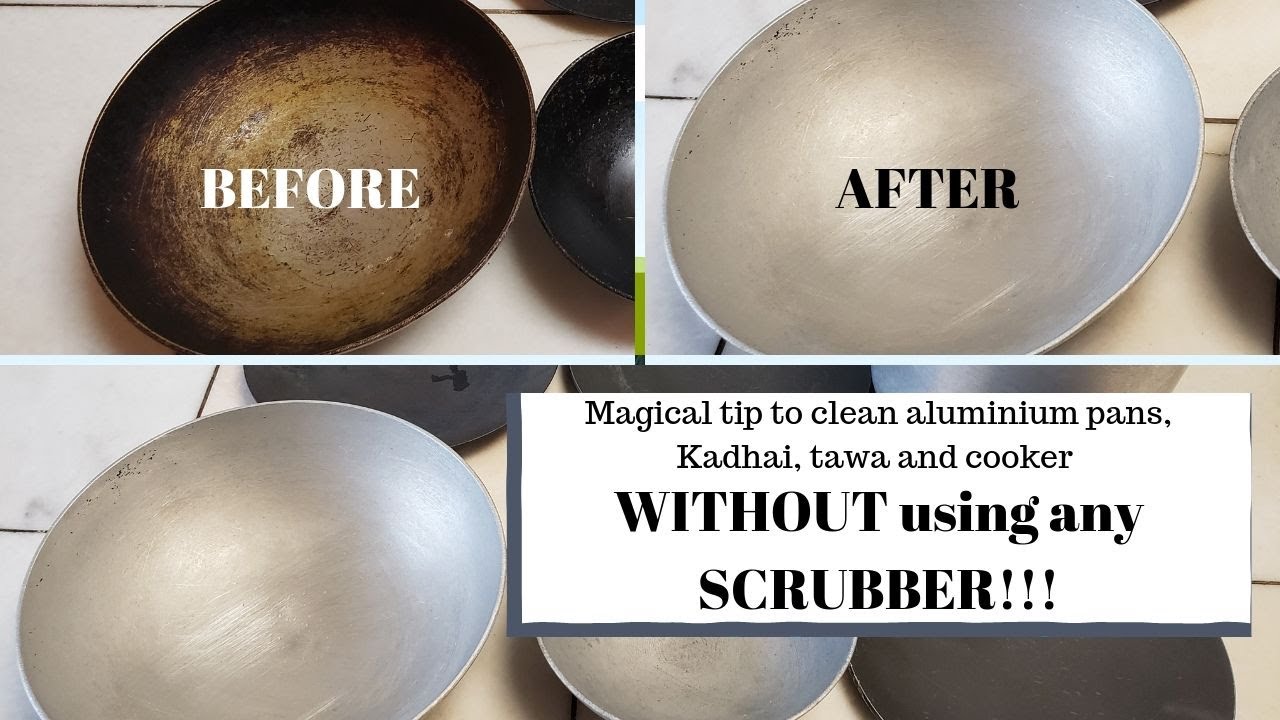
Credit: m.youtube.com
Frequently Asked Questions
How Do I Remove Stains From Cast Aluminum Cookware?
To remove stains, use a mixture of baking soda and water. Apply the paste to the stained areas and let it sit for 15-30 minutes. Then, scrub gently with a soft sponge. Rinse thoroughly with warm water and dry immediately to prevent further staining.
Can I Use Steel Wool On Cast Aluminum?
No, avoid using steel wool as it can scratch the surface. Instead, opt for a non-abrasive sponge or cloth for cleaning. This will help maintain the cookware’s finish and extend its lifespan. Always use gentle cleaning methods to preserve the aluminum’s integrity.
What Is The Best Way To Clean Aluminum Cookware?
The best method involves using warm soapy water and a soft sponge. Avoid harsh chemicals that can damage the aluminum. After cleaning, rinse thoroughly and dry immediately to prevent oxidation. Regular maintenance will keep your cookware looking great and functioning well.
Is It Safe To Use Cast Aluminum Cookware?
Yes, cast aluminum cookware is generally safe for cooking. However, ensure it is free from scratches or damage that could leach aluminum into food. Using it properly and maintaining it well can enhance its safety and performance for delicious meals.
Conclusion
Cleaning cast aluminum cookware is essential for maintaining its appearance and functionality. Regular cleaning prevents food buildup and enhances its lifespan. With simple techniques and the right products, you can keep your cookware looking new. Enjoy cooking with your well-maintained cast aluminum pieces, ensuring delicious meals for years to come.

Leave a Reply