

Selecting the right cookware set requires considering material compatibility with your cooking methods and stove type. Evaluate durability, maintenance needs, and heat conductivity of the sets.
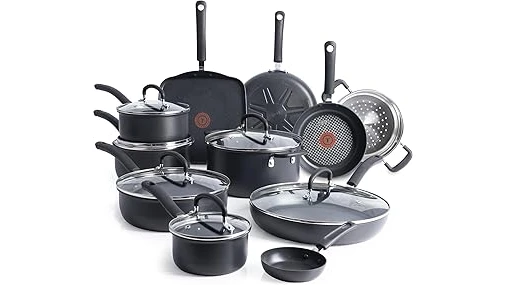
How to Choose the Right Cookware Set:Choosing the perfect cookware set can elevate your cooking experience and even improve the taste of your food. The decision hinges on matching cookware materials—like stainless steel, cast iron, or non-stick varieties—to your culinary habits and preferences. Keep in mind the frequency of use and the types of dishes you typically prepare.
A chef’s arsenal should also include pieces that are versatile and easy to clean, ensuring a seamless transition from stove to oven, if necessary. The investment in a quality set pays dividends in longevity and consistent cooking performance, so consider your budget alongside these factors. Safety features, such as stay-cool handles and non-toxic coatings, are crucial for a worry-free kitchen environment. Start your culinary adventures with the right tools by making an informed cookware set choice.
:max_bytes(150000):strip_icc()/cookware-set-group-shot-nick-kova-00015-37c3f2f73ad84f11a4c6d8c0118786e2.jpg)
Credit: www.thespruceeats.com
Introduction To Cookware Essentials
Choosing the right cookware set is a game-changer in the kitchen. Quality cookware leads to better meals. It also ensures longevity and efficiency during cooking. Knowing the essentials is the first step.
Importance Of Quality Cookware
Good cookware provides even heat distribution. This means no burnt spots. It’s also durable. You won’t replace it often. Plus, it’s safer for your health. Cheaper pots can release harmful chemicals.
Cookware Materials And Their Impact On Cooking
Different materials affect your cooking differently.
| Material | Heat Conductivity | Durability | Maintenance |
|---|---|---|---|
| Stainless Steel | Moderate | High | Low |
| Cast Iron | Slow | Very High | Medium |
| Aluminum | Fast | Low | Medium |
| Copper | Very Fast | Low | High |
| Ceramic | Varies | Medium | Medium |
Assessing Your Cooking Needs
Before buying a cookware set, know what you need. This step is key. Let’s dive into how to pick the best set for you.
Evaluating Cooking Habits
Think about what you cook often. Your habits decide your needs. Do you fry a lot? Maybe you’re a baker. Your cookware should match this.
- Frequent bakers need good baking sheets and pans.
- Stir-fry fans should look for a quality wok.
- Love soups? A large pot is a must.
Identifying Key Cookware Pieces
Not all sets have what you need. Pick pieces that fit your cooking style.
| Cooking Style | Essential Piece |
|---|---|
| Everyday Cooking | Non-stick skillet |
| Baking | Oven-safe baking dish |
| Grilling | Grill pan |
Remember, not every set will have these. Choose based on what you make.
Material Matters
Cookware is the cornerstone of your kitchen, so choosing the right set is vital.
Materials impact flavor, ease of use, and clean-up.
Let’s explore the best options.
Pros And Cons Of Stainless Steel
Stainless steel is loved for its durability and resistance to rust.
It’s ideal for browning and searing.
- Even heating
- Long-lasting
- Non-reactive with foods
Yet, it can be tricky to clean and may need oil to prevent sticking.
Non-stick Surfaces: Benefits And Cautions
Non-stick cookware offers effortless food release and quick clean-up.
It’s great for low-fat cooking.
- Easy to use
- Less oil needed
However, it can be less durable and might release toxins if overheated.
Cast Iron Classics And Modern Uses
Cast iron is known for its heat retention and versatility.
Perfect for stovetop to oven dishes.
- Great for high-heat cooking
- Natural non-stick over time
It requires seasoning and is heavier to handle.
Copper Cookware: Is It Worth The Investment?
Copper pots and pans offer superior thermal conductivity.
They heat up fast and cool down quickly.
| Pros | Cons |
|---|---|
| Precise temperature control | Expensive |
| Beautiful design | Reacts with acidic foods |
Ceramic And Glass Options
Ceramic and glass cookware are eco-friendly choices.
They don’t contain toxins and are easy to clean.
- Non-reactive
- Stylish looks
But, they can be less durable and may break with sudden temperature changes.
Credit: www.mensjournal.com
Understanding Heat Conductivity
Choosing the right cookware set starts with heat conductivity. Good heat conductivity ensures that food cooks evenly. This means no burnt spots or undercooked areas.
Why Heat Distribution Is Crucial
Even heat distribution is key to great cooking. It affects texture, flavor, and cooking time. Cookware that distributes heat evenly performs better.
Which Materials Best Conduct Heat
Some materials are better heat conductors. Let’s explore these materials.
| Material | Heat Conductivity |
|---|---|
| Copper | Excellent |
| Aluminum | Very good |
| Stainless Steel | Good with aluminum or copper core |
| Cast Iron | Good at retaining heat |
| Ceramic | Fair |
Copper cookware heats up fast and cools down quickly. This gives chefs more control.
Aluminum is a lightweight and less expensive option. It also conducts heat well.
Stainless steel is durable and resistant to corrosion. When bonded with copper or aluminum, it heats more evenly.
Cast iron holds heat for a long time. It is ideal for slow cooking and frying.
Ceramic conducts heat less efficiently. But it is good for slow, even cooking.
Considering Cookware Durability
Choosing the right cookware set is a big decision. Durability is key. You want pots and pans that last. Let’s talk about what makes cookware durable.
Longevity Of Different Materials
Different materials last for different times. Some are stronger than others.
- Stainless Steel: Very durable, doesn’t rust or corrode.
- Cast Iron: Lasts for decades if cared for properly.
- Non-stick: Good but can wear out faster.
- Copper: Excellent heat conductor but needs more care.
- Aluminum: Light and heats up fast but not as durable.
Maintenance Requirements For Each Type
How you take care of cookware affects how long it lasts.
| Material | Maintenance |
|---|---|
| Stainless Steel | Easy to clean, dishwasher safe. |
| Cast Iron | Season regularly, hand wash only. |
| Non-stick | Avoid metal utensils, hand wash. |
| Copper | Polish often, hand wash. |
| Aluminum | Some are dishwasher safe, avoid high heat. |
Remember, the right care keeps your cookware in top shape.
Compatibility With Cooktops
When choosing a cookware set, consider your stove type.
Each cooktop demands specific pot and pan materials.
This choice affects cooking performance and durability.
Matching Cookware To Your Stove Type
Not all cookware works with every stove type.
- Electric coil stoves heat most cookware types well.
- Smooth top ranges require flat-bottomed pans for even cooking.
- Gas stoves work best with round-bottom woks and cookware.
Induction Cooking And Compatible Sets
Induction cooktops need magnetic cookware.
| Material | Induction-Friendly? |
|---|---|
| Stainless Steel | Yes |
| Cast Iron | Yes |
| Aluminum | No (unless magnetic) |
| Copper | No (unless magnetic) |
Check for a magnet test to confirm compatibility.
Ergonomics And Handling
Choosing the right cookware set is not just about material or price. Ergonomics and handling play a huge role too. Let’s dive into what makes a cookware set easy and safe to use.
Handle Comfort And Safety
The handle of your cookware is crucial. It should feel comfortable and safe in your hand. Here are key points:
- Material: Handles should not get hot. Materials like silicone or wood are best.
- Design: Look for handles with a good grip. They should not slip.
- Attachment: Handles must be securely attached. Riveted or welded handles are safer.
Weight And Balance: Ease Of Use
The best cookware has a good balance. It makes cooking easier. Here’s why:
- Weight: Too heavy? It’s hard to lift. Too light? It may not cook evenly.
- Balance: Well-balanced cookware feels better. It won’t tip or spin on the stove.
A well-chosen set combines lightweight feel with even cooking. Test the balance by holding a pan as if you were cooking. It should not feel awkward or uncomfortable.
Extras And Accessories
Choosing the right cookware set involves more than pots and pans. Extras and accessories can transform your cooking experience. Let’s explore these added benefits.
Lids
Lids seal in flavors and moisture. They come in materials like glass or metal. Glass lids help you monitor food without lifting. Metal lids are durable and offer a snug fit. Look for lids with vents to release steam and prevent boiling over.
Inserts
- Steamer inserts let you steam vegetables above boiling water.
- Pasta inserts make draining noodles effortless.
- Double boilers are perfect for melting chocolate or making sauces.
Additional Features
Beyond the basics, certain features add convenience. Silicone handles stay cool. Measuring marks inside pots save time. Non-stick surfaces ensure easy cleanup. Induction compatibility offers versatility. Consider these when selecting your set.
When To Consider Cookware Sets With Extras
Invest in sets with extras if you love variety in your cooking. If you often steam or strain, inserts are a must. For those who value ease of use, look for additional features like pour spouts and cool-touch handles. These extras make cooking more enjoyable.
Budget Considerations
Choosing the right cookware set involves careful budget planning. You need to consider how much you can spend and what you need from your cookware. The cost of a cookware set can vary widely. Quality often influences the price. Yet, you don’t have to break the bank to find a durable set. Let’s explore how to balance cost and quality.
Finding The Balance Between Cost And Quality
Quality cookware is an investment. It can improve your cooking experience. Cheap sets might save money now. But they can cost more over time. They often wear out faster. Look for mid-range priced cookware. These sets can offer the best value. They provide quality without a high price tag.
- Check materials. Stainless steel and cast iron are durable and affordable.
- Read reviews. See what others say about the cookware’s performance and durability.
- Consider piece count. Only buy what you will use. More pieces do not always mean better value.
Investing In Cookware For The Long Term
Good cookware can last for years. It’s worth investing in high-quality sets if you cook often. They can withstand daily use. They make cooking more enjoyable. You save money in the long run. You won’t need to replace them often. Look for warranties. Brands that offer warranties stand behind their products. This shows they believe in their cookware’s longevity.
| Material | Price Range | Expected Lifespan |
|---|---|---|
| Stainless Steel | Medium | Many Years |
| Non-Stick | Low-Medium | Few Years |
| Cast Iron | Medium-High | Generations |
Remember, good cookware is a kitchen ally. Choose wisely!
Credit: www.mensjournal.com
Brand And Warranty Research
Choosing the right cookware set is crucial for any kitchen. Brand and warranty are key factors. They affect quality, durability, and service. Let’s dive deep into these aspects.
Reputation And Reviews
Popular brands often reflect quality. But, it’s wise to check customer reviews before buying. They provide real usage insights. Look for consistent praise or complaints.
- Check top culinary websites for ratings.
- Read user experiences on e-commerce platforms.
- Seek feedback from cooking forums and social media.
Understanding Warranties And Guarantees
A good warranty indicates manufacturer confidence. It ensures long-term support. Always read the fine print.
| Warranty Length | Coverage Scope | Claim Process |
|---|---|---|
| 1-10 years or lifetime | Defects and workmanship | Simple, no-hassle claims |
| Varies by brand | May exclude wear and tear | Requires proof of purchase |
Choose sets with clear warranty terms. They protect your investment.
The Environmental Impact Of Cookware
The choices we make in the kitchen extend beyond taste and nutrition. They also impact our planet. Choosing the right cookware set can affect the environment. Let’s explore options that combine culinary excellence with environmental care.
Eco-friendly Materials And Practices
Eco-friendly cookware uses materials that don’t harm the earth. These items last longer and reduce waste. Consider cookware made of:
- Stainless steel: Durable and recyclable.
- Cast iron: Long-lasting with proper care.
- Ceramic: A non-toxic alternative.
Look for products with certifications like Green Seal or Energy Star. These ensure lower environmental impact.
Sustainability In Cookware Manufacturing
Responsible manufacturing is key. Brands that prioritize sustainability use:
- Recycled materials: Lessens the demand for virgin resources.
- Renewable energy: Lowers carbon footprint.
- Water efficiency: Conserves vital water resources.
Support companies that invest in eco-friendly tech. They make a positive difference for our environment.
Making The Final Decision
Choosing the right cookware set can be overwhelming. The final decision is crucial. Consider compatibility with your cooking habits and stovetop. Ensure durability and ease of maintenance. Reflect on your cooking style and frequency. A perfect set enhances your kitchen experience.
Creating A Checklist
- Determine the types of pieces you need.
- Consider the material that suits your cooking style.
- Match the cookware with your stove type.
- Opt for easy-to-clean surfaces.
- Think about the weight and handle comfort.
- Ensure the set includes essential sizes.
Where To Shop For Cookware
Find your ideal cookware set at different places:
| Store Type | Benefits |
|---|---|
| Specialty Kitchen Stores | Expert advice and high-quality options. |
| Department Stores | Variety of brands and price ranges. |
| Online Retailers | Convenience and customer reviews. |
| Factory Outlets | Discounted prices on top brands. |
Check return policies and warranty before purchase. Look for deals and read reviews. Trustworthy brands ensure long-term satisfaction.
Care And Maintenance Post-purchase
Once you’ve chosen your ideal cookware set, proper care ensures longevity and performance. The right maintenance routine keeps your pots and pans in top shape. Let’s explore how to maintain your cookware with effective cleaning and storage practices.
Proper Cleaning Techniques
Clean cookware right after use. This prevents food from sticking. Use warm, soapy water for most items. For stainless steel, a dedicated cleaner adds shine. Non-stick surfaces need soft sponges to avoid scratches. Dry cookware thoroughly before storing. This avoids water spots and rust.
- Soak pans to loosen food.
- Use gentle scrubbers for tough residue.
- Avoid abrasive materials on non-stick coatings.
- Dry completely to prevent water marks.
Storing Your Cookware To Last
Proper storage is key for preserving your cookware. Stack pans with care. Use pan protectors between non-stick surfaces. Hang pots and pans to avoid scratches. Keep lids organized and accessible. This method maintains shape and surface quality.
- Store in a dry place.
- Stack with pan protectors.
- Hang heavy items.
- Keep lids separate.
| Cookware Type | Cleaning Tool | Cleaning Agent | Storage Tip |
|---|---|---|---|
| Stainless Steel | Soft Sponge | Soapy Water | Hang or Stack |
| Non-Stick | Non-Abrasive | Mild Detergent | Use Protectors |
| Cast Iron | Stiff Brush | Minimal Water | Oil Lightly |
Frequently Asked Questions
How Do I Know What Cookware To Buy?
Consider your cooking habits and choose cookware that suits your needs. Opt for durable materials like stainless steel or cast iron. Check compatibility with your stove type, and always read reviews for quality assurance. Prioritize easy-to-clean options for convenience.
What Is The #1 Rated Cookware?
The #1 rated cookware varies by year and source, but All-Clad often tops the list for its durability and performance.
What Is The #1 Rated Cookware?
The #1 rated cookware brand frequently varies, with All-Clad often topping lists for its durability and performance. Research and customer reviews consistently highlight its quality. Remember, the best choice depends on personal cooking needs and preferences.
What Kind Of Cookware Is Best For Everyday Use?
Stainless steel cookware is ideal for everyday use due to its durability and ease of maintenance. Non-stick pans are also great for convenient, low-fat cooking.
Conclusion
Selecting the perfect cookware set enriches your culinary journey. Prioritize material quality, your cooking style, and ease of maintenance. Remember, the right choice enhances flavors and simplifies meal prep. Start your kitchen adventure with confidence, armed with the knowledge you’ve gained.
Happy cooking!

Leave a Reply