

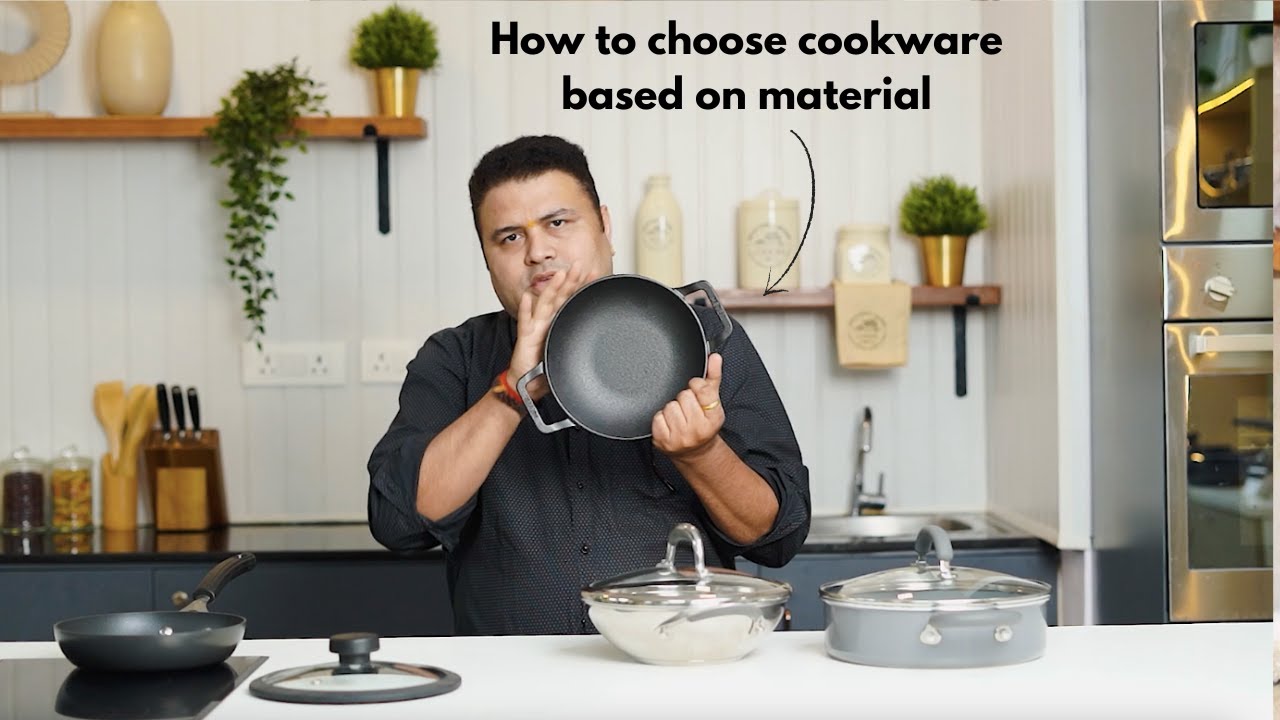
Choose cookware material based on your cooking style and the type of heat source you use. Consider durability, heat conductivity, and maintenance needs.
How to Choose Cookware Material:Selecting the right cookware is crucial for any kitchen. Whether you’re a seasoned chef or a home cooking enthusiast, the material of your pots and pans can dramatically affect your cooking. Stainless steel offers versatility and durability, making it a staple in many kitchens.
Nonstick pans, on the other hand, are perfect for low-fat cooking and easy cleanup. Cast iron is valued for its heat retention and even cooking, ideal for searing and slow-cooking. For those who prioritize quick heat-up times, copper cookware is the top choice, although it requires more care to maintain its luster. Aluminum is lightweight and heats up swiftly but reacts with acidic foods, which can alter flavors. Always weigh the pros and cons of each material, keeping in mind your culinary needs, before making a purchase. This will ensure your cookware not only enhances your cooking experience but also lasts for years to come.
Credit: www.youtube.com
Introduction To Cookware Materials
Introduction to Cookware Materials plays a crucial role in your kitchen. The right choice can make cooking enjoyable and healthy. Different materials impact cooking time, flavor, and nutrition. Let’s explore how to choose wisely.
The Importance Of The Right Material
Choosing the right cookware material is essential. It affects:
- Heat conductivity – Some materials heat up fast and evenly.
- Durability – Certain materials last longer.
- Reactivity – Some metals react with acidic foods.
- Maintenance – Each material has different care needs.
Factors Influencing Cookware Choices
Your cookware choice depends on several factors:
- Cooking style – Match the material to what you cook.
- Health concerns – Some materials are safer for cooking.
- Budget – Choose the best you can afford.
- Kitchen aesthetics – Pick materials that look good in your kitchen.
Aluminum Cookware Essentials
Discovering the essentials of aluminum cookware is key to a well-equipped kitchen. Aluminum pots and pans are popular. They heat quickly and cook evenly. Let’s explore this versatile material further.
Pros And Cons Of Aluminum
Aluminum cookware offers distinct advantages and some drawbacks.
| Pros | Cons |
|---|---|
| Lightweight | Reacts with acidic foods |
| Heats quickly | Prone to warping |
| Even heat distribution | Can dent easily |
| Affordable | Not dishwasher safe |
Anodized Aluminum Variations
Anodized aluminum cookware is a step up. It’s harder and non-reactive. Here’s what sets it apart.
- Resists corrosion and scratching
- Non-stick surface
- Withstands high heat
- Long-lasting compared to regular aluminum
Choose anodized aluminum for durability and performance. It is worth the investment.
Stainless Steel: A Reliable Option
For many home cooks, stainless steel cookware stands out as a trusted choice. Its durability and sleek design make it a kitchen favorite. Below, explore the benefits and considerations of choosing stainless steel for your cooking needs.
Benefits Of Stainless Steel Cookware
- Resists Corrosion: Stainless steel withstands rust and stains.
- Long-Lasting: This material endures heavy use without damage.
- Non-Reactive: Foods keep their flavors as steel doesn’t react with ingredients.
- Easy to Clean: Simple soap and water will do the trick.
- Shiny Aesthetic: Its mirror finish adds class to any kitchen.
- Induction Compatible: Works well with modern induction cooktops.
Considerations When Choosing Stainless Steel
Before investing in stainless steel cookware, weigh these factors:
| Consideration | Detail |
|---|---|
| Heat Conductivity | Steel is not the best heat conductor. Look for aluminum or copper core options. |
| Weight | It can be heavy. Test the weight before you buy. |
| Price | High-quality pieces can be costly. Consider your budget. |
| Maintenance | Polishing may be needed to maintain its shine over time. |
Cast Iron Classics
Embrace the timeless charm of Cast Iron Classics. This cookware is a kitchen staple. It’s known for its durability and versatility. Chefs and home cooks love it. Let’s explore the benefits of cast iron. Learn how to keep these pieces in top shape.
Advantages Of Cast Iron Cookware
- Even Heating: Cast iron distributes heat uniformly.
- Heat Retention: It keeps food warm for a long time.
- Versatility: Suitable for stovetop, oven, and outdoor use.
- Longevity: With proper care, it lasts for generations.
- Non-Stick Qualities: Develops a natural non-stick surface over time.
- Boosts Iron Intake: Adds iron to your diet naturally.
Maintenance Tips For Cast Iron
- Clean While Warm: Wash with water after cooking. Use a brush.
- Dry Immediately: Prevent rust by drying the cookware right away.
- Season Regularly: Apply a thin layer of oil after drying.
- Avoid Soap: It can strip the seasoning. Use sparingly.
- Store Properly: Keep in a dry place. Use a paper towel layer between stacked pans.
Non-stick Coatings And Safety
Choosing the right cookware involves safety considerations. Non-stick coatings offer convenience. They reduce the need for oils. Clean-up becomes easier. But, it’s crucial to understand the types. Safety concerns also matter.
Types Of Non-stick Coatings
Various materials make up non-stick surfaces. Here are common types:
- PTFE (Polytetrafluoroethylene): Known as Teflon. It’s a classic choice. Food slides off easily.
- Ceramic: A newer option. It’s often marketed as “green” or “eco-friendly”.
- Silicone: Usually found in bakeware. It’s flexible and heat-resistant.
- Seasoned Cast Iron: Natural non-stick. It improves with use.
- Anodized Aluminum: Hardened surface. It’s durable and resists sticking.
Health Concerns And Non-stick Surfaces
Safety is vital with non-stick cookware. High temperatures can cause issues.
| Coating | Safety Note |
|---|---|
| PTFE | Overheating may release harmful fumes. |
| Ceramic | Considered safer at high heat. |
| Silicone | Safe up to certain temperatures. |
| Seasoned Cast Iron | Safe if properly maintained. |
| Anodized Aluminum | Less likely to leach into food. |
Choose wisely. Look for cookware that handles heat well. Avoid toxic fumes. Ensure a healthy cooking experience.
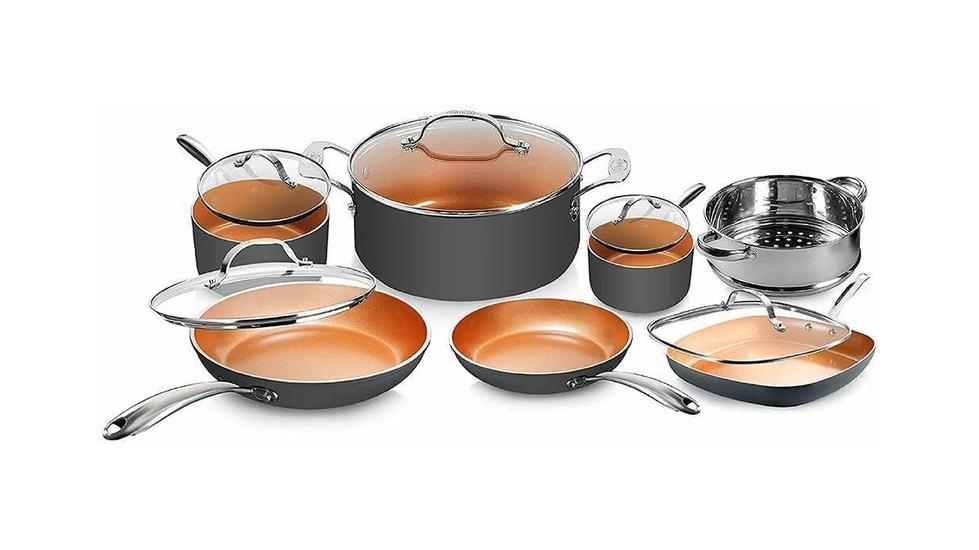
Copper Cookware And Conductivity
Choosing the right cookware can make cooking easier and more enjoyable. Among various materials, copper stands out for its excellent conductivity. Let’s explore why copper cookware is a top choice for many chefs and how to care for it.
The Conductive Nature Of Copper
Copper is a highly conductive material. This means it heats up quickly and evenly. Foods cook faster and more uniformly in copper pots and pans. This reduces the risk of burning or undercooking your meals.
- Fast heating: Copper cookware reaches the desired temperature quickly.
- Even cooking: Hot spots are less common, ensuring even cooking.
- Sensitive to temperature changes: It cools down just as fast, giving you precise control over cooking temperature.
Caring For Copper Cookware
Copper cookware requires some extra care to maintain its beauty and functionality. Here are simple steps to keep your copper pots and pans in top condition:
- Wash by hand: Always wash copper cookware by hand with mild soap and water.
- Dry immediately: Prevent water spots by drying your cookware right after washing.
- Polish regularly: Use a copper polish to keep the exterior shiny and free from tarnish.
| Care Step | Details |
|---|---|
| Washing | Mild soap and water, by hand. |
| Drying | Immediately to avoid water spots. |
| Polishing | Use copper polish for shine. |
By understanding the conductive nature of copper and following simple care steps, you can enjoy the benefits of copper cookware for years to come.
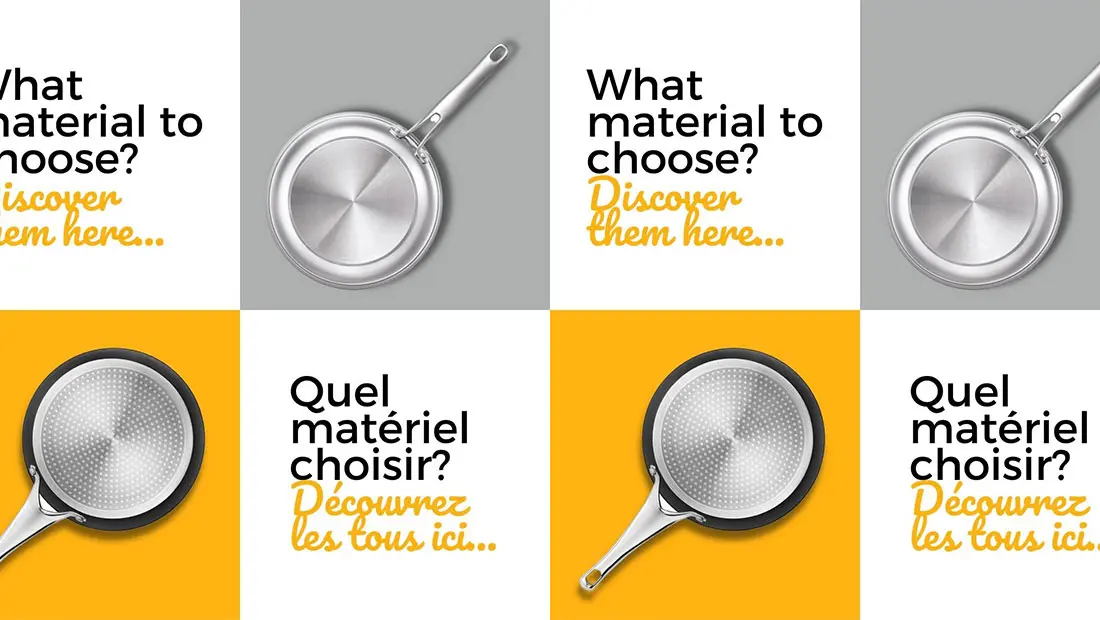
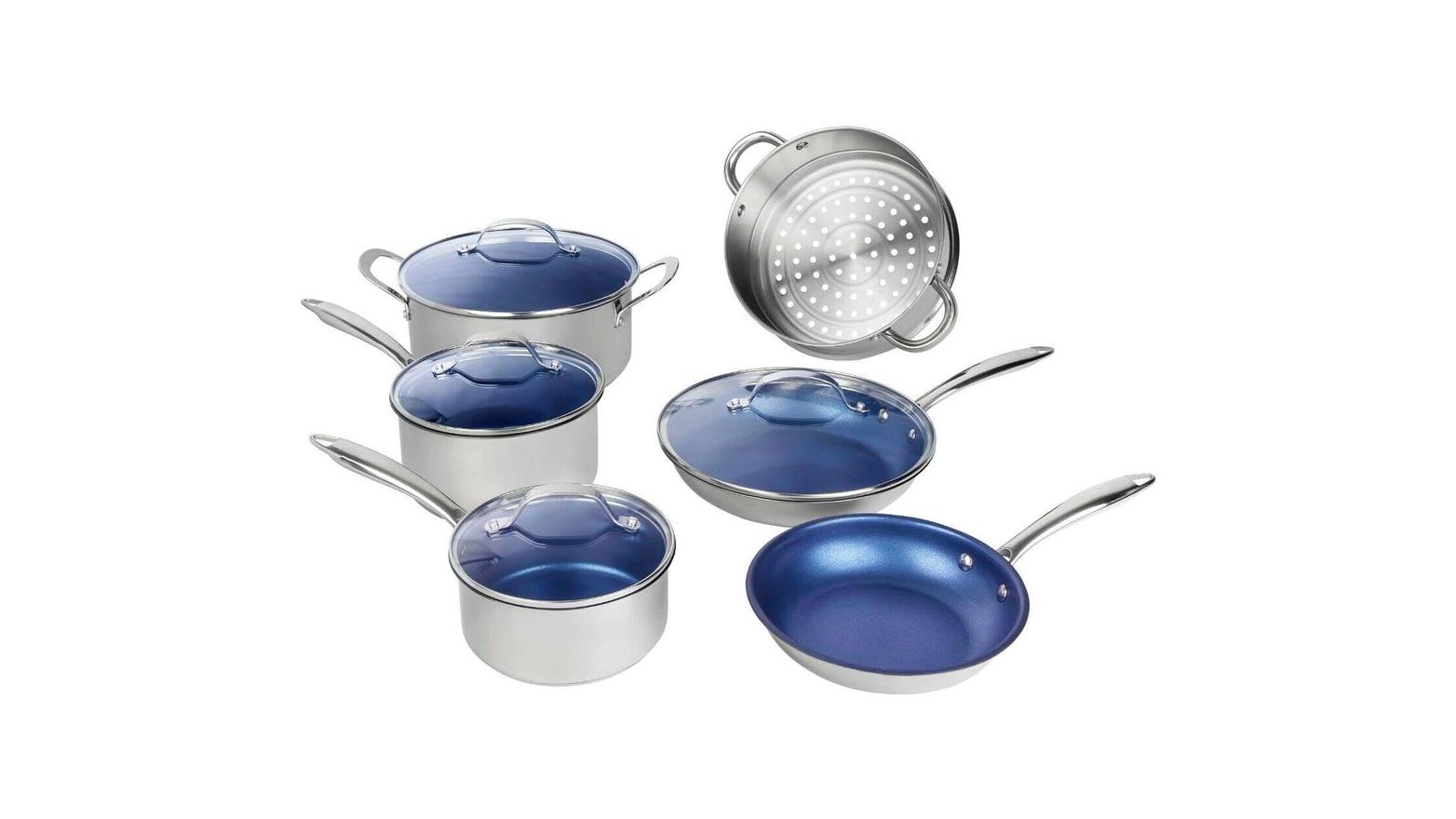
Ceramic Cookware Prospects
Let’s dive into the world of Ceramic Cookware Prospects. This cookware is popular for its unique features. It offers a healthy, non-toxic option for your kitchen. Understanding its characteristics and performance can guide your choice.
Characteristics Of Ceramic Cookware
Ceramic cookware stands out for several reasons:
- Non-toxic: Free from harmful chemicals.
- Non-stick: Easy cooking and cleaning.
- Heat distribution: Cooks food evenly.
- Colorful designs: Beautifies your kitchen.
Durability And Performance Of Ceramic
Ceramic cookware’s lifespan and function depend on care:
| Care Tip | Impact |
|---|---|
| Use on low to medium heat | Prevents damage |
| Hand wash gently | Extends life |
| Avoid metal utensils | Prevents scratches |
Proper care ensures ceramic cookware performs well for years.
Credit: www.starfrit.com
Glass And Silicone Alternatives
When choosing cookware materials, glass and silicone offer unique benefits. They are popular among health-conscious cooks. Let’s explore these alternatives.
Using Glass In The Kitchen
Glass cookware stands out for its non-reactive nature. Foods keep their true flavors. It’s also oven-safe and microwave-friendly. Here are some points to consider:
- Heat Retention: Glass holds heat well, keeping food warm.
- Visibility: See your food as it cooks, no lid-lifting needed.
- Cleaning Ease: Glass cleans easily, often dishwasher-safe.
Remember, glass can break if dropped or exposed to temperature shocks. Always handle with care.
Flexibility Of Silicone Cookware
Silicone cookware is a modern chef’s ally. It’s flexible and non-stick. See why it’s a good choice:
- High Heat Resistance: Silicone withstands up to 600°F (316°C).
- Versatile Shapes: From muffin cups to baking mats, options abound.
- Compact Storage: Roll or fold silicone items, saving space.
Silicone is also freezer safe and easy to clean. Yet, it may hold odors after strong-flavored foods. Rinse well to maintain freshness.
Evaluating Cookware For Your Cooking Style
Choosing the right cookware is crucial for any kitchen. Understanding your cooking style helps make the right decision. Whether you stir-fry frequently or simmer sauces, matching your pots and pans to your cooking habits improves results and efficiency. Let’s dive into evaluating cookware based on different cooking techniques and dietary needs.
Matching Cookware To Cooking Techniques
Different dishes require unique cooking methods. Select cookware that complements these techniques to enhance your cooking experience.
- For searing and browning: Choose heavy-duty materials like cast iron or stainless steel.
- Slow cooking and simmering: Opt for pots with thick walls and bottoms, such as Dutch ovens.
- Quick stir-frying: Woks and pans with sloped sides work best.
- Delicate foods and sauces: Non-stick or anodized aluminum pans offer gentle heat.
Special Considerations For Different Diets
Your diet may influence cookware choices. Consider materials that suit your nutritional preferences.
| Diet Type | Recommended Cookware Material |
|---|---|
| Low-fat diets | Non-stick surfaces reduce the need for oil. |
| High-heat cooking | Cast iron and stainless steel can withstand high temperatures. |
| Plant-based diets | Ceramic cookware is free from animal by-products. |
| Meal preppers | Multi-use cookware like pressure cookers save time. |
Eco-friendly And Sustainable Options
Choosing the right cookware is crucial for healthy cooking. Eco-friendly options are not only better for the environment but also for your well-being. Let’s explore green choices that balance sustainability with performance in the kitchen.
Green Cookware Choices
Sustainable cookware reduces environmental impact. Materials like ceramic, cast iron, and stainless steel are top picks. They do not release harmful chemicals and use less energy over time.
- Ceramic: Natural and emits less CO2 during production.
- Cast Iron: Highly durable and improves with age.
- Stainless Steel: Recyclable and long-lasting.
Longevity And Recyclability
The lifespan of cookware matters for sustainability. Long-lasting items reduce waste. Materials that can be recycled add eco value.
| Material | Longevity | Recyclability |
|---|---|---|
| Cast Iron | Decades | Yes |
| Stainless Steel | Years to decades | Yes |
| Ceramic | Several years | Depends on type |
Choose cookware that stays strong over time. Check if you can recycle it after use. This way, you support the planet’s health and your own.
Price Vs. Quality In Cookware
Choosing the right cookware can be a tough decision. It’s a balance between how much you’re willing to spend and the quality you expect. Many wonder if a higher price means better cookware. Let’s explore this balance to make a smart choice for your kitchen.
Balancing Budget And Performance
Think about your cooking needs. Are you a casual cook or a culinary enthusiast? Set a budget that fits your lifestyle. Cookware comes in various materials, each with pros and cons.
- Stainless steel is durable and resists corrosion.
- Cast iron offers excellent heat retention.
- Non-stick provides easy cleanup.
Compare prices and features. A mid-range set might offer the best of both worlds.
Investing In Long-term Value
Quality cookware lasts longer. It can be cost-effective over time. Look for pieces with solid construction and warranty. Brands known for durability might cost more upfront. Yet, they save money by avoiding frequent replacements.
| Material | Longevity | Initial Cost |
|---|---|---|
| Copper | High | Higher |
| Aluminum | Medium | Lower |
| Carbon Steel | High | Medium |
Consider cookware an investment. High-quality pots and pans improve cooking results. They also reduce the need for costly upgrades.
Care And Maintenance Of Cookware
Proper care extends cookware life and maintains performance. Clean correctly and store wisely. This ensures lasting quality. Follow these tips for best results.
Cleaning And Storage Tips
- Wash promptly after use to avoid food stains.
- Use gentle detergents and soft sponges.
- Avoid abrasive cleaners on non-stick surfaces.
- Dry completely before storing to prevent rust.
- Stack with liners to protect surfaces.
Correct storage is as crucial as cleaning. Hang pans or use shelf organizers. This prevents scratches and damage.
Extending The Life Of Your Cookware
- Season cast iron regularly to maintain non-stick properties.
- Use wooden or silicone utensils to avoid scratches.
- For stainless steel, avoid sudden temperature changes.
- Hand wash premium pieces instead of using a dishwasher.
- Follow manufacturer’s instructions for specific materials.
Maintain with care and your cookware will serve delicious meals for years. Remember, good practices ensure lasting performance.
Conclusion: Making An Informed Decision
Your journey through the maze of cookware materials ends here.
Let’s recap the essentials and embrace your cooking style.
Summarizing Key Considerations
- Heat Conductivity – Some metals are better heat conductors.
- Durability – Certain materials withstand more wear and tear.
- Reactivity – Some metals react with acidic foods.
- Maintenance – Think about the care different materials need.
- Price – Costs can vary widely across different materials.
Embracing Personal Preferences
Consider your cooking habits and kitchen routines.
Choose what feels right for your home and family.
Trust your instincts and enjoy the culinary journey.

Credit: www.rei.com
Frequently Asked Questions
What Is The Best Type Of Cookware Material?
The best cookware material varies by need; stainless steel offers durability, nonstick provides easy cleaning, and cast iron ensures even heating.
What Is The Healthiest Type Of Cookware To Use?
The healthiest cookware options include stainless steel, cast iron, and ceramic-coated pieces due to their stability and low toxicity when heated.
How Do I Know What Cookware To Buy?
To select the right cookware, consider your cooking habits, preferred materials (like stainless steel or non-stick), and budget. Check reviews for durability and performance. Ensure compatibility with your stove type. Prioritize sets that offer versatile pieces for different cooking needs.
Which Material Is Best For Cooking?
The best material for cooking depends on your needs. Stainless steel offers durability and even heat distribution. Cast iron retains heat well, ideal for searing and frying. Non-stick surfaces provide easy cleanup, suitable for low-fat cooking. Choose based on your cooking style and maintenance preference.
Conclusion
Selecting the right cookware material enhances your cooking experience and food quality. Prioritize safety, compatibility with your cooking methods, and maintenance ease. Remember, the best choice varies for everyone, aligning with personal culinary needs. Embrace your inner chef and choose wisely for a rewarding kitchen journey.
Happy cooking!

Leave a Reply