
Have you ever noticed your favorite frying pan sticking even after a good scrub, or perhaps your pots looking a bit dull and worn? It’s a common kitchen experience that many of us face. Knowing how often to
Understanding Cookware Lifespans
Cookware doesn’t last forever, and understanding its typical lifespan is key to maintaining a functional kitchen. Different materials and types of cookware have varying durability. Factors like how you use them, how you clean them, and the quality of the original product all play a significant role in how long they will serve you well.
Keeping an eye on these signs will prevent you from dealing with damaged or ineffective tools at the worst possible moment.
Nonstick Pans
Nonstick pans are a favorite for their easy cleanup and ability to cook delicate foods without sticking. However, their nonstick coating is not permanent. Over time and with use, this coating can degrade, scratch, or peel.
- Signs of wear include food sticking despite proper care, scratches on the surface, or bubbling and peeling of the coating. These indicate that the pan’s nonstick properties are compromised and it’s time for a replacement.
- Generally, a good quality nonstick pan should last between 2 to 5 years with regular use. Cheaper pans might need replacing sooner, often within a year or two.
- Using metal utensils on nonstick surfaces is a common mistake that drastically shortens their life. Always opt for silicone, wood, or plastic utensils.
Stainless Steel Cookware
Stainless steel is a durable and popular choice for cookware. It’s resistant to rust and warping, making it a long-term investment for many kitchens. However, even stainless steel can show signs of wear.
- Look for significant discoloration, warping of the base which can lead to uneven heating, or deep scratches that affect performance. Minor scratches are usually cosmetic and don’t impact function.
- High-quality stainless steel cookware can last for decades, often 10 to 20 years or even longer. The handles might loosen before the pot or pan itself is unusable.
- Proper cleaning, avoiding abrasive scrubbers, and allowing cookware to cool before washing can help maintain its finish and integrity for years.
Cast Iron Cookware
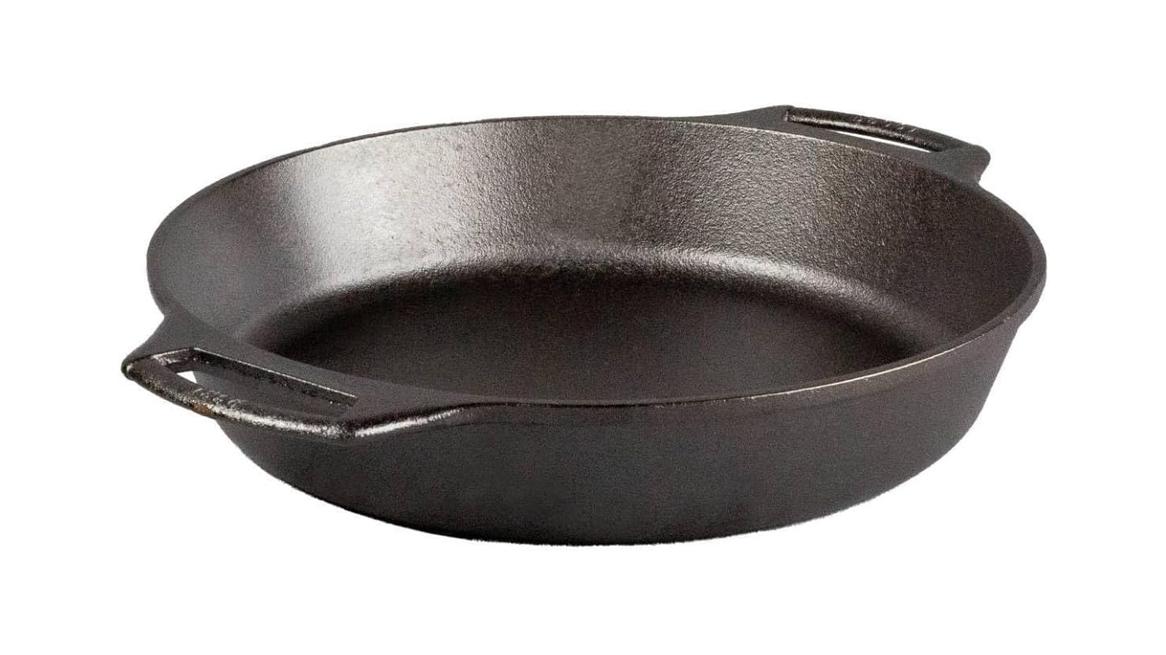
Cast iron cookware is known for its exceptional durability and heat retention. When cared for properly, it can be passed down through generations. Its lifespan is measured in decades, not years.
- Rust is the main enemy of cast iron. If you see significant rust, it needs to be treated and the pan re-seasoned. If the rust is extensive and has eaten away at the metal, it might be beyond repair.
- Cracks or chips in the cast iron are also signs that the cookware is no longer safe or effective and needs replacement.
- With consistent seasoning and proper maintenance, cast iron can last 50 years or more. Neglect, however, can lead to its premature demise.
Enameled Cast Iron
Enameled cast iron combines the heat properties of cast iron with a protective, easy-to-clean enamel coating. This coating is more prone to damage than bare cast iron.
- Chipping or significant cracking of the enamel is a primary indicator that it’s time to replace. This can expose the cast iron underneath and lead to rusting or affect food safety.
- These pieces can last for 10 to 15 years or longer if the enamel remains intact and is treated with care.
- Avoid using metal utensils or abrasive cleaners that can scratch the enamel. Thermal shock, like plunging a hot pan into cold water, can also damage the coating.
Factors Affecting Cookware Longevity
Several elements influence how long your pots and pans will last. It’s not just about the material; your habits in the kitchen make a big difference. Understanding these factors allows you to extend the life of your current cookware and make informed decisions when purchasing new items.
Cooking Habits and Techniques
How you cook directly impacts your cookware. High heat, aggressive stirring, and improper use can all lead to faster wear.
- Constantly using very high heat on nonstick surfaces can degrade the coating more quickly. For stainless steel, rapid temperature changes can cause warping.
- Using metal utensils on surfaces not designed for them, like nonstick or enameled coatings, will cause scratches and damage. This is a common mistake that significantly shortens the life of cookware.
- Allowing food to burn and harden onto the surface, requiring aggressive scraping, will also wear down coatings and finishes.
Cleaning and Maintenance Practices
The way you clean your cookware is just as important as how you use it. Harsh cleaning methods can cause irreversible damage.
- Dishwashers, while convenient, can be harsh on many types of cookware, especially those with special coatings. The high heat and strong detergents can erode nonstick surfaces and dull stainless steel over time.
- Using abrasive scrubbers like steel wool on most cookware will scratch and damage surfaces. This is particularly true for nonstick and enameled finishes.
- Proper drying after washing prevents water spots and potential rust, especially for cast iron. Allowing cookware to air dry can sometimes leave mineral deposits.
Material Quality and Construction
Not all cookware is created equal. The quality of materials used and how the cookware is constructed play a crucial role in its durability.
- Thicker gauge metals tend to be more durable and resist warping better than thinner materials. This applies to both stainless steel and aluminum cookware.
- The way handles are attached matters. Riveted handles are generally more secure and long-lasting than those that are welded or screwed on, which can loosen over time.
- For nonstick cookware, the type and thickness of the nonstick coating are key indicators of its potential lifespan. Higher quality, multi-layered coatings tend to be more durable.
Signs Your Cookware Needs Replacing
Sometimes, the signs that your cookware needs
Nonstick Cookware Indicators
The most common reason for replacing cookware is the failure of its nonstick surface.
- Food sticking persistently to the pan, even when using oil, is the clearest sign that the nonstick coating is gone. This defeats the primary purpose of nonstick cookware.
- Visible damage like scratches, chips, or peeling of the coating are not just unsightly but can also be a health concern if the coating flakes into your food.
- Bubbling or blistering on the surface of the nonstick coating indicates that the coating is separating from the pan, compromising its integrity and safety.
Stainless Steel Cookware Signals
While durable, stainless steel can still show signs of aging that affect its performance.
- Warping of the pan’s base is a significant issue, as it leads to uneven heat distribution. This results in hot spots where food burns and cooler areas where it doesn’t cook properly.
- Deep, pervasive scratches or gouges can harbor food particles and are difficult to clean thoroughly, potentially leading to hygiene concerns.
- Significant discoloration, especially if it cannot be removed with proper cleaning, might indicate that the protective layer has been compromised, affecting how the pan heats.
Cast Iron and Enameled Cookware Warnings
These materials have their own specific warning signs.
- For bare cast iron, extensive and deep rust that cannot be easily removed with scrubbing and re-seasoning suggests significant damage to the metal.
- Cracks or significant chips in the metal of cast iron, or in the enamel coating of enameled cast iron, are serious safety concerns and indicate the need for replacement.
- With enameled cast iron, if the enamel is severely degraded, leaving large areas exposed or flaking, it’s no longer safe or effective for cooking.
When to Replace Specific Cookware Types
Knowing the general lifespan is helpful, but understanding the specific triggers for replacement for each type of cookware ensures you’re not holding onto worn-out items. These timelines are guidelines to help you make the best choices for your kitchen.
Nonstick Pans Replacement Schedule
Nonstick pans have the shortest lifespan of most common cookware. Their performance degrades noticeably over time.
- For everyday use, expect to replace nonstick frying pans every 2 to 3 years. If you use them frequently, this might even be an annual replacement.
- Less frequently used nonstick items, like griddle pans or small saucepans, might last up to 5 years if treated gently.
- If you notice any of the aforementioned signs of wear, such as sticking or coating damage, replace them immediately, regardless of age.
Stainless Steel and Cast Iron Durability
These materials are built to last, but they are not indestructible.
- High-quality stainless steel cookware can easily last 10 to 20 years, and often much longer, with proper care. Replacement is usually due to damage like severe warping or loose handles rather than material wear.
- Cast iron, when properly seasoned and maintained, can last a lifetime and beyond, often 50 years or more. Rust and cracks are the primary reasons for replacement.
- Enameled cast iron typically lasts 10 to 15 years if the enamel coating is preserved. Chips or cracks in the enamel are the main indicators for replacement.
Specialty Cookware Considerations
Some cookware types have unique properties and lifespans.
- Copper cookware, while beautiful and excellent for heat control, can develop dents and scratches over time. If the conductive lining (often tin or stainless steel) is damaged, it may need replacement. They can last 15-20 years or more if well-maintained.
- Ceramic cookware offers a nonstick surface but its durability can vary widely by brand and quality. Many ceramic nonstick surfaces degrade within 1 to 3 years.
- Tempered glass cookware, like Pyrex or Anchor Hocking dishes, can last for decades if not subjected to extreme temperature changes or impact. Cracks or chips are the main reasons for replacement.
How Often to Replace Cookware A Quick Guide
To summarize how often to replace cookware, consider these general timelines. These are estimates and can be affected by usage and care.
| Cookware Type | Estimated Lifespan | Key Replacement Signs |
|---|---|---|
| Nonstick Pans | 2-5 Years | Food sticking, scratches, peeling coating |
| Stainless Steel | 10-20+ Years | Warping, deep scratches, discoloration |
| Cast Iron | 50+ Years | Deep rust, cracks |
| Enameled Cast Iron | 10-15 Years | Chipped or cracked enamel |
| Ceramic Nonstick | 1-3 Years | Loss of nonstick properties, scratches |
Frequently Asked Questions
Question: How often should I replace my nonstick frying pan?
Answer: You should typically replace your nonstick frying pan every 2 to 5 years, depending on its quality and how often you use it. If you notice food starting to stick or see scratches and peeling on the surface, it’s time to replace it sooner.
Question: Can I still use my stainless steel pot if it has minor scratches?
Answer: Yes, minor scratches on stainless steel cookware are usually cosmetic and do not affect its performance or safety. You can continue to use it as long as it is not warped and heats evenly.
Question: What if my cast iron pan has rust?
Answer: A little rust on cast iron can often be removed by scrubbing with steel wool and then re-seasoning the pan. However, if the rust is deep and extensive, it might be a sign that the pan is too damaged to restore.
Question: How do I know if the enamel on my pot is damaged?
Answer: Damage to enamel is usually visible as chips, cracks, or significant flaking of the colored coating. If you see this, the pot is likely no longer safe or effective for cooking and should be replaced.
Question: Should I replace cookware that looks worn but still works?
Answer: It’s best to replace cookware that shows significant signs of wear, such as damaged nonstick coatings or warped bases, even if it still technically “works.” Damaged surfaces can be less hygienic and may affect cooking results.
Summary
Knowing how often to replace cookware means checking for wear like sticking, scratches, or damage. Nonstick pans often need replacing every few years, while stainless steel and cast iron can last much longer. Proper care and cleaning extend their lives.
When in doubt, replace worn items for better cooking and safety.

Leave a Reply