
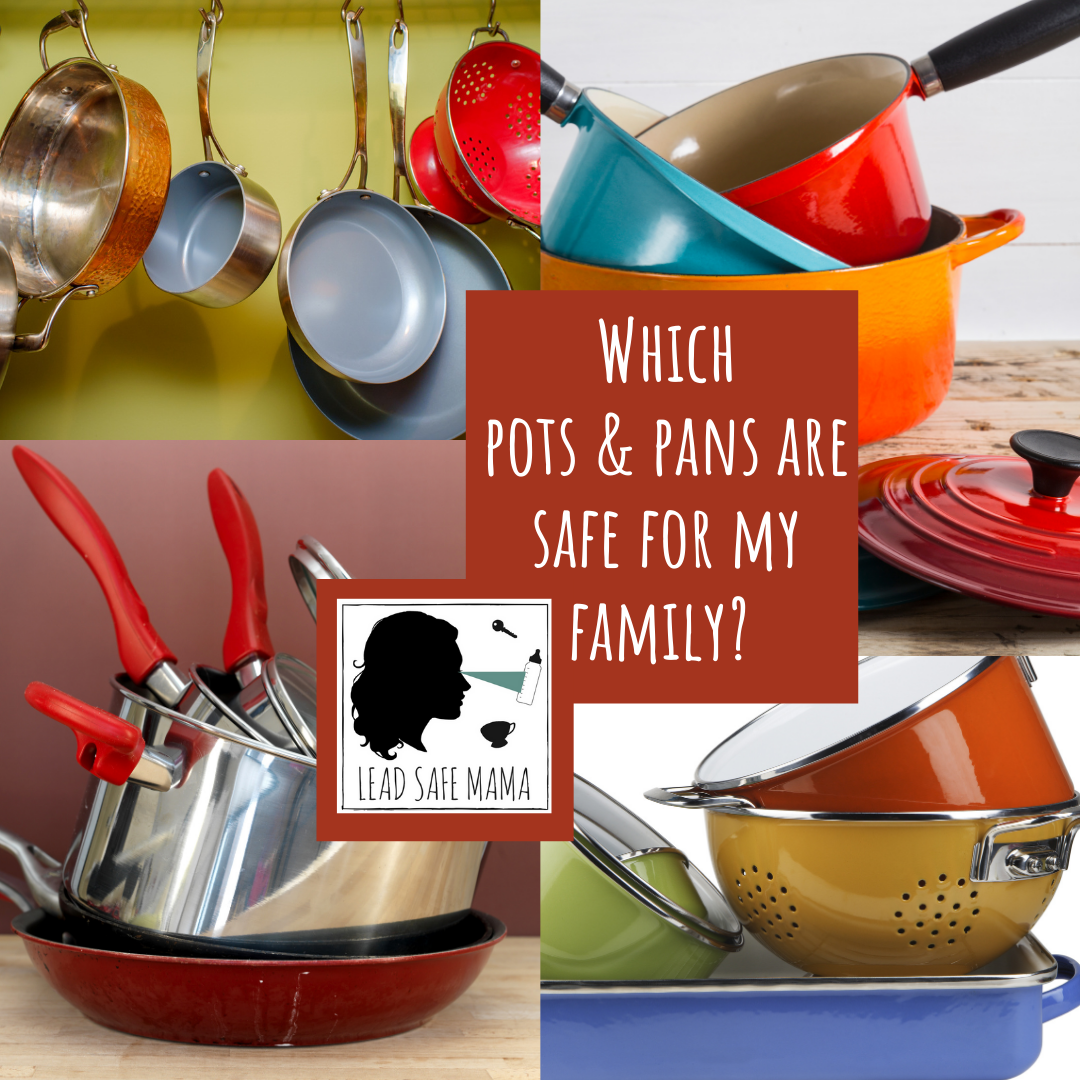
Most home cooks need between 5 to 7 pots and pans to handle everyday cooking tasks efficiently. Whether you're a beginner learning to cook or someone upgrading your kitchen, figuring out the right number of pots and pans can feel overwhelming. There are so many options available, and it's easy to think you need everything on the shelf. However, the truth is simpler than you might expect. The right cookware collection depends on your cooking habits, kitchen space, and the types of meals you prepare regularly. In this guide, we'll walk you through exactly how many pots and pans you actually need, what sizes work best, and how to build a practical collection that makes cooking easier without cluttering your cabinets.

Understanding Your Cooking Needs
Before deciding how many pots and pans you need, take a moment to think about what you actually cook. Do you prepare meals for one person or a family of five? Are you someone who loves making pasta, soups, and stir-fries, or do you stick to simple dishes? Your cooking style directly influences the cookware you'll use most often.
I remember when I first started cooking seriously, I bought a massive set with twelve pieces. Most of them sat unused in my cabinet. It wasn't until I tracked my actual cooking for a few weeks that I realized I only reached for about five items regularly. This personal experience taught me that more isn't always better.
Consider your typical weekly meals, the number of people you cook for, and whether you entertain guests frequently. These factors will guide you toward a collection that works for your lifestyle rather than one that looks impressive but collects dust.

The Essential Pots and Pans You Really Need
The Everyday Essentials
For most home cooks, here's what forms the foundation of how many pots and pans you should have:
Saucepan with Lid
A 2-quart saucepan is your workhorse for boiling pasta, cooking rice, heating soups, and making sauces. This single pan can handle more tasks than you'd think, making it one of the first pieces you should invest in.
Larger Pot with Lid
A 5 to 6-quart pot is essential for boiling large batches of pasta, making stock, or cooking for a crowd. The lid helps retain moisture and heat, saving you time and energy.
Skillet or Frying Pan
A 10 to 12-inch skillet is perfect for sautéing vegetables, cooking meat, frying eggs, and making pan sauces. A nonstick or stainless steel version works well depending on your preference.
Smaller Skillet
An 8-inch skillet handles smaller cooking jobs like warming tortillas, cooking breakfast for one, or toasting nuts. It heats faster than larger pans and uses less oil.
Baking Sheet or Sheet Pan
While technically not a pot or pan in the traditional sense, a baking sheet belongs in every kitchen. Use it for roasting vegetables, baking cookies, and preparing sheet pan dinners.
Dutch Oven
A 5 to 7-quart enameled cast iron Dutch oven is incredibly versatile. It goes from stovetop to oven, making it perfect for braising, baking bread, making chili, and slow-cooking stews.
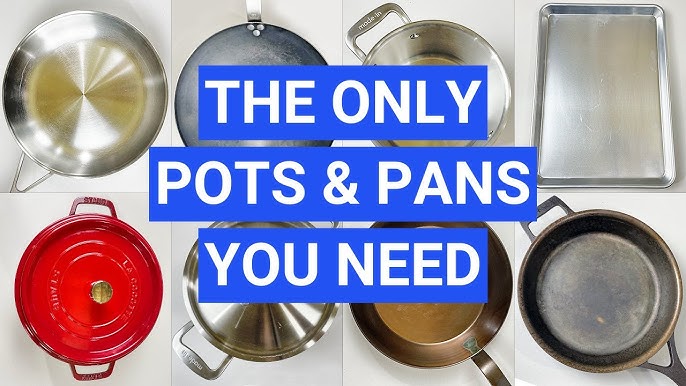
These six items form the backbone of how many pots and pans you need for 90 percent of your cooking. Most home cooks find this collection covers their daily needs without excess.
Building Your Collection by Cooking Level
For Beginners
If you're just starting your cooking journey, begin with the essentials and add gradually. You need a 2-quart saucepan, a larger pot, a 10-inch skillet, and a Dutch oven. This four-piece starter collection handles boiling, simmering, frying, and braising. Don't feel pressured to buy a complete set right away. Start small and add pieces as you discover what you actually need.
For Intermediate Cooks
Intermediate cooks who prepare meals several times per week should consider expanding to include a 8-inch skillet for smaller tasks and perhaps a wok or additional skillet for entertaining. At this level, you're thinking about how many pots and pans help you handle multiple dishes simultaneously. Seven pieces become ideal because you can prep multiple components without constantly washing and reusing the same pan.
For Advanced Home Cooks
Advanced cooks who love experimenting with different cuisines might benefit from specialty pieces. Consider adding a small saucier pan for reduction sauces, a fish poacher, or a paella pan for specific dishes. However, even experienced cooks rarely need more than ten pieces of cookware regularly. Quality matters more than quantity at this level.
Size Matters: Choosing the Right Dimensions
The size of your pots and pans dramatically affects how functional they are for your cooking style. Too small, and you're constantly working in batches. Too large, and food spreads thin and cooks unevenly.
Small Saucepans (1 to 2 quarts)
Use these for heating milk, making small amounts of sauce, or cooking for one. They heat quickly and are easy to handle and store.
Medium Saucepans (2 to 3 quarts)
This is the sweet spot for most households. It's large enough for cooking pasta for two to three people but small enough for efficiency.
Large Pots (5 to 8 quarts)
Essential for pasta water, stock, and bulk cooking, these pots are indispensable if you cook for a family or enjoy meal prep. One large pot usually suffices for most people.
Small Skillets (8 inches)
Perfect for single servings, these heat quickly and are ideal for eggs, grilled cheese, or sautéing small amounts of vegetables.
Medium Skillets (10 to 12 inches)
The most versatile size for everyday cooking, this is what most recipes call for and what most cooks reach for first.
Large Skillets (14 inches)
Useful for cooking for a crowd or sheet pan dinners, but unnecessary if you don't entertain frequently.
When choosing sizes for how many pots and pans you need, think about your actual cooking habits. If you often cook for two, a 10-inch skillet and 2-quart saucepan might be all you need. Families of four or more benefit from the next size up in each category.
Matching Cookware to Your Cooking Style
Different cooking methods require different cookware. Understanding this connection helps you invest wisely in how many pots and pans truly serve your needs.
For Pasta Lovers
If pasta is a staple in your home, invest in one large pot specifically for boiling water and pasta. A 6 to 8-quart capacity ensures you have enough room for pasta to move freely while cooking. You'll also want a colander and a smaller saucepan for heating sauce alongside your pasta water.
For Asian Cuisine Enthusiasts
Woks are fantastic if you regularly make stir-fries, but a large skillet with sloped sides works nearly as well. If you love Asian cooking, consider having two skillets so you can keep proteins warm while finishing vegetables. A wok isn't essential for your how many pots and pans collection unless you cook Asian food several times per week.
For Bakers and Braising Enthusiasts
A Dutch oven becomes your most valuable piece if you love baking bread or making braises. Its even heat distribution and lid make it perfect for these techniques. One quality Dutch oven eliminates the need for multiple heavy pots and pans dedicated to oven cooking.
For Entertaining Frequently
If you regularly cook for guests, consider having multiple skillets and pans so you can cook components simultaneously. Having two 10-inch skillets lets you finish different proteins or vegetables at the right moment, which is impossible with just one. For entertaining, eight to ten pieces of cookware becomes more practical.

Material Matters: Choosing Between Options
The material of your pots and pans affects cooking performance, durability, and maintenance. This choice influences both how many pots and pans you need and how long they'll last.
Stainless Steel
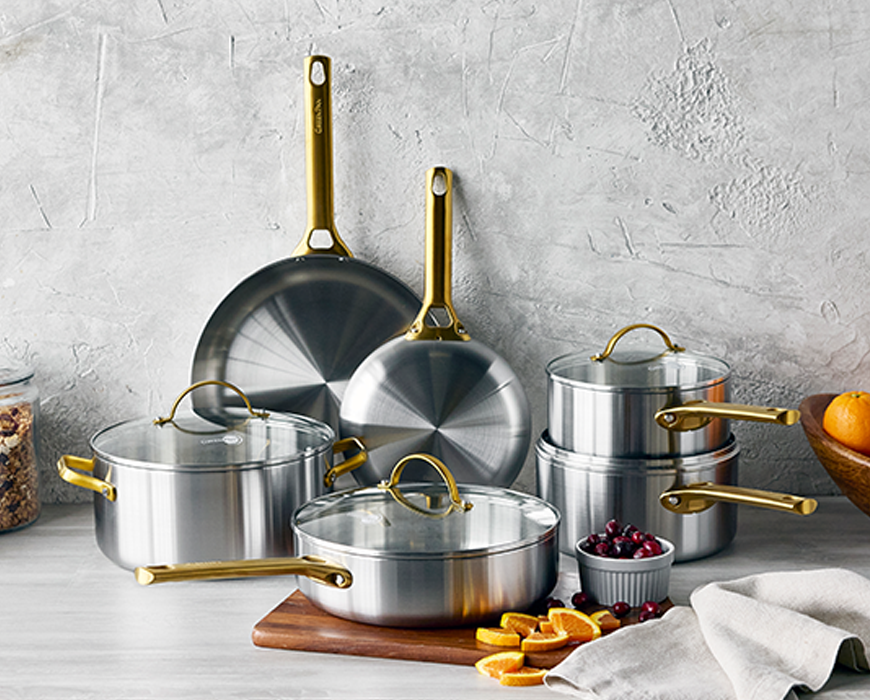
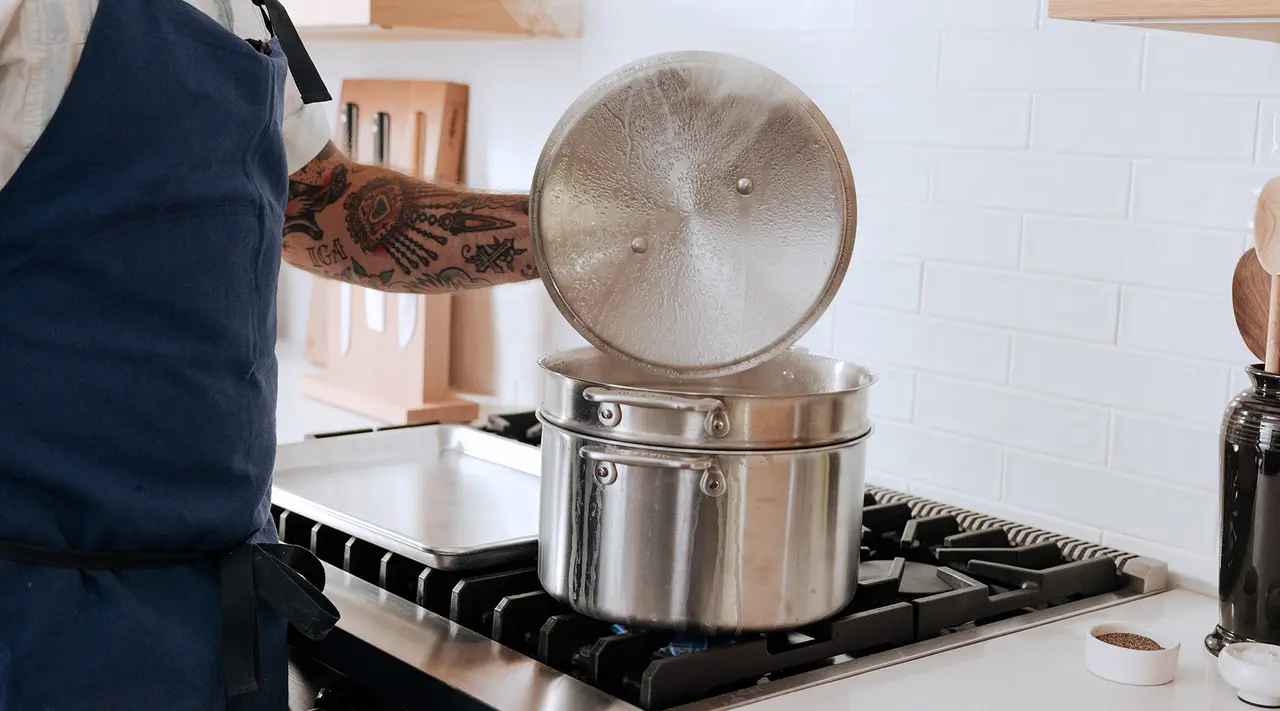
Stainless steel pans are durable, versatile, and work with induction cooktops. They're excellent for searing and browning foods but can stick if not properly heated. Many experienced cooks prefer stainless steel for skillets because of the superior browning ability.
Nonstick
Nonstick cookware requires less oil and makes cooking delicate foods easier. However, nonstick coating wears over time and these pans aren't suitable for high-heat cooking or use with metal utensils. A nonstick 10-inch skillet is useful, but limit your nonstick collection to one or two pieces.
Cast Iron
Cast iron pans last for decades with proper care. They work on any cooktop and provide excellent heat retention. A single 12-inch cast iron skillet can replace multiple stainless steel pans, making it valuable for reducing how many pots and pans you actually own.
Enameled Cast Iron
Dutch ovens typically feature enameled cast iron, which combines cast iron's durability with easier maintenance. The enamel coating prevents rust and eliminates seasoning requirements.
Ceramic and Copper
These premium materials conduct heat beautifully but are expensive and require careful maintenance. They're not necessary for building a practical cookware collection.
The Space Reality: How Many Pots and Pans Fit Your Kitchen
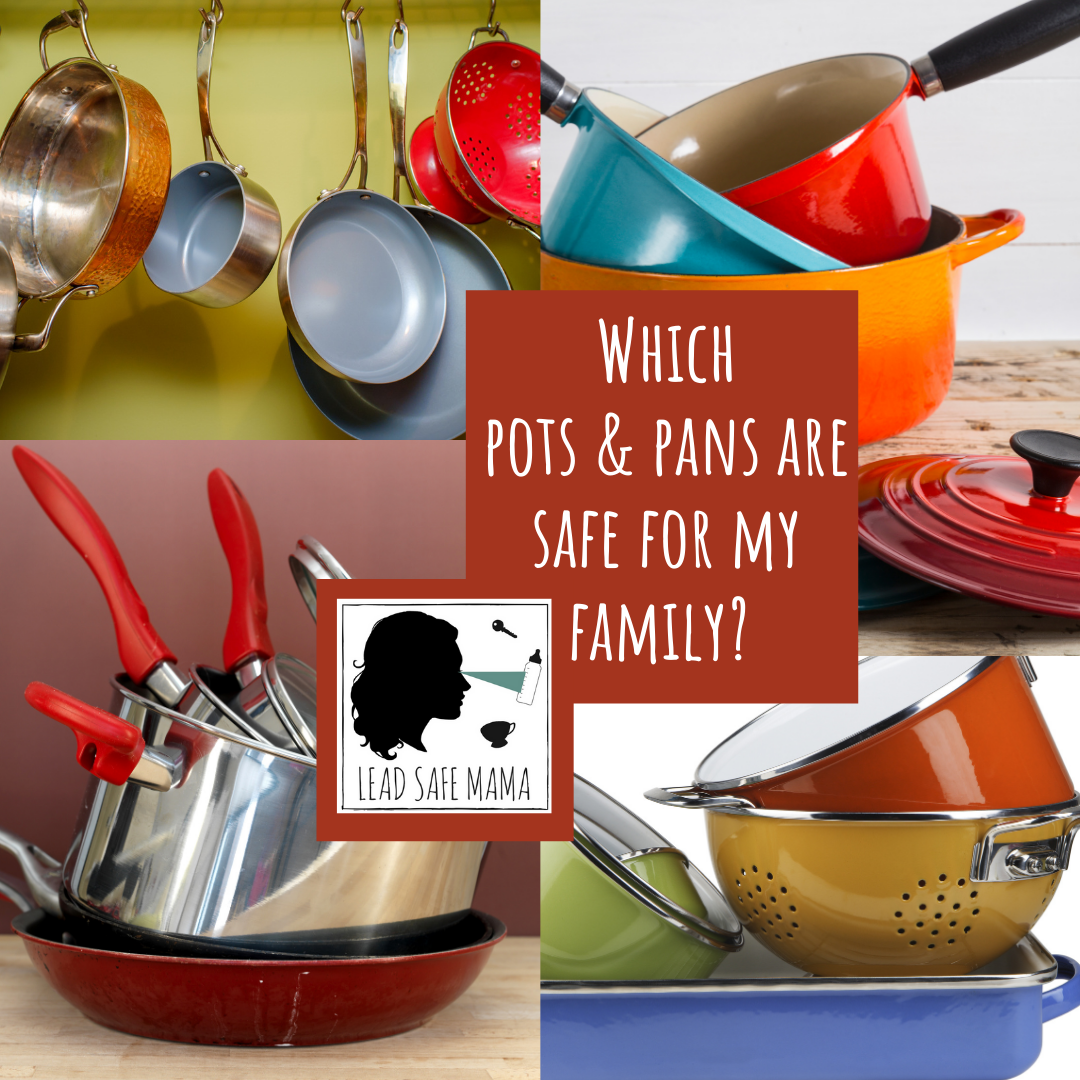
Here's something nobody talks about enough: kitchen storage space genuinely limits how many pots and pans you should own. Even if you wanted ten pieces, where would you keep them?
I learned this lesson when I moved into an apartment with limited cabinet space. My beautiful twelve-piece cookware set didn't fit, and I realized I was keeping pieces I never used just because they came with the set. This experience shifted my perspective on cookware completely.
Measure your cabinet space and honestly assess how many pieces you can store comfortably. If your pans are stacked so high they topple when you open the cabinet, you have too many. Aim to store your cookware where you can see each piece and access it easily. This practical consideration should influence your answer to how many pots and pans you need.
Consider these storage solutions:
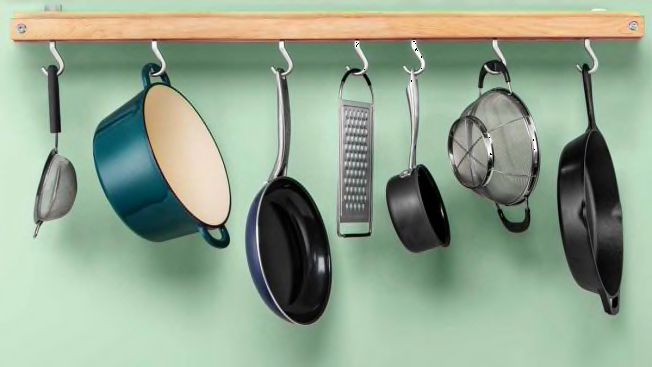
• A hanging rack above the stove can hold four to six pieces while freeing cabinet space
• Vertical dividers in a cabinet keep pans from stacking excessively
• Nesting pans save space but make accessing the bottom piece inconvenient
• A separate cabinet drawer dedicated to cookware prevents searching through multiple spaces

Budget-Friendly Approach to Building Your Collection
You don't need expensive cookware to cook well. In fact, I've had better results with mid-range stainless steel pans than with some premium brands. The secret is choosing quality over quantity when your budget is limited.
Here's how to build a practical cookware collection on a budget:
Start with One Quality Piece
Buy a single well-made 10-inch skillet from a reputable brand. Use it for everything until you identify what else you actually need.
Add Gradually Over Time
Instead of buying a set, purchase individual pieces as you discover you need them. This approach prevents owning unnecessary cookware and spreads the cost.
Invest in Versatile Pieces
A Dutch oven and a large pot serve multiple purposes, so they offer better value than specialty pans.
Watch for Sales
Quality cookware goes on sale during holidays and special events. Being patient with purchases allows you to invest in better pieces for the same price.
Avoid Cookware Sets
Sets always include pieces you won't use, making them wasteful. Buying individually ensures every pan in your collection serves your actual needs.
The number of pots and pans you need doesn't correlate with how much money you spend. A five-piece collection of quality cookware outperforms a twenty-piece budget set every time.
The Problem with Cookware Sets
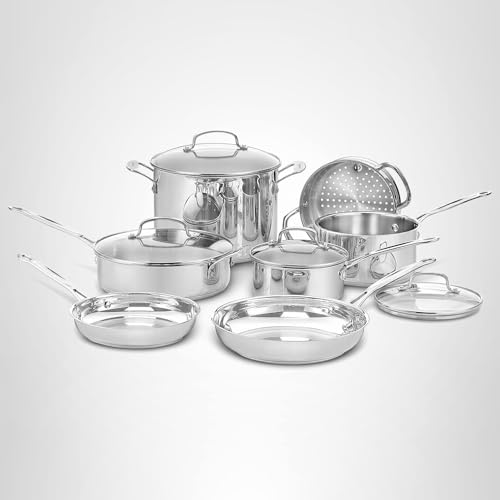
Cookware sets are marketed as solutions that eliminate the guesswork of building a collection. In reality, they're a marketing strategy that often leaves you with unwanted pieces.
Standard cookware sets typically include items like a small saucepan that's too small for most tasks, a stockpot you might never use, and specialty pans that don't fit your cooking style. Sets are designed to appeal broadly, not to match individual needs.
Through personal experience, I've found that buying pieces individually lets you be intentional about every purchase. You end up with cookware you actually use rather than pieces that occupy cabinet space. For most people, this approach results in owning fewer total pans but using each one regularly.
When you see cookware sets advertised, ask yourself: Would I buy each piece individually? If the answer is no, the set isn't right for you, no matter how good the discount appears.
Maintenance and Durability: Protecting Your Investment
The pots and pans you own should last years, not months. Proper care extends their lifespan and ensures you get value from your investment in cookware.
Proper Cleaning
Hand wash most cookware to preserve nonstick coatings and prevent warping. Avoid putting expensive stainless steel or cast iron in the dishwasher. Use soft sponges and avoid abrasive scrubbing that damages the cooking surface.
Seasoning Cast Iron
Cast iron improves with use and develops a natural nonstick patina. Season it regularly with high-heat oil to maintain this protective layer.
Preventing Warping
Allow cookware to cool before washing and avoid shocking hot pans with cold water. Warped bottoms cause uneven cooking and poor heat distribution.
Replacing Nonstick Coatings
Nonstick pans eventually wear out. Plan to replace nonstick skillets every three to five years depending on usage. This is why limiting your nonstick cookware makes sense financially.
Quality cookware that you maintain properly can last a decade or more, justifying the initial investment. This durability means how many pots and pans you need stays relatively constant over time.
Special Situations: When You Might Need More Cookware
Most home cooks thrive with five to seven pieces, but certain situations justify having more on hand.
Cooking for Large Groups Regularly
If you host dinner parties or cook for extended family frequently, having eight to ten pieces lets you prepare multiple dishes simultaneously. This prevents timing issues where one dish finishes before another is ready.
Food Sensitivity or Dietary Restrictions
If household members have different dietary needs, separate cookware prevents cross-contamination. For example, keeping gluten-free meals in dedicated pans simplifies cooking.
Professional Cooking at Home
Some people run catering businesses or meal prep services from home. These entrepreneurs benefit from having more cookware than casual cooks.
Multiple Cooking Methods
If you regularly use your stovetop, oven, and grill for different components of a meal, extra pieces reduce prep time and cleanup time between components.
Limited Dishwashing Opportunities
If you dislike washing dishes, having more pans means you can cook multiple meals before facing a sink full of dishes. However, this isn't a practical approach since unwashed cookware eventually attracts bacteria and becomes unusable.
Upgrading Your Cookware: When to Replace and Improve
As your cooking skills develop, you might want to upgrade your cookware collection. Knowing when to upgrade helps you invest in improvements that genuinely enhance your cooking.
Signs You Need Upgrades
Upgrade when your current cookware shows these signs:
• Food sticks despite proper technique and adequate oil
• Bottoms are visibly warped or dented
• Handles are loose or uncomfortable to grip
• Nonstick coating is peeling or flaking
• Heat distributes unevenly across the cooking surface
Strategic Upgrade Approach
Instead of replacing everything, upgrade one piece at a time. If your 10-inch skillet no longer performs well, replace it with a better option. This gradual approach lets you invest in quality without overwhelming your budget.
From Good to Great
Moving from budget cookware to mid-range or premium options can transform your cooking experience. Better heat distribution means more even cooking. More durable materials mean fewer replacements. Quality handles that stay cool make cooking more comfortable.
Many home cooks find that investing in one excellent pan beats owning ten mediocre ones. This philosophy guides smart upgrades to your cookware collection.
Frequently Asked Questions
What is the minimum number of pots and pans I absolutely need?
You can technically cook with just one large pot and one skillet, but having a saucepan and Dutch oven in addition gives you much more versatility. A bare minimum collection includes these four pieces to handle boiling, simmering, frying, and braising without constantly rinsing and reusing the same pan.
Is it better to buy a cookware set or individual pieces?
Buying individual pieces is almost always better because you avoid owning cookware you don't need. Sets are designed for broad appeal and always include several pieces most people rarely use, making them wasteful despite appearing to offer value.
How do I know what size pots and pans I actually need?
Think about what you cook most frequently and how many people you typically cook for. A family of four usually needs medium to large sizes, while someone cooking for one or two thrives with smaller options that heat efficiently.
Can I use the same pan for cooking different types of food?
Absolutely, and this is actually the best approach for most home cooks. A stainless steel skillet handles everything from eggs to fish to steaks, making it incredibly versatile. The only exception is keeping separate cookware for allergen concerns.
How often should I replace my pots and pans?
Quality cookware can last ten to twenty years with proper care. Nonstick pans typically need replacing every three to five years as the coating degrades. Rather than replacing everything at once, replace individual pieces as they wear out or fail to perform well.
What makes a good quality pot or pan worth the investment?
Quality cookware has even heat distribution, durable construction, comfortable handles, and performs consistently over years of use. Good materials like stainless steel or cast iron justify higher prices because they last longer and cook better than budget options.
Do I need special pans for an induction cooktop?
Induction cooktops require cookware made from ferrous metals like stainless steel or cast iron. Aluminum and copper don't work on induction unless they have a stainless steel base. If you have or plan to get an induction cooktop, verify that your cookware is induction-compatible.
Conclusion
The answer to how many pots and pans you need is simpler than the overwhelming cookware aisle suggests: most home cooks thrive with five to seven well-chosen pieces. These essential items handle boiling, simmering, sautéing, and braising—the fundamental cooking methods that produce the meals you actually eat. Your specific number depends on your cooking habits, family size, kitchen space, and how frequently you entertain.
Rather than focusing on quantity, invest in quality pieces that match your cooking style. A single excellent 10-inch skillet outperforms three mediocre ones. A durable Dutch oven eliminates the need for multiple heavy pots. This quality-focused approach not only produces better results but also respects both your budget and your cabinet space.
Start by identifying the essential pieces your cooking requires, then gradually add more only when you discover genuine gaps in what you can prepare. This intentional approach builds a cookware collection you actually use instead of one that frustrates you every time you open the cabinet. Your kitchen will feel more organized, your cooking will improve, and your meals will taste better when you're working with cookware that genuinely serves your needs.

Leave a Reply