
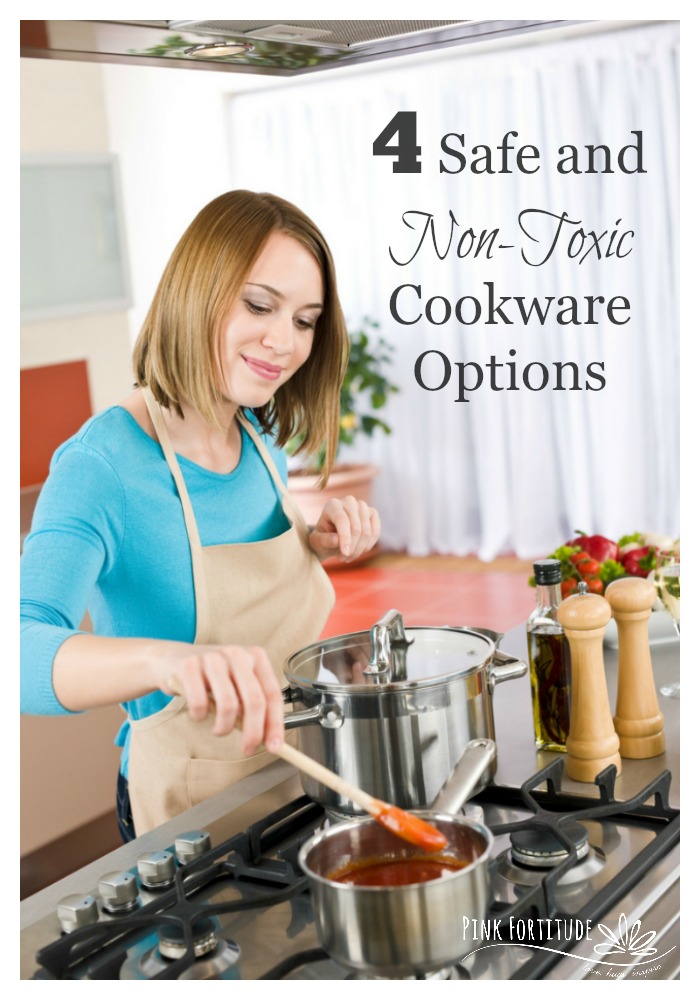
Choosing the right cookware is one of the most important decisions you'll make for your kitchen health. Whether you're concerned about harmful chemicals leaching into your food or simply want to make smarter cooking choices, understanding healthy cookware alternatives can transform how you prepare meals. Most conventional non-stick and aluminum cookware release potentially dangerous substances when heated, making the switch to safer options more important than ever. Throughout my years of cooking and kitchen experimentation, I've discovered that investing in quality, health-conscious cookware doesn't just protect your family—it actually improves your cooking experience and food quality. Let me walk you through everything you need to know about healthy cookware alternatives, from why they matter to how to choose the best options for your kitchen.
:max_bytes(150000):strip_icc()/fw-public-health-expert-lead-leaching-cookware-tout-dd877f4ee40e4548a50b41db1016a748.jpg)
Why Cookware Matters for Your Health
The cookware you choose directly impacts what ends up on your plate. Traditional non-stick pans coated with PTFE (polytetrafluoroethylene) release harmful fumes when heated above certain temperatures, and their coating can flake into your food over time. I've personally witnessed families dealing with health issues they didn't realize were connected to their cookware choices. Aluminum cookware can also leach into acidic foods, potentially accumulating in your body over years of use. Understanding these risks is the first step toward making informed decisions about healthy cookware alternatives that keep your food safe and clean.
The science behind cookware safety isn't complicated—it's about knowing which materials withstand heat without degrading or releasing chemicals. When you heat conventional cookware, you're essentially playing with fire in ways you might not see or feel immediately. The cumulative effect of exposure to these substances can contribute to inflammation, hormone disruption, and other health concerns that develop quietly over time.

Top Healthy Cookware Materials to Consider
Stainless Steel Cookware
Stainless steel stands as one of the most reliable healthy cookware alternatives available today. This durable material doesn't react with acidic or alkaline foods, doesn't leach chemicals, and can handle high heat without breaking down. Quality stainless steel pans last for decades, making them an investment that pays off over time. I've used the same stainless steel skillet for over fifteen years, and it performs as well today as the day I bought it.
The main drawback is that stainless steel doesn't conduct heat as evenly as some other materials, which means you'll need to learn proper techniques to avoid hot spots. Look for cookware with a copper or aluminum core sandwiched between stainless steel layers—this creates the perfect balance between safety and performance. Many professional chefs prefer stainless steel precisely because it offers reliability without any health concerns.
Cast Iron Cookware
Cast iron represents a return to trusted, time-tested healthy cookware alternatives that your grandmother likely used. When properly seasoned, cast iron develops a natural non-stick surface through accumulated layers of polymerized oil. This material actually improves with age, becoming more effective and more valuable over time. Cast iron can be heated to extremely high temperatures without any risk of chemical release.
One genuine benefit of cast iron is that it adds small amounts of iron to your food, which can be helpful for people with iron deficiencies. However, cast iron requires regular maintenance—you need to season it properly and avoid prolonged exposure to moisture. I learned this lesson the hard way when I left a cast iron pan wet in my sink overnight and watched rust begin to form. With proper care and attention, though, cast iron cookware becomes one of the healthiest and most rewarding investments you can make.
Ceramic Cookware
Ceramic-coated cookware offers a modern take on healthy cookware alternatives that combines non-stick properties with safety. The ceramic coating is made from inorganic materials that don't contain PTFE or PFOA (perfluorooctanoic acid), making it a genuinely safer option than traditional non-stick pans. Ceramic cookware handles moderate to high heat well and cleans up easily. The cooking surface feels more durable than you might expect from something that looks so smooth.
The limitation with ceramic cookware is that the coating can eventually chip or wear down with heavy use. You'll need to handle ceramic pans more gently than you would stainless steel or cast iron, and replace them when the coating degrades. When I switched to ceramic cookware for everyday cooking, I appreciated how easy it was to use, though I noticed after two years that the non-stick surface wasn't quite as effective as it was initially. Still, for people who want the convenience of non-stick cooking without the health risks, ceramic offers a solid middle ground.
Stoneware and Bakeware
Clay-based stoneware and ceramic bakeware represent some of the safest healthy cookware alternatives for baking and roasting. These materials distribute heat evenly, promote browning, and don't release any harmful substances. Stoneware can be used on the stovetop, in the oven, and even over open flames once properly seasoned. Many home cooks find that stoneware produces superior baking results compared to metal pans.
The care requirements for stoneware differ from other cookware types—you should hand wash and season it like cast iron to maintain its performance. Stoneware also breaks if dropped or exposed to sudden temperature changes, so it demands careful handling. I've found that stoneware is perfect for baking bread and slow-cooking dishes, where its heat retention properties really shine. The investment in quality stoneware pays off through years of reliable use and noticeably better cooking results.
Glass Cookware
Borosilicate glass cookware provides a clear window into what you're cooking while maintaining absolute safety. Glass is chemically inert, meaning nothing leaches into your food regardless of temperature. You can see exactly how your food is cooking, which makes timing easier and helps prevent over or undercooking. Glass also transitions seamlessly from stovetop to oven to table.
The main challenge with glass cookware is that it heats up more slowly than metal alternatives and doesn't brown food as effectively. Glass is also susceptible to thermal shock—sudden temperature changes can cause it to crack or shatter. In my experience, glass cookware works best for simmering sauces, boiling pasta, and oven cooking rather than high-heat stovetop cooking. It's especially valuable for serving dishes directly from oven to table, keeping food warm while looking beautiful.

Avoiding Harmful Cookware Materials
Understanding what to avoid is just as important as knowing what to choose when selecting healthy cookware alternatives. Non-stick pans coated with PTFE start degrading around 500°F, releasing fumes that can be harmful to humans and toxic to pet birds. PFOA, used in manufacturing some non-stick coatings, is a persistent chemical linked to health concerns that accumulate in your body over time.
Uncoated aluminum cookware can leach into your food, especially when cooking acidic foods like tomato sauce or lemon juice. Some aluminum cookware manufacturers add an anodized coating to prevent leaching, but even this isn't foolproof. I learned to avoid aluminum entirely when I switched to healthier alternatives and noticed my food tasted fresher and cleaner. Cheap cookware with unclear material composition should raise red flags—quality matters when it comes to what you cook in daily.
Non-stick cookware marketed as "forever chemicals" often contains PFAS (per- and polyfluoroalkyl substances), which don't break down in your body or the environment. These synthetic chemicals accumulate over time and have been linked to various health issues. Reading labels carefully and researching manufacturers helps you avoid these problematic materials.

Practical Tips for Switching to Healthy Cookware Alternatives
Transitioning to healthy cookware alternatives doesn't require replacing everything at once. Start by identifying which pans you use most frequently—those are the priorities for replacement. Your everyday skillet and saucepan matter more than specialty cookware you use occasionally. I started by replacing my primary non-stick skillet with a ceramic version and gradually added stainless steel and cast iron pieces as my budget allowed.
Invest in quality pieces rather than buying multiple cheap items. A good stainless steel pan costs more upfront but lasts for decades, while cheap cookware needs replacing every few years. Building a diverse cookware collection gives you options—stainless steel for high-heat cooking, cast iron for stovetop to oven transitions, and ceramic for everyday convenience. Consider your cooking style and choose materials that match your needs and habits.
Proper care extends the life of healthy cookware alternatives significantly. Learn the specific cleaning and maintenance requirements for each material you own. Avoid metal utensils on ceramic surfaces, keep cast iron dry, and hand wash specialty cookware when possible. Using appropriate cookware for different tasks—heavy-duty stainless steel for searing, ceramic for gentle simmering—ensures everything lasts longer and performs better.
Cost Considerations and Budget-Friendly Options
Switching to healthy cookware alternatives requires an upfront investment, but the long-term savings are real. A quality stainless steel pan costs thirty to fifty dollars but lasts twenty years or more. Replacing cheap non-stick cookware every two years actually costs more money over time while exposing you to health risks. When you calculate the true cost per use, healthy cookware alternatives become surprisingly economical.
Budget constraints are real, and you don't need to overhaul your entire kitchen immediately. Start with one or two essential pieces that handle most of your cooking needs. A large stainless steel skillet and a cast iron Dutch oven cover an enormous range of cooking tasks. Many families find that building slowly toward a complete set of healthy cookware alternatives is more manageable than trying to replace everything at once.
Look for sales, second-hand options, and quality brands that offer good value. Stainless steel cookware sets sometimes go on sale, and cast iron cookware from reputable manufacturers remains reasonably priced. I've found that waiting for quality sales helps build a collection without straining the budget. Vintage cast iron from thrift stores or antique shops often costs less than new cookware and performs beautifully with proper seasoning.

Making the Transition Easier
One effective approach is dedicating one day to researching the best healthy cookware alternatives for your cooking style. Think about what dishes you make most often and which cookware would serve those meals best. Someone who bakes frequently will prioritize different materials than someone who primarily uses the stovetop. Understanding your cooking habits helps you make smarter decisions about which materials to invest in first.
Don't feel pressured to achieve perfection immediately. Every healthy cookware alternative you add to your kitchen is an improvement over what you had before. Replacing your most-used pan first creates the biggest impact on your health and cooking experience. As you use new cookware, you'll naturally learn which pieces you reach for most often and which perform best for your favorite recipes.
Talk to friends and family about their healthy cookware alternatives experiences. Hearing real stories from people you know helps you understand the practical side of different materials. I've gotten my best cookware recommendations from friends who've used various options for years. Personal recommendations carry more weight than marketing claims when you're deciding what to buy.

Frequently Asked Questions
What is the safest cookware material for everyday cooking?
Stainless steel and cast iron are the safest materials for everyday cooking since they don't leach chemicals and withstand any temperature. Both options are durable, non-reactive, and suitable for most cooking tasks.
Can I use healthy cookware alternatives on induction stovetops?
Stainless steel and cast iron work perfectly on induction cooktops, while ceramic and glass require special induction-compatible bases. Always check product specifications before purchasing if you have an induction stove.
How long does ceramic cookware coating typically last?
Quality ceramic cookware coating usually lasts two to three years with careful use, though it may degrade faster with metal utensils or aggressive scrubbing. The lifespan depends heavily on how frequently you use the cookware and how gently you treat it.
Is vintage cast iron safer than modern cast iron cookware?
Vintage cast iron is often considered superior by collectors because it's typically smoother and more finely finished. Both vintage and modern cast iron are equally safe—the difference is mainly in surface quality and performance rather than health or safety concerns.
Do I need special cleaning products for healthy cookware alternatives?
Most healthy cookware alternatives clean well with simple dish soap and water, though cast iron traditionally avoids soap to preserve seasoning. Each material has specific care recommendations, but nothing requires expensive specialty products.
Are stainless steel cookware with non-stick coatings considered healthy alternatives?
Some stainless steel cookware features ceramic non-stick coatings, which are safer than traditional PTFE coatings. Always verify the coating type before purchasing to ensure it's truly a healthy alternative rather than conventional non-stick technology.
Wrapping It All Together
The journey toward healthier cooking starts with understanding what's in your cookware and how it affects your food. Quality healthy cookware alternatives protect your family from harmful chemical exposure while often improving your cooking results and food quality. Whether you choose stainless steel for its reliability, cast iron for its timeless appeal, ceramic for its convenience, or a combination of materials, you're making a decision that impacts your health daily.
Start today by evaluating your current cookware situation and identifying one piece to replace first. Your everyday skillet or most-used saucepan deserves an upgrade to something that truly supports your health. Each healthy cookware alternative you add builds momentum toward a kitchen that serves your wellbeing. Take action this week—research one type of healthy cookware alternative, check reviews, and plan your first purchase. Your future self will thank you for investing in cookware that cares about your health as much as you do.

Leave a Reply