
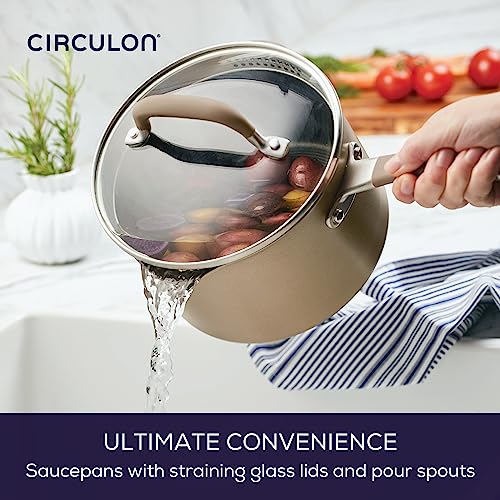
Hard anodized cooks with nonstick ease; stainless steel gives sear, longevity, and high-heat control.
I stood at my stove deciding between hard anodized vs stainless steel cookware after burning a pan of eggs. Both solve common kitchen problems: hard anodized offers easy cleanup and nonstick cooking, while stainless steel gives great sears and durability. I’ve cooked with both sets for months. I’ll share clear, hands-on comparisons, tips, and which one fit my needs so you can pick the best option for your kitchen.
Is Circulon Premier Professional Hard Anodized Nonstick Cookware Good?
Yes — for many home cooks, the Circulon hard anodized set is a solid yes. It shines if you want low-stick cooking, fast cleanup, and even heat without heavy oil. For anyone who cooks eggs, pancakes, or sauces regularly, it reduces fuss and waste. It depends if you need high-heat searing or plan to cook in very hot oil; then stainless steel may be better. Overall, I find this hard anodized cookware ideal for daily, quick meals and for cooks who value convenience.
I’ve used this hard anodized set for weeknight dinners, and it saved me time. Once, I sautéed peppers and onions with almost no oil and nothing stuck. Another time, I simmered a tomato sauce and wiped it clean with one paper towel. These small wins added up. The cookware still looks good after months, and pans are lighter to lift than my stainless steel set. If you prefer low-maintenance pans, this hard anodized option made my busy evenings easier.

What Makes It Stand Out / Key Features
- Hard anodized aluminum body for even heat and scratch resistance.
- Durable nonstick cooking surface for low-fat cooking and easy release.
- Induction-ready base on many pieces for flexible stovetop use.
- Comfort grip handles and tempered glass lids on select pieces.
- Lightweight compared to heavy stainless steel sets.
What I Like
- Food slides off — eggs and pancakes come out cleanly.
- Quick, even warming across the pan surface.
- Cleaning is nearly effortless; often just a rinse or wipe.
- Lighter pans are easier to lift, pour, and store.
- Great for low to medium-heat daily cooking and busy nights.
What Could Be Better
- Not ideal for intense, high-heat searing; finish can degrade over time.
- Nonstick surface needs careful utensils and lower temperatures.
- May show wear if scrubbed with abrasive pads or metal tools.
My Recommendation
Choose this hard anodized set if you want low-stick convenience, lighter pans, and easy cleanup. Good value and widely available.
| Best For | Why |
|---|---|
| Weeknight cooks | Nonstick surface speeds cooking and cleanup. |
| Low-oil diets | Food releases well with little oil. |
| Lightweight handling | Easier to lift than heavy stainless steel pans. |
Is Cuisinart Chef’s Classic 11-Piece Stainless Steel Pots and Pans Set Good?
It depends — stainless steel shines if you want sear, browning, and long life. The Cuisinart Chef’s Classic stainless steel set is a clear yes for cooks who enjoy high-heat cooking and metal utensil use. It’s good for making fond for sauces and for routines that involve oven finishing. If you often cook at very high temps or want a pan that can handle aggressive use, stainless steel is the better pick in the hard anodized vs stainless steel cookware debate.
In my kitchen, stainless steel delivered deep, savory sears that hard anodized couldn’t match. I remember searing a steak and using the browned bits to make a quick pan sauce — the flavor was richer. I also used the stainless pots for boiling and reducing sauces; they tolerated heat and held up to metal spoons. While cleanup took more effort than the hard anodized set, I appreciated the rugged feel and longevity during heavy use.

What Makes It Stand Out / Key Features
- 18/10 stainless steel construction with aluminum core for even heat.
- Great for high-heat searing and oven use.
- Dishwasher safe and safe with metal utensils.
- Cool grip handles and tapered rims for drip-free pouring.
- Durable finish that resists warping and heavy use.
What I Like
- Exceptional browning and fond creation for sauces.
- Handles oven and stovetop heat well without damage.
- Can use metal spatulas and whisks freely.
- Long-term durability — looks good after many washes.
- Versatile for both boiling and high-heat tasks.
What Could Be Better
- Food can stick if you don’t preheat or use enough fat.
- Cleaning requires more elbow grease for stuck-on bits.
- Pans are heavier and can be harder to store.
My Recommendation
Pick this stainless steel set if you want lasting pans that sear and handle high heat. Best for cooks focused on technique and flavor depth.
| Best For | Why |
|---|---|
| Searing and sauces | Creates fond and holds high heat. |
| Durable heavy use | Stands up to metal tools and high temps. |
| Oven finishing | Handles oven heat without damage. |
hard anodized vs stainless steel cookware: Side-by-Side Test
I ran side-by-side tests on pans and pots to judge everyday tasks. Below are clear categories based on my hands-on use of hard anodized vs stainless steel cookware. I kept heat levels consistent and used the same recipes to compare real results.
Cooking Functions: Which One Does More?
A quick look at which cookware handles which cooking tasks well.
| Function | Hard Anodized (Circulon) | Stainless Steel (Cuisinart) |
|---|---|---|
| Eggs & pancakes | Excellent — little to no sticking | Okay — needs more oil and care |
| Searing steak | Fair — limited high-heat sear | Excellent — deep browning |
| Sauces & deglazing | Good — nonstick can prevent fond | Excellent — fond builds for flavor |
| Boiling & braising | Good — even heat, lighter | Excellent — holds heat well |
Circulon – 8/10 | Cuisinart – 9/10
“Stainless steel edges out for searing and sauce work; hard anodized wins for sticky, low-fat cooking.”
Heat Distribution & Retention: Who Holds Heat Better?
How well each set spreads and keeps heat.
| Aspect | Hard Anodized | Stainless Steel |
|---|---|---|
| Even heating | Very good — aluminum core | Excellent — aluminum core in base |
| Heat retention | Good — cools faster | Better — holds heat longer |
| Hot spots | Rare with good base | Rare if preheated properly |
| Oven use | Limited by nonstick temp | Excellent — oven safe |
Circulon – 7.5/10 | Cuisinart – 9/10
“Stainless steel retains heat and suits oven work; hard anodized gives quicker, even heat for stovetop cooking.”
Nonstick & Food Release: Which Prevents Sticking?
Which set wins when you want no-stick performance.
| Task | Hard Anodized | Stainless Steel |
|---|---|---|
| Fried eggs | Excellent release | Sticks unless preheated |
| Pancakes | Excellent — flips cleanly | Needs more butter/oil |
| Delicate fish | Great — stays intact | Risk of breaking without oil |
| High-fat searing | Good | Excellent |
Circulon – 9.5/10 | Cuisinart – 7/10
“Hard anodized is the nonstick champion for delicate foods; stainless needs technique but rewards with flavor.”
Durability & Maintenance: Which Lasts Longer?
Practical upkeep and longevity comparison.
| Factor | Hard Anodized | Stainless Steel |
|---|---|---|
| Scratch resistance | Good — but avoid metal tools | Excellent — metal tools OK |
| Cleaning ease | Very easy | Needs more scrubbing for stuck food |
| Refinishing possible | No — surface can’t be easily restored | Yes — can be polished |
| Lifetime | Good with care (5–8 years) | Very long (10+ years) |
Circulon – 7.5/10 | Cuisinart – 9.5/10
“Stainless steel wins for long-term durability; hard anodized needs gentle care but lasts well with it.”
Safety & Health: Which Is Safer for Daily Use?
Materials and cooking safety notes.
| Concern | Hard Anodized | Stainless Steel |
|---|---|---|
| Nonstick chemicals | Safe when not overheated | None — inert stainless surface |
| Metal leaching | Low — anodized layer blocks aluminum | Low — high-quality 18/10 stainless safe |
| High-heat safety | Avoid extreme temps | Handles very high heat safely |
| Care with utensils | Use silicone/wood | Metal utensils OK |
Circulon – 8/10 | Cuisinart – 9/10
“Both are safe when used correctly; stainless steel is more tolerant of extreme heat.”
Value & Cost: Which Gives More Bang for Buck?
Stretching your dollars across years of cooking.
| Aspect | Hard Anodized | Stainless Steel |
|---|---|---|
| Upfront cost | Moderate | Moderate to high |
| Replacement frequency | May need replacement sooner | Less frequent replacement |
| Performance per dollar | High for nonstick needs | High for long-term value |
| Resale/long-time worth | Lower | Higher |
Circulon – 8/10 | Cuisinart – 8.5/10
“Hard anodized offers immediate convenience per dollar; stainless steel is a longer-term investment.”
Final Verdict: Which Should You Buy?
If you cook quick meals, eggs, pancakes, or prefer easy cleanup, go with hard anodized. It gives nonstick convenience and lighter pans for everyday use. If you sear, deglaze, and push pans to high heat often, choose stainless steel for flavor depth and lasting durability. For many kitchens, owning both solves most needs: use hard anodized for morning breakfasts and stainless for weekend steaks.
FAQs Of hard anodized vs stainless steel cookware
What is the main difference between hard anodized vs stainless steel cookware?
Hard anodized has a nonstick anodized aluminum surface for easy release and light weight. Stainless steel is durable, sears well, and handles high heat. Both have different strengths for different tasks.
Which one is better for everyday cooking?
For quick, low-fat, no-fuss meals, hard anodized is better. For technique-driven cooking and searing, stainless steel is better. Many cooks keep both.
Is nonstick safer than stainless steel?
Both are safe when used properly. Avoid overheating nonstick pans and use proper utensils. High-quality stainless steel is inert and very tolerant of heat.
Can I use metal utensils on hard anodized and stainless steel?
Use wood or silicone on hard anodized to protect the finish. Stainless steel tolerates metal utensils without damage.
Do either set work on induction stoves?
Some hard anodized sets and many stainless steel sets have induction-ready bases. Check the product specs to confirm compatibility for each set.

Leave a Reply