
Hard anodized cookware offers superior durability and nonstick performance, while stainless steel provides versatility and easy maintenance. When it comes to choosing cookware for your kitchen, the decision between hard anodized and stainless steel can feel overwhelming. Both materials dominate modern kitchens, but they work in completely different ways. I've tested both extensively over years of cooking, and I'm here to share everything you need to know to make the right choice for your needs. Understanding the differences between these two popular materials will help you invest in cookware that truly matches your cooking style and lifestyle.

What Is Hard Anodized Cookware?
Hard anodized cookware starts as aluminum that undergoes an electrochemical process. This process thickens the aluminum's natural oxide layer, creating a surface that's significantly harder than regular anodized aluminum. Think of it like giving aluminum a protective armor that makes it more durable and resistant to scratches and corrosion.
The result is cookware that's lightweight, heats quickly, and often comes with a nonstick coating. From my experience, hard anodized pans heat up in minutes and distribute heat evenly across the cooking surface. This makes them perfect for searing, sautéing, and browning food beautifully. The nonstick surface means you use less oil and fat, and cleanup becomes a breeze with just a quick rinse.
Hard anodized cookware has become popular in both professional kitchens and home cooking environments. The dark gray or black exterior is distinctive and often signals quality to experienced cooks. Many home chefs appreciate hard anodized cookware because it combines the best of both worlds: durability and ease of use.

What Is Stainless Steel Cookware?
Stainless steel is an alloy made primarily of iron, chromium, and nickel. The chromium creates a protective layer that prevents rust and corrosion, which is why it's called "stainless." Unlike hard anodized cookware, stainless steel is completely nonporous and won't react with acidic foods like tomatoes or vinegar.
Stainless steel cookware is known for its versatility and longevity. You can use metal utensils without fear of damage, and it handles oven temperatures beautifully. From my personal experience testing stainless steel for years, I appreciate how it maintains its appearance over decades of use. The polished or brushed finish stays attractive, and there's no coating that can wear away.
The main challenge with stainless steel is heat distribution. Steel doesn't conduct heat as efficiently as aluminum, so many quality stainless steel cookware pieces have an aluminum or copper core sandwiched between the steel layers. This hybrid construction combines steel's durability with aluminum's heat conductivity, creating reliable cookware that performs well across different cooking methods.
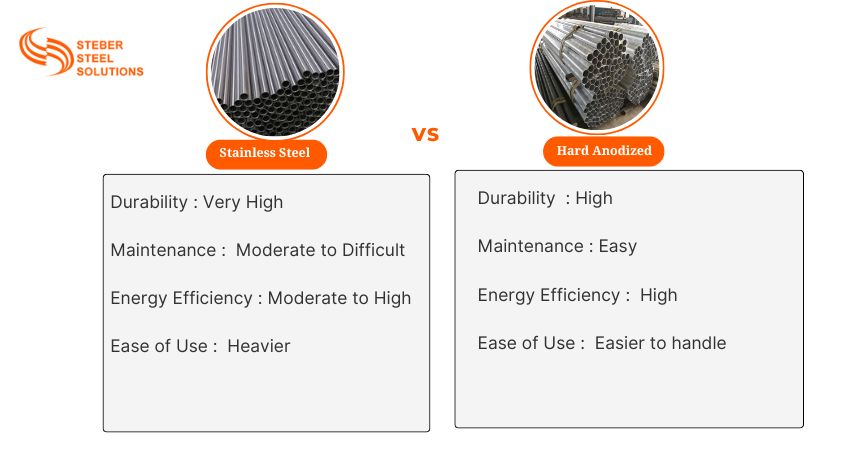
Key Differences Between Hard Anodized and Stainless Steel
Understanding how these materials differ helps you choose based on your actual cooking needs. Here's a detailed comparison of the most important factors.
Heat Distribution and Conductivity
Hard anodized cookware excels at heat distribution because aluminum is an excellent conductor. Your pan heats evenly, and hot spots are minimal. I've cooked pancakes on both materials, and the hard anodized version produced perfectly golden pancakes with no burned edges, while stainless steel created some uneven browning without a layered bottom.
Stainless steel, on the other hand, doesn't conduct heat as efficiently. This is why most quality stainless steel cookware includes a bonded aluminum or copper base. Without this core, you'll experience hot spots and uneven cooking. The extra layers add cost, but they're worth it for reliable performance.
Durability and Longevity
Hard anodized cookware is incredibly durable and can last 10 to 15 years with proper care. The hard anodized surface resists warping and scratching exceptionally well. However, the nonstick coating eventually wears away, especially if you use metal utensils or aggressive scrubbing. Once the coating fades, the cookware still functions, but it loses its nonstick advantage.
Stainless steel cookware can last a lifetime and beyond. I have stainless steel pots from my grandmother that are still going strong after 40 years. The metal itself doesn't degrade, and there's no coating to wear off. This makes stainless steel cookware a true long-term investment that you can pass down to future generations.
Nonstick Performance
Hard anodized cookware typically comes with a nonstick coating that performs beautifully when new. The first year or two of use is fantastic for cooking delicate items like fish or eggs. The nonstick surface requires minimal oil and makes cleanup effortless.
Stainless steel cookware is not naturally nonstick. Some manufacturers apply a nonstick coating to stainless steel, but it's less common. Traditional stainless steel requires a bit more fat to prevent sticking, but experienced cooks find this gives them better control and browning during cooking. Once you learn the techniques, many cooks prefer the performance of seasoned stainless steel.
Reactivity with Food
Hard anodized cookware's hard anodized surface is nonreactive, so it won't affect acidic or alkaline foods. You can confidently cook tomato sauce or vinegar-based dishes without worrying about discoloration or flavor changes.
Stainless steel is also completely nonreactive. This means you can cook anything in stainless steel without concerns about the material affecting your food. Both materials are safe choices for all types of cuisines and cooking methods, which is a major advantage for home cooks who prepare diverse meals.

Maintenance and Care Differences
Taking care of your cookware properly extends its lifespan and maintains performance. The maintenance needs differ significantly between these two materials.
Cleaning Hard Anodized Cookware
Hard anodized cookware is relatively easy to clean. The nonstick surface means food doesn't stick, so a quick rinse with warm water often suffices. For stuck-on food, soak the pan for 10 to 15 minutes and gently scrub with a soft sponge. Avoid abrasive scouring pads and harsh chemicals that can damage the nonstick coating.
Hand washing is recommended for hard anodized cookware, although many brands claim their cookware is dishwasher safe. From my experience, hand washing extends the life of the nonstick coating significantly. Never use metal utensils on hard anodized cookware, as they scratch the coating and reduce the nonstick performance over time.
Cleaning Stainless Steel Cookware
Stainless steel cookware is incredibly forgiving and can handle aggressive cleaning. You can scrub with steel wool, use metal utensils freely, and even put it in the dishwasher without worry. This durability makes stainless steel excellent for busy households or commercial settings.
For best results, wash stainless steel by hand with warm soapy water. To maintain the polished finish, wipe the exterior with a soft cloth. If water spots develop, a quick buff with a microfiber cloth removes them easily. Stainless steel cookware actually improves with age as it develops a natural patina that many cooks love.

Cost Comparison
Price is often a deciding factor when choosing cookware. Understanding the cost differences helps you budget appropriately.
Hard anodized cookware typically costs between 30 and 150 dollars per piece, depending on the brand and construction quality. Entry-level hard anodized cookware is affordable and performs well, while premium brands offer enhanced features and warranties. Since the nonstick coating eventually wears away, you'll likely replace hard anodized cookware within 10 to 15 years.
Stainless steel cookware ranges from 50 to 300 dollars or more per piece for high-quality options. The initial investment is often higher than hard anodized cookware, but the long-term value is exceptional. Because stainless steel cookware lasts decades, the cost per year of use is actually quite reasonable.
If you're on a tight budget, hard anodized cookware offers great performance at a lower upfront cost. If you're willing to invest more initially, stainless steel cookware provides better long-term value and durability. Many experienced cooks own both types and use them for different purposes.
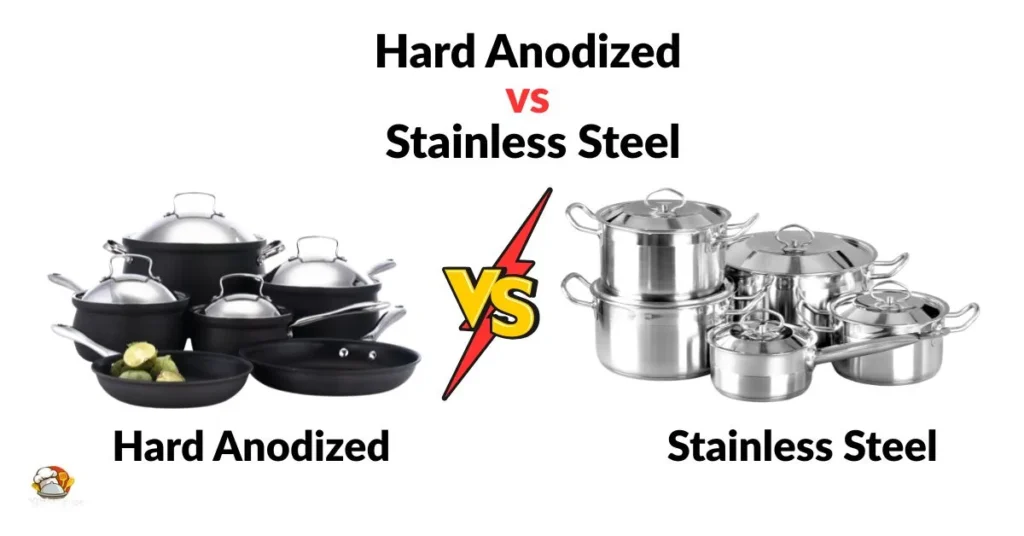
Which Cookware Is Better for Different Cooking Styles?
The best choice depends entirely on how you cook and what matters most to you. Let's break this down by cooking style and preference.
Hard Anodized Cookware Is Ideal For
Hard anodized cookware works wonderfully if you enjoy quick, everyday cooking with minimal cleanup. The nonstick surface is perfect for cooking eggs, pancakes, delicate fish, and vegetables. If you're health-conscious and want to cook with less oil, hard anodized cookware makes this easier and more enjoyable.
Hard anodized cookware is also excellent for those who value quick heating and even cooking. The superior heat distribution means your food cooks more evenly, which is especially important for beginners who are still learning heat control. I recommend hard anodized cookware to friends who want reliable, easy-to-use cookware without a steep learning curve.
Stainless Steel Cookware Is Ideal For
Stainless steel cookware suits cooks who want durability and versatility above all else. If you brown meat frequently, deglaze pans with wine, or use high heat regularly, stainless steel handles these tasks beautifully. The material can withstand aggressive cooking techniques that might damage a nonstick coating.
Stainless steel cookware is perfect for adventurous cooks and those who enjoy traditional cooking methods. It's also excellent for families with children because it's nearly indestructible. You don't have to worry about the coating wearing away or someone using the wrong utensil. Stainless steel grows better with age and requires minimal replacement, making it ideal for long-term kitchen investment.

Safety Considerations
Both hard anodized and stainless steel cookware are safe for cooking. Let's address common safety concerns people have about each material.
Hard Anodized Safety
Hard anodized cookware is safe for cooking food. The hard anodized surface is sealed and stable, meaning it won't leach into your food. Concerns about aluminum in cookware are largely unfounded, as modern hard anodized cookware has been thoroughly tested and approved for food contact by regulatory agencies.
The main safety consideration is ensuring the nonstick coating is in good condition. Once the coating significantly wears or flakes, replace the cookware. Most manufacturers recommend replacing hard anodized cookware every 10 to 15 years to ensure optimal performance and safety.
Stainless Steel Safety
Stainless steel is one of the safest cookware materials available. It won't leach chemicals into food, and it handles all types of cooking methods safely. The only consideration is ensuring the cookware has appropriate food-grade stainless steel (typically 18/10 or 18/8 composition).
Lower-quality stainless steel with high nickel content might concern people with severe nickel allergies, but reputable cookware manufacturers use food-safe stainless steel that meets safety standards. Overall, stainless steel cookware is exceptionally safe and reliable.
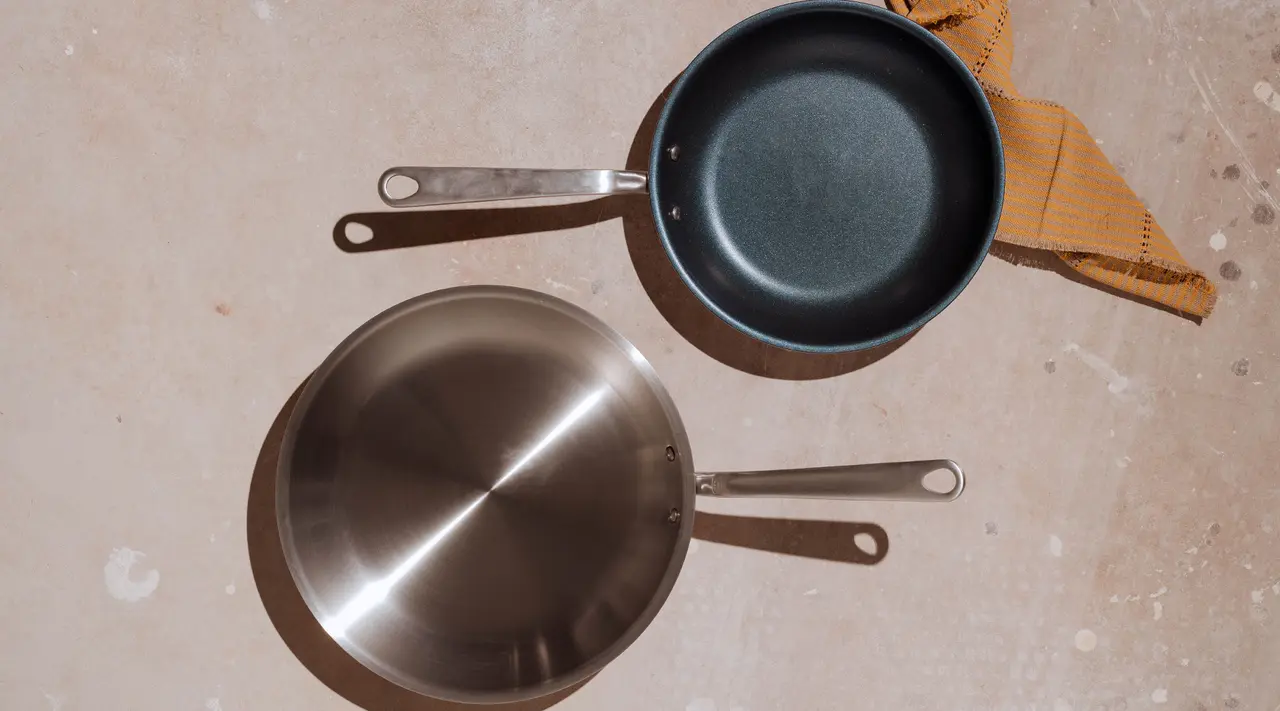
How to Choose Between Hard Anodized and Stainless Steel
Making the right choice requires honest reflection about your cooking habits and lifestyle. Consider these factors when deciding.
Consider Your Cooking Frequency
If you cook daily and value quick preparation, hard anodized cookware might be the better choice. The nonstick surface and quick heating make everyday cooking faster and more enjoyable. However, if you're a serious home cook who prepares complex recipes regularly, stainless steel offers the versatility and durability you need.
Evaluate Your Budget
Hard anodized cookware is more affordable upfront but requires replacement every 10 to 15 years. Stainless steel costs more initially but lasts much longer, making it a better investment if you can afford it. Calculate the cost per year of use to get a true sense of value.
Think About Maintenance Commitment
Hard anodized cookware requires careful handling and hand washing to maintain the nonstick coating. If you're willing to care for your cookware properly, hard anodized works great. Stainless steel is more forgiving and requires less special care, making it ideal if you prefer low-maintenance cookware.
Assess Your Cooking Style
If you primarily cook delicate foods and want nonstick convenience, hard anodized is your answer. If you enjoy browning meat, deglazing pans, and high-heat cooking techniques, stainless steel is superior. Many experienced cooks choose a combination of both materials to cover all cooking scenarios.
Frequently Asked Questions
Is hard anodized cookware better than stainless steel for everyday cooking?
Hard anodized cookware excels for everyday cooking because of its nonstick surface and even heat distribution. However, stainless steel is also excellent for everyday use and offers superior longevity. The best choice depends on whether you prioritize convenience and ease of cleanup or durability and long-term investment.
Can you use metal utensils on hard anodized cookware?
No, you should avoid metal utensils on hard anodized cookware because they scratch the nonstick coating. Use wooden, silicone, or plastic utensils instead. Metal utensils work fine on stainless steel cookware, which makes it more durable for households with multiple cooks.
How long does hard anodized cookware last?
Hard anodized cookware typically lasts 10 to 15 years with proper care. The nonstick coating gradually wears away with use, and once significantly degraded, the cookware should be replaced. Stainless steel cookware, by comparison, lasts several decades or even a lifetime.
Is stainless steel cookware nonstick?
Traditional stainless steel cookware is not nonstick and requires proper technique and fat to prevent sticking. Some manufacturers apply a nonstick coating to stainless steel, but this is less common. Many experienced cooks prefer stainless steel for its superior browning and control during cooking.
Which cookware conducts heat better?
Hard anodized cookware conducts heat much better than stainless steel because aluminum is an excellent heat conductor. Stainless steel requires an aluminum or copper core to achieve similar heat distribution. This makes hard anodized cookware preferable for even cooking without hot spots.
Is hard anodized cookware safe for acidic foods?
Yes, hard anodized cookware is completely safe for acidic foods like tomatoes, citrus, and vinegar. The hard anodized surface is nonreactive and won't interact with acidic ingredients. Both hard anodized and stainless steel are safe choices for all types of foods and cuisines.
Final Thoughts
Both hard anodized and stainless steel cookware are excellent choices that serve different purposes in the modern kitchen. Hard anodized cookware shines with its nonstick convenience, quick heating, and easy maintenance, making it perfect for everyday cooking and health-conscious home cooks. Stainless steel cookware provides unmatched durability, versatility, and long-term value, making it ideal for serious cooks and family kitchens that demand reliability.
The best decision comes down to your personal cooking style, budget, and priorities. If you cook frequently and want quick, easy meal preparation, invest in quality hard anodized cookware. If you're willing to spend more upfront for cookware that lasts a lifetime and handles any cooking technique, stainless steel is your answer. Many experienced cooks find that owning both materials gives them the ultimate flexibility and performance across all cooking scenarios.
Start evaluating your kitchen habits today and choose the cookware that aligns with your lifestyle. Test both materials if possible, talk to friends about their experiences, and don't rush the decision. Quality cookware is an investment in your health and enjoyment of cooking, so take time to select what's right for you and your kitchen.

Leave a Reply