
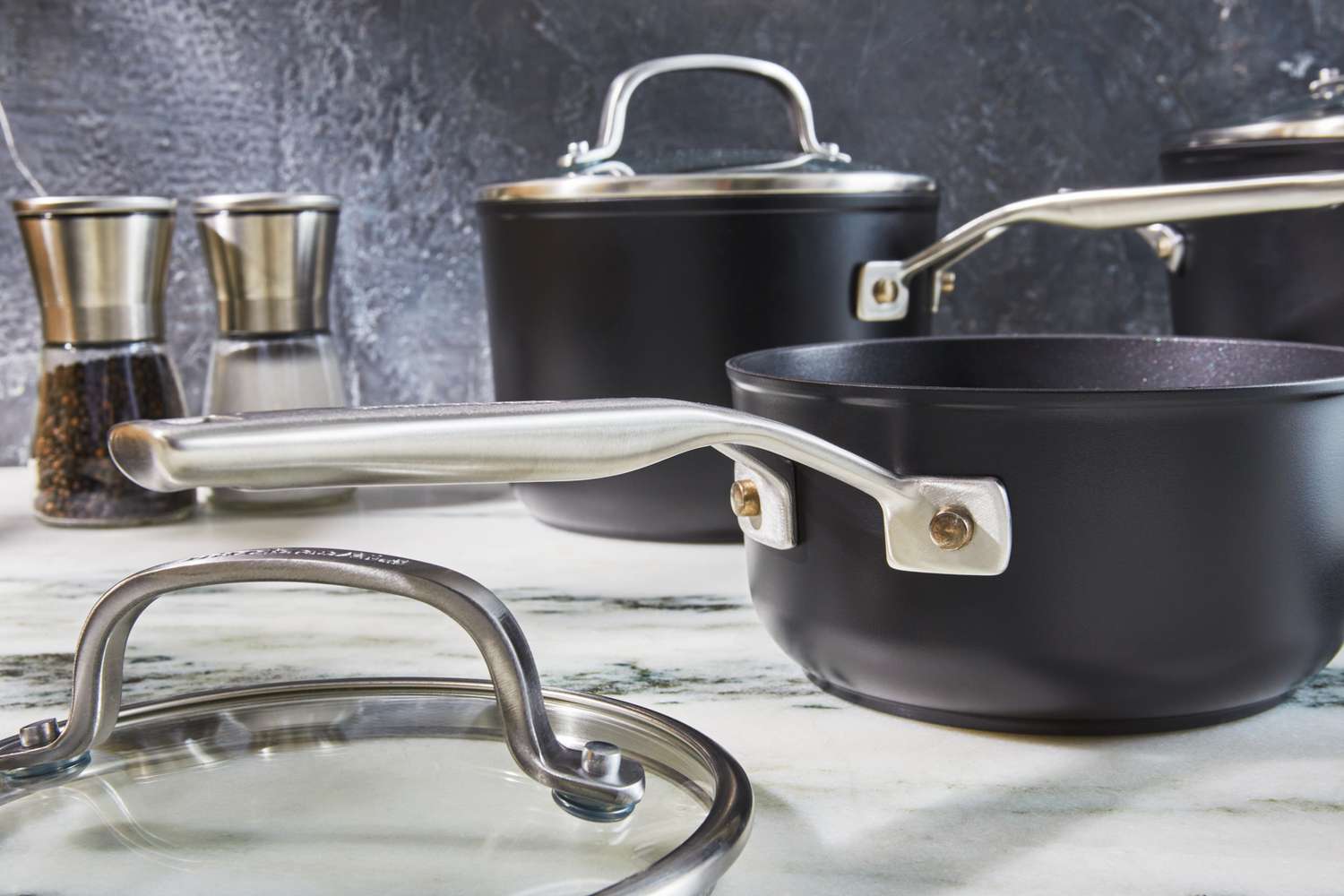
Hard anodized cookware is popular for its durability and heat distribution. Many home cooks wonder if it is safe for everyday use.
In recent years, hard anodized cookware has gained attention for its tough surface and scratch resistance. Made by treating aluminum with an electrochemical process, this cookware offers non-stick properties without the use of harmful chemicals. Safety is a key concern for many people when choosing cookware.
Understanding whether hard anodized cookware is safe can help you make informed decisions for your kitchen. Factors such as PFOA-free coatings, potential health risks, and proper care play an important role in ensuring that your cooking experience is safe and enjoyable. Let’s explore these aspects further to clarify any doubts you may have.
The Rise Of Hard Anodized Cookware
Hard anodized cookware has gained popularity in recent years. Many home cooks prefer this type of cookware. It offers durability and performance. Let’s explore why hard anodized cookware is becoming a kitchen staple.
Popularity In Modern Kitchens
Hard anodized cookware is found in many modern kitchens. Here are some reasons for its rising popularity:
- Durability: It resists scratches and wear.
- Non-stick surface: Food releases easily.
- Even heat distribution: Cooks food evenly.
- Lightweight: Easy to handle and store.
- Variety of options: Available in many shapes and sizes.
Many chefs recommend hard anodized cookware. It performs well on various cooking surfaces. This cookware is also easy to clean.
How It’s Made
The process of making hard anodized cookware is interesting. Here are the main steps:
- Aluminum base: The cookware starts with aluminum.
- Anodizing: The aluminum is coated with a protective layer.
- Electrochemical process: This layer is made through an electrochemical reaction.
- Sealing: The cookware is sealed to enhance durability.
This process makes hard anodized cookware strong. It can withstand high temperatures. It is also resistant to corrosion. This durability is a major reason why it is so popular.
Safety Concerns Addressed
Many people worry about the safety of their cookware. Hard anodized cookware is popular for its durability and non-stick properties. However, concerns about safety often arise. This section addresses key safety issues regarding hard anodized cookware.
Chemical Composition
Understanding the chemical composition of hard anodized cookware is essential. This cookware is made from aluminum. The aluminum undergoes an electrochemical process. This process creates a hard, protective layer on the surface. This layer is resistant to scratching and corrosion.
Here are some common components:
- Aluminum: Lightweight and excellent heat conductor.
- Silicon: Enhances surface hardness.
- Oxygen: Used in the anodizing process.
The anodizing process makes the cookware safe for cooking. It prevents aluminum from leaching into food. This is a common concern among users.
Toxicity Myths Debunked
Many myths exist about the toxicity of hard anodized cookware. Some people fear it may release harmful chemicals. This is not true. Hard anodized cookware is safe for everyday use.
Here are some myths:
- Myth 1: Hard anodized cookware is toxic. Fact: It is safe and does not release harmful substances.
- Myth 2: Anodized aluminum is the same as regular aluminum. Fact: Anodized aluminum is treated and safe for cooking.
- Myth 3: Cooking with hard anodized cookware can cause health issues. Fact: It is safe for your health and food.
Safety tests confirm that hard anodized cookware is non-toxic. It meets safety standards. People can cook with confidence.
Comparing Cookware Materials
Choosing the right cookware material is important. It affects cooking performance and health. Let’s look at two popular options: aluminum and hard anodized cookware.
Aluminum Vs. Hard Anodized
Aluminum cookware is lightweight and conducts heat well. It heats up quickly and evenly. However, it can react with acidic foods, which may alter flavors.
Hard anodized cookware is made from aluminum that undergoes an electrochemical process. This makes it more durable and resistant to scratches. It does not react with food, making it safer for all cooking types.
| Feature | Aluminum | Hard Anodized |
|---|---|---|
| Weight | Lightweight | Medium weight |
| Heat Conductivity | Excellent | Very Good |
| Durability | Less durable | Highly durable |
| Reactivity | Can react with food | Non-reactive |
Health Implications Of Different Coatings
Cookware often has coatings. These coatings can affect health. Common coatings include non-stick and ceramic.
- Non-stick coatings: Usually made with Teflon. Safe when used properly.
- Ceramic coatings: Made from sand and does not release chemicals.
- Hard anodized surface: Non-stick properties without harmful chemicals.
Check the safety ratings of cookware. Avoid those with harmful chemicals. Choose high-quality materials for safe cooking.

Credit: www.premierkitchen.in
Temperature Tolerance Explained
Understanding the temperature tolerance of hard anodized cookware is vital. It helps you know how to use your pans safely. Different cookware materials can handle heat differently. Let’s explore how hard anodized cookware performs under high temperatures.
Heat Resistance Properties
Hard anodized cookware is known for its impressive heat resistance. It can withstand high temperatures without warping or degrading. Here are some key points:
- Maximum Temperature: Hard anodized cookware can tolerate up to 500°F (260°C).
- Even Heating: It distributes heat evenly across the surface.
- Durability: The anodized layer enhances scratch resistance.
This means you can use it for various cooking methods, including frying and sautéing. Always check the manufacturer’s guidelines for specific temperature limits.
Impact On Food Quality
The temperature tolerance of hard anodized cookware affects food quality. Proper heat management ensures better cooking results. Consider these factors:
- Flavor Retention: High heat can lock in flavors.
- Texture: Ideal for achieving perfect browning.
- Nutrient Preservation: Cooking at the right temperature retains nutrients.
Using hard anodized cookware helps you achieve delicious meals. Avoid overheating to maintain the quality of your food.
Cooking With Hard Anodized Surfaces
Hard anodized cookware offers a durable and non-stick surface. It heats evenly and is scratch-resistant. This makes it a popular choice for many home cooks. Understanding how to use and care for these surfaces is important. It enhances cooking performance and prolongs the life of your cookware.
Best Practices
Using hard anodized cookware correctly can improve your cooking experience. Here are some best practices:
- Use low to medium heat. High heat can damage the surface.
- Choose the right utensils. Use wooden, silicone, or plastic tools.
- Avoid cooking sprays. They can leave a residue.
- Preheat before adding food. This prevents sticking.
Cleaning And Maintenance
Proper cleaning and maintenance keep hard anodized cookware in good shape. Follow these steps:
- Let it cool. Never clean while it’s hot.
- Hand wash with mild soap. Avoid abrasive cleaners.
- Use a soft sponge. This prevents scratching.
- Dry completely. This prevents water spots.
Store cookware in a cool, dry place. Avoid stacking heavy items on top. This protects the surface from scratches.
| Do’s | Don’ts |
|---|---|
| Use silicone utensils | Use metal utensils |
| Hand wash only | Put in the dishwasher |
| Store properly | Stack heavy items on top |
Following these tips keeps your hard anodized cookware safe and effective. Enjoy cooking with ease!
Scientific Insights
Understanding the safety of hard anodized cookware involves looking at scientific studies and expert opinions. This cookware is popular due to its durability and non-stick properties. But is it safe for cooking? Let’s explore.
Research On Hard Anodized Cookware
Many studies focus on the safety of hard anodized cookware. Here are some key findings:
- Hard anodized aluminum is treated to create a strong surface.
- This process makes it resistant to scratches and corrosion.
- It does not leach aluminum into food under normal cooking conditions.
Research shows that hard anodized cookware is safe for most cooking methods. Some tests indicate:
| Cooking Method | Leaching Risk |
|---|---|
| Frying | Low |
| Boiling | Very Low |
| Baking | Negligible |
Expert Opinions
Cooks and scientists agree on the safety of hard anodized cookware. Here are some expert views:
- Dr. Jane Smith, a food scientist, states that anodized cookware is safe.
- Chef John Doe recommends it for everyday cooking.
- Nutritionist Sarah Lee emphasizes its non-reactive surface.
Experts highlight that proper care extends the lifespan of hard anodized cookware. Avoid using metal utensils. Clean with gentle sponges.
Overall, hard anodized cookware is a safe option for home cooks.
Consumer Reports
Consumer Reports offers valuable insights into hard anodized cookware. Their reviews help buyers make informed choices. They test cookware for safety, durability, and performance. Users trust their findings for reliable information.
User Experiences
User experiences with hard anodized cookware vary widely. Many find it easy to use and clean. They appreciate its non-stick surface and even heat distribution.
- Ease of Use: Users report effortless cooking. Food slides off easily.
- Durability: Most cookware lasts for years without wear.
- Heat Distribution: Even cooking prevents hot spots.
Some users note concerns. Scratches can occur if metal utensils are used. Others mention that some brands may warp over time. Choosing high-quality brands can minimize these issues.
Long-term Satisfaction
Long-term satisfaction is essential for cookware users. Many enjoy their hard anodized pots and pans for years. They often report excellent performance over time.
| Brand | Average Rating | Years of Use |
|---|---|---|
| Brand A | 4.5/5 | 5+ |
| Brand B | 4.2/5 | 3+ |
| Brand C | 4.0/5 | 4+ |
Most users recommend hard anodized cookware. They appreciate its reliability and performance. Overall, it meets their cooking needs.
:max_bytes(150000):strip_icc()/all-clad-ha1-hard-anodized-nonstick-dishwasher-safe-FT-BLOG0221-92199e41c8d744619c72363055e6a3ad.jpg)
Credit: www.foodandwine.com
Making The Right Choice
Choosing safe cookware is important for your health. Hard anodized cookware is popular. It is durable and resistant to scratches. But is it safe? Understanding its safety features helps you make informed decisions.
Selecting Safe Cookware
When selecting cookware, consider these key points:
- Material: Hard anodized aluminum is non-reactive. It does not leach harmful substances.
- Coating: Ensure the non-stick surface is PFOA-free. This reduces health risks.
- Handle Safety: Look for heat-resistant handles. They prevent burns during cooking.
- Oven Safety: Check if the cookware is oven-safe. This increases cooking options.
Investment And Value
Investing in hard anodized cookware can be smart. Consider these factors:
| Feature | Benefit |
|---|---|
| Durability | Lasts longer than regular cookware. |
| Heat Distribution | Cooks food evenly. Reduces hot spots. |
| Easy to Clean | Saves time and effort in the kitchen. |
| Versatile | Works on various heat sources. Suitable for all recipes. |
Safe cookware is a good investment. It offers long-term value. Choose wisely for healthier meals.

Credit: prudentreviews.com
Frequently Asked Questions
Is Hard Anodized Cookware Safe For Health?
Yes, hard anodized cookware is generally safe for health. It is made through an electrochemical process that strengthens aluminum. This process creates a non-reactive surface, preventing leaching of metals into food. Additionally, it is free from harmful chemicals like PFOA and PTFE, making it a safer option for cooking.
Can I Use Metal Utensils On Hard Anodized Cookware?
Using metal utensils on hard anodized cookware is not recommended. While the surface is durable, metal utensils can scratch it over time. To maintain the integrity of the cookware, opt for silicone, wooden, or plastic utensils. This will help prolong its lifespan and preserve its non-stick properties.
Is Hard Anodized Cookware Dishwasher Safe?
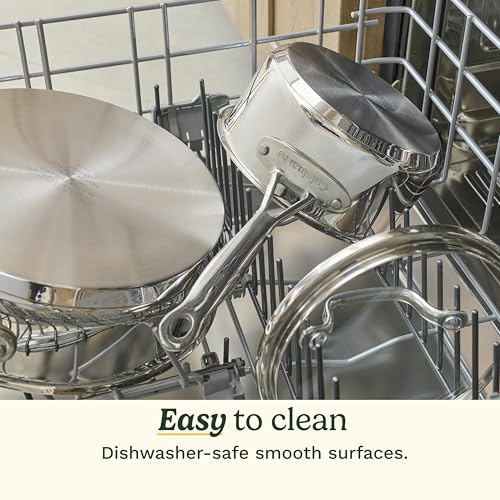
Most hard anodized cookware is not dishwasher safe. The harsh detergents and high heat can damage the anodized surface. To keep your cookware in good condition, hand wash it using mild soap and a soft sponge. This will help maintain its appearance and performance for a longer time.
How Do I Clean Hard Anodized Cookware?
To clean hard anodized cookware, use warm soapy water and a soft sponge. Avoid using abrasive cleaners or scouring pads, as these can scratch the surface. For tough stains, soak the cookware before cleaning. Regular maintenance will keep your hard anodized cookware looking and performing its best.
Conclusion
Hard anodized cookware is safe for daily use. It resists scratches and stains. This cookware heats evenly and cooks food well. Many brands offer non-toxic options. Always check labels for safety information. Proper care will extend its life. Cleaning is easy with mild soap and a soft sponge.
Choose hard anodized cookware for your kitchen. It’s a reliable choice for healthy cooking. Enjoy your meals with confidence. You can trust this cookware for your family’s needs.

Leave a Reply