
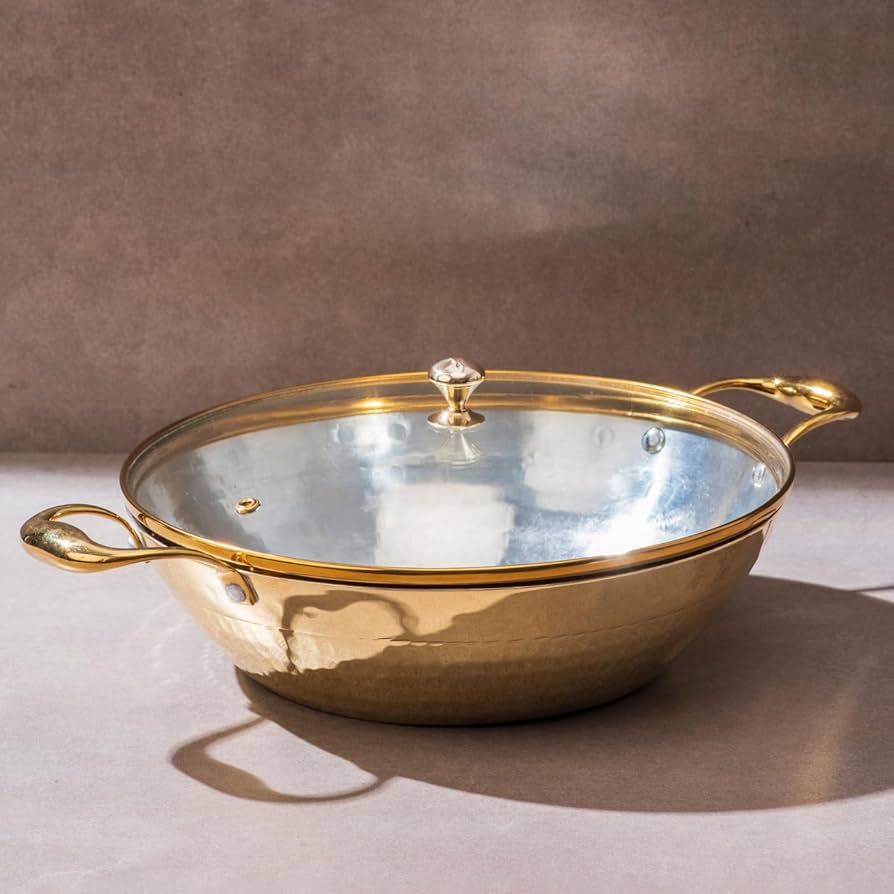
Glass cookware is non-toxic, durable, and doesn't leach chemicals into your food during cooking.
When it comes to choosing cookware for your kitchen, glass might not be the first material that comes to mind. Most home cooks gravitate toward stainless steel or nonstick options because they're what they've always used. But here's what I've discovered after years of experimenting in my own kitchen: glass cookware offers some truly remarkable benefits that can transform the way you cook and bake.
Glass cookware has become increasingly popular among health-conscious cooks and culinary enthusiasts who want to avoid potential chemical exposure while preparing meals. Whether you're baking a casserole, roasting vegetables, or preparing a lasagna, glass bakeware provides a reliable, safe cooking surface that delivers consistent results every single time.
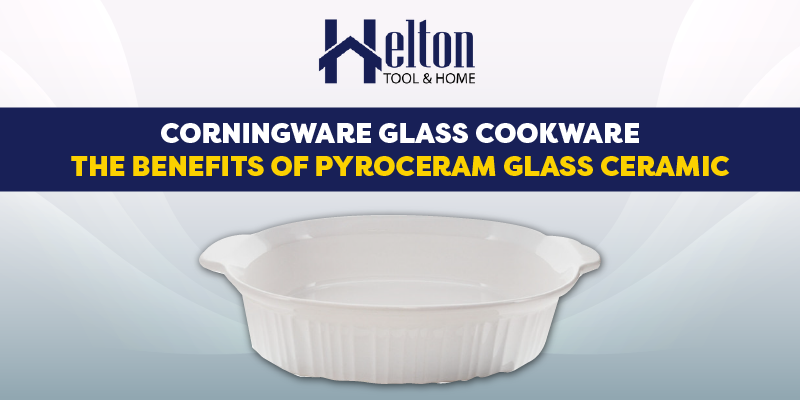
The Health and Safety Advantages of Glass Cookware
One of the biggest reasons I switched to glass cookware was the health factor. Unlike some nonstick cookware coatings that can break down at high temperatures, glass cookware remains completely inert. This means it won't leach harmful chemicals like PTFE or PFOA into your food, no matter how hot you get it or how long you cook.
Glass cookware is made from borosilicate glass, which is specifically engineered to withstand temperature changes without cracking or releasing toxins. When I started using glass bakeware, I noticed my family felt more confident about what we were eating because we knew nothing was transferring from the cookware into our meals.
The safety profile of glass cookware extends to its manufacturing process as well. Most quality glass cookware is made without harmful additives or coatings that could potentially compromise your health over time. This makes glass cookware an excellent choice for families with young children or anyone concerned about kitchen safety.

Temperature Control and Even Cooking Results
Here's something that really impressed me about glass cookware: it distributes heat incredibly evenly. When you're baking a sheet of cookies or roasting a pan of vegetables, even heat distribution means everything cooks at the same rate. No more burnt corners and undercooked centers—that's one of the major glass cookware benefits that keeps me reaching for these dishes.
Glass heats up gradually, which might seem slower at first, but it actually works in your favor. Because glass cookware heats slowly, you have better control over your cooking process. This gradual heating also means your food is less likely to burn on the bottom while staying raw in the middle.
The thermal properties of glass cookware make it ideal for baked goods. Whether you're making brownies, casseroles, or roasted potatoes, the consistent heat distribution ensures professional-quality results in your home kitchen. I've baked countless batches of lasagna in my glass cookware, and the edges always finish at exactly the right time as the center.

Durability That Lasts for Decades
When I first invested in quality glass cookware, I was thinking about longevity. Unlike nonstick cookware that deteriorates over time, glass cookware can last for decades with proper care. The glass cookware benefits you get extend far beyond a single season of cooking—we're talking about cookware that could outlive many other kitchen tools.
Glass doesn't scratch, chip, or degrade like other materials. You can use metal utensils without worry, scrub it thoroughly with abrasive cleaners, and put it through the dishwasher repeatedly. My mother's glass bakeware is over twenty years old and looks exactly like it did when she bought it. That kind of durability is hard to find in today's kitchen products.
The structural integrity of glass cookware means you're making a one-time investment that will serve you for years. This durability factor actually makes glass cookware more economical in the long run, despite potentially higher upfront costs compared to some alternatives.
Easy Cleaning and Maintenance
Let me be honest: one of my favorite glass cookware benefits is how easy these dishes are to clean. Food doesn't stick to glass the way it does to other surfaces, which means cleanup is remarkably simple. Most of the time, I just soak the dish, give it a gentle scrub, and it's ready to go back in the cabinet.
Glass cookware can go straight into the dishwasher, which saves you precious time in the kitchen. You don't have to worry about special care instructions or hand-washing requirements. The non-porous surface of glass means bacteria and odors don't get trapped in microscopic crevices like they might in other cookware materials.
Because glass doesn't retain flavors or odors, you can use the same dish for cooking fish one day and baking a sweet dessert the next without worrying about flavor transfer. This versatility combined with easy maintenance makes glass cookware incredibly practical for busy households.
Visibility and Monitoring Your Food
One underrated advantage of glass cookware is that you can see exactly what's happening inside while your food cooks. This visibility means you can check on your casserole, monitor browning, or watch your baked goods rise without opening the oven door and letting heat escape.
When I'm baking something important, I love being able to peek through the glass without disturbing the cooking process. This glass cookware benefit is especially valuable when you're making something that requires careful timing or visual cues to know when it's done. You can see the exact moment your dish reaches golden brown perfection.
This see-through capability helps prevent overcooking or undercooking because you're not guessing—you're watching. It's a small thing, but it genuinely improves your cooking accuracy and gives you confidence that your food will turn out perfectly.
Versatility Across Different Cooking Methods
Glass cookware isn't limited to one cooking method. I use my glass dishes for baking, roasting, broiling, and even microwaving. This versatility means you need fewer different pieces of cookware cluttering your cabinets. Glass cookware can transition seamlessly from stovetop to oven to microwave with no issues.
Many people don't realize that glass cookware can handle a wide temperature range. You can bake at 500 degrees Fahrenheit or heat something gently at 250 degrees. This flexibility makes glass cookware suitable for virtually any recipe that calls for a baking dish or casserole vessel.
The ability to use glass cookware for multiple purposes means you're getting more value from each piece. Whether you're preparing a weeknight dinner or a complex recipe that requires multiple cooking stages, glass cookware adapts to your needs.

Cost-Effectiveness Over Time
While glass cookware might have a higher initial purchase price than some alternatives, the long-term value is exceptional. Because these dishes last for decades without deteriorating, you're spreading that cost across years and years of use. When I do the math on my glass cookware investment versus replacing nonstick cookware every few years, glass wins hands down.
Quality glass cookware typically costs between twenty to fifty dollars per piece, which is reasonable considering the lifespan. Compare that to premium nonstick cookware that might need replacement every three to five years, and you'll see why glass cookware is actually the more economical choice for budget-conscious cooks.
The glass cookware benefits of durability directly translate to savings. You're not constantly replacing worn-out cookware or dealing with degraded nonstick surfaces that pose health concerns. It's a smart financial decision for anyone who plans to cook regularly over many years.

Environmental and Sustainability Considerations
Choosing glass cookware is also an environmentally conscious decision. Glass is completely recyclable and doesn't contribute to microplastics or environmental pollution the way some cookware materials might. When I choose glass cookware, I feel good knowing I'm making a choice that's better for the planet.
Unlike cookware with synthetic coatings that can't be recycled, glass cookware has a responsible end-of-life option. If a piece breaks after years of use, it can be recycled without creating toxic waste. This glass cookware benefit extends beyond your kitchen and into the broader environmental impact of your lifestyle choices.
Manufacturers of quality glass cookware are increasingly committed to sustainable production methods. Choosing glass cookware supports companies that prioritize environmental responsibility alongside consumer health.

Choosing the Right Glass Cookware for Your Needs
Not all glass cookware is created equal. When shopping for glass cookware, look for borosilicate glass specifically, as it's engineered to handle temperature extremes better than regular glass. I always check the label to ensure I'm getting quality glass cookware that will perform reliably.
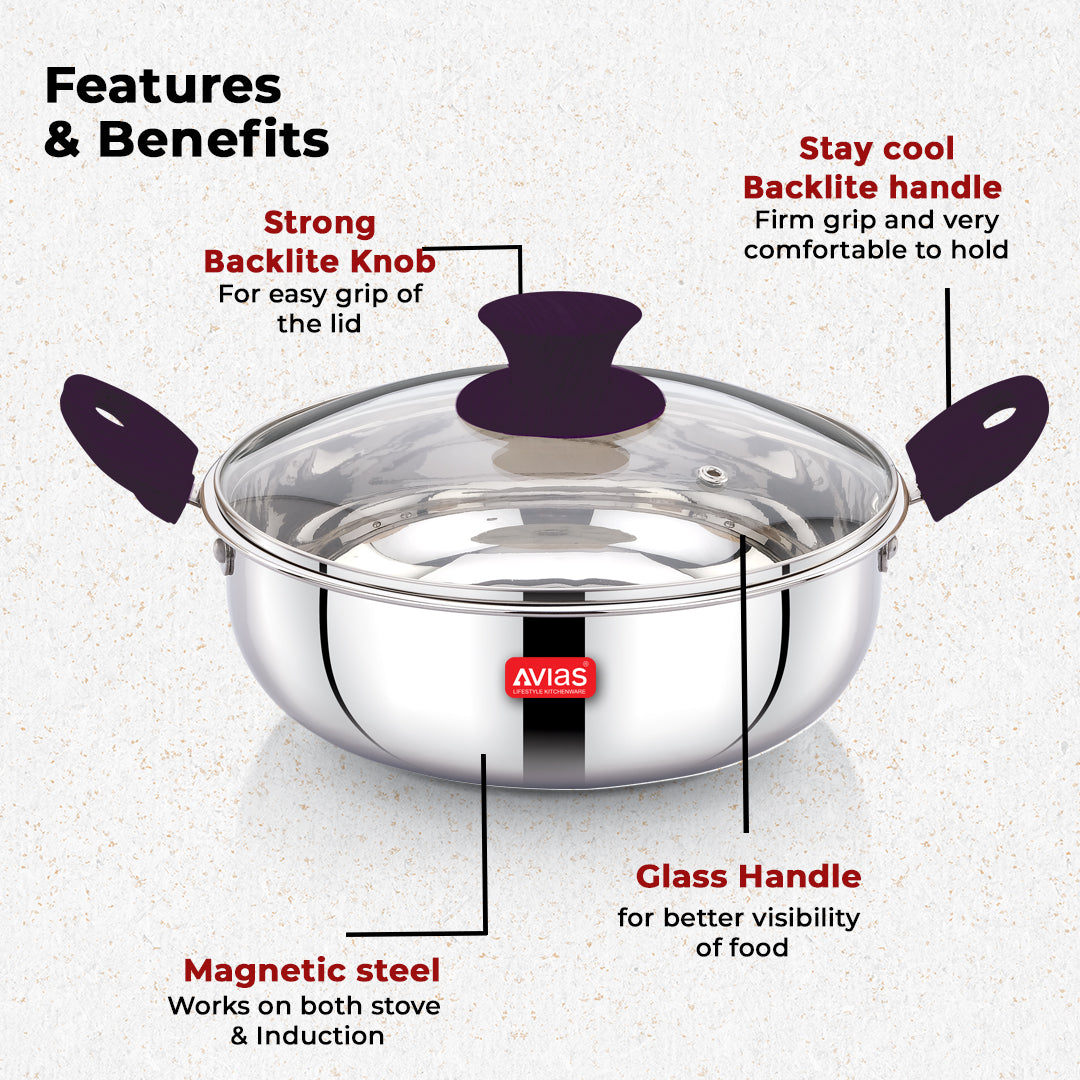
Pay attention to the handles and lids when evaluating glass cookware options. Silicone handles are typically heat-resistant and comfortable, while glass lids allow you to monitor cooking progress. Many quality glass cookware sets come with these thoughtful features already included.
Consider what sizes and shapes you use most frequently. Common glass cookware sizes include 9×13 inches for casseroles and 8×8 inches for smaller portions. Having a variety of glass cookware shapes—rectangular, square, and round—gives you flexibility for different recipes and cooking situations.
Common Mistakes to Avoid with Glass Cookware
Through my experience using glass cookware, I've learned several important lessons about avoiding damage. The biggest mistake people make is exposing glass cookware to rapid temperature changes. Never go directly from the refrigerator to a hot oven, as thermal shock can cause cracking.
Let glass cookware cool down naturally before washing it with cold water. This gradual cooling process prevents the stress that causes glass to crack suddenly. I always place my hot glass cookware on a kitchen towel to cool rather than running it under cold water immediately.
Avoid setting glass cookware directly on burners or using it over open flames. Glass cookware is designed for oven use, microwaving, and broiling—not stovetop cooking. These simple precautions will keep your glass cookware safe and functional for decades.
Real-World Applications and Success Stories
In my kitchen, glass cookware has become essential for everything from Sunday casseroles to daily meal prep. I use glass cookware for making lasagna, enchiladas, roasted vegetables, and baked pasta dishes. The consistency and reliability I get with glass cookware means my recipes turn out the same way every time.
Friends and family who have borrowed my glass cookware or cooked at my house often comment on how impressed they are with the results. Many of them have since purchased their own glass cookware after seeing how well it performs. It's genuinely rewarding to share this discovery with others.
One specific example: I made a vegetable casserole for a family gathering using my glass cookware, and everyone asked for the recipe. I realized half of their compliments were about how perfectly everything was cooked—crispy edges, tender center—which I attribute directly to the even heating of quality glass cookware.
Health Benefits Beyond Chemical Safety
While the non-toxic nature of glass cookware is paramount, there are additional health advantages worth considering. Because glass cookware doesn't interact with acidic foods, you can safely cook tomato-based dishes without worrying about metallic flavors or chemical leaching. This glass cookware benefit is particularly important for acidic recipes.
Glass cookware doesn't require special oils or seasoning to maintain a cooking surface. This makes it ideal for those following specific dietary approaches or trying to control fat intake. You can cook healthier meals with confidence, knowing the cookware isn't compromising your nutritional goals.
The ease of cleaning glass cookware also supports better food safety. You can thoroughly sanitize these dishes without worrying about damaging delicate nonstick coatings or harboring bacteria in microscopic scratches. Clean cookware means safer food preparation overall.
Frequently Asked Questions
Is glass cookware safe for all types of ovens?
Glass cookware is safe for conventional ovens, convection ovens, and microwave ovens. However, avoid using glass cookware in toaster ovens with exposed heating elements or under broilers without checking the manufacturer's temperature limits, as some glass can only handle temperatures up to 400 degrees Fahrenheit.
Can you use glass cookware on a stovetop?
Most glass cookware is not designed for direct stovetop use because the heat from burners can be too intense and uneven. However, some specialized glass cookware is made for stovetop cooking—always check the product specifications before attempting this cooking method to avoid damage or safety hazards.
How do you prevent glass cookware from cracking?
Avoid rapid temperature changes by never placing hot glass cookware directly in cold water or from a cold refrigerator into a hot oven. Allow glass cookware to cool gradually on a kitchen towel before washing, and use oven mitts since the glass and handles get very hot during cooking.
What temperature can glass cookware withstand?
Most quality borosilicate glass cookware can safely handle temperatures between 350 and 500 degrees Fahrenheit. Some premium glass cookware brands specify temperatures up to 550 degrees, while basic glass cookware might be limited to 400 degrees, so always consult the manufacturer's guidelines for your specific pieces.
Is glass cookware better than ceramic cookware?
Both glass and ceramic cookware are non-toxic alternatives to traditional nonstick options. Glass cookware offers better heat distribution and durability, while ceramic cookware may be slightly lighter and offer a more natural aesthetic. The choice depends on your personal preferences and cooking priorities.
Can you put glass cookware in the dishwasher?
Yes, glass cookware is dishwasher-safe and can handle hot water and harsh detergents without degradation. However, washing by hand and allowing it to cool first prevents potential thermal shock and extends the lifespan of your glass cookware even further.
Conclusion
Glass cookware represents a smart investment for anyone serious about healthy cooking and reliable kitchen performance. The combination of safety, durability, versatility, and ease of maintenance makes glass cookware an exceptional choice that delivers value for years to come. Whether you're concerned about chemical exposure, seeking better cooking results, or simply wanting cookware that truly stands the test of time, glass cookware checks every box.
Start by adding just one piece of quality glass cookware to your kitchen and experience the difference firsthand. You'll quickly understand why many experienced cooks and health-conscious families make the switch to glass. Share your glass cookware journey in the comments below, or explore additional resources about safe kitchen practices to transform your cooking experience today.

Leave a Reply