
Nonstick cookware loses its coating over time, but proper care can significantly extend its lifespan to 5-10 years or more. If you're tired of replacing your pans every couple of years, you're not alone. Many home cooks feel frustrated watching their trusted nonstick cookware degrade, especially after investing in quality pieces. The good news is that with the right knowledge and habits, you can dramatically extend the life of nonstick cookware and keep your pans performing like new for years to come. In this guide, I'll share everything I've learned from years of kitchen experience about protecting your nonstick investment and maintaining peak performance.
Understanding Nonstick Cookware and Why It Deteriorates
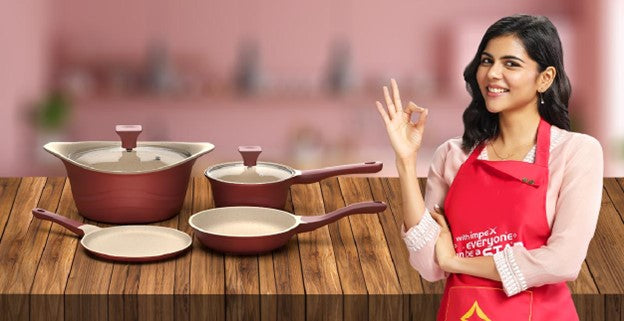
Nonstick cookware features a special polymer coating, typically made from PTFE (polytetrafluoroethylene), that prevents food from sticking and makes cleaning effortless. This coating is what makes nonstick cookware so popular in home kitchens, but it's also delicate and requires careful handling to maintain its effectiveness. Over time, the nonstick surface can wear away due to heat exposure, scratching, and improper washing, which is why many people wonder how to extend the life of nonstick cookware.
The deterioration process is gradual but inevitable. Every time you use high heat, scrape the surface with metal utensils, or wash aggressively, you're causing microscopic damage to the coating. Understanding this reality helps you approach nonstick cookware maintenance with the right mindset—it's not about preventing all wear, but rather slowing it down strategically through smart cooking and cleaning practices.
Best Practices for Cleaning Nonstick Cookware
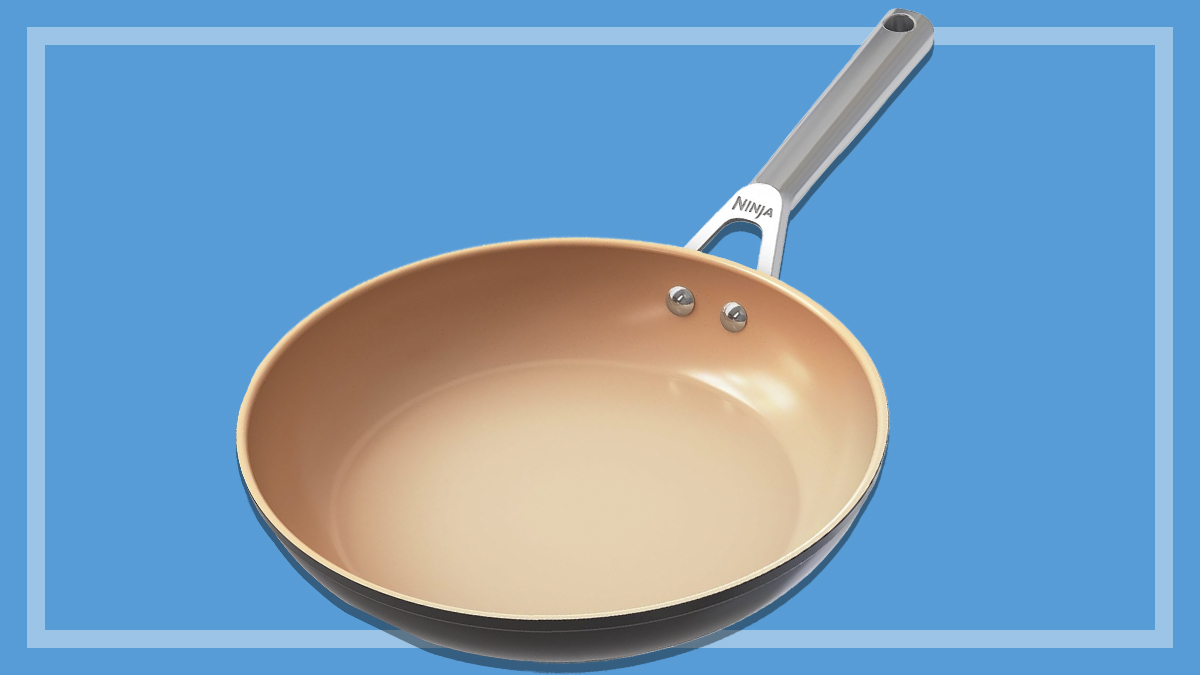
Cleaning is perhaps the most critical factor in extending the life of nonstick cookware. The way you wash your pans immediately after use sets the tone for their longevity. Start by allowing your cookware to cool slightly, then wipe it with a soft sponge and warm soapy water. This gentle approach removes food residue without damaging the protective coating.
Here are the key cleaning practices to follow:
• Use soft sponges or microfiber cloths rather than abrasive scrubbers that scratch the surface
• Avoid steel wool, scouring pads, and rough materials that strip away the nonstick coating
• Hand wash whenever possible instead of using the dishwasher, which subjects pans to intense heat and mechanical action
• Never soak nonstick cookware for extended periods, as prolonged water exposure can weaken the coating bond
• Dry your pans immediately after washing to prevent water spots and oxidation
I learned this lesson the hard way when I accidentally threw a favorite nonstick skillet in the dishwasher years ago. After just one cycle, I noticed the coating starting to flake off in certain spots. That experience taught me that five minutes of hand washing is well worth the investment in extending the life of nonstick cookware. Now I hand wash all my nonstick pieces without fail.
Cooking Techniques That Preserve the Nonstick Surface
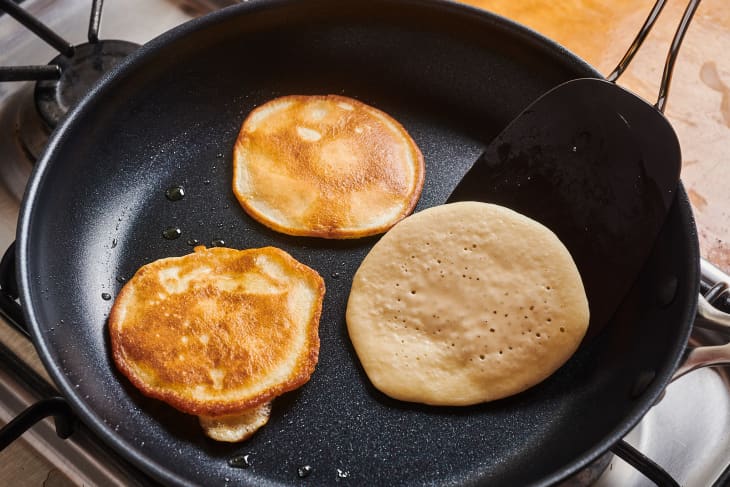
How you cook with your nonstick cookware matters just as much as how you clean it. The way you apply heat and interact with the pan during cooking directly impacts how long the nonstick coating lasts. To extend the life of nonstick cookware, you need to adopt cooking methods that minimize stress on the surface.
Keep heat at medium or lower whenever possible. High heat is one of the biggest enemies of nonstick coatings because extreme temperatures can cause the polymer to break down faster and release particles. Most nonstick pans perform beautifully at medium heat anyway, so you're not sacrificing functionality by cooking cooler.
Use the right utensils for cooking with nonstick cookware:
• Choose wooden spoons, silicone spatulas, and bamboo utensils for stirring and flipping
• Avoid metal utensils including forks and metal whisks that scratch the surface
• Use soft-tipped tongs instead of metal versions
• Never cut or scrape food directly on the cooking surface
Additionally, avoid cooking with acidic ingredients directly on high heat in nonstick pans. While occasional use of tomato-based sauces or vinegar-based dishes is fine, repeated exposure to acidic foods at high temperatures can deteriorate the coating more quickly. This simple awareness helps you extend the life of nonstick cookware significantly.

Proper Storage Methods for Nonstick Pans
Storage might seem like a small detail, but it plays a surprising role in extending the life of nonstick cookware. How you store your pans between uses can prevent unnecessary damage and keep the coating in prime condition.
The foundation of proper storage is keeping your nonstick cookware stacked safely without scratching:
• Store pans with soft pot protectors, cloth towels, or paper towels between each piece
• Hang nonstick pans on a wall rack rather than stacking them if you have the space
• Avoid storing metal lids directly on the nonstick surface
• Keep pans in a cool, dry location away from extreme temperature changes
• Store cookware upright when possible to reduce pressure on the coating
I rearranged my kitchen cabinet last year to accommodate hanging storage for my nonstick pans. The difference in how they've stayed protected is remarkable. Since that change, the pans show virtually no new scratches, which tells me that storage method directly impacts how long you can extend the life of nonstick cookware.
Using Proper Cookware Liners and Protectors
Investing in cookware protectors is a smart way to extend the life of nonstick cookware without much effort. These simple tools create a barrier between your pans and whatever might scratch them during storage or use.
Consider these protective products:
• Nonstick pan separators made from felt or silicone for stacking
• Soft silicone pot protectors that wrap around pan handles
• Paper towel or cloth liners between stacked cookware
• Specialized nonstick cookware storage bags for travel or long-term storage
These protectors cost just a few dollars but can add years to your nonstick pans' lifespan. I keep a small pack of felt separators in my kitchen drawer and use one between each pan when stacking. It's become such an automatic habit that I barely notice the extra step, yet it's one of the most effective strategies I've found to extend the life of nonstick cookware.
Seasonal Maintenance and Deep Cleaning
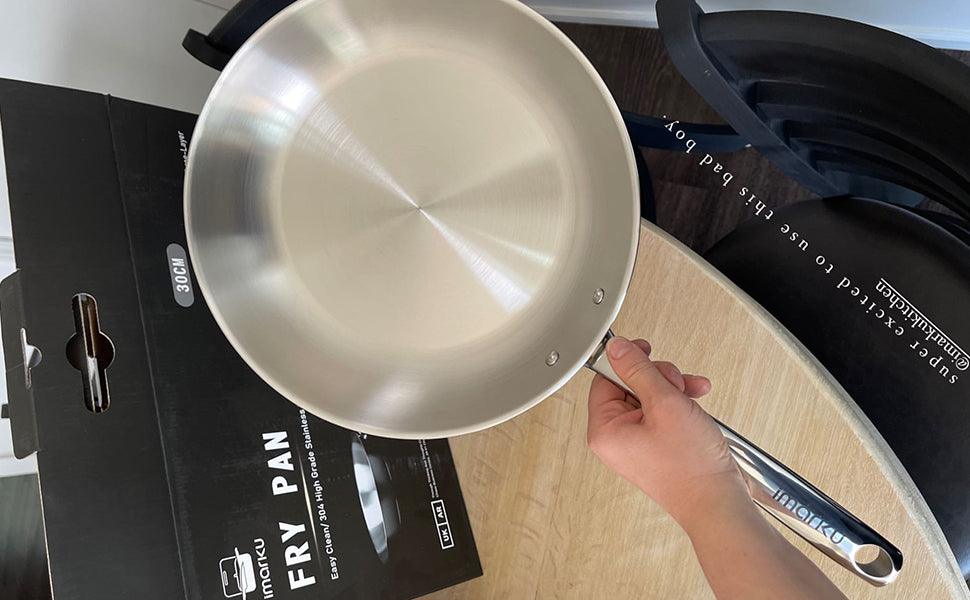
Beyond daily cleaning, nonstick cookware benefits from periodic seasonal maintenance to extend the life of nonstick cookware and keep it looking fresh. Deep cleaning removes buildup that accumulates over months of regular use and can eventually compromise the coating's performance.
For seasonal maintenance, try these approaches:
• Create a paste with baking soda and water, then gently wipe the pan surface and rinse thoroughly
• Use white vinegar as a mild cleaner that removes mineral deposits without damaging the coating
• Wipe the exterior of pans to remove cooking residue and splatters
• Check the coating for any signs of peeling or damage that might need attention
• Season the pan lightly by coating with a high-heat oil and wiping away excess
This maintenance routine takes just fifteen minutes per pan but dramatically impacts longevity. During fall, I dedicate an evening to deep cleaning all my nonstick cookware. Afterward, they look renewed and perform noticeably better, which reinforces why extend the life of nonstick cookware through maintenance is such a worthwhile practice.
Knowing When to Replace Your Nonstick Cookware
Even with excellent care, nonstick cookware eventually reaches the end of its useful life. Recognizing the signs that it's time to replace your pans helps you understand when extending the life of nonstick cookware becomes less practical than upgrading.
Warning signs that your nonstick cookware needs replacement include:
• Visible flaking or peeling of the coating
• Rust spots or discoloration that won't come clean
• Handles that loosen or become wobbly
• Food sticking noticeably more than before, indicating coating deterioration
• Warping or uneven surfaces that prevent proper cooking contact
These indicators suggest that the nonstick coating has degraded beyond its protective capacity. At this point, cooking with the damaged cookware can potentially release particles into your food, making replacement the safer choice. I usually get five to seven years from my nonstick pans with proper care, and I consider that excellent value. When that time comes, I don't hesitate to retire them responsibly.

Investing in Quality Nonstick Cookware
The quality of your initial investment significantly affects how long you can extend the life of nonstick cookware. Higher-quality nonstick cookware typically features thicker coating layers and more durable base materials that resist deterioration better than budget options.
Premium nonstick cookware generally includes:
• Multilayered nonstick coatings that last longer than single-layer options
• Heavy-gauge bottoms that distribute heat evenly and resist warping
• Secure handles and rivets that maintain structural integrity
• PTFE-free alternatives like ceramic coatings for different durability characteristics
• Manufacturer warranties that reflect confidence in longevity
While quality cookware requires a larger upfront investment, it's ultimately more economical because you don't need to replace it as frequently. I've learned through experience that spending twice as much on premium nonstick cookware actually saves money because I can extend the life of nonstick cookware to 10+ years rather than 3-4 years with cheaper versions. The better construction simply holds up to regular use more effectively.
Ceramic and Alternative Nonstick Coatings
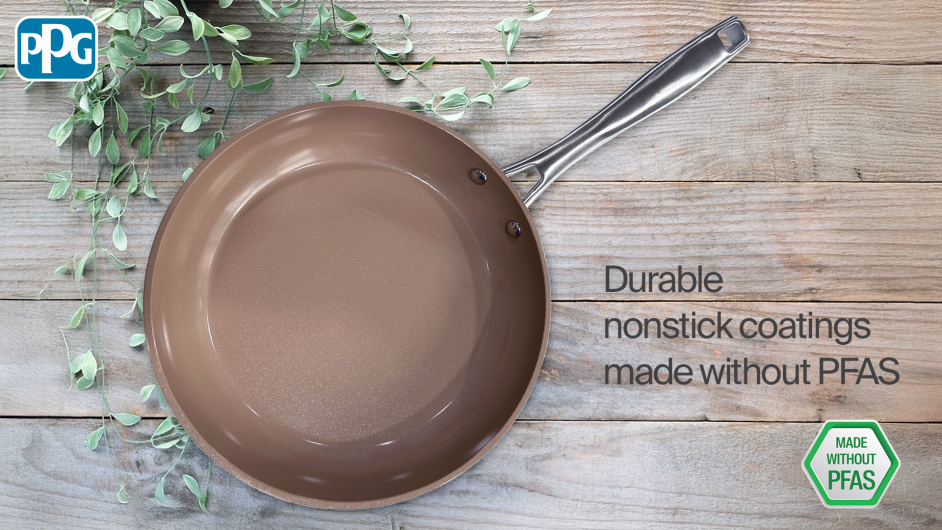
If you're exploring options to extend the life of nonstick cookware, it's worth understanding that PTFE isn't your only choice. Ceramic and other nonstick alternatives offer different durability profiles and might suit your cooking style better.
Ceramic nonstick cookware characteristics:
• Generally considered more environmentally friendly without fluorochemicals
• Can be slightly less nonstick than PTFE but improves with proper seasoning
• Often more scratch-resistant than traditional nonstick
• Requires similar careful handling but sometimes lasts equally long
While ceramic coatings aren't necessarily more durable than quality PTFE options, they represent a viable alternative if you prefer to avoid fluoropolymers. Some home cooks report successfully extending the life of nonstick cookware longer with ceramic because the coating seems more resistant to certain types of damage. However, this varies by brand and manufacturing quality, so research specific products before purchasing.
Common Mistakes That Damage Nonstick Cookware
Understanding what not to do is just as important as knowing best practices for extending the life of nonstick cookware. Many people inadvertently shorten their cookware's lifespan through innocent but damaging habits.
Avoid these common mistakes:
• Preheating empty pans at high temperatures, which creates stress on the coating
• Using cooking sprays that build up residue and degrade the surface
• Leaving cookware on the burner unattended at high heat
• Mixing nonstick cookware in the dishwasher with other items that might scratch it
• Using abrasive cleaners or bleach-based products designed for other surfaces
• Cutting directly on the cooking surface with knives
I once believed that cooking sprays were helpful for nonstick pans, but I later learned they actually compromise the coating over time. That realization led me to switch to butter or oil instead, which extends the life of nonstick cookware much more effectively. Small adjustments like this add up to significantly longer-lasting cookware.
The Role of Oil and Seasoning in Nonstick Maintenance
While nonstick cookware doesn't require seasoning like cast iron, occasional light oiling can help maintain the coating's integrity and extend the life of nonstick cookware. Understanding how to use fats properly prevents buildup while providing subtle protection.
Best practices for using oils with nonstick cookware:
• Use a small amount of high-heat oil (avocado, vegetable, or grapeseed oil)
• Apply oil to the warm (not hot) pan and wipe away excess immediately
• Avoid oils with low smoke points that create sticky residue
• Never apply spray oils that accumulate and degrade the coating
• Season pans lightly every few months rather than after each use
This practice takes less than a minute per pan but provides noticeable benefits. Every few months when I deep clean my cookware, I finish by wiping each pan with a barely-damp cloth containing just a whisper of oil. That simple step seems to keep the nonstick surface fresher and helps extend the life of nonstick cookware throughout its useful years.
Environmental Considerations When Disposing of Old Cookware
When it finally comes time to retire your nonstick cookware, disposing of it responsibly matters both for personal safety and environmental impact. Understanding proper disposal helps you extend the life of nonstick cookware consciously by making informed replacement decisions.
Responsible disposal options include:
• Check with local waste facilities about proper hazardous materials disposal for PTFE cookware
• Donate cookware that's still functional to thrift stores or charities
• Contact manufacturers about take-back programs for old cookware
• Recycle the metal base separately from nonstick coating if possible
• Avoid throwing nonstick cookware in standard trash when damaged
This awareness makes the entire lifecycle of cookware, from purchase through disposal, part of a thoughtful consumption pattern. When you recognize that extending the life of nonstick cookware also means less waste and environmental impact, the motivation to care for your pans becomes even stronger.
Frequently Asked Questions
How long do nonstick pans typically last with proper care?
Quality nonstick cookware lasts five to ten years with proper care and maintenance. Premium brands sometimes extend beyond ten years, while budget cookware might deteriorate within three to four years, making the initial investment quality a key factor.
Can I repair a nonstick coating that's starting to flake?
Unfortunately, flaking nonstick coatings cannot be reliably repaired, and cooking with damaged coatings is not recommended. Once the coating begins peeling or showing bare spots, it's best to retire that cookware and replace it with a new pan.
Is it safe to use nonstick pans with visible wear?
Nonstick pans with significant wear, flaking, or peeling should not be used for cooking because the degraded coating may release particles into your food. Retire pans once damage becomes visible to maintain food safety and health.
What's the best way to remove stuck-on food without scratching nonstick?
Soak the pan briefly in warm soapy water to soften stuck food, then gently wipe with a soft sponge. You can use a paste of baking soda and water for stubborn spots, but avoid hard scrubbing that damages the nonstick surface.
Should I preheat nonstick cookware before cooking?
Preheat nonstick cookware briefly at medium heat, but never preheat empty pans at high temperatures. Excessive preheating without food stresses the coating and accelerates wear, so add ingredients as soon as the pan is ready.
Are expensive nonstick pans worth the investment?
Quality nonstick cookware justifies its higher cost because it lasts significantly longer than budget options. Premium cookware typically delivers five to ten years of reliable performance, making it more economical than repeatedly replacing cheaper pans.
Taking Ownership of Your Nonstick Cookware Investment
Your nonstick cookware is a valuable kitchen tool that deserves respect and care. By implementing the strategies throughout this guide, you now have everything needed to extend the life of nonstick cookware far beyond what most people achieve. The difference between cookware that deteriorates in three years and cookware that performs beautifully for a decade comes down to consistent, thoughtful habits rather than luck or expense.
Start today by evaluating your current practices and identifying one or two changes to implement immediately. Perhaps it's switching to hand washing, adopting softer utensils, or investing in pan separators for storage. Whatever you choose, that first step toward better cookware care begins a transformation in how long your kitchen tools last. Share your nonstick success stories with fellow cooks, and help them discover that extending the life of nonstick cookware is absolutely achievable with knowledge and commitment.

Leave a Reply