
Enameled cast iron cookware is a durable, versatile kitchen essential that combines traditional cooking performance with modern convenience and aesthetic appeal. If you're wondering whether enameled cast iron deserves a spot in your kitchen, you're asking the right question. This comprehensive enameled cast iron cookware guide will walk you through everything you need to know about selecting, using, and maintaining these beloved cooking vessels. Whether you're a seasoned home cook or just starting your culinary journey, understanding the ins and outs of enameled cast iron cookware will help you make informed decisions and get the most out of your investment.

Why Choose Enameled Cast Iron Cookware
Enameled cast iron cookware has become increasingly popular over the past couple of decades, and for good reason. Unlike traditional bare cast iron, enameled cast iron cookware comes with a glass-like enamel coating that sits on top of the cast iron base. This coating eliminates the need for seasoning, which is one of the biggest appeals for modern cooks. When I first switched to enameled cast iron cookware, I was amazed at how much simpler the maintenance became compared to my grandmother's bare cast iron skillet.
The primary advantage of enameled cast iron cookware is its non-reactive surface. This means you can cook acidic foods like tomato sauce, citrus, and wine without worrying about the food reacting with the metal, which can happen with unseasoned cast iron. The enamel layer acts as a protective barrier, keeping your food tasting pure and untainted by metallic flavors.
Another compelling reason to invest in enameled cast iron cookware is its excellent heat retention and distribution. Cast iron heats evenly and maintains consistent temperatures throughout cooking, which translates to better browning, more flavorful results, and professional-quality meals at home. The thermal mass of enameled cast iron cookware ensures that your food cooks predictably, whether you're braising, baking, or searing.
Durability is another hallmark of quality enameled cast iron cookware. With proper care, these pieces can last for decades or even become family heirlooms. I've used the same Dutch oven from my collection for over fifteen years, and it performs as beautifully today as it did when I first purchased it. The combination of cast iron's inherent strength and the protective enamel coating creates cookware that truly stands the test of time.

Understanding the Construction of Enameled Cast Iron Cookware
To truly appreciate enameled cast iron cookware, it helps to understand how it's made. The process begins with molten cast iron that's poured into molds to create the base. Once the cast iron cools and solidifies, the enamel coating is applied. This isn't paint or a thin layer—quality enameled cast iron cookware features a substantial glass-based enamel that's fused to the cast iron through high-temperature firing.
The thickness of the enamel coating varies among manufacturers of enameled cast iron cookware. Premium brands typically use thicker enamel applications, which provide better durability and resistance to chipping. Budget-friendly options might have thinner enamel that, while functional, may be more prone to damage over time. The weight of the cast iron base also matters when evaluating enameled cast iron cookware. Heavier pieces tend to distribute heat more evenly and are less likely to warp.
The handles of enameled cast iron cookware are typically made from cast iron as well, coated with enamel or other heat-resistant materials. Some cookware has stainless steel handles, which offer better ergonomic design but may conduct heat differently. When shopping for enameled cast iron cookware, pay attention to handle design and weight distribution to ensure comfortable, safe handling.
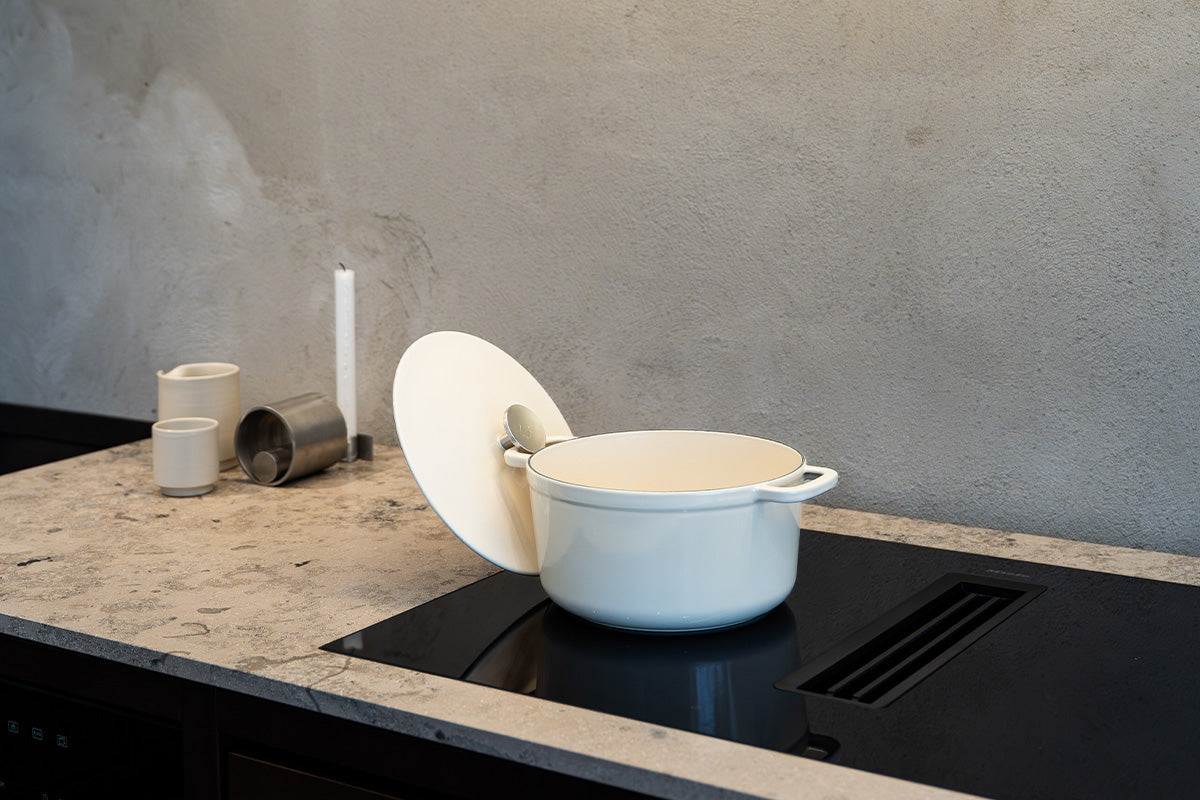
Interior enamel surfaces on quality enameled cast iron cookware are usually cream or white, making it easy to see your food and monitor cooking progress. The exterior can be any color, from classic red and blue to trendy matte black or vibrant orange. The interior enamel quality is particularly important since this is what touches your food and experiences the most wear from cooking and cleaning.
Types of Enameled Cast Iron Cookware and Their Uses
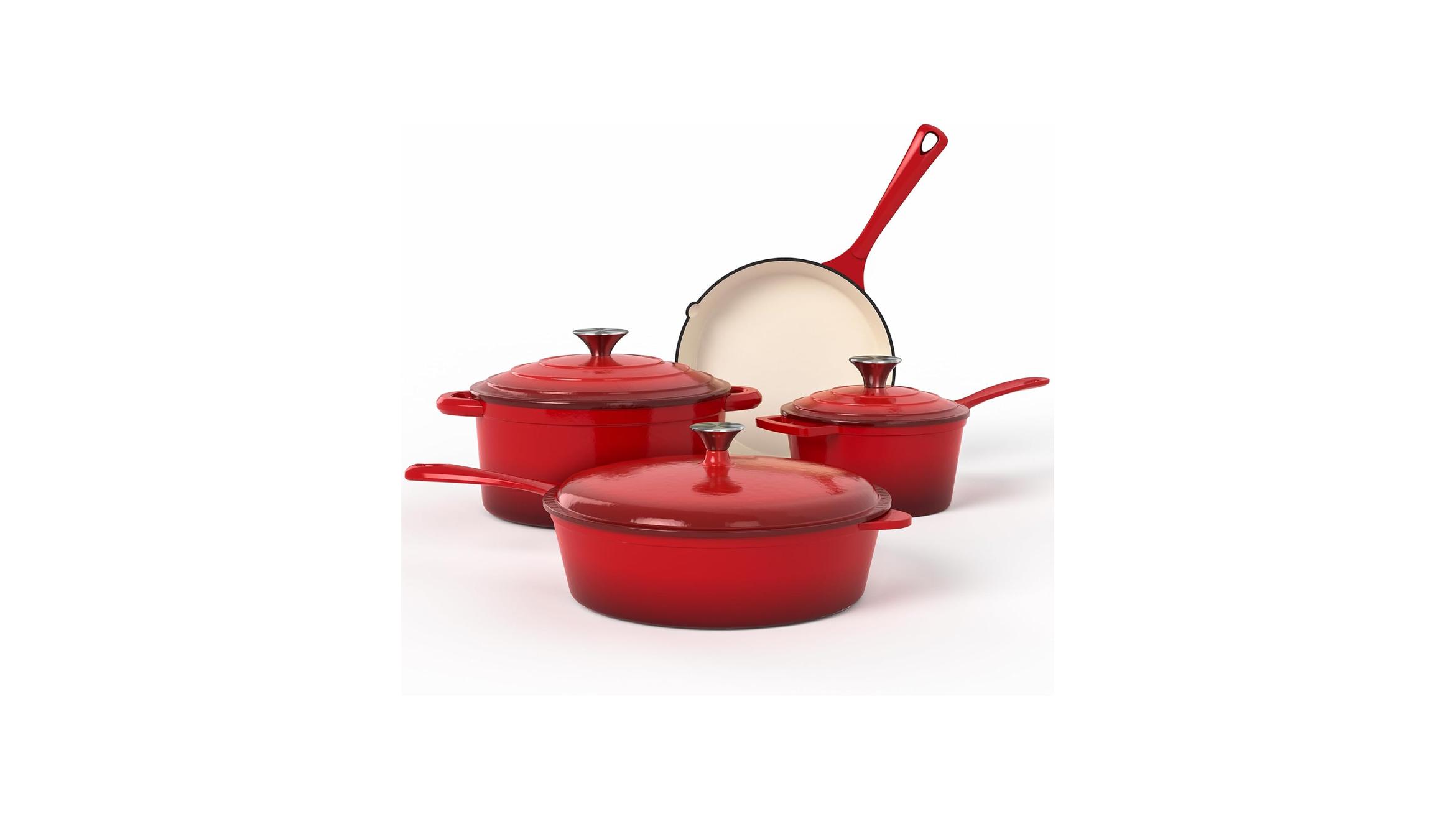
Enameled cast iron cookware comes in many shapes and sizes, each designed for specific cooking purposes. Understanding the different types of enameled cast iron cookware will help you build a versatile kitchen collection that handles everything from everyday meals to special occasion cooking.
The Dutch oven is perhaps the most versatile piece of enameled cast iron cookware. These large, heavy pots with tight-fitting lids excel at braising, slow cooking, and making soups and stews. The superior heat retention of enameled cast iron cookware makes Dutch ovens perfect for oven cooking at high temperatures. I use my Dutch oven at least twice weekly for everything from pot roasts to bread baking.
Enameled cast iron cookware also includes skillets and frying pans, which range from small individual sizes to large ten-inch options. These work beautifully for browning meats, searing vegetables, and making skillet dinners. The heat distribution properties of enameled cast iron cookware mean your food browns evenly without hot spots.
Baking dishes and shallow casseroles are another category of enameled cast iron cookware. These rectangular or oval pieces are perfect for gratins, baked pasta dishes, and casseroles that benefit from oven cooking. Their aesthetic appeal means they can go directly from oven to table, eliminating extra dishwashing.
Specialized enameled cast iron cookware includes griddles, grill pans, and shallow braising pans. Each type is engineered for specific cooking tasks, making them valuable additions if you have particular cooking interests. French-style enameled cast iron cookware tends toward traditional designs, while contemporary options offer modern aesthetics.

Selecting Quality Enameled Cast Iron Cookware
Choosing the right enameled cast iron cookware requires paying attention to several key factors. Brand reputation matters significantly when investing in enameled cast iron cookware. Established manufacturers have built their names on producing reliable, long-lasting cookware, while newer brands may offer good value but less proven durability.
Weight is an important indicator of quality enameled cast iron cookware. When you pick up a piece, it should feel substantial and well-made. Lightweight enameled cast iron cookware might cook adequately but often doesn't retain heat as effectively and may be prone to warping. Heavier construction generally indicates superior quality.
Examine the enamel coating closely on any enameled cast iron cookware you're considering. Run your hand over the interior surface to ensure it's smooth without rough spots or imperfections. Look for even color and coverage with no bare spots. Small imperfections are normal in hand-poured pieces, but significant defects indicate lower quality.
The fit of the lid on enameled cast iron cookware is another quality marker. A well-fitting lid that sits snugly helps trap moisture during cooking and ensures even heat distribution. Loose-fitting lids on enameled cast iron cookware can allow excess evaporation and heat loss.
Price is a factor, but don't assume the most expensive enameled cast iron cookware is always the best. Many mid-range brands offer exceptional quality at more affordable prices. However, extremely budget enameled cast iron cookware often disappoints with thin enamel that chips easily and uneven heat distribution.

Proper Care and Maintenance of Enameled Cast Iron Cookware
One of the biggest advantages of enameled cast iron cookware is its easy maintenance compared to bare cast iron. However, proper care will extend the life of your enameled cast iron cookware and keep it looking beautiful for years.
Hand washing is the recommended method for caring for enameled cast iron cookware. While some manufacturers claim their enameled cast iron cookware is dishwasher safe, hand washing is gentler and more effective. Use warm soapy water and a soft sponge or cloth, avoiding abrasive scrubbers that can damage the enamel. Dry your enameled cast iron cookware immediately after washing to prevent water spots.
For stubborn food residue on enameled cast iron cookware, soak the piece in warm water for a few minutes before washing. This loosens baked-on food without requiring aggressive scrubbing. If stuck-on food persists, a paste of baking soda and water works wonders on enameled cast iron cookware without damaging the finish.
Never use steel wool, metal scouring pads, or harsh abrasive cleaners on enameled cast iron cookware. These tools can scratch and chip the enamel coating, exposing the raw cast iron underneath. Once the enamel is compromised on enameled cast iron cookware, rust can develop in the damaged area.
Storage of enameled cast iron cookware should be in a cool, dry place. If stacking pieces, place a towel or paper towel between them to prevent chips and scratches. Humidity isn't as much of a concern with enameled cast iron cookware as with bare cast iron, but you still want to keep them in a dry environment to prevent any potential rust on the rims or handles.

Cooking Tips for Getting the Most from Enameled Cast Iron Cookware
Using enameled cast iron cookware effectively requires understanding how its properties affect cooking. The excellent heat retention of enameled cast iron cookware means you should preheat it properly before cooking. Give your enameled cast iron cookware several minutes to heat evenly, especially if you're searing or browning foods.
Temperature management is crucial when using enameled cast iron cookware. Because the cookware retains heat so effectively, it can maintain high temperatures for extended periods. This is perfect for braising and slow cooking but means you might need to reduce heat during stovetop cooking to prevent burning. The thermal properties of enameled cast iron cookware reward experimentation and adjustment.
When cooking with enameled cast iron cookware, use medium to medium-high heat for most tasks. High heat isn't necessary and can stress the enamel over time. The superior heat retention of enameled cast iron cookware means lower heat settings often produce the same or better results than you'd achieve with other cookware.
Oil or fat requirements are minimal with enameled cast iron cookware due to the smooth enamel surface. Unlike bare cast iron, you don't need to build up seasoning, so a light coating of cooking oil is all that's necessary. The non-stick properties improve over time as the enamel seasons naturally from cooking.
Acidic ingredients like tomato sauce, wine, and lemon juice are perfectly safe in enameled cast iron cookware. This is one of the major advantages over bare cast iron. However, avoid leaving acidic foods sitting in the cookware for extended periods, as prolonged contact can eventually damage the enamel. Prepare your dish and serve promptly after cooking.

Common Misconceptions About Enameled Cast Iron Cookware
Several myths about enameled cast iron cookware circulate among home cooks. One widespread misconception is that enameled cast iron cookware requires seasoning like bare cast iron. This is false—the whole point of the enamel coating is to eliminate the need for seasoning. The non-stick properties of enameled cast iron cookware come from the smooth, glass-like surface, not from seasoning buildup.
Another misconception is that enameled cast iron cookware isn't suitable for high-heat cooking. While it's true that extremely high temperatures can damage the enamel, normal stovetop and oven cooking at reasonable temperatures poses no problem. The enamel on quality enameled cast iron cookware can handle temperatures well above typical cooking needs.
Some people believe enameled cast iron cookware is fragile and chips easily. While the enamel can be damaged by physical impacts or abrasive materials, everyday use and proper care produce years of reliable performance. The durability of enameled cast iron cookware is one of its defining characteristics.
A final misconception is that all enameled cast iron cookware brands offer equal quality. In reality, significant differences exist between manufacturers in terms of enamel thickness, cast iron quality, and construction methods. Researching brands and reading reviews provides valuable insight into the quality of different enameled cast iron cookware options.

Budget-Friendly Enameled Cast Iron Cookware Options
Investing in enameled cast iron cookware doesn't require breaking the bank. Excellent budget-friendly enameled cast iron cookware options exist that offer good quality at lower price points. Many people start their enameled cast iron cookware collection with one or two versatile pieces, then expand over time.
The Dutch oven is the most essential piece if you're starting a budget enameled cast iron cookware collection. A five to six-quart Dutch oven in enameled cast iron cookware will handle soups, stews, braised dishes, and bread baking. Many budget brands offer good enameled cast iron cookware Dutch ovens at reasonable prices.
Discount retailers and online marketplaces frequently offer enameled cast iron cookware at reduced prices. Sales happen regularly, particularly during holiday seasons. Setting up price alerts for the enameled cast iron cookware you want allows you to purchase at the best price.
Store brands at various retailers produce respectable enameled cast iron cookware at competitive prices. While they might not match the prestige of premium brands, the quality is often quite good. I've found several store-brand pieces of enameled cast iron cookware that perform beautifully.
Buying used or vintage enameled cast iron cookware is another way to save money. Estate sales, thrift stores, and online marketplaces often have excellent enameled cast iron cookware at fraction of retail prices. Vintage pieces, if in good condition, often outlast newer cookware.
Premium Enameled Cast Iron Cookware Brands and Their Distinction
For those with budget flexibility, premium enameled cast iron cookware brands offer exceptional quality and often beautiful design. These established manufacturers have perfected the craft of enameled cast iron cookware over decades or centuries.
The most recognizable premium enameled cast iron cookware brand produces cookware in France with meticulous attention to detail. Each piece is hand-poured and individually inspected, making the quality of enameled cast iron cookware exceptionally high. The color range for their enameled cast iron cookware is extensive, allowing for both practical and decorative pieces.
Other respected enameled cast iron cookware manufacturers focus on traditional designs and superior craftsmanship. These brands often produce enameled cast iron cookware that becomes heirloom pieces, passed down through generations. The premium pricing reflects the quality and longevity of their enameled cast iron cookware.
Japanese manufacturers have entered the enameled cast iron cookware market with exceptional products that emphasize modern design and functionality. Their enameled cast iron cookware often features refined aesthetics while maintaining the robust performance associated with cast iron.
Investing in premium enameled cast iron cookware makes sense if you cook frequently and value aesthetics as well as performance. These pieces become beloved kitchen tools and often represent the pinnacle of enameled cast iron cookware quality and design.
Troubleshooting Common Issues with Enameled Cast Iron Cookware
Despite proper care, issues can occasionally arise with enameled cast iron cookware. Understanding how to address problems helps preserve your investment and extend the life of your enameled cast iron cookware.
Chipping of the enamel on enameled cast iron cookware can occur from impact or abrasive cleaning. Minor chips don't require immediate action but should be monitored. If bare cast iron becomes exposed, apply a ceramic epoxy or similar food-safe sealant to prevent rust development. Small chips in enameled cast iron cookware don't significantly affect cooking performance.
Discoloration or staining of the interior enamel is common on enameled cast iron cookware and rarely indicates a problem. Over time, the cream or white enamel may darken or develop brown stains from cooking. This is cosmetic and doesn't affect the function or safety of enameled cast iron cookware. Severe staining can sometimes be lightened with a baking soda paste.
Thermal shock can crack the enamel on enameled cast iron cookware. Avoid placing hot enameled cast iron cookware directly under cold running water or on cold surfaces. Allow cookware to cool before washing. This is particularly important with quality enameled cast iron cookware investment pieces.
Rust spots on the rims or handles of enameled cast iron cookware indicate exposure to moisture. If you notice rust beginning to form on your enameled cast iron cookware, dry it immediately and store in a dry location. Very light surface rust can usually be removed with a damp cloth and gentle rubbing.
Enameled Cast Iron Cookware for Different Cooking Styles
Whether you're a baker, a braising enthusiast, or someone who enjoys quick stovetop meals, enameled cast iron cookware has options for your cooking style. The versatility of enameled cast iron cookware makes it suitable for virtually any cooking method.
For bread baking, a large enameled cast iron cookware Dutch oven creates the ideal environment. The tight-fitting lid traps steam, producing beautiful crusty bread with an open crumb structure. Many home bakers swear by their enameled cast iron cookware for consistently perfect loaves.
Slow cooking and braising benefit tremendously from enameled cast iron cookware. The even heat distribution and superior heat retention mean food cooks gently and evenly. The enamel coating allows you to use acidic ingredients like wine and tomatoes without concern, making enameled cast iron cookware ideal for classic braise recipes.
Skillet cooking for everything from breakfast pancakes to evening stir-fries works beautifully with enameled cast iron cookware. The heat retention ensures even browning, while the large surface area accommodates multiple items. Enameled cast iron cookware skillets bridge the gap between everyday cooking and special occasion meals.
One-pot dinners showcase the versatility of enameled cast iron cookware. You can sear ingredients on the stovetop, then transfer your enameled cast iron cookware directly to the oven for finishing. This streamlined cooking method produces flavorful meals with minimal cleanup.
The Environmental Impact of Choosing Enameled Cast Iron Cookware
In an age of increasing environmental consciousness, enameled cast iron cookware stands out as a sustainable choice. The longevity of enameled cast iron cookware means less frequent replacement than other cookware types, reducing waste and resource consumption.
Cast iron production does require significant energy, but the durability of enameled cast iron cookware spreads that environmental cost over decades of use. Compare this to non-stick cookware that must be replaced every few years, and enameled cast iron cookware emerges as the more environmentally responsible option. The sustainability of enameled cast iron cookware appeals to eco-conscious cooks.
The manufacturing of enameled cast iron cookware has also become increasingly environmentally conscious. Many modern manufacturers implement sustainable practices in production, reducing emissions and waste. Some enameled cast iron cookware brands source their materials responsibly and maintain ethical labor practices.
Choosing enameled cast iron cookware supports a circular economy approach to cooking. These pieces can be passed down, sold secondhand, or repurposed rather than discarded. The longevity of enameled cast iron cookware makes it an investment that transcends generations and reduces the constant consumption cycle of other cookware types.
Frequently Asked Questions
Can you use enameled cast iron cookware on glass cooktops?
Yes, enameled cast iron cookware works on glass cooktops, but use caution. The heavy weight of enameled cast iron cookware can potentially damage the cooktop if dropped, so handle pieces carefully. Support the entire flat bottom of your enameled cast iron cookware directly on the heat surface to avoid concentrated pressure in one spot.
Is enameled cast iron cookware induction compatible?
Most enameled cast iron cookware is induction compatible because cast iron is magnetic. Before purchasing, verify that your specific enameled cast iron cookware is labeled as induction-safe, as some lightweight pieces may not work properly on induction cooktops. The thermal properties of enameled cast iron cookware make it an excellent choice for induction cooking.
What's the difference between enameled cast iron cookware and ceramic-coated cookware?
Enameled cast iron cookware features a glass-based enamel fused to cast iron at high temperatures, creating a permanent, durable surface. Ceramic-coated cookware involves a ceramic non-stick coating applied to aluminum or steel, which tends to wear off faster. Enameled cast iron cookware generally outlasts ceramic-coated options by years or decades.
Can you use cooking spray on enameled cast iron cookware?
While some cooking sprays can be used on enameled cast iron cookware, they may leave residue that builds up over time. Oil applied directly works better for enameled cast iron cookware and provides more control over the amount used. Avoid aerosol sprays when possible to keep your enameled cast iron cookware cleaner.
How do you remove discoloration from enameled cast iron cookware?
For stains on enameled cast iron cookware, create a paste using baking soda and water and gently scrub the interior. For more stubborn discoloration, soak the enameled cast iron cookware in a solution of baking soda and water for several hours before scrubbing. Bar Keeper's Friend can also safely clean enameled cast iron cookware when used according to product directions.
Does enameled cast iron cookware conduct heat differently than bare cast iron?
Enameled cast iron cookware conducts heat essentially the same as bare cast iron since the enamel is a thin surface coating. The thermal mass and heat distribution properties remain unchanged. The main difference is that enameled cast iron cookware doesn't require seasoning and won't react with acidic foods.
What sizes of enameled cast iron cookware are most practical for beginners?
For beginners, a 5 to 6-quart enameled cast iron cookware Dutch oven and an 10-inch skillet provide a versatile foundation. These sizes handle most home cooking tasks from braising to browning. Starting with essential enameled cast iron cookware pieces allows you to expand your collection as your cooking interests develop.
Conclusion
Enameled cast iron cookware represents an excellent investment for anyone seeking durable, versatile, and aesthetically pleasing cooking vessels. The combination of superior heat retention, ease of maintenance, and remarkable longevity makes enameled cast iron cookware a smart choice that delivers value far beyond the initial purchase price. Whether you're starting with a single Dutch oven or building a comprehensive collection, enameled cast iron cookware will enhance your cooking experience and likely become cherished kitchen tools used for years to come.
Take the first step in your enameled cast iron cookware journey by selecting one quality piece that matches your cooking style. Whether you choose a budget-friendly option or splurge on a premium brand, your enameled cast iron cookware will reward you with consistent performance and reliability. Start building your collection today, and discover why home cooks around the world have embraced enameled cast iron cookware as an essential part of their kitchen arsenal.

Leave a Reply