
Enamel and cast iron are both excellent cookware choices, but they differ in maintenance, heat retention, and durability.
Choosing the right cookware can transform your cooking experience, and the debate between enamel-coated cast iron and traditional bare cast iron cookware is one that home cooks and professional chefs regularly navigate. Both options have earned their place in kitchens around the world, but they're distinctly different products that serve different purposes. Understanding these differences is essential if you want to make an informed decision that matches your cooking style, budget, and lifestyle.
I've spent years experimenting with various cookware types, and I've learned that neither enamel nor cast iron is universally "better." Instead, each has unique strengths and weaknesses that make them ideal for specific situations. Whether you're a busy parent looking for low-maintenance options, a cooking enthusiast who enjoys the ritual of seasoning, or someone simply trying to invest wisely in kitchen tools, this guide will help you understand exactly what sets these two cookware types apart.
Understanding Cast Iron Cookware
Cast iron cookware has been a kitchen staple for over two centuries, and there's a reason it's still popular today. This traditional cookware is made by pouring molten iron into molds, creating a dense, heavy cooking surface that distributes heat evenly and retains it exceptionally well. Bare cast iron requires seasoning, which is a process where thin layers of oil are baked onto the surface to create a non-stick patina over time.
The magic of cast iron cookware lies in its versatility and longevity. You can use it on the stovetop, in the oven, over a campfire, or even on a grill. A well-maintained cast iron skillet can last for generations, making it one of the most economical cookware investments you can make. Many people inherit cast iron pans from family members and continue using them for decades.
However, bare cast iron demands attention and care. It rusts easily if exposed to moisture without proper seasoning, requires regular maintenance to keep the non-stick surface intact, and can be challenging for beginners to manage. You also need to avoid cooking highly acidic foods like tomato sauce or lemon juice, as these can strip away the seasoning and affect your food's taste.

What Is Enamel Coated Cast Iron?
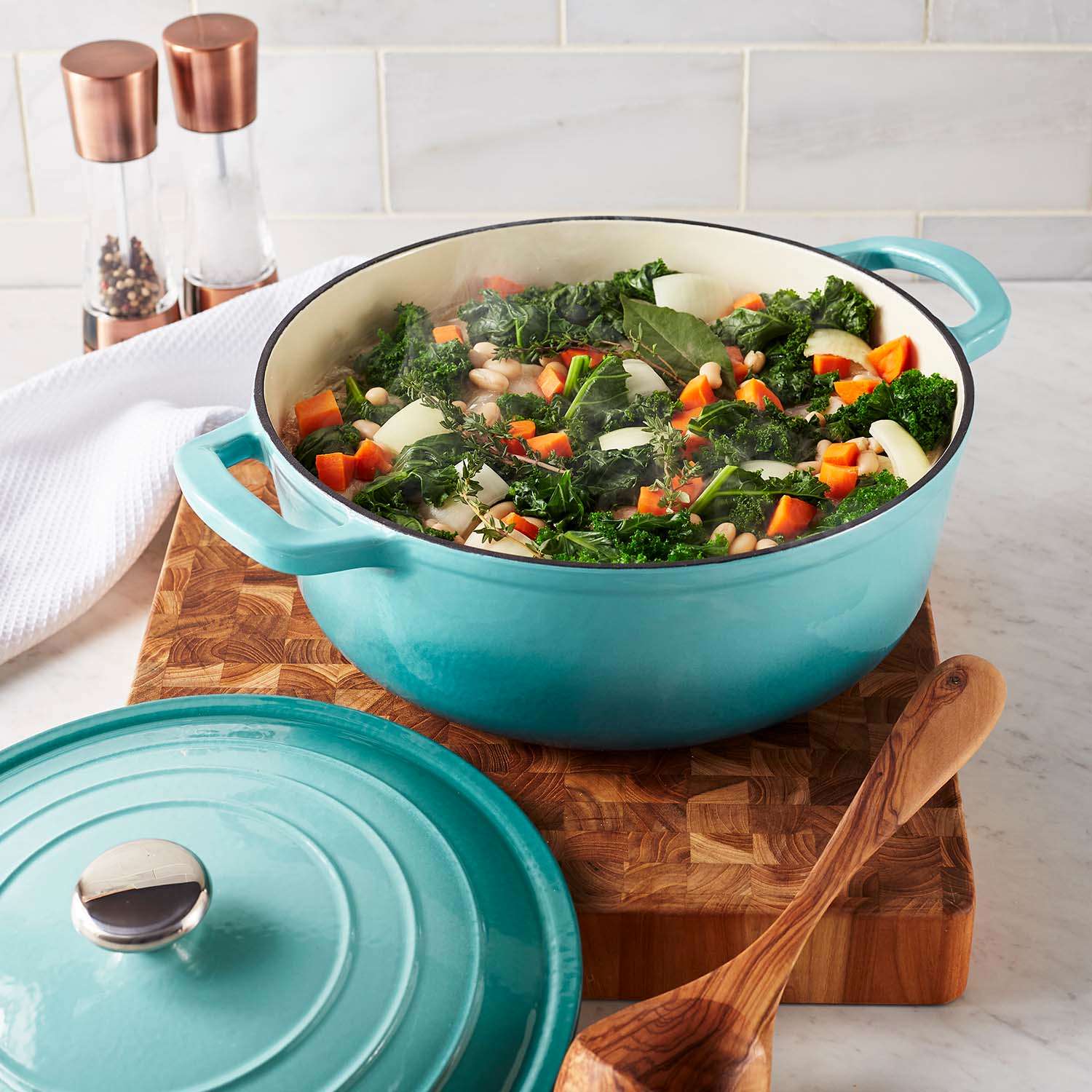
Enamel coated cast iron cookware combines the excellent heat retention properties of cast iron with a protective enamel glaze. This glaze is a glass-like coating fused to the cast iron surface during manufacturing. The enamel layer creates a naturally non-stick surface without requiring seasoning, and it protects the underlying iron from rust and corrosion.
Enamel cast iron cookware comes in various colors and finishes, making it both functional and aesthetically pleasing for kitchen display. Unlike bare cast iron, you don't need to build up seasoning over time because the enamel provides the non-stick properties right out of the box. This makes enamel coated cast iron more forgiving for new cooks and those who prefer low-maintenance cookware.
The enamel coating also means you can cook acidic dishes like pasta sauce or chili without worrying about damaging the surface or affecting your food's flavor. This versatility makes enamel coated cast iron an excellent choice for cooks who want the benefits of cast iron without the intensive maintenance requirements.
Heat Retention and Distribution Comparison
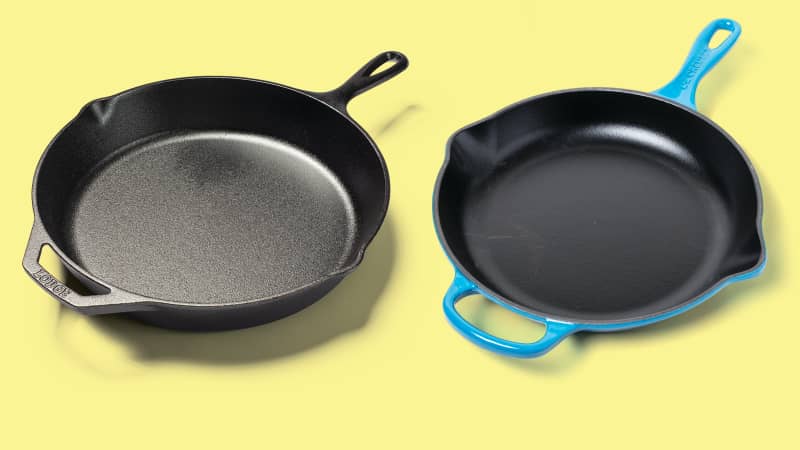
Both enamel and bare cast iron excel at heat retention and even distribution, which is one of the primary reasons cooks love cast iron cookware. The dense, heavy nature of cast iron means it absorbs heat thoroughly and releases it steadily throughout the cooking process. When you're searing a steak or baking cornbread, this consistent heat is invaluable.
The enamel coating doesn't significantly affect heat distribution since the heat passes through the enamel to the iron below. However, the enamel does conduct heat slightly less efficiently than bare iron, so it might take marginally longer for an enamel skillet to reach optimal cooking temperature. This difference is usually minimal and barely noticeable during everyday cooking.
One advantage of bare cast iron is that it can achieve slightly higher temperatures on the stovetop without damage. Enamel coatings can be damaged by extreme heat, so most manufacturers recommend avoiding prolonged exposure to very high temperatures. If you frequently cook at maximum heat levels, bare cast iron might be the better choice.

Seasoning Requirements: A Major Difference
The seasoning difference between enamel and bare cast iron cookware is perhaps the most significant distinction between these two options. Seasoning bare cast iron is a process where you coat the surface with oil and bake it in the oven, creating layers of polymerized fat that form a natural non-stick coating. This process takes time and requires consistent maintenance.
With bare cast iron, you'll need to season your cookware initially, then maintain the seasoning by wiping it with oil after each use. Over time, regular cooking actually helps build the seasoning, especially if you cook with oils and fats. Many experienced cooks find this process satisfying and enjoy watching their pans develop deeper, more lustrous seasoning over months and years.
Enamel coated cast iron cookware eliminates this entire process. The enamel provides the non-stick surface from day one, and you simply wash it like regular cookware. There's no seasoning to maintain, no need to season after each use, and no worry about accidentally stripping the surface with aggressive scrubbing. For busy individuals or those who want immediate results, enamel cast iron cookware offers significant convenience.

Maintenance and Care Differences
Maintaining bare cast iron cookware requires a different approach than caring for enamel coated cast iron. After each use, you should wipe your bare cast iron skillet with a paper towel to remove excess moisture, then apply a very thin coat of oil. Avoid soaking bare cast iron in water, and don't put it in the dishwasher. If you notice rust spots, you can scrub them away and re-season the affected area.
The enamel cookware maintenance routine is straightforward and resembles caring for regular cookware. You can wash it with warm soapy water, use a sponge or soft brush, and even place it in the dishwasher if you prefer. The enamel protects the iron underneath, so you don't need to worry about rust or moisture damage. This ease of care makes enamel cast iron cookware perfect for families or anyone who prefers simple, no-fuss kitchen cleanup.
One important note: while enamel cast iron cookware is more forgiving, the enamel coating can chip if the cookware is dropped or struck forcefully. Once the enamel is damaged, the exposed iron underneath can rust. Some people view this as a limitation, while others see it as a minor trade-off for years of low-maintenance cooking.

Cooking Performance and Versatility
When it comes to actual cooking performance, both enamel and bare cast iron cookware deliver excellent results. Both excel at searing meat, baking bread, roasting vegetables, and making skillet dinners. The cooking experience is virtually identical because the enamel coating doesn't significantly alter how heat transfers to your food.
The key difference in versatility relates to food types and acidity. Bare cast iron cookware develops rust and can leach iron into acidic foods if the seasoning is compromised. Enamel coated cast iron cookware handles acidic ingredients without concern, so you can confidently cook tomato-based dishes, citrus marinades, wine reductions, and vinegar-based recipes. This makes enamel cast iron more versatile for diverse cuisine styles.
Both cookware types work beautifully on gas, electric, and induction stovetops, though induction compatibility depends on the cookware's construction. They both transition seamlessly from stovetop to oven, making them ideal for recipes that start on the burner and finish in the oven. You can use either option for braising, frying, baking, and sautéing with equally impressive results.

Cost Considerations and Value
Bare cast iron cookware is typically the more affordable option, especially when you consider long-term value. A quality bare cast iron skillet can cost between fifteen and forty dollars, and that same skillet can last a lifetime with proper care. When you calculate the cost per year of use, it becomes remarkably economical.
Enamel coated cast iron cookware generally costs more upfront, ranging from thirty to eighty dollars or more for quality brands. However, you're paying for convenience and reduced maintenance requirements. When you factor in the time saved from not seasoning and the lower stress of caring for your cookware, many people find the extra expense worthwhile.
Consider your personal situation when evaluating cost. If you have limited kitchen time and prefer simplicity, the extra investment in enamel cast iron cookware makes financial sense. If you enjoy the process of seasoning and maintaining your cookware and want to minimize expenses, bare cast iron is the more economical choice.

Durability and Lifespan Comparison
Both enamel and bare cast iron cookware are incredibly durable when treated appropriately. Bare cast iron can literally last centuries with basic care, and many people use cast iron pans that belonged to their great-grandparents. The iron itself doesn't degrade under normal cooking conditions, and with periodic maintenance, it remains functional indefinitely.
Enamel coated cast iron cookware is also very durable, but its lifespan is somewhat dependent on the enamel coating's integrity. A quality enamel coating can last for decades, but chipping or cracking can shorten the usable life if the exposed iron isn't maintained. That said, even a damaged enamel pan can continue functioning; you simply need to treat the compromised area more carefully.
The real difference in durability comes down to how you use and store your cookware. Bare cast iron survives rough treatment better because there's nothing fragile to damage, while enamel cast iron cookware requires more gentle handling to preserve the coating. If you're accident-prone or have a busy household with kids, bare cast iron might prove more resilient in practice.

Weight and Handling
Both enamel and bare cast iron cookware are heavy, which is part of their appeal for even heat distribution but can be challenging for some users. A standard twelve-inch cast iron skillet weighs between four and five pounds, while an enamel coated version weighs roughly the same due to the thin coating. Neither option is light enough for frequent one-handed maneuvering.
The weight can be an advantage or disadvantage depending on your circumstances. For strength and stability while cooking, the weight is beneficial because the pan won't slide around on your stovetop. However, if you have arthritis, wrist weakness, or limited arm strength, the heaviness might make cast iron cookware difficult to handle comfortably.
Some people find that the weight becomes less noticeable over time as they develop more arm strength, while others struggle with it consistently. If weight is a concern, you might consider starting with smaller cookware sizes or exploring alternative materials like stainless steel or ceramic for certain cooking tasks.
Aesthetic Appeal and Kitchen Style
Bare cast iron cookware has a rustic, traditional aesthetic that appeals to many home cooks. The dark gray or black surface and heavy construction evoke a sense of authenticity and kitchen heritage. Many people enjoy displaying bare cast iron on open shelves or hanging it from a pot rack because it looks attractive and communicates culinary competence.
Enamel coated cast iron cookware offers significantly more aesthetic variety. You can choose from a rainbow of colors, from vibrant reds and oranges to soft pastels and whites. Many enamel cast iron brands offer stylish designs that complement modern kitchen decor while maintaining the functional benefits of cast iron. This makes enamel cast iron cookware particularly popular as a gifting option and for those who want cookware that doubles as kitchen decoration.
The visual appeal might seem secondary to function, but if you spend time in your kitchen and enjoy a welcoming, attractive cooking environment, the aesthetic dimension shouldn't be overlooked. Your cookware is part of your kitchen's personality, and choosing options you enjoy looking at can genuinely enhance your cooking experience.
Health and Safety Considerations
Both enamel and bare cast iron cookware are safe cooking options that don't release harmful chemicals into your food. Bare cast iron actually enriches your food with iron, which some people view as a minor nutritional benefit, though others worry about excessive iron intake. The amount of iron transferred is generally small and rarely problematic for healthy individuals.
Enamel coated cast iron cookware also poses no health concerns when properly manufactured. Modern enamel coatings are food-safe and don't leach into your food during normal cooking. The only health consideration arises if the enamel coating is damaged and you're exposed to the underlying iron, which is identical to using bare cast iron.
Some people prefer cast iron cookware because it avoids non-stick coatings like PTFE or PFOA, which have been subjects of health concerns. If you're seeking cookware made from traditional materials without modern synthetic coatings, both enamel and bare cast iron fit the bill perfectly.
When to Choose Bare Cast Iron
Bare cast iron cookware is ideal if you're patient, enjoy hands-on kitchen tool maintenance, and want the most economical long-term investment. If you cook primarily with oils and fats, avoid acidic ingredients, and appreciate traditional cooking methods, bare cast iron delivers outstanding performance. It's perfect for seasoned cooks who understand cast iron care and find the maintenance process rewarding rather than burdensome.
Choose bare cast iron if you frequently cook at very high temperatures or plan to use your cookware in rustic settings like campfire cooking. If you value the aesthetic of classic, rustic cookware and want something that builds character over time, bare cast iron is the poetic choice. It's also excellent if you have a large household and your cookware will receive consistent use that helps build and maintain the seasoning naturally.
Bare cast iron cookware is the superior choice if you're on a tight budget and willing to invest time in proper care. If you want cookware that can survive rough treatment and last for generations with minimal expense, bare cast iron is unbeatable.
When to Choose Enamel Coated Cast Iron
Enamel coated cast iron cookware is the better choice if you value convenience and low-maintenance kitchen tools. If you're new to cast iron cooking or haven't used it before, enamel eliminates the learning curve associated with seasoning and maintenance. It's perfect for cooks who want cast iron's excellent heat retention without the intensive care requirements.
Choose enamel coated cast iron if you frequently cook with acidic ingredients like tomatoes, wine, citrus, or vinegar. If you're time-limited and prefer simple cleanup that mimics regular cookware, enamel cast iron saves you hours over its lifetime. It's ideal if you have family members with different kitchen habits or if you struggle to maintain consistent seasoning routines.
Enamel cast iron cookware is the right choice if you prioritize aesthetic appeal and want cookware that coordinates with your kitchen decor. If you plan to display your cookware or gift it to someone special, the array of colors and styles available in enamel options makes them more visually interesting. Choose enamel if you want the emotional and practical benefits of cast iron without the commitment required for bare cast iron care.
Mixing Both Types in Your Kitchen
Many experienced cooks maintain both bare cast iron and enamel cast iron cookware because they serve complementary purposes. You might use bare cast iron for dry-heat cooking like searing steaks or baking cornbread, while reserving enamel cast iron for acidic or saucy dishes. This approach lets you maximize the benefits of each type while minimizing the drawbacks.
Having both options provides flexibility and allows you to choose the right tool for each cooking task. Your bare cast iron skillet might become your go-to for breakfast cooking, while your enamel Dutch oven handles braising and slow-cooked stews. Over time, you'll develop intuition about which pan works best for specific recipes and techniques.
The investment in acquiring both types is still economical when you consider that quality cast iron cookware of either type lasts for decades. Starting with one type and gradually adding the other allows you to spread the cost over time while building a versatile collection of reliable kitchen tools.
Frequently Asked Questions
Can you use bare cast iron on an induction stovetop?
Yes, bare cast iron works perfectly on induction cooktops because iron is magnetic. The induction coil heats the cast iron directly without requiring a flame or traditional heating element, making cast iron an excellent choice for induction cooking.
Is enamel cast iron cookware dishwasher safe?
Most enamel cast iron cookware is dishwasher safe, though many manufacturers recommend hand washing to extend the enamel coating's lifespan. Hand washing with warm soapy water is gentler and helps preserve the enamel's appearance.
Can you re-season enamel coated cast iron cookware?
Re-seasoning enamel coated cast iron isn't necessary or recommended because the enamel provides the non-stick surface. If you prefer a different cooking experience, you could remove the enamel coating, but this isn't a common practice and would require professional stripping.
How long does cast iron seasoning actually last?
Cast iron seasoning is permanent once properly established, as long as you maintain it with occasional oil applications. The seasoning builds over years of use and typically improves with time, becoming darker and more non-stick as more layers polymerize.
What happens if enamel cast iron cookware gets chipped?
Chipped enamel on cast iron cookware exposes the underlying iron, which can rust if exposed to moisture without protection. You can continue using the pan, but you should keep the exposed area dry and might want to treat it with oil to prevent rust development.
Is cast iron cookware good for beginners?
Enamel coated cast iron is better for beginners because it requires no seasoning and tolerates mistakes better than bare cast iron. Bare cast iron can be intimidating at first, but with education and patience, beginners can successfully learn to use and maintain it.
Conclusion
Your choice between enamel and bare cast iron cookware ultimately depends on your cooking habits, lifestyle, and personal preferences. Bare cast iron offers unmatched longevity and economy, rewarding patient cooks who enjoy the ritual of seasoning and maintenance. Enamel coated cast iron provides immediate non-stick convenience and versatility with acidic ingredients, making it ideal for busy cooks and those seeking simplicity.
Neither option is objectively superior because each excels in different contexts. The best approach is to honestly assess your situation: How much kitchen time do you have? Do you enjoy maintenance routines, or do you prefer minimal fuss? Will you cook frequently with acidic foods? How important is aesthetic appeal? Once you answer these questions, the right choice becomes obvious.
Consider starting with whichever option aligns with your current lifestyle, knowing that you can always expand your collection later. Many experienced cooks eventually own both types because they provide different benefits for different cooking scenarios. Whatever you choose, quality cast iron cookware represents one of the wisest investments you can make in your kitchen, promising years of reliable cooking performance and culinary enjoyment.
Start your cast iron journey today by researching specific brands and reading reviews from other cooks who share your priorities. Visit your local kitchenware store to feel the weight and construction of various options. Ask friends and family about their experiences with cast iron cookware. The more informed your decision, the more satisfaction you'll gain from your purchase.

Leave a Reply