
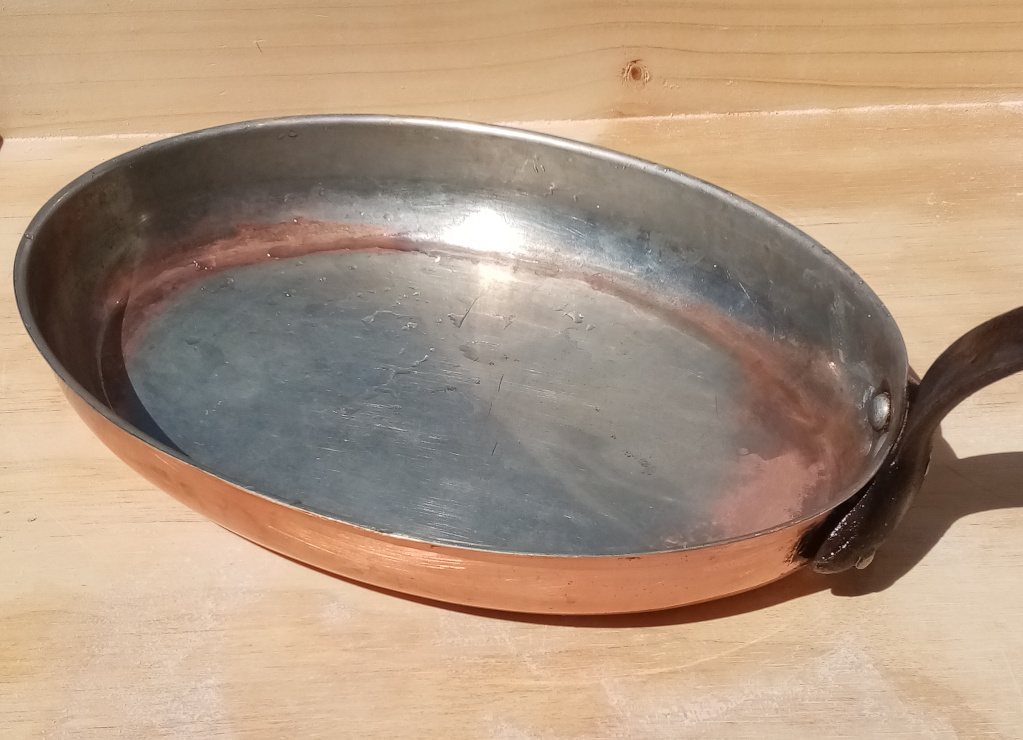
Copper cookware is a popular choice for many home cooks. Its beautiful shine and excellent heat conductivity make it appealing.
But is copper cookware safe to use? Many people wonder about the safety of cooking with copper. Concerns often arise about copper leaching into food and its potential health effects. Understanding these issues is essential for anyone interested in using copper pots and pans.
This blog will explore the safety of copper cookware, how to use it properly, and tips for maintaining it. By the end, you’ll feel confident in choosing copper cookware for your kitchen. Safety is important, and knowing the facts can help you cook delicious meals with ease.
Copper Cookware: A Timeless Kitchen Staple
Copper cookware has been a favorite in kitchens for centuries. Its beauty and performance make it a unique choice. Many chefs and home cooks love using copper pots and pans. They offer excellent heat conductivity. This means food cooks evenly and quickly.
The Enduring Appeal Of Copper In The Kitchen
Copper cookware is not just about looks. It provides many practical benefits:
- Heat conductivity: Copper heats up fast and cools down quickly.
- Durability: With proper care, copper lasts a long time.
- Versatility: Works well on gas, electric, and induction stoves.
- Non-reactive lining: Most copper cookware has a lining, often stainless steel or tin, which keeps food safe.
This blend of beauty and function makes copper a staple in many kitchens.
Historical Uses Of Copper Cookware
Copper cookware has a rich history. It has been used for thousands of years. Ancient civilizations valued copper for cooking. Here are some key historical points:
- In ancient Egypt, copper was popular for pots.
- Romans used copper for cooking and storage.
- In the Middle Ages, copper cookware became common in Europe.
- French chefs popularized copper in the 18th century.
Each era recognized copper for its quality and beauty. Today, it still holds a respected place in culinary traditions.
Safety Concerns With Copper Pots And Pans
Cooking with copper pots and pans can be beautiful and effective. Yet, safety concerns exist. Understanding these risks is important for your health. Here, we will explore two main areas of concern: copper toxicity and copper leaching.
Potential Risks Of Copper Toxicity
Copper is an essential mineral for our bodies. However, too much copper can be harmful. Here are some potential risks:
- Nausea and vomiting: High copper levels can upset your stomach.
- Diarrhea: Excess copper may lead to digestive issues.
- Stomach cramps: Some people experience pain after consuming too much copper.
- Headaches: High copper intake can cause headaches.
- Long-term effects: Chronic exposure can lead to liver damage.
Most people do not reach toxic levels from cooking. Yet, caution is wise, especially with acidic foods.
Understanding Copper Leaching In Cookware
Copper leaching occurs when copper dissolves into food during cooking. Several factors affect this process:
| Factor | Effect on Leaching |
|---|---|
| Acidity of food | Higher acidity increases copper leaching. |
| Cooking temperature | High heat can cause more leaching. |
| Duration of cooking | Longer cooking times lead to more copper leaching. |
| Type of food | Some foods absorb copper more easily. |
To minimize risks:
- Use lined copper cookware.
- Avoid cooking highly acidic foods.
- Do not cook for long periods.
- Check for signs of wear on the cookware.
By following these tips, you can enjoy copper cookware safely.
Debunking Common Myths Around Copper Cookware
Copper cookware is popular among chefs. Many believe it has risks. Some fears are based on myths. Let’s clear up these misunderstandings.
Myth Vs. Reality: Cooking With Copper
Many think cooking with copper is dangerous. This is not true. Here are some common myths:
- Myth 1: Copper cookware is unsafe.
- Myth 2: Copper causes food poisoning.
- Myth 3: Copper cookware is hard to care for.
The reality is different:
| Myth | Reality |
|---|---|
| Unsafe to cook with copper. | Most copper cookware has a lining, making it safe. |
| Causes food poisoning. | Properly lined copper cookware does not leach copper into food. |
| Hard to care for. | Just wash with soap and water. Easy to maintain. |
The Truth About Acidic Foods And Copper
Many worry about cooking acidic foods in copper. Common acidic foods include:
- Tomatoes
- Lemons
- Vinegar
Cooking these foods in unlined copper can be risky. They can react with copper. This can lead to copper leaching into food. This is where the concern lies.
Most copper cookware is lined with materials like:
- Stainless steel
- Tinned copper
These linings prevent reactions. They keep food safe. Always choose lined copper cookware for cooking. This way, enjoy the benefits without worry.

Credit: www.reddit.com
The Science Of Cooking With Copper
Cooking with copper is both an art and a science. Copper cookware offers unique benefits. Understanding its properties can enhance your cooking experience. Let’s explore how copper works in the kitchen.
How Copper Conducts Heat
Copper is an excellent conductor of heat. It heats quickly and evenly. This means no hot spots. Your food cooks uniformly. Here are some key points:
- Fast heating reduces cooking time.
- Even heat distribution prevents burning.
- Responsive to temperature changes, allowing precise control.
Many chefs prefer copper for sauces and delicate dishes. The quick heat response helps achieve perfect results. Copper cookware is often lined with stainless steel. This combination offers durability and safety.
Copper’s Impact On Food Flavor And Consistency
Cooking in copper can enhance the flavor of your meals. The metal reacts with certain ingredients. This reaction can improve taste. Here’s how:
- Acidic foods, like tomatoes, can gain a unique flavor.
- Egg whites whip better in copper bowls.
- Consistent heat helps maintain texture and moisture.
Using copper cookware can elevate your culinary skills. Dishes may taste fresher and more vibrant. Remember to care for your copper cookware. Proper maintenance ensures lasting quality and performance.
Copper Cookware Safety Standards
Copper cookware is popular for its excellent heat conductivity. It cooks food evenly and quickly. However, safety is a top concern. Understanding the safety standards for copper cookware helps ensure safe cooking.
Fda Guidelines On Copper Cookware
The Food and Drug Administration (FDA) sets rules for cookware safety. These rules help protect consumers. Here are key points:
- Copper cookware must be lined with a safe material.
- Common lining materials include stainless steel and tin.
- Unlined copper may cause copper leaching into food.
- Leaching can lead to health risks, including copper toxicity.
Cookware must meet specific requirements for safety. Check for FDA compliance marks before buying. This ensures your cookware is safe for daily use.
International Safety Standards For Copper Vessels
Many countries have safety standards for cookware. These include:
| Country | Standard |
|---|---|
| United States | FDA regulations |
| European Union | Directive 2007/19/EC |
| Canada | Canadian Food Inspection Agency (CFIA) |
| Australia | Food Standards Australia New Zealand (FSANZ) |
These standards ensure safety and quality. They help prevent harmful substances in cookware. Always check if the copper cookware meets these international safety standards.
Choosing safe copper cookware protects your health. Look for products with proper lining and safety certifications. Enjoy cooking with peace of mind.
Proper Use And Maintenance
Using and caring for copper cookware is important for safety and longevity. Proper maintenance keeps your cookware in good shape. It also ensures you cook safely. Follow these guidelines to keep your copper pots and pans safe.
Best Practices For Cooking With Copper
Cooking with copper can enhance your culinary experience. Here are some best practices:
- Use low to medium heat: High heat can damage the lining.
- Line your copper cookware: Use stainless steel or tin for safety.
- Avoid acidic foods: Foods like tomatoes can react with copper.
- Use wooden or silicone utensils: Avoid metal to prevent scratches.
- Don’t overcrowd the pan: This helps food cook evenly.
Following these practices keeps your copper cookware safe and effective.
Cleaning And Polishing To Maintain Safety
Cleaning copper cookware is essential for safety and appearance. Here are steps to clean and polish:
- Let the cookware cool down after use.
- Wash with warm soapy water and a soft cloth.
- Rinse thoroughly to remove soap residue.
- Dry completely to prevent tarnishing.
For polishing, use a mixture of vinegar and salt. Apply it with a soft cloth.
| Item | Use |
|---|---|
| Vinegar | Removes tarnish effectively. |
| Salt | Acts as an abrasive for polishing. |
| Soft cloth | Prevents scratches during cleaning. |
Regular cleaning and polishing maintain the safety of your copper cookware.
Alternatives To Traditional Copper Cookware
Many people seek alternatives to traditional copper cookware. Some may worry about health risks. Others might find copper too expensive or difficult to maintain. Fortunately, several options exist that mimic the benefits of copper without the drawbacks.
Copper-core And Copper-infused Options
Copper-core cookware combines copper with other materials. This type offers the benefits of copper without pure copper’s downsides. Here are some features:
- Better heat distribution: Copper-core provides even heating.
- Durability: These options often include stainless steel or aluminum.
- Less maintenance: Easier to clean and maintain than pure copper.
Copper-infused cookware is another choice. It incorporates copper into non-stick surfaces. This option provides:
- Non-stick properties: Easy food release and clean-up.
- Reduced stickiness: Cook with less oil or butter.
Non-copper Cookware Materials
Several non-copper cookware materials are available. Each has unique benefits. Here are some popular options:
| Material | Benefits |
|---|---|
| Stainless Steel | Durable, resistant to rust and stains |
| Cast Iron | Excellent heat retention, naturally non-stick with seasoning |
| Aluminum | Lightweight, affordable, great heat conduction |
| Non-stick | Easy to clean, requires less oil for cooking |
Choosing the right cookware depends on your cooking style. Consider your needs and preferences. Non-copper options offer excellent alternatives for various tasks.
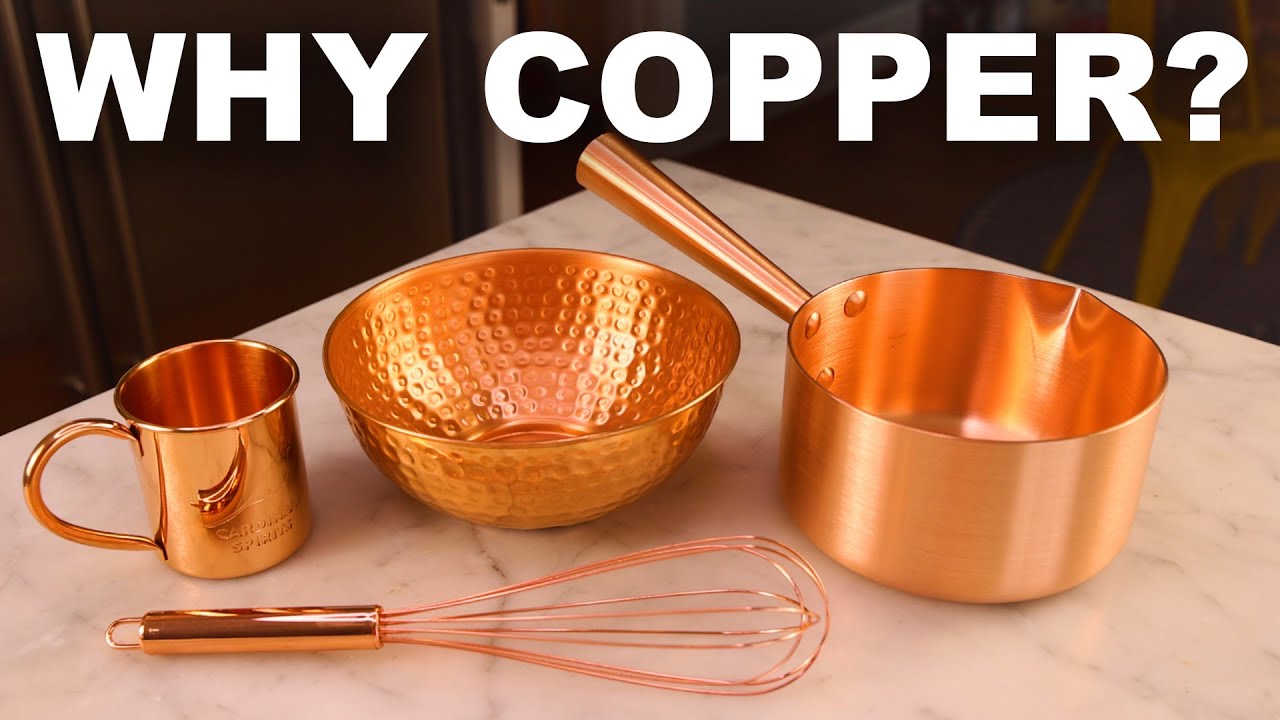
Credit: www.youtube.com
Expert Opinions And Consumer Reports
Understanding if copper cookware is safe is crucial. Expert opinions and real-user experiences help clarify this topic. Many chefs and home cooks share their thoughts. Their insights provide valuable information about the safety of copper cookware.
Culinary Professionals Weigh In On Copper
Chefs and culinary experts often use copper cookware. They value its ability to conduct heat evenly. Here are some key points from professionals:
- Heat conductivity: Copper heats quickly and evenly.
- Temperature control: Chefs can adjust heat easily.
- Durability: Good quality copper cookware lasts long.
- Reactivity: Copper can react with acidic foods.
Experts recommend using lined copper cookware. Lining prevents food from coming into direct contact with copper. This helps avoid potential health risks.
Real-user Experiences And Reviews
Consumer reports show mixed feelings about copper cookware. Many users praise its performance, while some worry about safety. Here are common themes from reviews:
| User Rating | Pros | Cons |
|---|---|---|
| 5 Stars | Excellent heat distribution, beautiful appearance | Requires regular polishing |
| 4 Stars | Quick cooking time, great for sauces | Can be heavy to handle |
| 3 Stars | Even cooking, stylish kitchen addition | Reactivity with acidic foods |
Many users recommend checking the lining of copper pots. Stainless steel lining is a safe choice. Others suggest using care while cleaning. Avoid abrasive materials that can scratch the surface.
Overall, copper cookware has its benefits and drawbacks. User experiences highlight the importance of quality and maintenance.
:max_bytes(150000):strip_icc()/__opt__aboutcom__coeus__resources__content_migration__serious_eats__seriouseats.com__2018__12__20181116-copper-pot-making-vicky-wasik-18-ee43034ff3634c8e834f58387fd9c330.jpg)
Credit: www.seriouseats.com
Frequently Asked Questions
Is Copper Cookware Safe For Cooking?
Copper cookware is generally safe for cooking when properly lined. Most reputable copper pots and pans are lined with stainless steel or tin, preventing copper from leaching into food. However, unlined copper cookware can react with acidic foods, releasing copper into the dish, which may pose health risks.
Can Copper Cookware Leach Into Food?
Yes, copper cookware can leach into food if unlined. When cooking acidic foods, copper may dissolve and enter the dish. This can lead to copper toxicity over time. Always choose lined copper cookware to ensure safety and prevent any leaching during cooking.
How To Maintain Copper Cookware Safely?
To maintain copper cookware safely, avoid abrasive cleaners that can damage the lining. Hand wash with mild soap and a soft sponge. Dry immediately to prevent tarnishing. Regular polishing with a copper cleaner keeps it looking shiny and prevents oxidation, ensuring longevity and safety in cooking.
What Are The Benefits Of Copper Cookware?
Copper cookware offers excellent heat conductivity, allowing for precise temperature control. It heats quickly and evenly, reducing the risk of hot spots. Additionally, copper’s aesthetic appeal makes it a beautiful addition to any kitchen. Properly maintained, it can last a lifetime and enhance your cooking experience.
Conclusion
Copper cookware can be safe for your kitchen. Many chefs love it for cooking. It heats evenly and is durable. Just remember to care for it properly. Use liners or coatings to prevent reactions with food. Regular maintenance keeps it looking great.
Always choose high-quality copper for the best results. Your cooking can benefit from its unique properties. Make informed choices to enjoy its advantages. Cook with confidence, knowing your copper cookware is safe.

Leave a Reply