
Cookware sets offer convenience and initial savings, while individual pans provide flexibility and long-term value for your kitchen needs.
When you're setting up a kitchen or upgrading your cookware collection, you'll face a common dilemma: should you invest in a complete cookware set or build your collection with individual pans? This choice might seem straightforward, but it's actually one of the most important decisions that affects how you cook, spend money, and organize your kitchen space. I've spent years testing both approaches, and I've learned that there's no one-size-fits-all answer. Your lifestyle, cooking habits, budget, and kitchen space all play crucial roles in determining which option works best for you.

Understanding Cookware Sets and Individual Pans
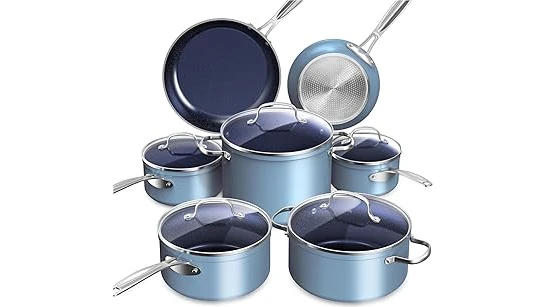
A cookware set typically includes multiple pieces—usually ranging from 5 to 14 items—bundled together at a single price point. These sets commonly contain various sized saucepans, frying pans, stockpots, and sometimes additional accessories like lids and utensils. The idea behind cookware sets is simplicity: you get everything you need in one purchase, and manufacturers often price them competitively because they're buying materials in bulk.
Individual pans, on the other hand, are purchased one at a time based on your specific needs. You might buy a 10-inch skillet this month, add a 3-quart saucepan next month, and gradually build your collection over time. This approach gives you complete control over your kitchen setup and allows you to invest in exactly what you'll actually use.

The Financial Case for Cookware Sets
From a purely financial perspective, cookware sets appear to offer better value upfront. When you calculate the per-piece cost of a mid-range cookware set versus buying comparable individual pans separately, sets typically come out 20-30% cheaper on average. If you're on a tight budget and need to equip your kitchen quickly, this savings is real and meaningful.
However, there's a catch that many people overlook. Cookware sets often include pieces you'll never use, which means you're essentially paying for dead weight in your kitchen. I once bought a 12-piece set that came with three similar-sized saucepans—I've only ever used one regularly. That wasted money adds up, especially when you consider that you might replace individual pieces before the entire set is used up.
The long-term financial perspective tells a different story. Individual pans allow you to invest in higher-quality pieces within your budget. Instead of spreading money across twelve mediocre items, you might buy three exceptional pans that last decades. Quality cookware actually appreciates in value relative to what you paid because it performs better and lasts longer than cheaper alternatives.

Flexibility and Customization With Individual Pans
If you love cooking diverse cuisines or experimenting with different techniques, individual pans offer unmatched flexibility. You can choose specific brands known for excellence in particular areas—perhaps a wok from a brand specializing in Asian cookware, a Dutch oven from a company renowned for baking, and a non-stick skillet from a manufacturer focused on everyday cooking.
This customization extends to materials too. Some people prefer stainless steel for certain tasks, cast iron for others, and non-stick for specific situations. With a cookware set, you're locked into whatever material combination the manufacturer decided was best. Building your collection gradually means you can test different materials, discover your preferences, and adjust accordingly.
Another major advantage is the ability to replace individual pieces as needed. When a non-stick coating starts to wear out, you simply replace that one pan rather than the entire set. This flexibility has saved me hundreds of dollars over the years because I'm not forced to discard perfectly good pans just because one piece is failing.
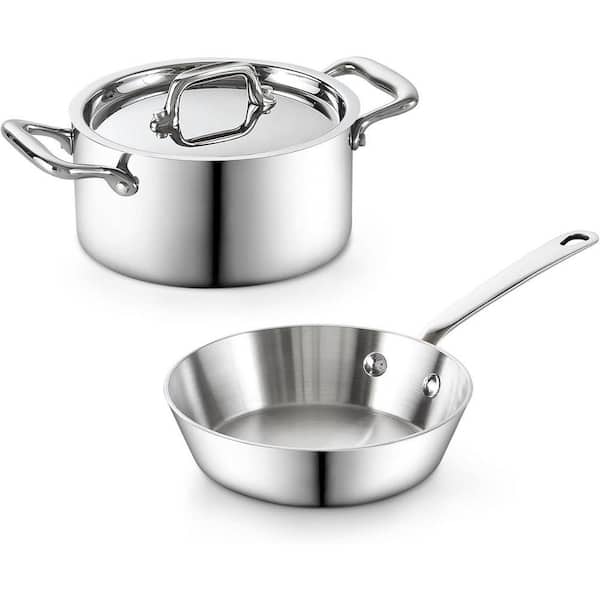
The Convenience Factor of Complete Sets
Let's be honest: there's real appeal in walking into a store, purchasing one box, and having everything you need to start cooking. Cookware sets eliminate decision fatigue, which is genuinely valuable when you're not confident about what you need. Complete sets also come with matching lids, coordinated designs, and a sense of completeness that many people find satisfying.
If you're furnishing a first apartment, starting married life, or simply don't want to think about cookware, a quality set provides peace of mind. You're not going to spend months deliberating about whether you should buy that 2-quart saucepan or wondering if you're missing essential pieces. Everything is decided for you, which can actually reduce stress and help you start cooking sooner.
Sets also tend to have better organization because manufacturers design them to nest together efficiently, saving valuable cabinet space. This might seem minor, but if you're working with limited kitchen storage, the space efficiency of a coordinated set matters in your daily life.

Assessing Your Cooking Habits
Your actual cooking habits should heavily influence your decision. If you typically prepare basic meals—roasted vegetables, pasta, simple proteins—you probably need fewer pieces than if you're regularly making stocks, preparing multiple dishes simultaneously, or hosting dinner parties.
Think about what you currently use most. Do you find yourself using just two pans 80% of the time? That's a sign that individual pans might work better. Are you someone who likes to have multiple dishes at different stages? You'll probably benefit from owning more pieces, which could favor a set.
I've discovered that knowing your cooking patterns is crucial. I spent years with a large set where I used maybe six pieces regularly, while my neighbor with the same set uses almost every piece because she entertains frequently and cooks multiple cuisines. The perfect solution for her would be terrible for me, and vice versa.
Storage Space and Kitchen Constraints
Where you live matters more than you might expect. If you have a small apartment with limited cabinet space, individual pans might make sense because you can be selective about what you own. A cookware set, even a supposedly "space-saving" one, still requires dedicated storage for all those pieces.
Conversely, if you have a large kitchen with a pot rack, spacious cabinets, and plenty of counter real estate, the extra pieces from a set don't create the same burden. I've also noticed that people with bigger kitchens tend to appreciate the psychological comfort of having complete sets—there's something satisfying about organized rows of matching cookware.
Consider vertical storage options too. Wall-mounted rails, pot racks, and hanging systems can make even large cookware collections feel manageable. If you're willing to display your cookware, the storage question becomes less about capacity and more about what you find aesthetically pleasing.

Quality Considerations for Each Approach
One critical distinction exists between cheap cookware sets and budget-friendly individual pans. Affordable sets often compromise on build quality across all pieces to hit a price point. Each item in the set is made to be "good enough," which means none of them are really great at any specific task.
With individual pans, you can invest more money in specific pieces that matter most to your cooking style. A chef who uses a skillet constantly can afford an excellent one, while perhaps choosing a simpler saucepan for occasional use. This tailored approach often results in better overall kitchen performance.
Material quality also deserves attention. Stainless steel cookware varies dramatically in quality, with differences in handle design, heat conductivity, and durability. When buying individual pans, you can research specific brands and models thoroughly. Set purchases often bundle unknown quantities of various materials, making quality assessment harder.
The Environmental Impact Factor
Here's something worth considering that doesn't often appear in cookware discussions: environmental impact. When you buy a cookware set with pieces you don't use, those unused items eventually become waste. They might sit unused for years before being discarded, which means manufacturing resources were wasted.
Buying individual pans means you're only manufacturing what you'll actually use. This creates less overall waste and aligns with more conscious consumption. Over a lifetime, choosing individual pans can significantly reduce your environmental footprint in your kitchen.
That said, quality matters here too. A cheap cookware set that needs replacement every five years has a worse environmental impact than an expensive individual pan that lasts twenty years. Longevity ultimately trumps the initial purchase approach when thinking about environmental responsibility.

Building Your Collection: A Hybrid Approach
Many experienced cooks actually use a hybrid strategy that combines the best of both approaches. They start with a modest, high-quality basic set covering essential pieces, then gradually add specialized individual pans as specific needs arise.
I've followed this approach for years now. I started with a small three-piece set of excellent pans, then added a Dutch oven, a specialized wok, and a carbon steel skillet over time. This strategy allowed me to avoid paying for pieces I didn't need while still getting organized basics quickly.
This hybrid method lets you maintain the convenience and organization of having matched basics while preserving the flexibility to customize your collection. It also spreads your investment over time, making quality cookware more financially manageable for most budgets.
Brand Reputation and Warranty Coverage
When evaluating cookware sets versus individual pans, brand reputation matters significantly. Well-established cookware brands back their sets with solid warranties because they're confident in consistent quality across all pieces. Individual pan purchases might come from different manufacturers, meaning you're juggling multiple warranty terms and customer service interactions.
Some premium brands build their reputation on cookware sets—they've perfected the combination of pieces and materials over decades. Investing in these sets from respected manufacturers provides assurance that someone knowledgeable designed the collection thoughtfully. However, other excellent cookware comes from brands specializing in individual pans or specific types of cookware.
Research the specific set or individual pan you're considering. Read reviews from actual users, not just marketing materials, and understand what warranty coverage applies. A set from a brand with exceptional customer service might be worth more than a slightly cheaper option with limited support.
Maintenance and Care Requirements
Different cookware materials require different care approaches, and this affects your decision. If you're buying individual pans made from various materials, you'll need to remember different cleaning methods and maintenance routines. Cast iron requires seasoning, non-stick pans need gentle care, and stainless steel can be aggressive cleaned.
With a coordinated cookware set, usually all pieces require similar maintenance. This simplicity appeals to people who don't want to think about whether they're cleaning a pan correctly. You have one routine for all your cookware, which reduces the mental load of kitchen work.
However, if you enjoy the ritual and specificity of proper cookware care, the variety that comes with individual pan selection might appeal to you. I've learned that some people find maintaining different materials meditative and satisfying, while others find it frustrating.
Testing Before Committing
One advantage of individual pans is that you can test different materials and brands before fully committing. You might buy one non-stick pan to see if you like cooking with non-stick, then decide whether it's worth having more. This testing approach helps you make better overall decisions about your full collection.
With sets, you're making a larger commitment upfront. If you discover you hate non-stick cookware after buying a set that contains three non-stick pans, you're stuck with them or forced to buy replacements. This testing limitation is a real consideration if you're not confident about your preferences.
I recommend trying different cookware at friends' homes or even in cookware stores if possible. Many kitchenware shops have display models you can handle and feel. This hands-on experience helps you understand what weight, handle style, and material preferences feel right for you.
The Lifestyle Factor
Your lifestyle and how busy you are matters more than people typically acknowledge. If you're cooking elaborate meals and entertaining regularly, you probably benefit from having multiple pieces simultaneously. A large cookware set makes sense for you because you'll genuinely use most of what you own.
If you're someone who cooks simple meals on weeknights and rarely entertains, you're wasting money and space with a large set. Your lifestyle doesn't justify that investment, and individual pans allow you to match your cookware to your actual living situation.
Similarly, consider whether you're someone who enjoys shopping and trying new things. If you love browsing kitchenware and gradually building your collection, individual pans provide that satisfaction. If shopping for cookware sounds like a chore, sets let you handle the entire purchase decision at once.
Making Your Final Decision
Choosing between cookware sets and individual pans ultimately depends on your specific situation. Ask yourself honest questions: What do I actually cook? How much kitchen space do I have? What's my budget, and can I invest in quality? Do I want convenience or customization? Am I confident about my needs, or do I need guidance from a complete set?
Write down your answers and see which approach aligns better with your responses. If you're still uncertain, the hybrid approach of starting with a modest quality set and adding individual pieces addresses most concerns without forcing you into an extreme position either way.
Remember that this decision isn't permanent. You can start with one approach and adjust over time as you learn more about your cooking patterns and preferences. The goal is having cookware that serves your actual needs efficiently and brings you enjoyment when cooking.
Frequently Asked Questions
Is a cookware set worth buying if I only cook basic meals?
If you cook basic meals and use the same few pans regularly, individual pan purchases are usually smarter because you avoid buying pieces you'll never use. A cookware set forces you to pay for functionality you don't need, making individual pans more financially efficient for simple cooking patterns.
How do I know which cookware set to choose if I decide to go that route?
Research sets from established brands with positive reviews, pay attention to the specific pieces included, check warranty coverage, and verify that most included items match your cooking style. Reading user reviews on multiple platforms helps you understand whether previous buyers actually use everything in the set.
Can I mix cookware from different brands and materials safely?
Absolutely. Mixing cookware from different brands and materials is completely safe and actually quite common among experienced cooks. You can combine stainless steel pans with non-stick skillets and cast iron cookware without any issues.
How much should I spend on cookware if buying individual pans?
Budget depends on your situation, but quality cookware that lasts decades typically costs $50-200 per pan for essential pieces. Starting with one or two excellent pans and adding more gradually often makes more financial sense than buying many mediocre pieces at once.
Should I buy cookware sets as gifts or do individual pans work better for gifts?
Cookware sets make easier gifts for people whose cooking preferences you don't know well, as they provide a complete solution. However, individual pans work better if you understand the recipient's cooking style, allowing you to choose something specifically useful rather than forcing them into a complete set.
Do cookware sets include enough lids for all pans?
Most cookware sets don't include matching lids for every pan. Check the product specifications carefully because many sets include fewer lids than the number of pans included, requiring separate lid purchases to cover everything.
How long does quality cookware typically last?
High-quality stainless steel and copper cookware can last 30-50 years or more with proper care, while non-stick cookware typically lasts 5-10 years before the coating degrades and needs replacement. The durability difference is significant when calculating long-term costs.
Conclusion
The choice between cookware sets and individual pans deserves thoughtful consideration rather than an impulse decision. Cookware sets offer convenience, initial savings, and psychological satisfaction from owning a complete matched collection. Individual pans provide flexibility, customization, and the ability to invest in quality where it matters most for your cooking style.
Neither approach is universally better—the right choice depends entirely on your cooking habits, budget, kitchen space, and whether you value convenience or flexibility more. The hybrid approach of starting with a quality basic set and adding specialized individual pans over time offers a practical middle ground that works well for most people.
Start by honestly assessing your cooking reality. What do you actually make? What pans do you reach for most? How much space do you have? Answer these questions first, then let your specific situation guide your decision. You might find that individual pans suit you perfectly, or you might discover that a well-chosen set aligns better with your lifestyle. Either way, choosing cookware that matches your actual needs makes cooking more enjoyable and your kitchen more efficient.
Ready to upgrade your kitchen? Take time this week to identify the three pieces of cookware you use most frequently. This simple exercise will clarify whether a set or individual pans makes sense for you. Share your cookware journey in the comments below—I'd love to hear what approach works best for your kitchen situation.

Leave a Reply