
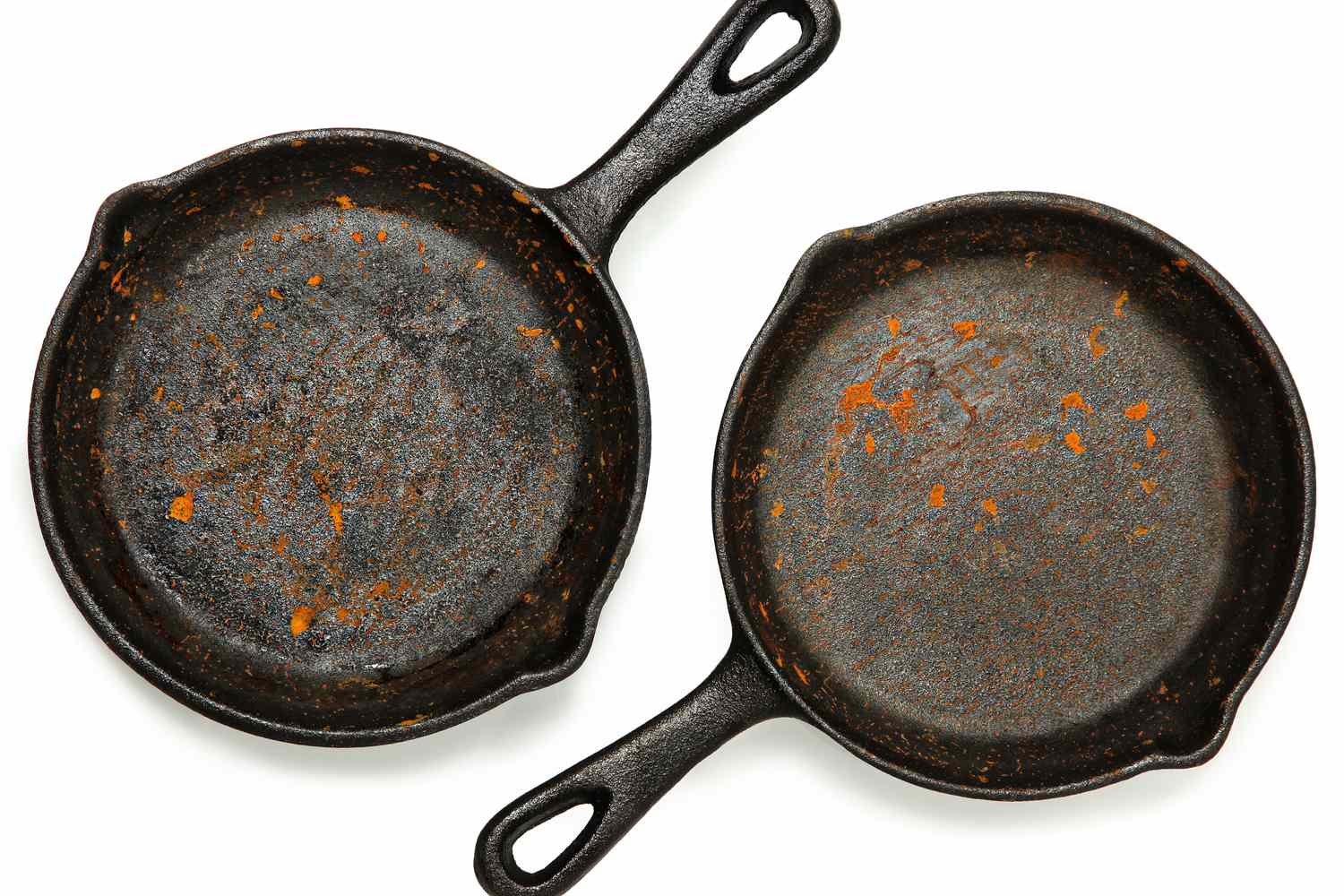
Cookware rust problems happen when moisture and oxygen interact with unprotected metal surfaces, causing oxidation and corrosion. If you've ever opened your kitchen cabinet to find your favorite pan covered in rust spots or noticed discoloration spreading across your cookware, you're not alone. Cookware rust problems are more common than you'd think, and they can turn your trusted kitchen companions into unusable pieces if left unchecked. Understanding why rust forms, how to prevent it, and what steps to take when it does appear can save you money, extend the life of your cookware, and keep your kitchen in top shape. In this comprehensive guide, I'll walk you through everything you need to know about cookware rust—from the science behind it to practical solutions that actually work.

What Causes Cookware Rust Problems
Rust doesn't just appear out of nowhere. It's the result of a chemical reaction that happens when iron or steel comes into contact with moisture and oxygen. Think of it like an unwanted guest that shows up when conditions are just right. When you leave cookware wet, store it in humid environments, or fail to maintain its protective coating, you're essentially rolling out a welcome mat for rust.
The most common culprit behind cookware rust problems is improper drying. When you wash your pans and leave them wet or damp, water sits on the surface and reacts with the metal underneath. This is especially true for cast iron and carbon steel cookware, which are more prone to rust than stainless steel. I learned this the hard way when I inherited my grandmother's cast iron skillet and left it wet in the sink overnight—by morning, orange spots had already started forming.
Humidity plays an equally important role in developing cookware rust problems. If you live in a coastal area or somewhere with high humidity, your cookware faces constant exposure to moisture in the air. Even if you dry your pans thoroughly, the surrounding environment can still create conditions where rust thrives. Storage location matters tremendously, which is why keeping cookware in dry, well-ventilated areas is crucial.
Salt and acidic foods also accelerate cookware rust problems. When you cook with tomatoes, vinegar, or wine, these acidic ingredients can eat away at protective layers on your cookware. Add salt into the mix, and you've got a recipe for faster corrosion. This doesn't mean you should avoid cooking these foods—just that you need to be more vigilant with cleaning and drying afterward.

Types of Cookware Most Vulnerable to Rust
Not all cookware rusts equally. Understanding which materials are most susceptible to cookware rust problems helps you take targeted prevention steps. Carbon steel and cast iron are the champions of rust development because they're made primarily from iron, which oxidizes readily when exposed to moisture. If you own either of these types, you'll need to be extra careful with maintenance.
Stainless steel cookware is more rust-resistant but isn't completely immune to cookware rust problems. Lower-grade stainless steel or damaged stainless steel surfaces can develop rust, especially if the protective chromium oxide layer gets scratched or compromised. Aluminum and copper cookware rarely rust in the traditional sense, but they can corrode or discolor, which presents its own set of challenges.
Nonstick cookware with scratched or peeling coatings faces unique cookware rust problems because the underlying metal becomes exposed once the protective layer deteriorates. Enameled cast iron is protected by a glass-like coating, but any chips or cracks expose the iron underneath to rust development. This is why handling enameled cookware carefully and inspecting it regularly for damage is important.

How Humidity and Storage Affect Cookware Rust Problems
Your kitchen environment plays a bigger role in cookware rust problems than most people realize. High humidity creates the perfect storm for rust development. When moisture hangs in the air around your cookware, it's constantly trying to trigger oxidation. This is especially problematic in kitchens without proper ventilation or in regions with naturally high humidity levels.
The way you store your cookware directly impacts rust formation. Stacking pans while they're still slightly damp, storing them in closed cabinets without ventilation, or keeping them in basements or under-sink areas where moisture accumulates all contribute to cookware rust problems. I've found that storing cookware in open shelves or on racks where air can circulate around them makes a noticeable difference in preventing rust.
Temperature fluctuations also play a role in cookware rust problems. When cookware moves between hot and cold environments, condensation forms on the surface, creating moisture that leads to rust. This is common in kitchens where you wash hot cookware and immediately store it without letting it cool completely, or in homes where temperature varies significantly between seasons.
Investing in moisture-absorbing storage solutions can help manage cookware rust problems in humid environments. Placing silica gel packets or moisture-absorbing containers in your cookware storage area reduces ambient humidity around your pans. Some people also line their storage areas with newspaper or parchment paper, which helps absorb excess moisture.
:max_bytes(150000):strip_icc()/GettyImages-487691933-b41fe7a7a2eb4a3184b7c8b862f6407f.jpg)
Signs Your Cookware is Developing Rust
Recognizing early signs of cookware rust problems allows you to address them before they become serious. Surface discoloration is usually the first indicator—you might notice small orange, brown, or reddish spots appearing on your cookware. These spots often appear in areas that are harder to dry, like the undersides of pans or along the rims where water collects.
Rough texture is another telltale sign of cookware rust problems. When you run your hand across the surface and feel gritty or bumpy areas instead of smooth metal, rust is actively developing. Pitting—small holes or depressions in the metal surface—indicates that rust has progressed beyond the surface stage. At this point, the corrosion has eaten into the actual material.
Discoloration that spreads quickly across larger areas suggests more serious cookware rust problems. If you notice rust developing in multiple spots or expanding from day to day, your cookware needs immediate attention. Flaking or peeling coating on enameled or nonstick cookware indicates compromised protection, which will lead to rust if you don't take action soon.

Prevention Strategies for Cookware Rust Problems
The best way to handle cookware rust problems is to prevent them from starting in the first place. Thorough and immediate drying after washing is non-negotiable. Don't just rinse your cookware and leave it on the rack—actively dry it with a clean cloth or paper towel. Pay special attention to crevices, handles, and the undersides where water loves to hide.
Applying a light oil coating after drying is an excellent prevention strategy for cast iron and carbon steel. This thin protective layer acts as a barrier between the metal and moisture in the air. I use neutral oils like vegetable oil or specialized food-grade mineral oil for this purpose. Just wipe a tiny amount across the surface with a clean cloth, making sure it's not greasy or sticky.
Seasoning your cast iron regularly prevents cookware rust problems by building up layers of protective coating. While seasoning is a longer process than just wiping oil on a pan, it creates a more durable barrier against rust. You can season your cookware in the oven using the traditional method or maintain seasoning through regular cooking and careful cleaning.
Store your cookware in dry, well-ventilated spaces. If you have space, open shelving is ideal because air circulates freely around your pans. If you must use closed cabinets, ensure they have adequate ventilation and consider leaving cabinet doors slightly ajar to allow moisture to escape. Keep cookware away from damp areas like bathrooms or basements where humidity tends to concentrate.
Regular inspection catches cookware rust problems early before they become difficult to fix. Set a reminder to visually check your cookware monthly, especially if you live in humid climates. Look for discoloration, texture changes, or any signs that rust might be developing. Catching problems early makes treatment much simpler.

How to Clean Cookware Rust Problems
When cookware rust problems do appear, swift action prevents them from spreading. For light surface rust, start by scrubbing the affected area with a damp cloth or soft-bristled brush. Sometimes gentle abrasion combined with moisture can lift light rust spots without damaging the underlying metal.
Baking soda is a gentle yet effective solution for cookware rust problems. Make a paste by mixing baking soda with a small amount of water, apply it to the rusty areas, and let it sit for several minutes. Then scrub gently with a soft brush or cloth. This method works well for cast iron and carbon steel without being too harsh on the metal.
Vinegar is another household solution that tackles cookware rust problems. The acidity in vinegar reacts with rust and can help dissolve it. Soak the affected cookware in white vinegar for a few hours, then scrub away the loosened rust. Be cautious with this method on cast iron, as prolonged vinegar exposure can damage the seasoning.
For more stubborn cookware rust problems, you might need steel wool or fine-grit sandpaper. Use gentle circular motions and avoid scrubbing too aggressively, which could scratch or damage the cookware surface. Test on a small area first to ensure the abrasive method won't cause excessive damage.
Commercial rust removers are available if home remedies don't work for your cookware rust problems. These products are specifically formulated to dissolve rust, but follow the manufacturer's instructions carefully. Some can be harsh, so ensure proper ventilation and wear gloves when using them.
After removing rust, re-season or re-oil your cookware immediately. This prevents the exposed metal from developing rust again quickly. Dry it thoroughly, apply a thin coat of oil, and wipe away any excess. Store it in a dry location to keep your cookware rust problems from returning.
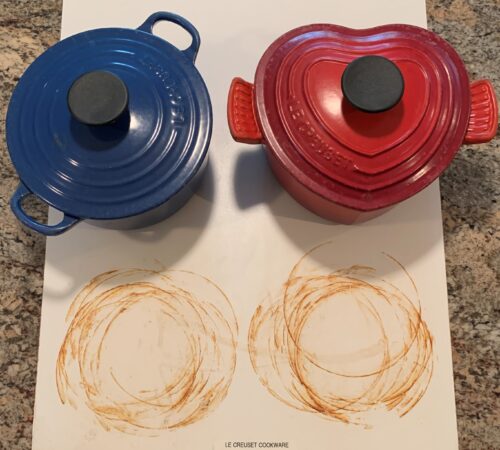
When to Replace Cookware With Rust Problems
Sometimes cookware rust problems are too extensive to fix practically. If rust has created deep pitting or holes that compromise the pan's structural integrity, it's time to consider replacement. Cookware with significant damage won't heat evenly and becomes unsafe to use, especially if the damage is near the bottom where it contacts heat sources.
Severe corrosion that covers large portions of the cookware surface indicates advanced cookware rust problems that might not be worth saving. If rust has penetrated deep into the metal or spread across more than 30-40% of the surface area, restoration efforts might not be cost-effective. Weigh the cost of replacement against the effort and time required to rehabilitate heavily damaged cookware.
Nonstick cookware with rust problems usually isn't worth restoring because the coating is already compromised. Once the protective nonstick layer is breached and rust develops underneath, the coating is no longer reliable. Cooking with damaged nonstick cookware can be problematic and potentially unsafe.
Enameled cookware with significant chipping or cracking falls into a similar category. While small chips might be tolerable, large areas of missing enamel that expose rusted iron underneath warrant replacement. The beauty of these pieces is compromised, and continued use risks small enamel fragments ending up in your food.

Best Practices for Long-Term Cookware Maintenance
Establishing a consistent maintenance routine is the key to avoiding persistent cookware rust problems. Develop a habit of drying cookware immediately after washing—make it part of your dishwashing process rather than an afterthought. Keep a dedicated cloth specifically for drying cookware so it's always available when you need it.
Create a maintenance schedule that includes monthly inspections and quarterly deep cleaning of your cookware collection. During inspections, check for signs of rust, damage, or wear. Deep cleaning involves a thorough wash, dry, and re-oiling or seasoning process that refreshes your cookware's protective layers.
Store different types of cookware appropriately based on their vulnerability to cookware rust problems. Keep cast iron and carbon steel in the warmest, driest part of your kitchen. Stainless steel cookware is more forgiving but still benefits from dry storage. Nonstick and enameled cookware should be handled gently to prevent coating damage.
Use proper washing techniques that minimize water exposure and damage. Hand wash cast iron and carbon steel cookware rather than using the dishwasher, which exposes them to prolonged moisture and high heat. For stainless steel and most nonstick cookware, dishwashers are generally fine, but hand washing extends their lifespan.
Keep your kitchen properly ventilated to manage humidity. Use exhaust fans while cooking and ensure adequate air circulation in cabinets and storage areas. If you live in a particularly humid climate, consider using a dehumidifier in your kitchen to create an environment less conducive to cookware rust problems.

Understanding the Chemistry Behind Cookware Rust Problems
At its core, cookware rust problems stem from a simple chemical equation that happens when iron, water, and oxygen meet. This process, called oxidation, transforms iron into iron oxide—what we commonly call rust. Understanding this chemistry helps explain why certain prevention methods work so effectively.
The protective layer on many cookware types is designed to prevent this chemical interaction. Seasoning on cast iron creates a polymeric coating that blocks oxygen and moisture from reaching the iron underneath. The chromium oxide layer on stainless steel serves a similar protective function. When these layers are compromised, rust development accelerates significantly.
Electrolytes in water—minerals and ions that conduct electricity—accelerate cookware rust problems. This is why tap water causes rust faster than distilled water. Hard water, which contains more minerals, is particularly problematic. This explains why coastal areas and regions with mineral-rich water supplies often experience more intense cookware rust problems.
Temperature also influences rust development speed. Warmer environments accelerate the chemical reactions that cause cookware rust problems, which is why rust develops faster in heated kitchens during winter months when indoor heating is running. Understanding these factors helps explain why your cookware might rust faster in certain conditions than others.
Regional Factors That Influence Cookware Rust Problems
Geographic location significantly impacts how likely you are to experience cookware rust problems. Coastal regions with salty air create especially harsh conditions because salt accelerates oxidation. If you live near the ocean or in areas with saline-rich air, expect cookware rust problems to be more frequent and severe.
Humid tropical climates present constant challenges for cookware rust problems management. High humidity combined with warm temperatures creates ideal conditions for rapid rust development. People living in these areas often need to be more vigilant with drying, oiling, and storage practices than those in drier climates.
Arid regions might seem like they'd prevent cookware rust problems, but they still occur if you're not careful. Even in dry climates, kitchen humidity from cooking and dishwashing can create localized moisture around cookware. Additionally, dust and air pollution in some arid regions can contribute to cookware deterioration.
Seasonal variations matter too. In areas with distinct seasons, winter heating systems dry out indoor air, potentially making cookware rust problems less common. However, spring and fall with their temperature fluctuations and moisture changes can actually increase rust risk. Understanding your local climate helps you adjust your prevention strategies accordingly.
Frequently Asked Questions
What is the fastest way to remove rust from cookware?
For light rust, scrubbing with a baking soda and water paste works quickly and safely. For heavier rust, soaking in white vinegar for several hours followed by scrubbing is often more effective, though you'll need to re-season the cookware afterward.
Can stainless steel cookware get rust?
Yes, stainless steel can develop rust, especially lower-grade stainless steel or when the protective chromium layer is scratched. However, it's much more rust-resistant than carbon steel or cast iron, and rust development is usually slower.
How often should I season my cast iron to prevent rust?
Regular cooking naturally seasons cast iron, so you don't need to formally season it frequently. However, wiping it with a light oil after cleaning and doing a deep seasoning in the oven once or twice yearly helps prevent cookware rust problems.
Is it safe to use cookware with rust on it?
Light surface rust is generally safe, though you should clean it off promptly. Rust with deep pitting or flaking is less safe because small particles might end up in your food, and the structural integrity of the cookware is compromised.
What's the best oil to use for preventing rust on cookware?
Neutral oils like vegetable oil, canola oil, or specialized food-grade mineral oil work well. Avoid olive oil, which has a low smoke point and can become sticky. Use only a light coating—too much oil becomes rancid and attracts dust.
Why does rust keep coming back on my cookware?
Rust keeps returning if you're not drying cookware thoroughly, storing it in humid environments, or not applying adequate protective coatings. Examine your storage location and drying routine to identify where moisture is getting to your cookware.
Wrapping It All Up
Cookware rust problems are preventable with knowledge, attention, and consistent maintenance habits. You now understand the chemistry behind rust formation, recognize the signs early, and have multiple strategies to prevent and address rust before it becomes problematic. Whether you own cast iron, carbon steel, stainless steel, or nonstick cookware, the core principles remain the same: keep your cookware dry, store it properly, and apply protective coatings when needed.
Your kitchen deserves cookware that performs beautifully for years to come. Start by implementing one or two prevention strategies that fit naturally into your routine—maybe it's keeping a specific cloth for drying cookware or wiping your pans with a light coating of oil before storing them. Small, consistent actions prevent the frustration of discovering rust spreading across your favorite pans. Take charge of your cookware's health today, and you'll enjoy using reliable, rust-free tools in your kitchen for decades. Share your experiences with cookware maintenance in the comments below, or explore our other kitchen care guides to keep all your cooking equipment in perfect condition.


Leave a Reply