
Proper cookware maintenance extends its lifespan and ensures safe, healthy cooking for years.
Taking care of your cookware might seem like a small thing, but it's actually one of the best investments you can make in your kitchen. When you treat your pots and pans right, they perform better, cook more evenly, and stay with you for decades instead of ending up in the trash after a few years. I've learned this the hard way over years of cooking, watching some of my favorite pieces deteriorate because I wasn't giving them the attention they needed. This guide will walk you through everything you need to know about cookware maintenance, from daily cleaning routines to long-term storage strategies.
.jpeg?v=1761941819946&options=w_870,h_700)
Understanding Different Cookware Materials
The first step in proper cookware maintenance is understanding what your pans are actually made of. Different materials require different care approaches, and using the wrong method can damage your cookware or reduce its effectiveness. Stainless steel, non-stick, cast iron, aluminum, and copper all have unique properties that affect how you should clean and maintain them.
Stainless steel cookware is incredibly durable and forgiving, making it a favorite for many home cooks. It can handle high heat, aggressive scrubbing, and acidic foods without problems. Non-stick cookware, on the other hand, demands gentler treatment because the coating is delicate and can flake off if scratched. Cast iron requires a completely different approach with seasoning and specific cleaning methods to maintain its non-stick surface. Understanding these differences is essential for keeping your cookware in top condition.

Daily Cleaning Best Practices for Cookware Maintenance
Your daily cleaning routine is the foundation of good cookware maintenance. The way you wash your pans right after use can prevent damage and keep them looking new. I always wash my cookware as soon as possible after cooking because food debris hardens and becomes much harder to remove when it sits.
For stainless steel and most cookware, here's what works best:
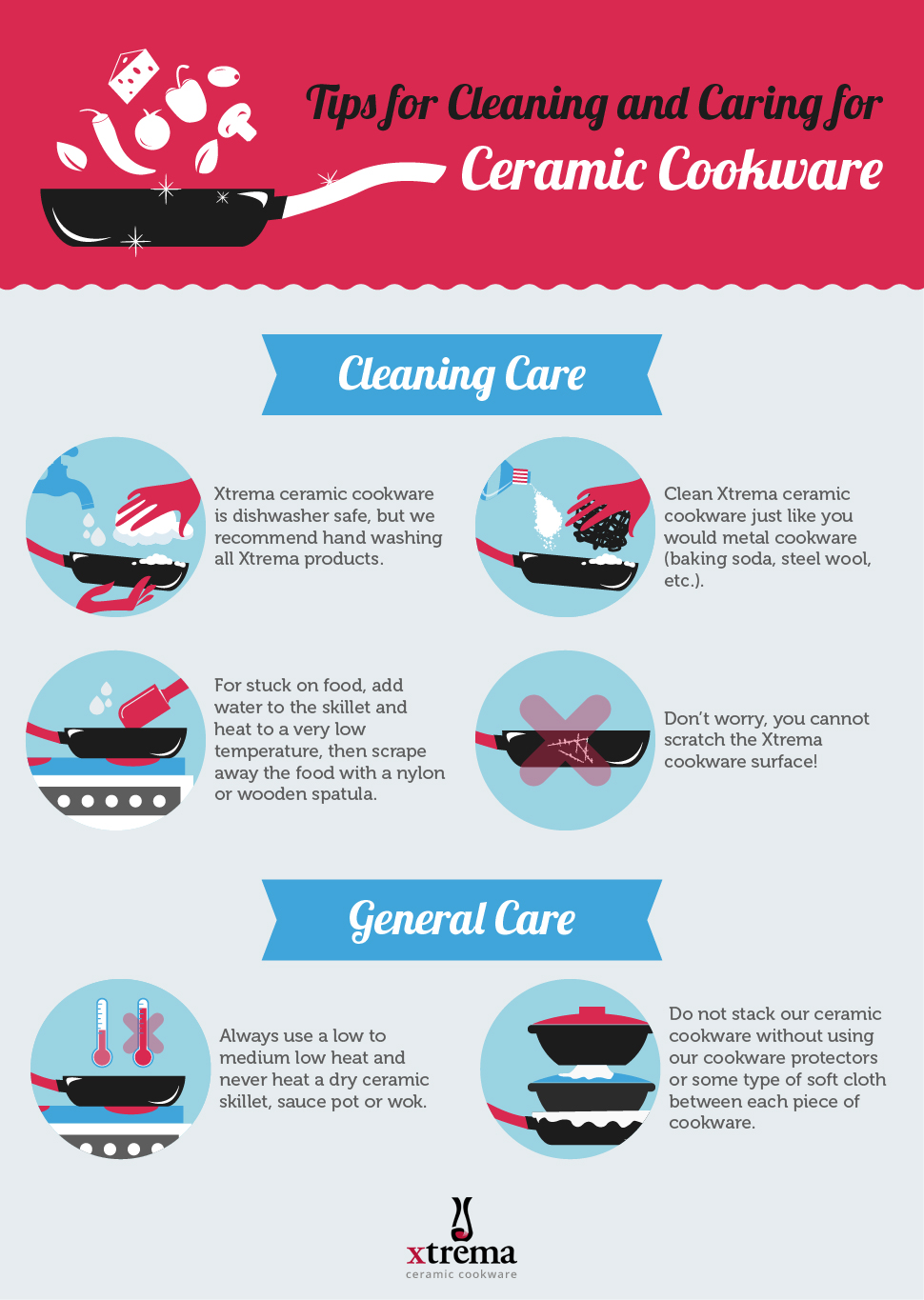
- Use warm water with mild dish soap and a soft sponge or cloth
- Avoid steel wool or harsh abrasive scrubbers that can scratch the surface
- For stuck-on food, soak the pan for 15-20 minutes before scrubbing gently
- Dry your cookware immediately after washing to prevent water spots and corrosion
- Never put cookware directly from heat into cold water, as this can warp or crack it
For non-stick cookware maintenance, you need to be extra careful because the coating is your cookware's best friend. Always use wooden, silicone, or plastic utensils when cooking and cleaning to avoid scratching. Hand wash non-stick pans rather than putting them in the dishwasher, and never use abrasive scrubbers. If food sticks, soak it gently rather than forcing it off.
Cast iron requires an entirely different approach that many people find intimidating but is actually quite simple once you get the hang of it. Clean cast iron with hot water and a stiff brush immediately after cooking, then dry it completely with a cloth. The key is removing all moisture to prevent rust. After cleaning, apply a thin layer of oil while the pan is still warm, then wipe away any excess with a clean cloth.

Seasoning and Protecting Your Non-Stick and Cast Iron Cookware
Seasoning is one of the most misunderstood aspects of cookware maintenance, especially when it comes to non-stick and cast iron. The goal is to build up protective layers that make cooking better and prevent damage. With cast iron, seasoning is essential for maintaining its non-stick properties and preventing rust.
To season cast iron cookware properly, follow these steps:
- Heat your clean, dry pan on low heat for a few minutes
- Apply a very thin layer of high-smoke-point oil like vegetable or canola oil
- Wipe away almost all the oil, leaving just a nearly invisible coating
- Let it cool completely before storing
For non-stick cookware maintenance, you're not really seasoning it like cast iron, but you are protecting it. Avoid cooking with very high heat, as this can damage the coating over time. Never use cooking sprays on non-stick pans because they build up residue that's hard to remove. Instead, use a small amount of butter or oil directly in the pan.
Many people don't realize that even stainless steel benefits from occasional conditioning. Food-grade mineral oil can help restore shine and protect the surface from water spots and fingerprints. Apply it sparingly with a soft cloth, rubbing in the direction of the grain.
Addressing Common Cookware Damage and Discoloration
Even with careful maintenance, cookware can develop issues like discoloration, staining, or mineral deposits. The good news is that most of these problems are fixable. Understanding what causes them helps you prevent future damage to your cookware.
Discoloration on stainless steel is usually caused by heat exposure or mineral content in water. To clean stainless steel cookware that's become discolored, use white vinegar or lemon juice to dissolve the marks. For stubborn stains, make a paste with baking soda and water, apply it to the affected area, and let it sit for 10-15 minutes before scrubbing gently. This method restores shine without damaging your cookware.
Warping is one of the most frustrating problems, and it usually happens from extreme temperature changes or uneven heating. You can't really fix warped cookware, so prevention is key. Always preheat your cookware gradually and avoid shocking it with cold water when it's hot. Make sure your cooktop is clean and flat so the pan makes full contact.
Rust on cast iron is scary for many people, but it's actually manageable. If you notice light rust, scour it with fine steel wool and restore the seasoning immediately. For heavier rust, you may need to remove the pan from service temporarily and work on restoring it more extensively. The best prevention is keeping your cast iron dry and properly seasoned at all times.

Storage Tips to Extend Cookware Lifespan
How you store your cookware matters just as much as how you clean it. Poor storage can lead to damage, discoloration, and shortened lifespan. I learned this lesson when I stacked my pans directly on top of each other and found scratches and dents after a few months.
Here are effective cookware maintenance and storage strategies:
- Store pans in a cool, dry place away from moisture and humidity
- Use pan protectors, felt liners, or paper towels between stacked pans to prevent scratching
- Hang cast iron on a wall or rack rather than stacking it, as the weight can cause damage
- Keep lids separate or use a lid organizer to prevent denting and bending
- Avoid storing cookware in damp cabinets, as moisture encourages rust and corrosion
- For long-term storage, wrap cast iron pieces in paper and store in a dry location
If you have limited storage space, hanging your cookware is a great solution. Wall-mounted racks not only save space but also protect your pans from damage. Make sure the mounting is secure and that the racks can support the weight of your cookware collection.

Seasonal Maintenance and Deep Cleaning
Beyond daily cleaning, your cookware needs occasional deep maintenance to stay in perfect condition. I set aside time once or twice a year to really focus on cookware maintenance, giving each piece the attention it deserves. This prevents buildup of oils, residue, and discoloration that accumulate over time.
For deep cleaning stainless steel cookware, try this approach:
- Fill the pan with water and add a cup of white vinegar
- Bring the mixture to a boil and let it simmer for 5-10 minutes
- Remove from heat, let it cool, and scrub gently with a soft brush
- Rinse thoroughly and dry completely
This method removes mineral deposits, discoloration, and stuck-on residue without damaging the cookware. For non-stick cookware maintenance, skip the boiling vinegar method and instead soak the pan in warm soapy water with a bit of baking soda. This gentler approach cleans without risking damage to the coating.
Cast iron benefits from seasonal restoration, especially if you use it frequently. Strip off old seasoning occasionally by heating it in your oven at a high temperature until it looks bare, then reseason it completely. This prevents buildup of old, sticky layers and gives you a fresh start.

Preventing Heat-Related Damage and Warping
Heat is one of the biggest threats to cookware longevity, yet many people don't understand how to use their pans safely. Knowing the right heat settings for different cookware materials is crucial for proper maintenance. I've made the mistake of cranking the heat up too high, thinking it would speed up cooking, only to end up with warped pans.
Follow these guidelines for safe cooking:
- Use medium or medium-high heat for most cooking tasks
- Reserve high heat only for boiling water or searing meat
- Preheat cookware gradually rather than placing it directly on high heat
- Distribute heat evenly by using the right size burner for your cookware
- Match your cookware size to your burner to avoid overheating the handle or edges
- Never leave empty cookware on a hot stove, as this can cause warping and damage
Non-stick cookware is particularly sensitive to high heat. Overheating can not only warp the pan but also damage the coating and potentially release harmful fumes. Always use medium heat or lower when cooking with non-stick pans. Stainless steel and cast iron can handle higher heat better, but gradual heating still produces better results and extends their lifespan.
If your cookware does warp, avoid using it because food won't cook evenly. Prevention through proper heat management is far easier than dealing with damaged cookware.

Handling and Using Utensils with Your Cookware
The tools you use in your cookware matter tremendously for maintenance. Using the wrong utensils is one of the most common ways people accidentally damage their pans. Every time I see someone scraping non-stick cookware with a metal spoon, I cringe because I know they're shaving off tiny pieces of the coating.
Here's what works best for different cookware types:
- Non-stick cookware: Use only wooden, silicone, plastic, or bamboo utensils
- Stainless steel cookware: Metal utensils are fine, but wooden utensils won't scratch
- Cast iron cookware: Metal utensils are okay, but avoid scraping aggressively
- All cookware: Avoid sharp corners and aggressive scraping motions
Wooden and silicone utensils are your best friends for cookware maintenance across all types. They're gentle, effective, and last a long time if cared for properly. Replace wooden spoons if they develop splinters, as these can scratch cookware and make their way into food.
When stirring, use gentle motions and avoid dragging utensils across the bottom of the pan. If food is sticking, it usually means the pan isn't hot enough yet or needs a bit more oil. The solution is rarely to scrape harder.
Protecting Your Cookware During Cooking
Beyond basic maintenance, protecting your cookware while you're actively cooking makes a huge difference. The way you use cookware during the cooking process directly impacts its longevity and performance. Simple habits developed now will save you money and frustration down the road.
These practices help preserve cookware quality:
- Add oil or butter before heating to create a protective layer
- Avoid cooking acidic foods like tomato sauce for extended periods in aluminum or cast iron
- Use lids when cooking to distribute heat more evenly and reduce splattering
- Adjust heat down once food starts cooking rather than maintaining high heat
- Don't move food too frequently; let it brown properly before flipping
- Avoid leaving empty pans on hot burners
Acidic foods can react with some cookware materials, causing discoloration and pitting. If you need to cook tomato-based dishes in cast iron or aluminum, limit the cooking time and ensure the cookware is properly seasoned or coated. Stainless steel handles acidic foods beautifully and is a better choice for long-simmering sauces.
Troubleshooting Common Cookware Issues
Even with the best cookware maintenance practices, issues sometimes develop. Knowing how to troubleshoot and fix problems extends the life of your cookware significantly. I've salvaged many pans that other people would have thrown away by addressing problems early.
Here are solutions for common problems:
- Pitting or corrosion on stainless steel: Polish with cream of tartar paste or commercial stainless steel cleaner
- Burnt-on residue: Soak overnight in hot soapy water with baking soda, then scrub gently
- Sticky cast iron seasoning: Remove with high-heat oven treatment and reseason completely
- Discolored non-stick surface: Soak in baking soda and warm water; never use harsh chemicals
- Water spots: Dry immediately after washing or polish with vinegar and a soft cloth
- Loose handles: Check screws regularly and tighten with appropriate tools
Many cookware issues are preventable with consistent maintenance, but life happens. The key is addressing problems as soon as you notice them rather than letting them worsen. A little attention now prevents costly replacement later.
Extending Warranty and Professional Maintenance
Some cookware comes with warranties that cover defects, but proper maintenance is usually required to keep them valid. Understanding your cookware warranty helps you make the most of it. Many manufacturers have specific recommendations for cookware maintenance that protect your investment.
Check your cookware documentation for:
- Warranty coverage periods and what's included
- Recommended cleaning methods and products to avoid
- Temperature limits and safe usage guidelines
- Manufacturer contact information for questions or issues
Some high-quality cookware manufacturers offer refinishing or restoration services for a fee. If you have a treasured piece that's damaged or worn, contacting the manufacturer to ask about restoration options might be worthwhile. This is more expensive than prevention but less costly than replacing quality cookware.
Professional care for premium cookware, like copper or specialty pieces, can be worth the investment. These items often improve with age and proper care, becoming family heirlooms rather than kitchen tools.
Sustainable Cookware Maintenance Practices
Maintaining your cookware properly is also an environmentally responsible choice. When you keep cookware longer, you reduce waste and avoid purchasing replacements that require energy to manufacture and transport. I've become much more conscious about the environmental impact of throwing things away, and proper cookware maintenance is one way to make a difference.
Sustainable practices for cookware care include:
- Using eco-friendly, biodegradable dish soap rather than harsh chemicals
- Choosing vinegar, baking soda, and lemon for cleaning over commercial cleaners
- Avoiding single-use cleaning products and disposable tools
- Reusing packaging materials to protect cookware during storage
- Donating or selling unwanted cookware rather than discarding it
- Investing in quality cookware that lasts decades instead of cheap items that need frequent replacement
When your cookware does reach the end of its life, look for recycling options rather than throwing it in the trash. Many recycling centers accept metal cookware, and some manufacturers have take-back programs for their products.
Frequently Asked Questions
How often should I season my cast iron cookware?
Cast iron benefits from light seasoning after every use, but deep seasoning every few months is sufficient. Apply a thin layer of oil while the pan is still warm after cleaning, then wipe away excess. If you use cast iron daily, this quick maintenance keeps it in perfect condition without requiring major restoration work.
Can I put my cookware in the dishwasher?
Most cookware is not dishwasher safe, especially non-stick and cast iron. Hand washing is gentler and preserves the cookware's coating and seasoning. If your cookware claims to be dishwasher safe, check the manufacturer's instructions to ensure proper loading and settings.
What should I do if my cookware starts to rust?
For light rust on cast iron, scour with fine steel wool or a rust-removal pad and immediately reseason the affected area. For heavier rust, remove the pan from service and work on full restoration by stripping it down and reseasoning completely. Prevention through proper drying and storage is far easier than rust removal.
How can I remove water stains from stainless steel cookware?
White vinegar or lemon juice dissolves mineral deposits and water stains on stainless steel. Rub the affected area with a cloth dampened in vinegar, then rinse and dry completely. For stubborn stains, make a paste with baking soda and water, apply it to the stain, and let it sit before scrubbing gently.
Why is my non-stick cookware losing its non-stick properties?
Non-stick coating deteriorates with high heat, harsh scrubbing, and metal utensils. To preserve non-stick cookware, use medium heat or lower, hand wash with soft tools, and never use steel wool or metal utensils. If the coating is badly damaged, it's time to replace the cookware for safety and performance reasons.
What's the best way to store cookware long-term?
Store cookware in a cool, dry place with protective liners between stacked pans to prevent scratching. Wrap cast iron in paper to absorb moisture and prevent rust. Hang larger pieces on wall racks rather than stacking them, as the weight can cause denting and damage over time.
Conclusion
Taking care of your cookware through consistent maintenance transforms it from a disposable item into a lasting kitchen asset. The practices in this guide, from daily cleaning to seasonal deep maintenance, keep your pans performing their best and looking great for years or even decades. Small habits like hand washing instead of using the dishwasher, using appropriate utensils, and storing cookware properly add up to significant savings over time.
Start implementing these cookware maintenance strategies today, beginning with the techniques that address your current cookware collection. You don't need fancy products or complicated procedures; simple practices with common household items work beautifully. Share your cookware care tips with friends and family, and consider investing in quality pieces that deserve the care you're learning to give them.
What's your biggest challenge with cookware maintenance? Leave a comment below and let me know how these tips work for you. Subscribe for more practical kitchen advice that helps you get the most from your cooking tools and create delicious meals for years to come.

Leave a Reply