
A minimalist kitchen relies on versatile, multi-functional cookware that serves many purposes with fewer pieces. If you've ever opened your kitchen cabinets to find them overflowing with gadgets you rarely use, you understand the frustration. A minimalist kitchen approach transforms this chaos into calm efficiency. The right cookware for a minimalist kitchen doesn't mean sacrificing quality or cooking ability—it means being intentional about what you bring into your space. By choosing pieces that earn their place through versatility and durability, you'll cook better meals, spend less money, and enjoy a kitchen that feels peaceful rather than cluttered. Let's explore how to build a functional, beautiful minimalist kitchen with cookware that truly matters.

Understanding Minimalist Kitchen Philosophy
The minimalist kitchen movement isn't about deprivation or limitation. It's about freedom through intentionality. When you remove excess, you create space—both physically and mentally—for what actually matters. This philosophy extends directly to your cookware choices, where each piece should earn its spot through genuine utility and longevity.
Think of minimalism like editing a novel. A good editor doesn't remove words randomly; they remove anything that doesn't serve the story. Similarly, minimalist cookware selection means keeping only the pieces that serve your cooking needs and lifestyle. This approach has gained traction among busy professionals, small-space dwellers, and anyone frustrated with kitchen clutter.
The beauty of this method is that it forces you to cook intentionally too. When you have fewer tools, you become more creative and resourceful with what you have. You learn to adapt recipes, master your equipment, and develop real cooking skills rather than relying on specialized gadgets.
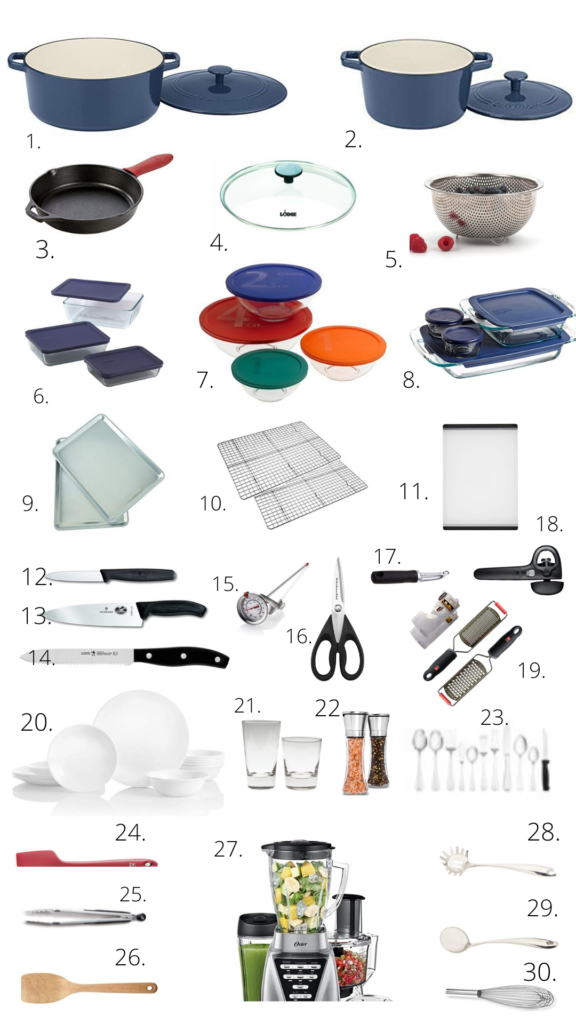
Essential Cookware Pieces for a Minimalist Kitchen
Building a minimalist kitchen cookware collection starts with identifying the core pieces you truly need. Most home cooks can prepare virtually any meal with just five to seven quality pieces. This foundation allows flexibility while maintaining simplicity.
The Cast Iron Skillet
A cast iron skillet is the workhorse of minimalist cooking. This single piece handles breakfast pancakes, lunch sandwiches, and dinner steaks with equal competence. Once seasoned properly, it develops a natural non-stick surface that improves with age. Cast iron conducts heat evenly, lasts generations, and costs far less than many modern alternatives. I've been using the same 12-inch skillet for over fifteen years, and it performs better now than when I bought it.
The Dutch Oven
A Dutch oven—essentially a large, heavy pot with a lid—might be the most versatile piece in your minimalist cookware collection. You can braise meats, bake bread, make soups, and simmer sauces. It transitions seamlessly from stovetop to oven, making it invaluable for complex recipes. A quality enameled Dutch oven requires minimal maintenance compared to cast iron and handles acidic foods without worry.
The Stainless Steel Saucepan
A medium stainless steel saucepan with a lid handles everything from heating milk to making sauces and cooking grains. Stainless steel doesn't react with acidic ingredients like tomatoes or vinegar, making it essential for specific cooking tasks. Choose one with a thick bottom to prevent scorching and even heat distribution.
The Saute Pan
A 10 to 12-inch saute pan with sloped sides gives you space for sauteing vegetables, pan-frying protein, and reducing sauces. The higher sides prevent spillage better than a traditional skillet, and the wider surface area cooks food more evenly. This piece bridges the gap between your skillet and saucepan, handling medium-volume cooking efficiently.
The Baking Sheet
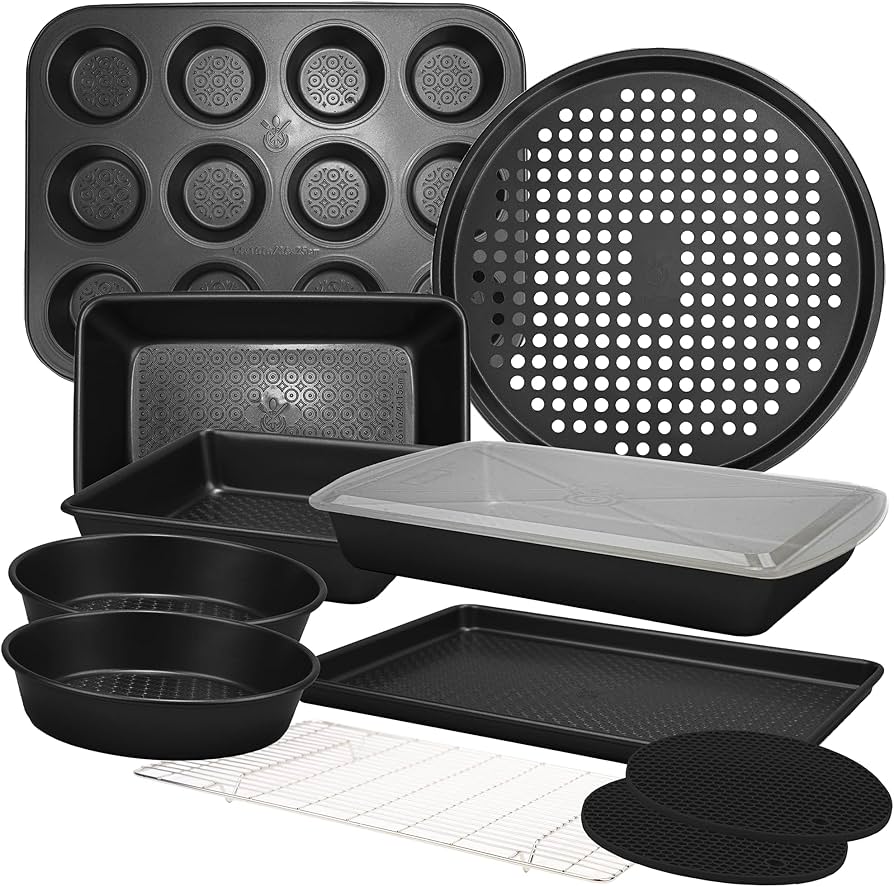
A quality stainless steel baking sheet serves multiple purposes beyond cookies and vegetables. Use it for roasting, broiling, reheating, and even as a makeshift splatter screen. Opt for half-sheet size (13 by 18 inches) as it fits most home ovens and accommodates typical portions.
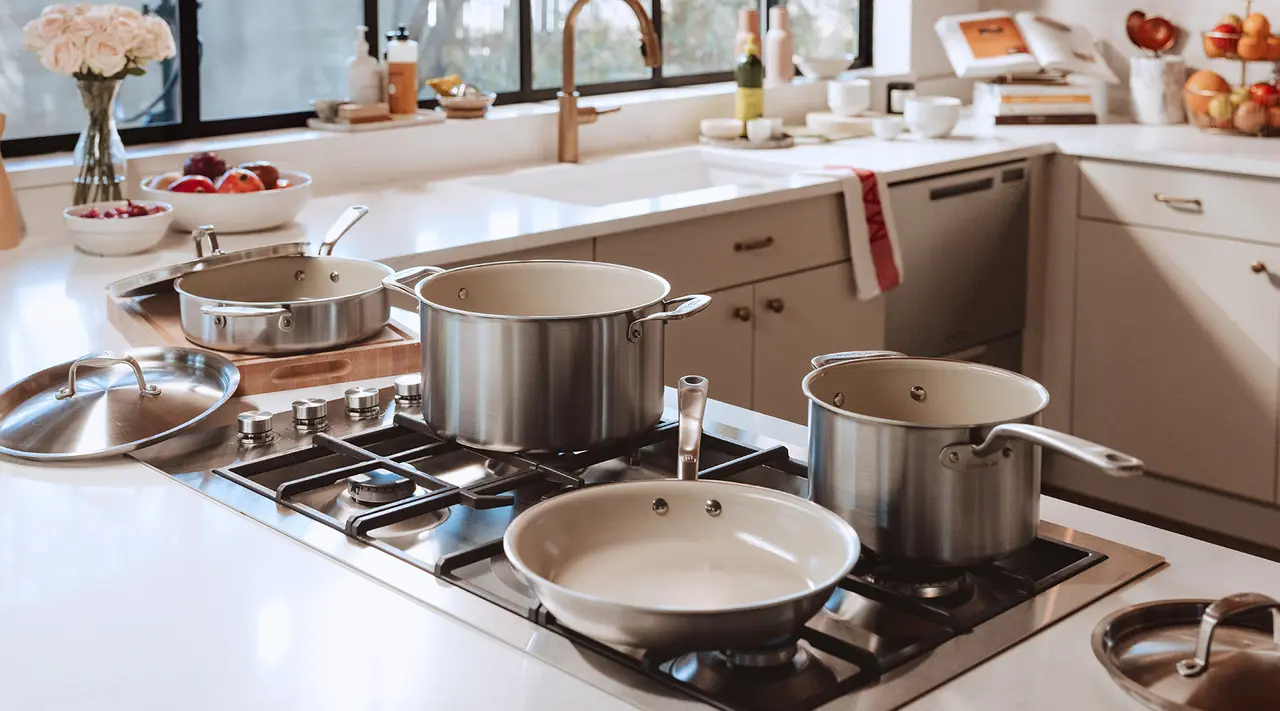
Choosing Quality Materials for Minimalist Cookware
The material of your cookware directly impacts durability, performance, and maintenance requirements. Understanding these options helps you invest wisely in pieces that last decades rather than years.
Cast Iron Advantages and Considerations
Cast iron offers exceptional heat retention and durability, but it requires seasoning and maintenance. It can't go in the dishwasher, and acidic foods can damage the seasoning. However, this maintenance becomes routine once you understand the basics. Cast iron also distributes heat evenly and improves with use, making it a true lifetime investment.
Stainless Steel Benefits
Stainless steel resists corrosion, requires minimal maintenance, and handles acidic ingredients without issue. It's dishwasher safe and won't rust or pit over time. The trade-off is that stainless steel conducts heat less efficiently than cast iron, so look for pieces with copper or aluminum cores for better performance.
Enameled Cookware Features
Enameled cast iron combines cast iron's heat retention with a protective coating that eliminates seasoning requirements. It's colorful, attractive enough to serve from, and easy to clean. The enamel can chip if dropped or overheated, so handle it with care. The higher price point reflects its versatility and aesthetic appeal.
Non-Stick Considerations for Minimalists
Modern ceramic and PTFE non-stick coatings reduce oil requirements and simplify cleanup, though quality varies significantly. Non-stick surfaces degrade over time, eventually requiring replacement. For true minimalism, many experts recommend avoiding non-stick altogether in favor of durable materials, though a single non-stick pan can be justified if you frequently cook delicate items like eggs or fish.

Building Your Minimalist Cookware Collection
Starting a minimalist cookware collection requires restraint and planning. Rather than buying everything at once, acquire pieces intentionally as you discover your actual cooking needs. This approach prevents impulse purchases and ensures each piece truly serves you.
Starting Small
Begin with three essentials: a cast iron skillet, a medium saucepan, and a baking sheet. These three pieces handle roughly eighty percent of everyday cooking tasks. Use them exclusively for two weeks and observe which cooking situations feel limited. This experience guides your next purchase, ensuring it addresses genuine needs rather than assumed ones.
Adding Gradually
After establishing your core three, add pieces based on actual cooking frequency and preferences. If you bake bread regularly, add a Dutch oven. If you frequently cook pasta, add a larger pot. This gradual approach builds intentionality into your collection, preventing the accumulation of rarely-used gadgets.
Prioritizing Quality Over Quantity
One excellent piece outlasts three mediocre ones. Minimalist cookware for the kitchen thrives on this principle. Invest in cookware that feels substantial, performs well, and has strong reviews from long-term users. Brand reputation, warranty information, and material thickness all indicate quality worth your money.
Size Considerations
Choose cookware sizes that match your household and cooking style. A family of four benefits from larger pieces, while solo cooks might prefer smaller options. Oversized cookware wastes heat and energy, while undersized pieces create frustration. Honest assessment of your actual cooking patterns guides appropriate sizing.
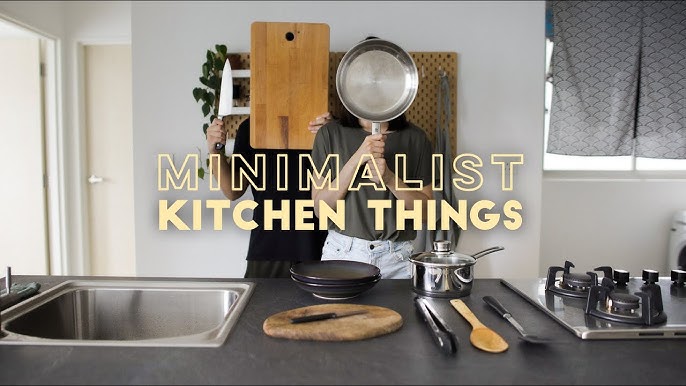
Practical Advantages of Minimalist Cookware Selection
Beyond aesthetic appeal, minimalist cookware selection offers tangible, everyday benefits that improve your cooking experience and kitchen functionality.
Space Efficiency
Less cookware means more cabinet space for ingredients, serving dishes, and actual necessities. In small apartments or kitchens, this freed space matters significantly. You can access what you need without rearranging stacks of unused pans. This organization reduces daily friction and makes cooking more enjoyable.
Financial Savings
Buying five quality pieces costs less than purchasing twenty mediocre ones. Over time, the durability of quality cookware means fewer replacements and repairs. You invest money strategically rather than spreading it across numerous items, resulting in better overall value and performance.
Easier Maintenance
Fewer pieces mean shorter cleanup times and simpler storage systems. You know your cookware intimately, understanding its quirks and optimal usage patterns. This familiarity improves your cooking outcomes because you work with your tools rather than against their limitations.
Reduced Decision Fatigue
Opening your cabinet to find just your essential cookware pieces eliminates decision paralysis about which pan to use. Your choices become automatic, freeing mental energy for creative cooking and recipe development. This simplification extends beyond cooking, embodying the broader minimalist principle that fewer options create greater clarity.
Environmental Impact
Buying less reduces manufacturing demand and associated environmental costs. Using durable cookware that lasts decades rather than replacing low-quality pieces annually decreases waste significantly. Minimalist cookware selection aligns with sustainable living practices that benefit both your wallet and the planet.

Common Minimalist Cookware Mistakes to Avoid
Even with good intentions, minimalist kitchen cookware decisions can go wrong. Understanding common pitfalls helps you build a collection that truly serves your needs.
Underestimating Your Needs
Some people embrace minimalism too aggressively, purchasing only two or three pieces when they actually need five. This forced limitation creates frustration rather than freedom. Minimalism means intentional living, not deprivation. Be honest about your cooking patterns and household size when determining your cookware count.
Buying Trendy Over Functional
Beautiful cookware for a minimalist kitchen should also perform exceptionally. Don't choose pieces based primarily on aesthetics or brand hype. Research performance, read long-term user reviews, and prioritize function over form. A gorgeous skillet that doesn't conduct heat evenly wastes counter and cabinet space.
Ignoring Heat Source Compatibility
Not all cookware works equally on all stove types. Flat-bottomed cookware performs better on electric ranges, while curved-bottom designs suit gas flames. Induction cooktops require magnetic cookware materials. Before purchasing, verify that your chosen pieces match your specific heat source for optimal performance.
Neglecting Proper Maintenance
Minimalist cookware requires proper care to justify its presence in your kitchen. Seasoning cast iron, drying stainless steel promptly, and avoiding dishwashers for certain pieces keeps them functioning optimally. Factor maintenance requirements into your decision-making process.
Overlooking Personal Cooking Style
Your minimalist cookware collection should reflect how you actually cook, not how you think you should cook. If you rarely bake, skip specialized baking cookware. If you avoid one-pot meals, prioritize different pieces. This honest assessment prevents buying cookware that sits unused, defeating minimalism's purpose.

Maintenance Tips for Long-Lasting Minimalist Cookware
Proper maintenance extends your cookware's lifespan and ensures consistent performance. Since you own fewer pieces, maximizing their longevity matters considerably.
Cast Iron Care
Seasoning cast iron involves coating it with oil and heating it repeatedly to build a protective layer. Hand wash immediately after cooking while the pan is warm, using minimal soap and hot water. Dry completely to prevent rust. Store with a folded paper towel inside to absorb any residual moisture. Occasionally, especially yearly, reseason by applying oil and baking the entire piece in a 500-degree oven for an hour.
Stainless Steel Maintenance
Wash stainless steel cookware with warm soapy water immediately after cooking. For stubborn spots, use a paste of baking soda and water or specialized stainless steel cleaner. Dry promptly to prevent water spots and mineral buildup. Avoid harsh abrasive scrubbers that create surface scratches.
Dutch Oven Upkeep
Enameled Dutch ovens should be hand washed with mild soap and soft sponges. Avoid rapid temperature changes that can crack the enamel. Store with a folded cloth between the pot and lid to prevent chipping. If small chips appear, they're harmless, but avoid using the piece under high heat until the chips are sealed.
General Heat Management
Avoid exposing cookware to extreme temperature fluctuations. Don't pour cold water into a hot pan or place a hot pan on a cold counter. These thermal shocks can warp cookware or crack enamel. Most cookware performs better and lasts longer when heated and cooled gradually.
Storage Solutions
Store cookware in accessible locations where you'll actually use it rather than pushing pieces to the back of cabinets. Use shelf risers or stackable organizers to maximize vertical space. If pieces nest together, place paper towels between them to prevent scratching and nesting marks.
Budget-Friendly Minimalist Cookware Options
Quality cookware doesn't require premium prices. Strategic shopping and brand awareness help you build excellent collections affordably.
Entry-Level Quality Brands
Several cookware manufacturers offer solid quality at moderate prices. These brands prioritize function over luxury, delivering reliable performance without luxury markups. Reading reviews from long-term users reveals which budget brands truly deliver durability or which cut corners on important features.
Outlet and Discounted Sources
Brand-name cookware frequently goes on sale at outlets and discount retailers. Cookware rarely becomes obsolete, so last year's models perform identically to current versions at fraction prices. Estate sales and secondhand markets also offer quality vintage cookware at minimal cost.
Investing in One Premium Piece at a Time
Rather than buying a complete set of mediocre cookware, purchase one excellent piece, then gradually add others. This approach spreads expenses over time while ensuring each piece meets your quality standards. You'll end up with a more cohesive collection of genuinely excellent cookware.
Avoiding Cookware Sets
Complete cookware sets typically include pieces you don't need, wasting money and space. Individual piece purchases let you choose exactly what serves your cooking. Sets appeal to retailers more than cooks, as bundling ensures you buy items you'd never purchase alone.
Adapting Minimalist Cookware for Different Cooking Styles
Minimalist cookware for the kitchen accommodates various cooking preferences by selecting pieces that align with your specific methods and cuisines.
For Asian Cooking Enthusiasts
A carbon steel wok or a well-seasoned cast iron skillet handles high-heat stir-frying effectively. These pieces work on all heat sources and can accomplish what specialized wok equipment does. Add a saucepan for simmering broths and sauces, and you have everything needed for most Asian cuisine.
For Bakers
A Dutch oven for bread, a baking sheet, and a saucepan for stovetop tasks like making custard or boiling water covers baking needs. Many bakers find that adding a loaf pan provides valuable functionality, though bread can bake on a simple baking sheet if shaped into rounds.
For Grill Enthusiasts
A cast iron skillet works excellently on outdoor grills, expanding what you can cook beyond direct flame. Keep it separate or bring your minimalist kitchen cast iron outside. When finished, clean and season it like you would any cast iron piece.
For Slow-Cooking Adherents
A Dutch oven eliminates the need for a separate slow cooker. Place it in the oven at low temperatures for hours to achieve slow-cooking results. This approach uses existing cookware for multiple purposes, true minimalism in action.
For Vegetable-Forward Cooks
A large saute pan and a Dutch oven handle the roasting and braising that feature-heavy plant-based diets. A saucepan manages grains and legumes, while a baking sheet roasts vegetables. These pieces serve vegetable-forward cooking as effectively as they serve any other style.
Frequently Asked Questions
What is the absolute minimum cookware needed for a minimalist kitchen?
Three pieces constitute a functional minimalist kitchen: a cast iron skillet, a saucepan with lid, and a baking sheet. These handle most everyday cooking tasks including proteins, vegetables, grains, and baked goods. You can supplement based on your specific needs, but these three create a solid foundation.
Is non-stick cookware acceptable in a minimalist kitchen?
Non-stick cookware can work in a minimalist kitchen if you use it intentionally for specific tasks like cooking delicate fish or eggs. However, non-stick coatings degrade over time requiring replacement, which conflicts with minimalism's durability principle. Many minimalists skip non-stick entirely in favor of cast iron or stainless steel that last indefinitely.
How much should I spend on quality minimalist cookware?
Quality cookware typically ranges from $30 to $100 per piece depending on material and brand. A functional five-piece collection costs $200 to $400, though excellent starter options exist under $150 total. Investing in durable pieces saves money long-term compared to repeatedly replacing cheaper cookware.
Can I use minimalist cookware for entertaining and special meals?
Absolutely. Minimalist cookware performs equally well for everyday cooking and special occasions. Many gourmet chefs prefer working with fewer, higher-quality pieces. Your essential cookware collection proves sufficient for any cooking challenge if chosen thoughtfully and maintained properly.
How do I transition to minimalist cookware from a full collection?
Start by identifying the three to five pieces you use most frequently. Use only those for two weeks, noting any genuine limitations. Add pieces based on actual needs rather than theoretical scenarios. Donate or sell unused pieces gradually, creating space for your intentional collection to breathe.
What's the best material for minimalist cookware durability?
Cast iron and stainless steel offer the longest lifespans, often lasting generations with proper care. Both materials work on all heat sources and require no special surface maintenance beyond basic cleaning. Choose based on your cooking style: cast iron for high-heat needs and versatility, stainless steel for low-maintenance simplicity.
Conclusion
Building a minimalist kitchen cookware collection transforms how you cook and interact with your kitchen space. By choosing versatile, durable pieces that genuinely serve your needs, you create an environment that supports creativity rather than limiting it. Quality cookware for a minimalist kitchen represents intentional living applied to everyday tools, proving that less truly becomes more when you're thoughtful about your choices.
Start by assessing your actual cooking patterns and selecting three essential pieces that handle most tasks. Experience how these core items perform before adding anything else. When you're ready to expand, do so deliberately, based on real needs rather than assumed requirements. Your minimalist cookware collection will evolve into something uniquely suited to your lifestyle, something that brings efficiency, beauty, and joy to your kitchen. Begin today by evaluating what you already own and identifying the pieces worth keeping. Share your minimalist kitchen journey in the comments—what essential cookware pieces do you rely on most?

Leave a Reply