
Building a functional kitchen starts with choosing the right tools, and beginner cookware sets offer an affordable, practical foundation for home cooks learning their way around the stove. Starting your cooking journey can feel overwhelming when faced with endless cookware options at kitchen stores and online retailers. However, understanding what beginner cookware truly means and which pieces actually matter will save you money, space, and frustration. Whether you're moving into your first apartment, rediscovering your love for home cooking, or helping someone else get started in the kitchen, selecting the right cookware for beginners is about finding reliable, versatile pieces that won't break the bank or your confidence.
I've spent years testing cookware with friends and family members just starting their cooking adventures, and I've learned that beginners don't need expensive professional-grade equipment. What you really need are trustworthy basics that perform well, last reasonably long, and teach you fundamental cooking skills. In this guide, I'll walk you through everything you need to know about beginner cookware, from essential pieces to materials that actually work, helping you build a kitchen that supports your cooking growth.
.png?v=1762284967227&options=w_870,h_700)
Understanding Cookware for Beginners Kitchen
Cookware for beginners kitchen refers to essential pots, pans, and cooking vessels designed specifically for people new to cooking or starting fresh with basic kitchen equipment. These pieces prioritize durability, ease of use, and affordability over professional features. Beginner cookware doesn't require advanced techniques or special care, making it perfect for learning fundamental cooking methods without worrying about expensive mistakes.
The core philosophy behind beginner cookware is simplicity paired with functionality. You get reliable heat distribution, comfortable handles, and straightforward maintenance without paying premium prices for features you won't use yet. Most beginners benefit from a small collection of versatile pieces that handle multiple cooking tasks rather than specialized equipment designed for specific dishes.
I remember when I first helped my sister set up her kitchen after college. She wanted to buy everything at once, thinking more cookware meant better cooking. Instead, I guided her toward a focused beginner collection, and honestly, she cooked more confidently with five essential pieces than she would have with fifteen. That's the real value of understanding what beginner cookware actually means.
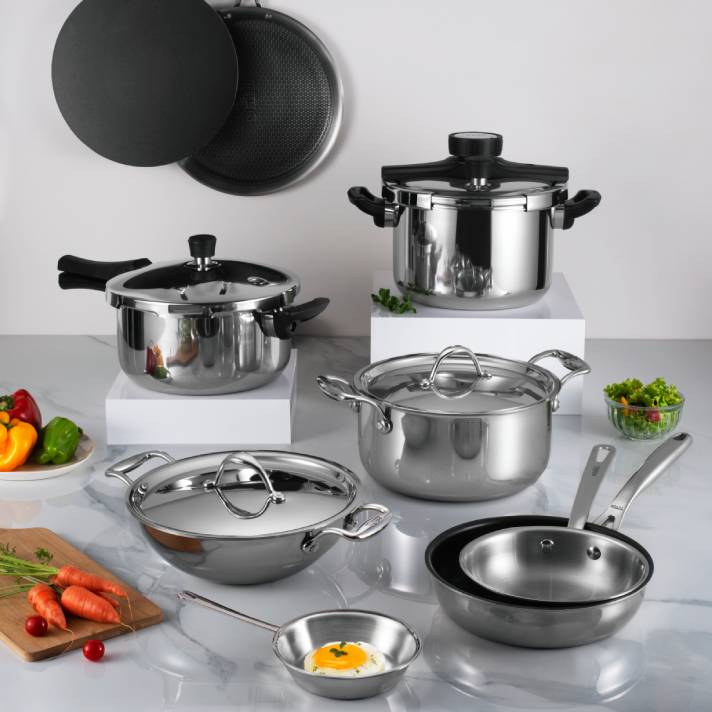
Essential Pieces for Beginner Cookware Sets
Starting with the right foundation makes all the difference in your cooking confidence and success. Here are the key pieces every beginner should consider:
8 to 10-inch Skillet or Frying Pan
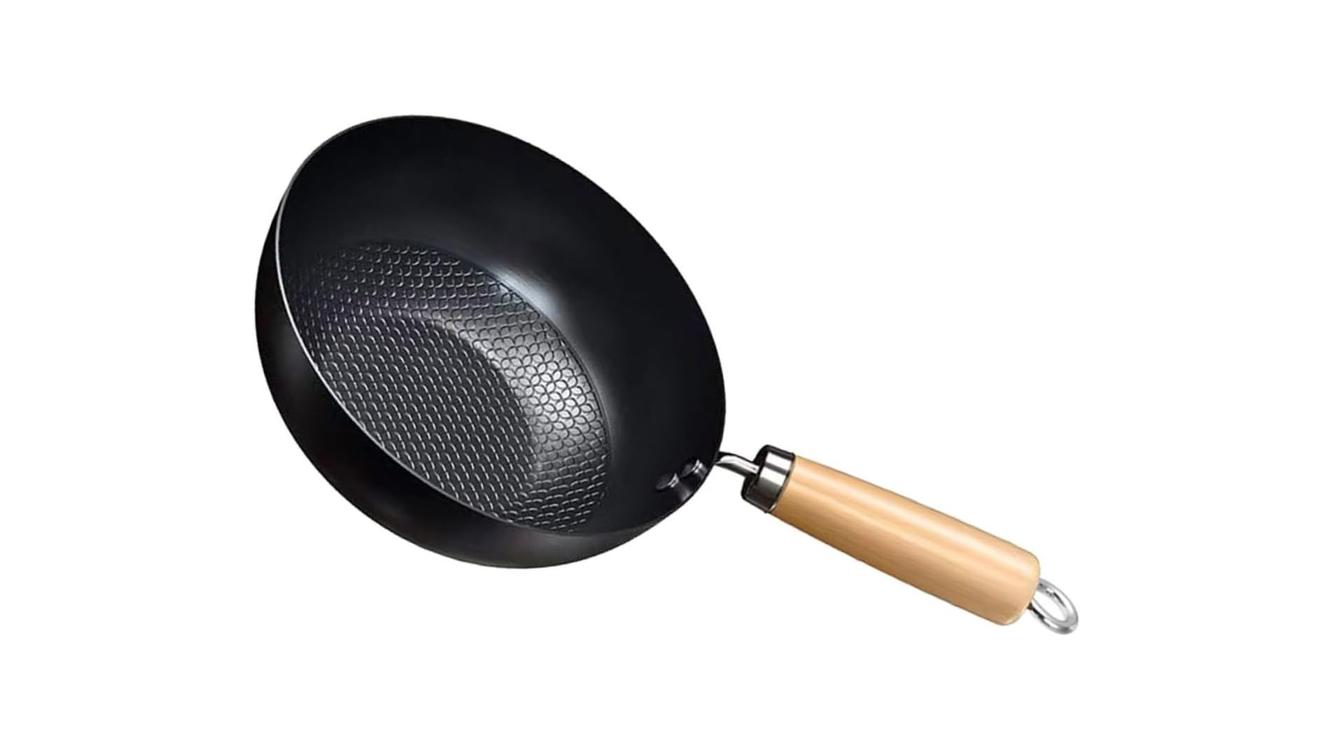
This is your workhorse pan, perfect for sautéing vegetables, cooking proteins, and making everything from pancakes to stir-fries. A beginner cookware set should include at least one good skillet because you'll use it several times weekly. Look for one with a comfortable handle and even heat distribution.
2 to 3-quart Saucepan
A medium saucepan handles soups, pasta, rice, and sauces with ease. This is essential cookware for beginners because it teaches you about temperature control and liquid cooking. The lid that typically comes with it helps you master steam cooking and boiling techniques.
Large Pot (6 to 8-quart)
This larger vessel is necessary for making big batches of soup, boiling pasta for four people, or cooking dried beans. While it might seem unnecessary at first, most home cooks reach for their large pot weekly. This cookware piece grows with your skills as you start entertaining or meal prepping.
Baking Sheet or Sheet Pan
Though not technically cookware for the stovetop, a basic metal baking sheet belongs in every beginner kitchen. You'll use it for roasting vegetables, baking cookies, and preparing sheet pan dinners. Choose one that fits in your oven and comes with some weight to it.
Cooking Utensils
Basic utensils like wooden spoons, a silicone spatula, tongs, and a whisk complete your beginner cookware setup. These tools work with most cookware materials without causing damage.
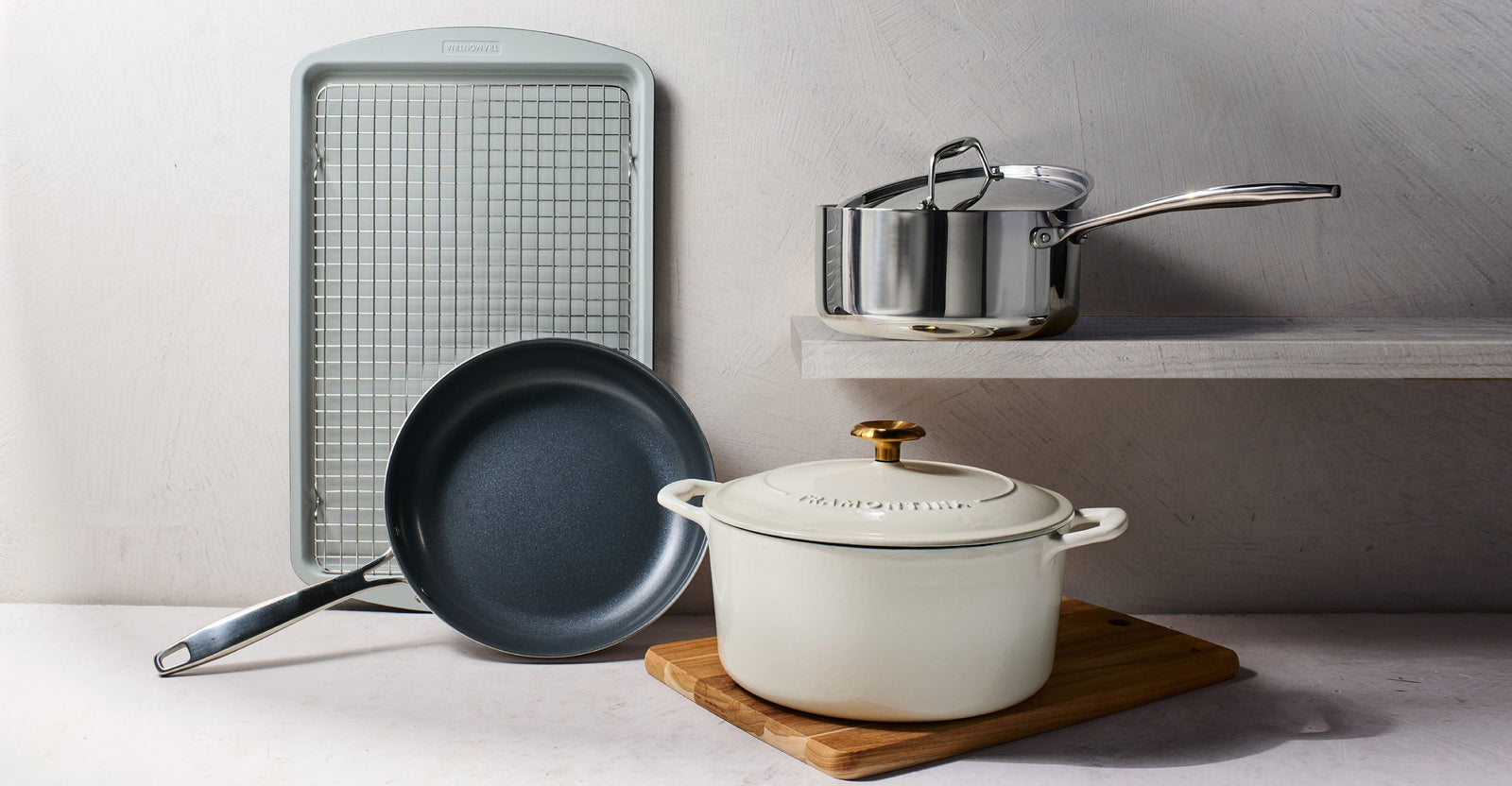
Best Materials for Beginner Cookware
Choosing the right material is crucial when selecting cookware for beginners kitchen. Different materials offer distinct advantages and limitations, and understanding these helps you make informed decisions.
Stainless Steel Cookware
Stainless steel is incredibly durable and works well for beginner cookware because it handles high heat and lasts for decades. It resists staining and doesn't require seasoning like cast iron, making it low-maintenance. The downside is that stainless steel doesn't conduct heat as evenly as some other materials, which means you need to learn about adjusting burner placement and heat levels to prevent sticking.
Non-stick Cookware
Non-stick surfaces make beginner cookware more forgiving since food releases easily, requiring less oil and minimal cleanup. This cookware is fantastic for learning basic cooking techniques without constantly worrying about food sticking. However, non-stick coatings eventually wear down, typically lasting three to five years with proper care, making replacement necessary.
Cast Iron Cookware
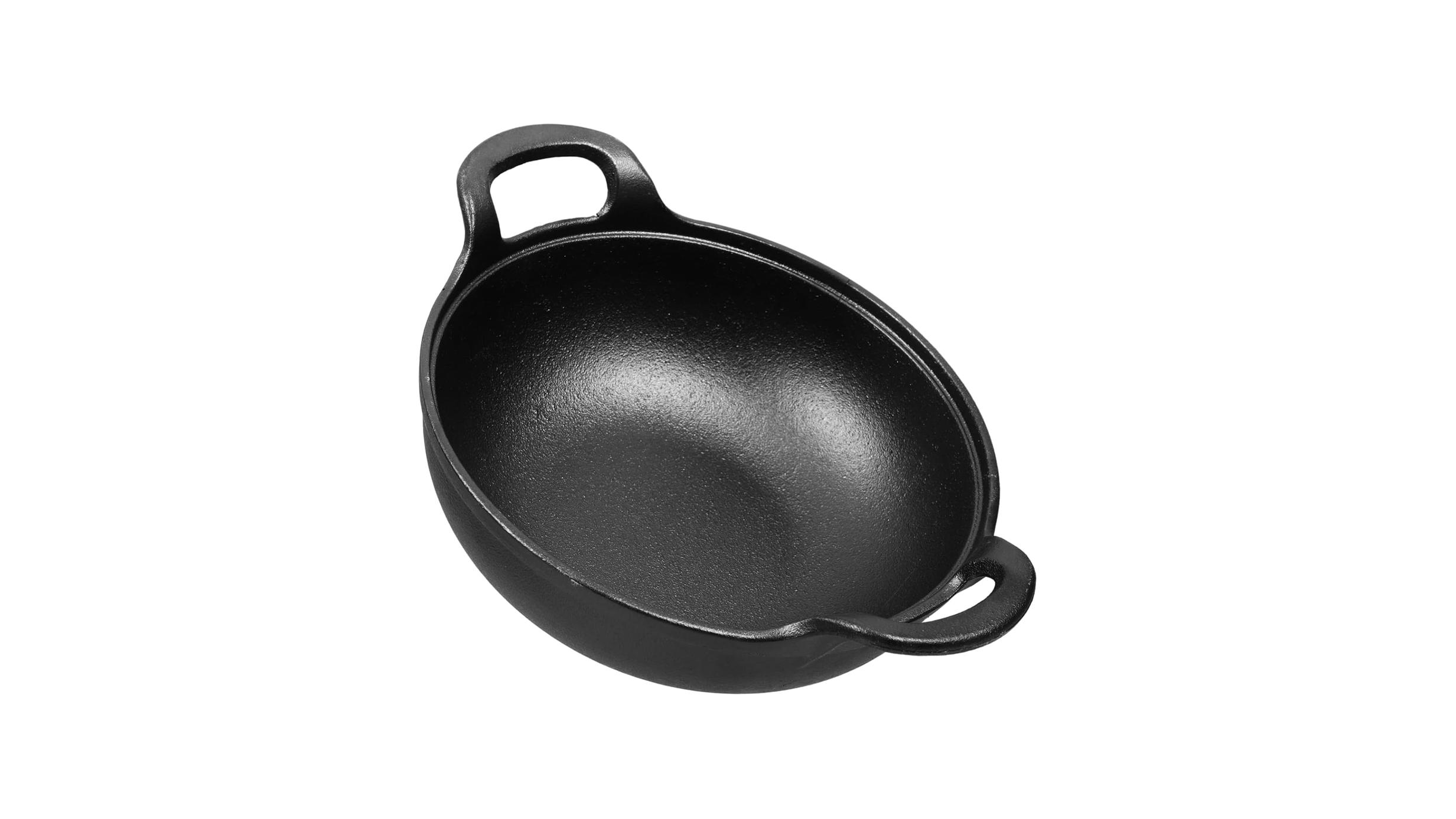
While not always recommended as a first choice for beginners, cast iron can be part of your beginner cookware collection if you're willing to learn maintenance. It heats evenly, improves over time, and lasts indefinitely. The learning curve involves seasoning and avoiding acidic foods when starting out, which might frustrate brand-new cooks.
Aluminum Cookware
Budget-friendly aluminum cookware is lightweight and heats quickly, making it popular in beginner cookware sets. Pure aluminum reacts with acidic foods, so look for anodized aluminum instead. This cookware material offers excellent value for price-conscious beginners.
Copper-Bottomed or Clad Cookware
This cookware for beginners combines stainless steel or aluminum with copper bottoms to improve heat distribution. It's pricier than single-material options but teaches you proper cooking techniques more quickly.
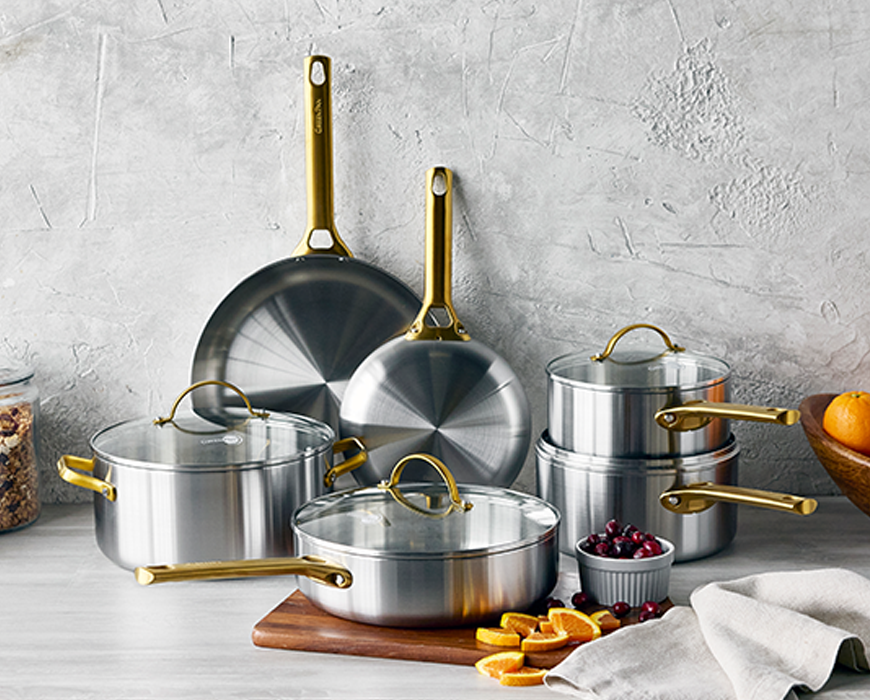
Choosing the Right Beginner Cookware Set vs. Buying Individual Pieces
Many people wonder whether to buy a complete beginner cookware set or purchase individual pieces. Each approach has merit depending on your situation and budget.
Advantages of Beginner Cookware Sets
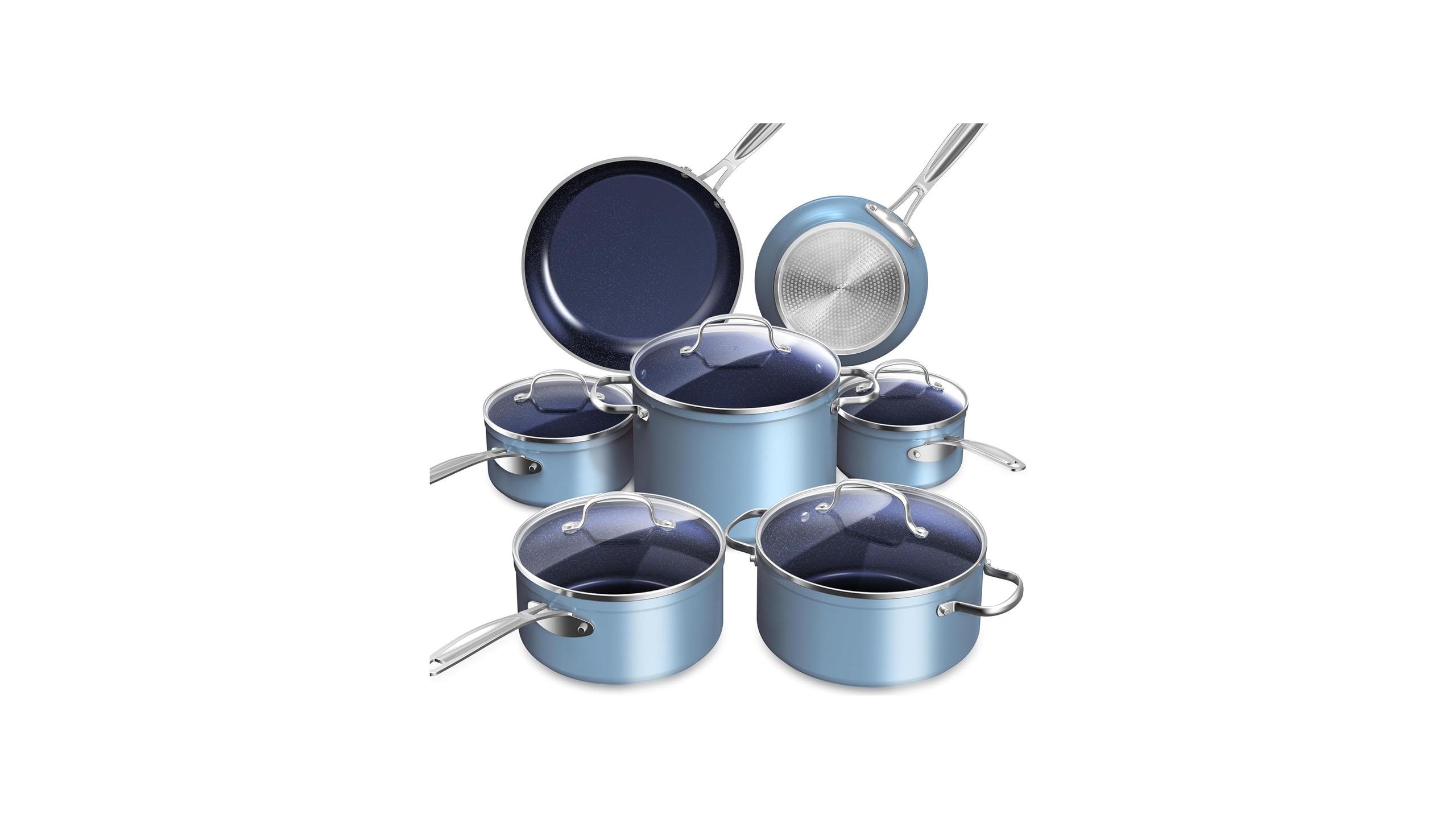
Sets offer convenience and better overall value since manufacturers bundle complementary pieces at discounted prices. You get everything at once, so you can start cooking immediately without making multiple purchases. Most sets include a range of sizes and types, giving you versatility from day one.
Advantages of Buying Individual Pieces
Purchasing items separately lets you select exactly what you need and choose pieces that fit your cooking style. You can invest in higher quality for the items you'll use most while keeping other pieces budget-friendly. This approach prevents buying redundant cookware that might not match your actual needs.
My recommendation for beginners leans toward starting with a modest set covering the essentials, then adding individual pieces as you discover what you actually use. I've found that most beginners benefit from having matching pieces that work cohesively, which sets provide naturally.

Budget Considerations for Beginner Cookware
Setting a realistic budget is essential when selecting cookware for beginners kitchen. You don't need to spend a fortune to get reliable performance, but extremely cheap cookware often leads to frustration.
Budget-Friendly Cookware for Beginners
Expect to spend between $50 and $150 for a basic beginner cookware set that includes four to six essential pieces. At this price point, you get functional cookware that teaches you proper techniques without requiring significant investment. Many reputable brands offer quality beginner cookware in this range.
Mid-Range Cookware for Beginners
Investing $200 to $400 gets you beginner cookware with better heat distribution, more durable non-stick coatings, and handles that stay cooler. This cookware typically lasts longer and performs more consistently than budget options. Many home cooks find this range offers the best value for longevity and performance.
Premium Beginner Cookware
Spending over $400 on cookware for beginners isn't necessary unless you have specific preferences. Premium pieces offer marginal improvements over mid-range cookware and often include features beginners won't immediately appreciate.
I always tell people starting out to resist the temptation to spend everything at once. Beginner cookware should be an investment in learning, not a financial burden. You can always upgrade individual pieces as your skills and preferences develop.

How to Care for Your Beginner Cookware
Proper maintenance extends the life of your cookware for beginners kitchen and keeps it performing well. Different materials require different care approaches.
Caring for Non-stick Cookware
Always hand wash non-stick pieces gently with warm soapy water and soft sponges, as dishwashers damage the coating. Use low to medium heat when cooking, as high temperatures wear down non-stick surfaces faster. Avoid metal utensils that scratch the coating; stick with wood, silicone, or plastic utensils instead.
Caring for Stainless Steel Cookware
Stainless steel cookware handles dishwashers, but hand washing preserves appearance longer. Clean stuck-on food by simmering water in the pan for several minutes, then gently scrubbing. Dry stainless steel by hand to prevent water spots and maintain shine.
Caring for Cast Iron Cookware
Season cast iron regularly by oiling after cleaning to build a protective layer. Avoid soaking cast iron or exposing it to moisture for extended periods, as rust develops. Clean cast iron with hot water and a stiff brush rather than soap, which breaks down seasoning.
General Maintenance Tips for All Cookware
Store cookware so pieces don't bang together, as this causes dents and surface damage. Use appropriate heat levels for each material; high heat isn't always better. Inspect cookware regularly for signs of warping or coating deterioration.
Common Mistakes Beginners Make When Choosing Cookware
Understanding common pitfalls helps you avoid expensive mistakes when selecting cookware for beginners kitchen.
Buying Too Much Cookware Too Quickly
Many beginners purchase oversized sets thinking more pieces equal better cooking. In reality, most home cooks use the same three to four pieces repeatedly. Start small and add pieces as you discover what you actually need through cooking experience.
Choosing Based Solely on Price
The cheapest cookware often performs poorly and requires replacement within a year, actually costing more long-term. Conversely, the most expensive cookware doesn't guarantee better beginner outcomes. Aim for mid-range quality that balances affordability with performance.
Ignoring Heat Distribution Quality
Cookware that doesn't distribute heat evenly teaches bad habits and creates frustration. Cheap cookware often has this problem, causing hot spots that burn food. Invest in pieces with decent heat distribution so you learn proper cooking technique.
Neglecting Handle Comfort and Safety
Uncomfortable or unsafe handles can lead to dropped pans and burned hands. Test handles before buying when possible, ensuring they feel secure and stay relatively cool during cooking.
Forgetting About Maintenance Requirements
Selecting cookware without considering care demands can lead to damage and disappointment. If you don't want to maintain cast iron, don't buy it for your beginner cookware collection. Match cookware choices to your willingness to care for them properly.

Frequently Asked Questions
What is the best cookware material for beginners?
Stainless steel offers the best balance for beginner cookware because it's durable, low-maintenance, and teaches proper cooking techniques without the learning curve of cast iron. Non-stick cookware is also excellent for beginners since it's forgiving and requires minimal oil, though the coating eventually needs replacement.
How many pans do beginners actually need?
Most beginners function well with just three to five essential pieces: one skillet, one saucepan, and one large pot. Adding a baking sheet and basic utensils rounds out a complete beginner cookware setup that handles the majority of cooking tasks.
Is a cookware set or individual pieces better for beginners?
Beginner cookware sets offer better initial value and convenience, providing matched pieces at discounted prices. However, buying individual pieces allows customization to your actual cooking needs, which some people prefer after getting started.
How long does beginner cookware typically last?
Quality beginner cookware lasts three to ten years depending on material and care. Non-stick cookware has shorter lifespans of three to five years before coating degradation, while stainless steel pieces last indefinitely with proper maintenance.
Can I use beginner cookware on all stove types?
Most beginner cookware works on electric, gas, and induction stovetops, but verify compatibility before purchasing. Induction cooking requires magnetic cookware materials, so check product specifications if you have an induction stovetop.
Should I buy cookware online or in stores?
Buying in-store lets you handle cookware and test weight and balance before purchasing, which helps beginners choose comfortable pieces. Online shopping offers more variety and competitive pricing, though you lose the tactile experience. Consider both options; in-store testing followed by online purchasing often yields the best value.
What's the difference between cookware and cookset brands at different price points?
Budget brands offer basic functionality at lower prices but may have uneven heat distribution and shorter lifespans. Mid-range brands provide better heat distribution and coating durability. Premium brands offer marginal improvements that beginners won't notice immediately but do last longer, making them better long-term investments.
Conclusion
Starting your cooking journey with the right beginner cookware sets you up for success and growing confidence in the kitchen. The best cookware for beginners isn't about having the fanciest or most expensive equipment; it's about choosing reliable, versatile pieces that handle everyday cooking tasks without overwhelming complexity. Whether you select a focused set of essentials or build your collection piece by piece, what matters most is selecting quality items within your budget that you'll actually use and enjoy maintaining.
Take action today by assessing your current kitchen situation and identifying which essential pieces you need most urgently. Start with a modest investment in quality beginner cookware, learn fundamental cooking techniques through consistent practice, and expand your collection gradually as your skills and preferences develop. Your kitchen will become a place of creativity and comfort as you build skills with trusted tools that grow alongside your culinary confidence.
Share your beginner cookware experiences in the comments below, and don't hesitate to reach out with specific questions about selecting cookware for your kitchen situation. Happy cooking!

Leave a Reply