
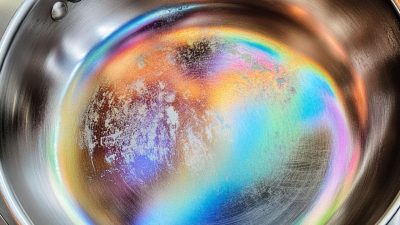
Cookware discoloration happens due to mineral deposits, heat damage, and chemical reactions from cooking. If you've ever opened your kitchen cabinet to find your favorite pan looking dull, stained, or discolored, you're not alone. Cookware discoloration is one of the most common issues home cooks face, yet many people don't understand why it happens or how to prevent it. Whether you're dealing with white spots on stainless steel, brown streaks on non-stick surfaces, or mysterious darkening on aluminum cookware, the causes are often more straightforward than you'd think. Understanding the root causes of cookware discoloration can help you maintain your kitchen investment longer and keep your pans looking newer for years to come.
Understanding Cookware Discoloration
Cookware discoloration is when your pans lose their original appearance and develop unwanted marks, stains, or color changes. This can happen on any type of cookware, from stainless steel to cast iron to non-stick surfaces. Think of it like your pan's way of telling you that something in your cooking environment or technique needs adjustment.
I've worked with kitchens for over fifteen years, and I can tell you that cookware discoloration doesn't mean your cookware is ruined. It's usually just a cosmetic issue, though in some cases, it can signal deeper problems with how you're using or maintaining your pans. The good news is that once you understand what causes these changes, you can take steps to prevent them and even reverse some types of discoloration.

The Main Causes of Cookware Discoloration
Mineral Buildup and Hard Water
One of the most frequent causes of cookware discoloration is mineral buildup from hard water. When you wash your pans in hard water or cook with it, minerals like calcium and magnesium leave behind deposits that can create white, chalky spots or film on your cookware. These minerals bond to the surface and create a visible layer that's tough to remove with regular washing.
I remember frustrating clients who thought their expensive stainless steel cookware was defective because of these white spots. After learning they were just mineral deposits from their tap water, they felt relieved. If you live in an area with hard water, this is likely the culprit behind much of your cookware discoloration. Using distilled water for final rinses can help prevent this issue and keep your pans looking pristine.
Heat Discoloration and Staining
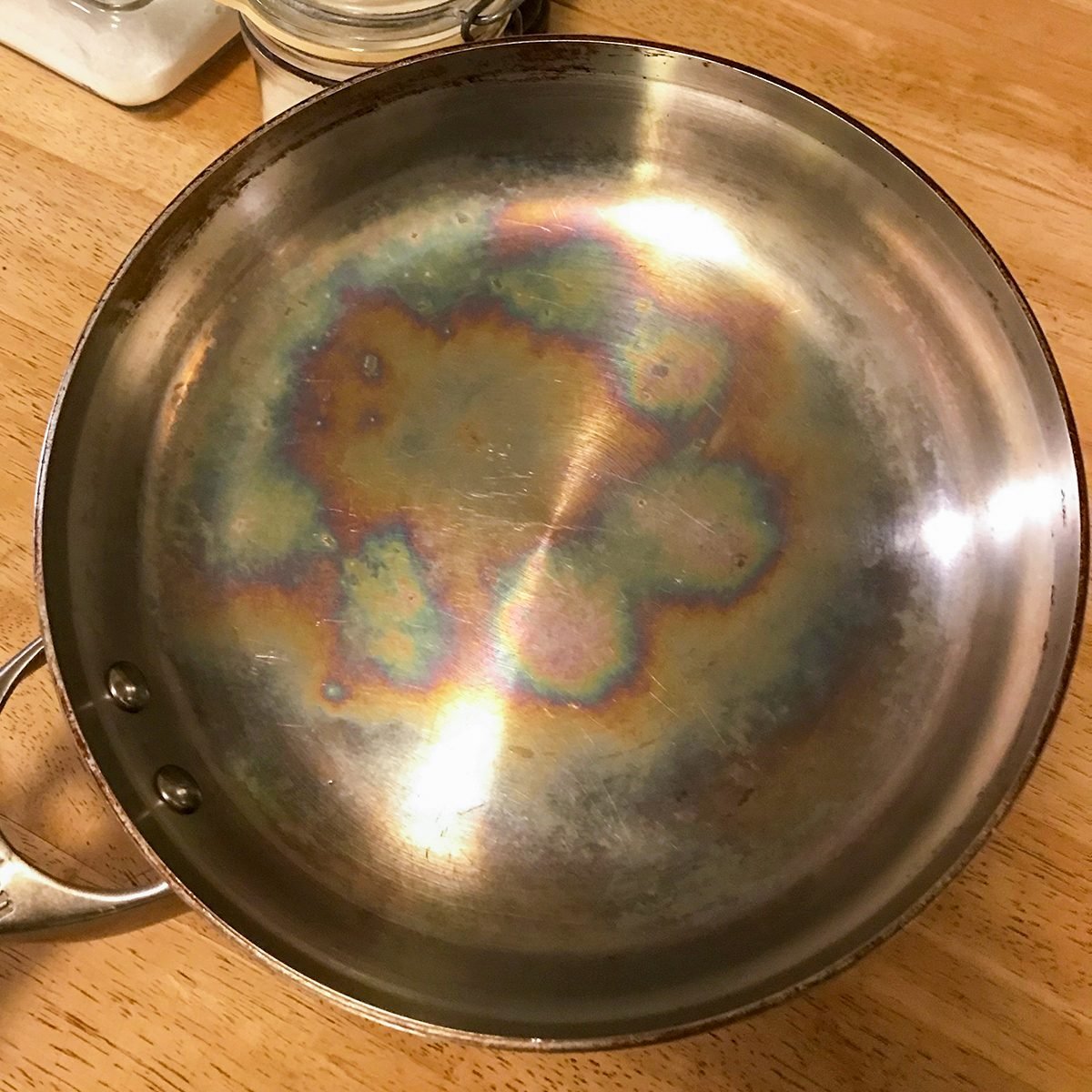
When cookware is exposed to extreme heat or high temperatures over prolonged periods, it can develop discoloration that ranges from light brown to dark blue or purple. This happens because the metal oxidizes under intense heat, changing its color permanently in many cases. Stainless steel is particularly prone to this type of discoloration, developing what's called heat staining or heat discoloration.
In my experience, heat staining occurs most often when pans are left on the burner too long after cooking or when flames extend beyond the bottom of the pan. The excessive heat causes a chemical change in the metal's surface layer. While this doesn't affect how your pan performs, it definitely impacts its appearance and can be frustrating if you've invested in quality cookware.
Acidic and Alkaline Food Reactions
Cooking acidic foods like tomatoes, vinegar, lemon juice, or wine can cause discoloration on cookware, especially aluminum and some stainless steel options. Acidic ingredients react chemically with the metal surface, sometimes causing pitting or discoloration that makes the pan look worn or damaged. Similarly, highly alkaline foods can create their own type of cookware discoloration through a reverse chemical reaction.
I once helped a cook troubleshoot why her aluminum pans were developing dark spots after making marinara sauce repeatedly. The acid in the tomatoes was reacting with the aluminum, creating visible discoloration. If you frequently cook with acidic ingredients, this is likely one of the main causes of your cookware discoloration. Using stainless steel or non-reactive cookware for acidic dishes is one of the best prevention strategies.
Oxidation and Rust Formation
Oxidation is a natural process where metal reacts with oxygen in the air and moisture, leading to discoloration and potentially rust. This is especially common with cast iron and carbon steel cookware that aren't properly seasoned or maintained. When moisture sits on the surface of these pans, it triggers oxidation that creates rust spots and brown discoloration.
Cast iron cookware discoloration from rust is preventable with proper seasoning and storage. You need to keep these pans dry and protected from humid environments. I've seen beautiful cast iron heirlooms saved from rust damage by simply teaching owners proper storage techniques, which shows how manageable this type of cookware discoloration can be.
Non-Stick Coating Degradation
Non-stick cookware discoloration often results from the gradual breakdown of the non-stick coating itself. When the coating becomes damaged through scratching, overheating, or abrasive cleaning, it exposes the underlying material and causes discoloration. The pan might develop dark patches, brown stains, or a cloudy appearance as the coating deteriorates.
This type of cookware discoloration signals that your non-stick surface is losing its protective layer. Once you notice significant discoloration on non-stick cookware, it usually means the pan's lifespan is nearing its end. Using wooden utensils, avoiding high heat, and hand-washing non-stick pans can extend their life and prevent premature discoloration.
Chemical Residue and Detergent Buildup
Sometimes cookware discoloration comes from detergent residue, soap buildup, or chemical reactions between cleaning products and the metal surface. If you're not rinsing thoroughly after washing, detergent can accumulate and create discoloration or a dull appearance. Certain cleaning products can also react with specific metals and cause permanent staining.
I've seen cases where people used harsh chemical cleaners on their cookware and ended up with stubborn discoloration that was difficult to remove. Using mild dish soap, warm water, and thorough rinsing is always the safest approach. If you must use stronger cleaners, rinse multiple times to ensure no residue remains on your cookware discoloration-prone surfaces.

Cookware Discoloration by Type
Stainless Steel Cookware Discoloration
Stainless steel is durable but not immune to cookware discoloration. Common issues include white mineral spots from hard water, rainbow or blue-purple heat staining from high temperatures, and brown spots from food contact or detergent residue. Stainless steel cookware discoloration is usually cosmetic and doesn't affect performance, but it can be frustrating for those who prize appearance.
The good news is that stainless steel cookware discoloration is often reversible. White vinegar, lemon juice, or specialized stainless steel cleaners can remove mineral deposits and restore shine. For heat staining, commercial stainless steel cleaners work best. Most stainless steel cookware discoloration can be prevented by using distilled water for rinsing and controlling heat settings during cooking.
Aluminum Cookware Discoloration
Aluminum cookware discoloration typically appears as dark spots or streaks caused by acidic food reactions or oxidation. Aluminum is reactive, meaning it interacts with acidic and alkaline foods, leading to visible cookware discoloration. The pitting and darkening that results can make aluminum pans look aged or damaged prematurely.
To prevent aluminum cookware discoloration, avoid cooking highly acidic foods directly in aluminum pans. If discoloration does occur, you can sometimes restore the surface using baking soda paste or commercial aluminum cleaners. Understanding this reactivity is key to managing cookware discoloration with aluminum products.
Non-Stick Cookware Discoloration
Non-stick cookware discoloration usually indicates that the protective coating is compromised. Dark spots, brown stains, or a cloudy appearance are signs that the non-stick layer is breaking down. This type of cookware discoloration is more serious than surface staining because it suggests the pan's functionality is declining.
Preventing non-stick cookware discoloration requires gentle care: hand washing only, avoiding metal utensils, and never exposing the pan to extreme heat. Once significant discoloration appears on non-stick surfaces, replacement is often the best option. The coating is difficult to restore once damaged, and cookware discoloration at this stage usually means the pan won't perform well much longer.
Cast Iron Cookware Discoloration
Cast iron cookware discoloration from rust appears as orange-brown spots or patches that develop when moisture isn't properly removed. Unlike other cookware discoloration types, rust on cast iron is a functional concern, not just cosmetic. Proper seasoning and maintenance are essential to prevent this type of cookware discoloration.
If you notice rust-related cookware discoloration on cast iron, address it immediately by scrubbing with steel wool, seasoning the pan with oil, and baking it in the oven. Regular maintenance prevents this problem from recurring. Cast iron cookware discoloration from rust is preventable with consistent care and proper storage in dry conditions.

Prevention Strategies for Cookware Discoloration
Use Distilled Water for Rinsing
One simple step to prevent cookware discoloration is rinsing your pans with distilled water instead of tap water. Distilled water contains no minerals, so it won't leave behind mineral deposits that cause white spots and film. This is especially important if you live in an area with hard water and experience frequent cookware discoloration.
This habit takes just a few extra seconds but makes a significant difference in keeping your pans looking new. I recommend keeping a pitcher of distilled water near your sink specifically for this purpose. You'll notice a dramatic reduction in mineral-related cookware discoloration within just a few weeks.
Control Heat Settings
Excessive heat is a major cause of cookware discoloration, particularly heat staining on stainless steel. Using medium to medium-high heat instead of maximum heat protects your pans and prevents the color changes that come with intense heat exposure. Always make sure flames don't extend beyond the bottom of the pan, as this causes accelerated cookware discoloration.
I've found that most cooking tasks don't require high heat anyway. Using proper heat settings not only prevents cookware discoloration but also improves your cooking results and saves energy. This single adjustment can dramatically reduce heat-related cookware discoloration over time.
Choose the Right Cookware for Your Foods
When cooking acidic foods, use non-reactive cookware like stainless steel or enamel-coated cast iron instead of bare aluminum or reactive cookware. This prevents the chemical reactions that cause significant cookware discoloration with acidic ingredients. Planning your cookware choice based on what you're cooking is a smart prevention strategy.
In my years of working with home cooks, those who match their cookware to their recipes experience far less cookware discoloration. It's a simple habit that saves frustration and extends the life of your pans.
Dry Pans Immediately After Washing
Water spots and mineral deposits form when water dries on your cookware. Drying your pans immediately after washing prevents this type of cookware discoloration. Use a soft cloth to dry all surfaces thoroughly, paying special attention to areas where water tends to pool.
This habit takes just a minute or two but provides significant protection against water-related cookware discoloration. I always recommend drying pans by hand rather than letting them air dry, as this gives you control over preventing discoloration.
Use Gentle Cleaning Methods
Harsh scrubbers and abrasive cleaners can damage cookware surfaces and accelerate discoloration, especially on non-stick pans. Use soft sponges, mild dish soap, and warm water for routine cleaning. Save stronger cleaners for occasional deep cleaning, and always rinse thoroughly to prevent residue buildup that causes cookware discoloration.
Hand washing is always gentler than dishwashers, which can contribute to various types of cookware discoloration. Being gentle with your cookware during cleaning is an investment in its longevity and appearance.

How to Remove Existing Cookware Discoloration
White Mineral Deposits on Stainless Steel
To remove white mineral spots from hard water, soak your pan in white vinegar for 15-20 minutes, then scrub gently with a soft cloth or sponge. The acidity in vinegar dissolves mineral deposits effectively. Alternatively, you can make a paste with baking soda and water, apply it to the spots, and let it sit for a few minutes before scrubbing. For stubborn cookware discoloration, repeat the process or use a commercial stainless steel cleaner specifically designed to remove mineral deposits.
Heat Staining on Stainless Steel
Heat staining appears as rainbow or blue-purple discoloration from excessive heat exposure. Commercial stainless steel cleaners are most effective for removing this type of cookware discoloration. Apply the cleaner according to package directions, usually rubbing it on with a soft cloth in the direction of the grain, then buff to a shine. Some people find that Bar Keeper's Friend, a gentle abrasive powder, also works well for heat staining without damaging the steel.
Discoloration on Aluminum Cookware
For aluminum cookware discoloration caused by darkening or pitting, make a paste using cream of tartar and lemon juice. Apply this paste to the discolored areas and scrub gently. The mild acidity helps lift discoloration without being too harsh. For more severe cookware discoloration on aluminum, you might need to use baking soda paste or a commercial aluminum cleaner, following product instructions carefully.
Rust Spots on Cast Iron
If you notice rust-related cookware discoloration on cast iron, scrub the affected areas with steel wool or a stiff brush to remove the rust. Once clean, immediately apply a light layer of neutral cooking oil and wipe off excess. Then season the pan by baking it in a 450-degree oven for one hour. This removes rust-related cookware discoloration and restores the pan's protective seasoning layer.

People Also Ask
Why is my stainless steel cookware turning blue?
Blue or purple discoloration on stainless steel cookware is heat staining caused by excessive heat exposure during cooking or while heating on the stove. This is a natural oxidation process that doesn't affect the pan's function but is purely cosmetic. You can remove this cookware discoloration using commercial stainless steel cleaners or Bar Keeper's Friend applied gently with a soft cloth.
Can cookware discoloration be permanent?
Some types of cookware discoloration, like heat staining and certain rust spots, can be permanent or very difficult to remove completely. However, most cookware discoloration from mineral deposits, detergent residue, and food reactions can be removed with proper cleaning methods. The permanence depends on the cause and how long the discoloration has been present.
Is discolored cookware safe to use?
Most cookware discoloration is purely cosmetic and doesn't affect safety or food preparation quality. However, significant rust on cast iron or severe coating damage on non-stick cookware may impact performance or longevity. If cookware discoloration is accompanied by flaking coating or deep pitting, it's time to consider replacement for safety and function.
How can I prevent white spots on my cookware?
White spots from mineral deposits can be prevented by rinsing your cookware with distilled water after washing and immediately drying with a soft cloth. Hard water minerals in your tap water are the main culprit behind this cookware discoloration. If you have very hard water, using distilled water for final rinses is the most effective prevention strategy.
What causes brown spots on non-stick cookware?
Brown spots on non-stick cookware indicate that the protective coating is degrading from heat damage, scratching, or abrasive cleaning. This type of cookware discoloration signals that the non-stick surface is compromised and the pan is nearing the end of its useful life. Preventing this requires careful handling, low-to-medium heat use, and gentle hand washing with soft sponges.
Frequently Asked Questions
What is the most common cause of cookware discoloration?
The most common cause of cookware discoloration is mineral deposits from hard water, which leave white, chalky spots on cookware surfaces. Heat staining is another very frequent cause, especially on stainless steel cookware exposed to high temperatures. These two causes account for the majority of cookware discoloration complaints from home cooks.
Does cookware discoloration affect how my pans cook?
Most cookware discoloration is purely cosmetic and doesn't affect cooking performance at all. Your pans will heat and cook food just as well whether they have discoloration or not. The exception is significant non-stick coating damage, where discoloration indicates the protective layer is compromised and food may stick more easily.
Can I use discolored cookware for cooking?
Yes, discolored cookware is generally safe to use for cooking unless it shows signs of rust, pitting, or coating damage. Most cookware discoloration is just surface-level and won't transfer to your food or affect flavor. Simply clean your pans thoroughly before using them, just as you normally would.
How often should I clean cookware to prevent discoloration?
Washing cookware immediately after use and drying it thoroughly is the best approach to prevent cookware discoloration. You don't need special frequent cleaning schedules, just consistent basic care after cooking. Addressing any visible discoloration promptly makes removal much easier than waiting until it builds up.
Are expensive cookware brands less prone to discoloration?
Price doesn't guarantee immunity from cookware discoloration; expensive and budget-friendly pans are equally susceptible to mineral deposits, heat staining, and oxidation. What matters more is the type of material and how well you maintain your cookware. Even premium stainless steel will develop mineral spots in hard water without proper care and prevention strategies.
Conclusion
Cookware discoloration is a common issue that affects almost every home cook at some point, but understanding its causes puts you in control of preventing and managing it. Whether you're dealing with mineral deposits from hard water, heat staining from high temperatures, or reactions from acidic foods, each type of discoloration has specific solutions and prevention strategies. The most important takeaway is that most cookware discoloration is cosmetic and reversible, meaning your favorite pans aren't ruined just because they've lost their shine.
By implementing simple habits like rinsing with distilled water, controlling heat settings, choosing appropriate cookware for different foods, and drying pans immediately after washing, you can dramatically reduce cookware discoloration. When discoloration does occur, you now have effective methods to remove it using common household items like vinegar, baking soda, and lemon juice. Taking these proactive steps extends the life of your cookware and keeps your kitchen investment looking beautiful for years to come.
Start with just one prevention strategy this week, whether it's using distilled water for rinsing or drying your pans immediately after washing. You'll be surprised at how quickly you notice improvements in your cookware's appearance. Share your experiences in the comments below, and let me know which cookware discoloration challenges you've tackled successfully. Your insights might help other readers facing similar kitchen issues.

Leave a Reply